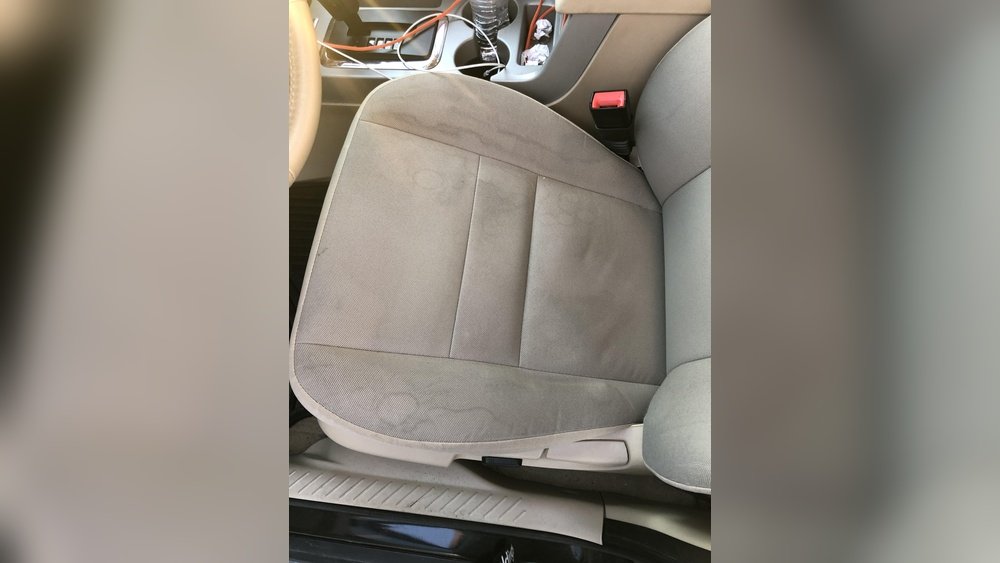
Keeping your car seats clean is not just about looks. It’s about comfort, value, and even health. Over time, car seats collect stains from spilled drinks, food, mud, sweat, ink, and more. The longer these stains sit, the harder they are to remove.
Old stains are especially tricky—they seep deep into the fabric or leather and often resist simple cleaning. Many car owners give up or cover the stains, but with the right knowledge and tools, you can restore your car seats to a much fresher state.
This guide will show you how to remove old stains from car seats with confidence, whether your seats are cloth, leather, or synthetic. You’ll also learn the common mistakes to avoid, how to choose the right cleaning method, and tricks professionals use that most people miss.
Understanding Car Seat Materials
Before starting any cleaning process, it’s important to know what kind of material your car seats are made of. Different materials need different approaches.
Cloth Seats
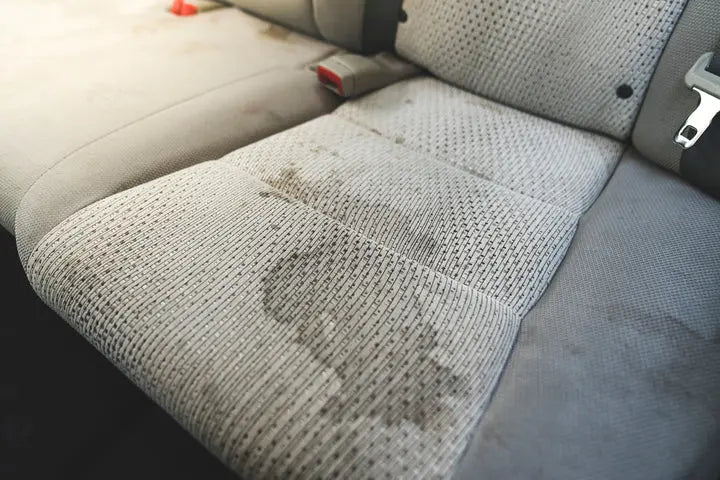
Cloth is the most common car seat material. It is comfortable and affordable, but it absorbs liquids easily. Stains on cloth seats can spread below the surface, making them tough to reach.
Leather Seats
Leather looks elegant and is easier to wipe clean, but it is sensitive to harsh chemicals and can crack if not treated properly. Old stains can dry out the leather, leaving marks or discoloration.
Vinyl And Synthetic Seats
These materials are durable and water-resistant. Stains usually stay on the surface, but some sticky substances can be hard to remove if left too long.
Why Material Matters
Choosing the wrong cleaner or scrubbing too hard can damage your seats. For example, bleach will ruin leather and may fade cloth. Always check your car’s manual or test products in a hidden spot first.
Types Of Stains And Their Challenges
Every stain is different. Knowing the type helps you choose the right cleaning solution.
- Food and drink stains: Coffee, soda, ketchup, and chocolate can leave colored stains and sticky residue.
- Ink stains: Pens or markers can leave deep, stubborn marks.
- Grease and oil: From food or car repairs, these stains spread and can attract more dirt.
- Mud and dirt: Often left by shoes, these stains can grind into fabric over time.
- Sweat and body oils: These can cause yellowish marks, especially on lighter seats.
- Pet stains: Urine, vomit, or hair from pets can stain and leave odors.
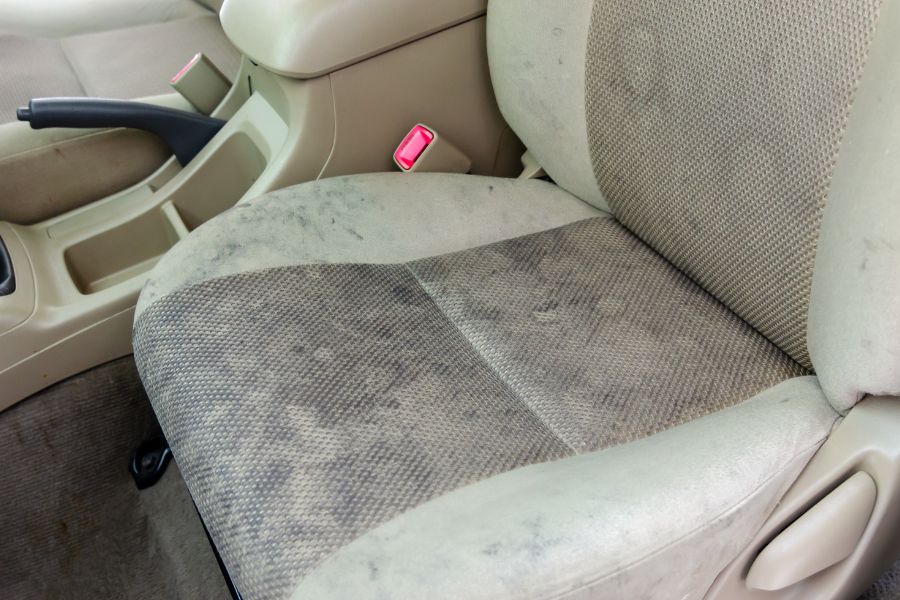
- Mold and mildew: Caused by moisture, these stains are a health risk and need careful removal.
Each type of stain may need a different approach, and old stains often combine several types.
Credit: www.washmenow.ca
Essential Tools And Supplies
You don’t need expensive equipment to clean car seats, but using the right tools makes a big difference. Here’s what you’ll need for most jobs:
- Soft-bristled brush: Helps lift dirt without damaging fabric.
- Microfiber cloths: Absorb moisture and wipe without scratching.
- Vacuum cleaner: Removes loose dirt before and after cleaning.
- Spray bottles: For mixing and applying cleaning solutions.
- Bucket of warm water: For rinsing cloths or sponges.
- Rubber gloves: Protect your hands from chemicals.
- Car upholstery cleaner: Choose the right one for your seat type.
- White vinegar, baking soda, or mild dish soap: Good for homemade solutions.
For leather seats:
- Leather cleaner and conditioner: Prevents drying and cracking.
Step-by-step Guide: Removing Old Stains From Car Seats
Let’s walk through a proven process for tackling old stains, from preparation to finishing touches.
1. Prepare The Area
Start by parking your car in a well-ventilated spot. Open the doors or windows. Remove trash, mats, and anything on the seats.
2. Vacuum Thoroughly
Use a vacuum with a crevice tool to remove loose dirt, crumbs, and dust from the seats, seams, and under cushions. This step is critical: leftover dirt can turn into mud when wet.
3. Identify The Stain
Look closely at the stain. Try to remember what caused it—knowing if it’s food, ink, or oil helps you pick the right cleaner.
4. Test Your Cleaner
Pick a cleaner suitable for your seat material. Test it on a small, hidden spot. Wait a few minutes to check for color fading or damage.
5. Apply Cleaning Solution
For cloth seats:
- Mix a solution of warm water and mild dish soap (1 cup water to a few drops of soap).
- For stubborn stains, add a little white vinegar.
For leather seats:
- Use a leather cleaner or a mix of vinegar and water (equal parts).
- Never use harsh chemicals or too much water.
For vinyl/synthetic seats:
- Mild soap and water works for most stains.
Spray or dab the solution on the stained area—don’t soak the fabric. Too much liquid can cause mold or water stains.
6. Gently Agitate The Stain
Use a soft brush or cloth to gently scrub the stain in a circular motion. Be patient—scrubbing too hard can damage the fabric or leave marks, especially on leather.
7. Blot, Don’t Rub
Blot the area with a clean microfiber cloth to lift the stain and absorb the solution. Repeat as needed, using a fresh section of the cloth each time.
8. Rinse And Dry
Dampen a clean cloth with plain water and blot the area to remove any soap or cleaner residue. Dry the seat with a towel or let it air-dry with the windows open. Avoid direct sunlight on leather, as it can cause fading.
9. Repeat For Tough Stains
Old stains may need several cleaning cycles. Let the seat dry between attempts to see the results clearly.
10. Condition And Protect
For leather seats, finish with a leather conditioner to keep the surface soft and prevent cracking. For cloth, consider a fabric protector spray to repel future stains.
Homemade Solutions Vs. Commercial Cleaners
Many people wonder if they should use store-bought cleaners or homemade solutions. Here’s a comparison to help you decide:
| Option | Pros | Cons | Best for |
|---|---|---|---|
| Homemade Solutions | Cheap, easy to make, gentle on most fabrics | May not remove heavy stains, some odors linger | Light stains, sensitive materials |
| Commercial Cleaners | Powerful, designed for specific stains, fast results | More expensive, risk of damage if misused | Old or tough stains, large areas |
A smart approach is to start with a homemade solution, then move to a commercial cleaner if needed.
Special Techniques For Common Old Stains
Some stains need extra attention. Here’s how to handle the toughest ones.
Coffee And Soda Stains
Coffee and soda stains are common and can leave dark marks. Mix one part white vinegar with two parts water and a few drops of dish soap. Spray, scrub gently, and blot. For stubborn stains, sprinkle a little baking soda on the area, let it sit for 15 minutes, then vacuum.
Ink Stains
Ink is tricky. Dab the stain with rubbing alcohol using a cotton swab, but don’t rub—this can spread the ink. Blot gently until the ink lifts. For leather, use a leather-safe ink remover.
Grease And Oil
Sprinkle baking soda or cornstarch directly on the stain. Let it sit for at least 30 minutes to absorb the oil. Vacuum, then clean with soapy water. This method is gentle and surprisingly effective.
Mud And Dirt
Let mud dry completely before cleaning. Brush off as much as possible, then use soapy water for the rest. For deeply set dirt, repeat the process.
Sweat And Body Oils
Mix a solution of vinegar and water (50/50) and spray on the stain. Blot with a clean cloth. For leather, always follow with conditioner.
Pet Stains (urine, Vomit)
Clean up as much as possible with paper towels. Use an enzyme cleaner for organic stains—these break down proteins and remove odors. Don’t use hot water, as it can set the stain.
Mold And Mildew
Mix one part white vinegar with two parts water. Spray on the stain and let it sit for 15 minutes. Wipe clean, then let the area dry completely. Mold can be dangerous; wear gloves and a mask if needed.
Credit: www.reddit.com
Key Mistakes To Avoid
Many people make simple errors that make stains worse. Here are some common mistakes and how to avoid them:
- Using too much water: This can soak the seat, leading to mold or a musty smell.
- Scrubbing too hard: Can damage fabric fibers or crack leather.
- Ignoring manufacturer instructions: Always check your car manual or seat tags for cleaning advice.
- Mixing chemicals: Some cleaners can react badly together. Never mix bleach with ammonia, for example.
- Not letting seats dry: Always dry seats well to prevent new stains or smells.
When To Seek Professional Help
Some stains just won’t budge, no matter what you try. Professional detailers have industrial tools like steam cleaners and extraction machines. If your seats are expensive, heavily stained, or if you’re worried about damaging them, it’s smart to call a pro.
They can often save seats that look hopeless.
Preventing Future Stains
Once you’ve cleaned your seats, keeping them stain-free is easier than you think.
- Use seat covers: Especially if you have kids or pets.
- Clean spills immediately: The sooner you act, the less likely stains will set.
- Apply fabric protector or leather conditioner: These create a barrier against liquids and dirt.
- No eating in the car: Simple but effective.
- Regular vacuuming: Keeps dirt from getting ground into the fabric.
Data: How Stains Affect Car Value
Many car owners don’t realize that stains can lower their vehicle’s resale price. Here’s a quick look at how seat condition impacts car value:
| Seat Condition | Estimated Impact on Resale Price | Buyer Appeal |
|---|---|---|
| Like New (no stains) | +5% to +10% | Very High |
| Minor stains | 0% to -5% | Moderate |
| Heavy or old stains | -10% to -20% | Low |
A clean interior is one of the first things buyers notice. Investing time in removing old stains pays off when it’s time to sell or trade in your car.
Pro Tips Most People Miss
Even experienced car owners miss some details when cleaning old stains. Here are a couple of expert insights:
- Heat can set stains: Never use hot water or a hair dryer on a fresh stain. Let air-drying do the work.
- Odor removal needs patience: Odors from old stains often linger even after visible marks are gone. Place a small bowl of baking soda in the car overnight, or use an activated charcoal bag to absorb lingering smells.
- Deep cleaning schedule: Even if you don’t see stains, deep clean your seats twice a year. This prevents build-up you might not notice.
Quick Reference: Cleaning Products Comparison
To help you pick the right cleaner, here’s how popular types stack up:
| Product Type | Average Cost (per use) | Effectiveness on Old Stains | Ease of Use |
|---|---|---|---|
| Mild Soap Solution | $0.10 | Low–Medium | Very Easy |
| Dedicated Upholstery Cleaner | $1–$2 | High | Easy |
| Enzyme Cleaner | $1 | Very High (for organic stains) | Easy |
| Professional Steam Cleaning | $20–$40 | Excellent | Requires expert |
Choose based on the age and type of stain, your budget, and how much effort you want to spend.
Credit: smartmonkeylab.pl
Frequently Asked Questions
How Can I Prevent Water Stains After Cleaning Car Seats?
The best way is to use as little water as possible. After cleaning, blot with a dry microfiber cloth and leave windows open for fast drying. For leather seats, avoid water altogether—use a damp (not wet) cloth.
Is It Safe To Use Bleach Or Hydrogen Peroxide On Car Seats?
Bleach and hydrogen peroxide can fade colors and damage fabric or leather. They should only be used in extreme cases, and only on white or color-safe materials. Always test in a hidden spot first.
Can I Use A Steam Cleaner On Old Stains?
Yes, steam cleaners are effective for deep cleaning cloth seats and loosening old stains. However, avoid using them on leather, as the heat and moisture can cause damage. If you’re unsure, check your car manual or ask a professional.
What Should I Do If The Stain Has A Bad Smell Even After Cleaning?
Old stains often leave odors. Sprinkle baking soda on the area and let it sit overnight, then vacuum. For strong smells, try an enzyme cleaner. You can also leave an open container of activated charcoal in the car to absorb odors.
Where Can I Find More Detailed Guides On Car Seat Cleaning?
Many car care websites and forums offer in-depth advice. For trustworthy information, see the Wikipedia Upholstery Cleaning page for cleaning science and techniques.
Removing old stains from car seats takes patience and the right approach, but it’s something any car owner can handle with the right knowledge. By understanding your seat material, choosing the correct cleaner, and following proven steps, you can make your car’s interior look and feel fresh again.
Don’t wait for stains to get worse—act early, and your car will thank you for years to come.