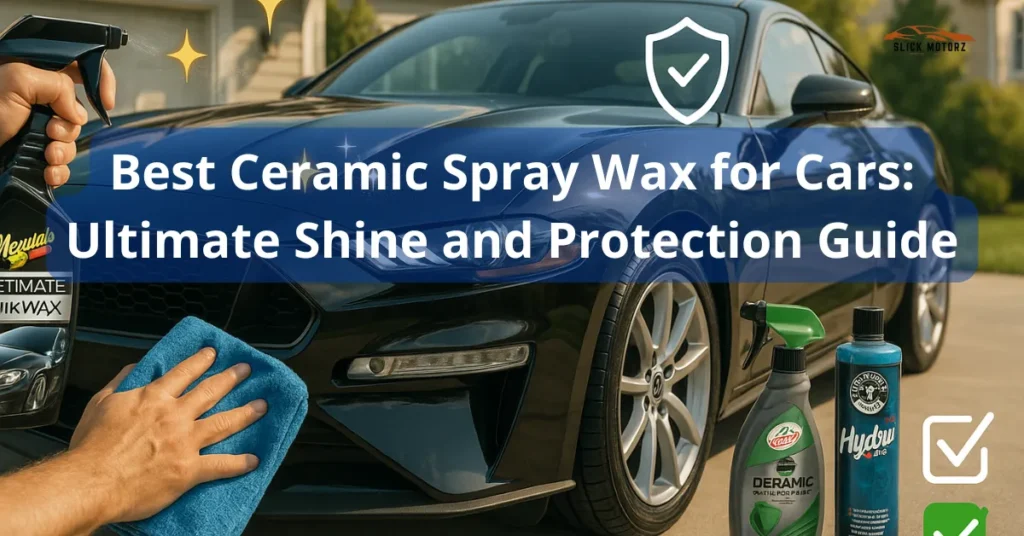
You want your car to look its absolute best, right? Whether you’re prepping for a special occasion, trying to maintain your vehicle’s value, or simply love driving a spotless ride, car detailing is the secret weapon you need.
But where do you start? How do you detail a car properly to get that showroom shine? This guide breaks down everything you need to know about car detailing—from the right order to clean every surface, to the tools and products that make a difference.
Stick with me, and by the end, you’ll have the know-how to detail your car like a pro and turn heads wherever you go. Ready to make your car look brand new? Let’s dive in!
Car Detailing Basics
Understanding the basics of car detailing helps keep your vehicle in top shape. Detailing goes beyond a simple wash. It involves deep cleaning and restoring every part of your car. This process protects your car and maintains its value over time.
Car detailing requires some knowledge and the right tools. Knowing what to do first and what products to use makes the task easier. Let’s explore the key points of car detailing basics.
What Is Car Detailing
Car detailing is a thorough cleaning of both inside and outside of a car. It includes washing, polishing, and protecting the vehicle’s surfaces. The goal is to restore the car’s original look and feel. Detailing removes dirt, stains, and minor scratches. It also helps protect paint and interior materials.
Benefits Of Detailing
Detailing keeps your car looking new for longer. It removes harmful contaminants that damage paint and metal parts. Inside, it cleans dust, stains, and odors. This creates a fresh and comfortable space. Regular detailing can increase your car’s resale value. It also prevents costly repairs by maintaining the vehicle’s condition.
Tools And Products Needed
Basic tools include microfiber cloths, brushes, and sponges. Use a quality car shampoo for washing. Clay bars help remove embedded dirt on paint surfaces. Polishing compounds restore shine and remove small scratches. Wax or sealants protect the paint from weather damage. For interiors, use vacuum cleaners, upholstery cleaners, and glass cleaners. Having the right tools makes detailing more effective and safe.

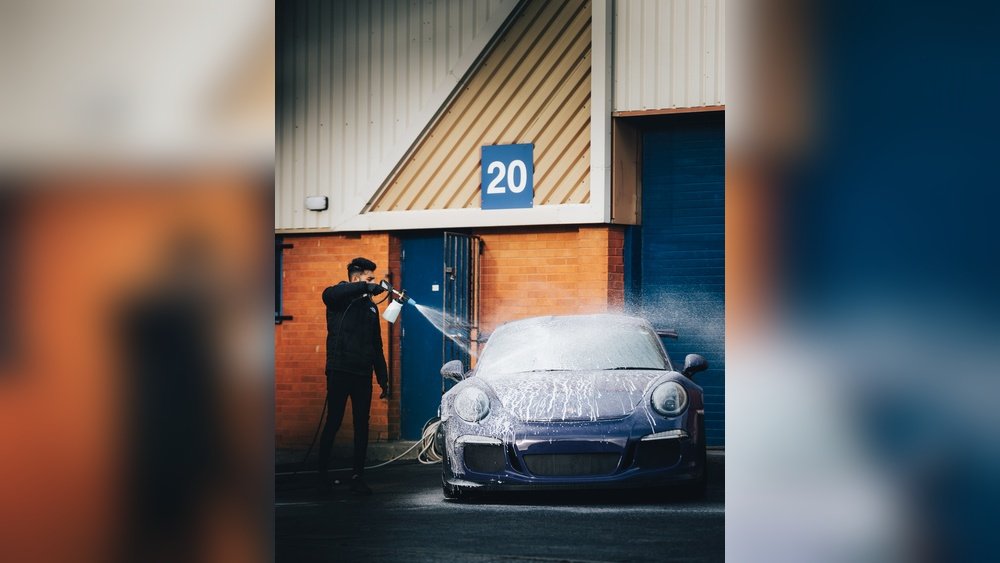
Credit: www.airtasker.com
Exterior Detailing Steps
Exterior detailing enhances your car’s look and protects its paint. Follow clear steps for a thorough clean and shine. Each step removes dirt, grime, and contaminants safely. Proper detailing keeps your car looking new longer.
Cleaning Wheels And Tires
Start by cleaning wheels and tires. Use a wheel cleaner and brushes to remove brake dust. Scrub tires with a tire cleaner to get rid of old dressing and dirt. Rinse thoroughly to avoid residue.
Pre-wash And Snow Foam
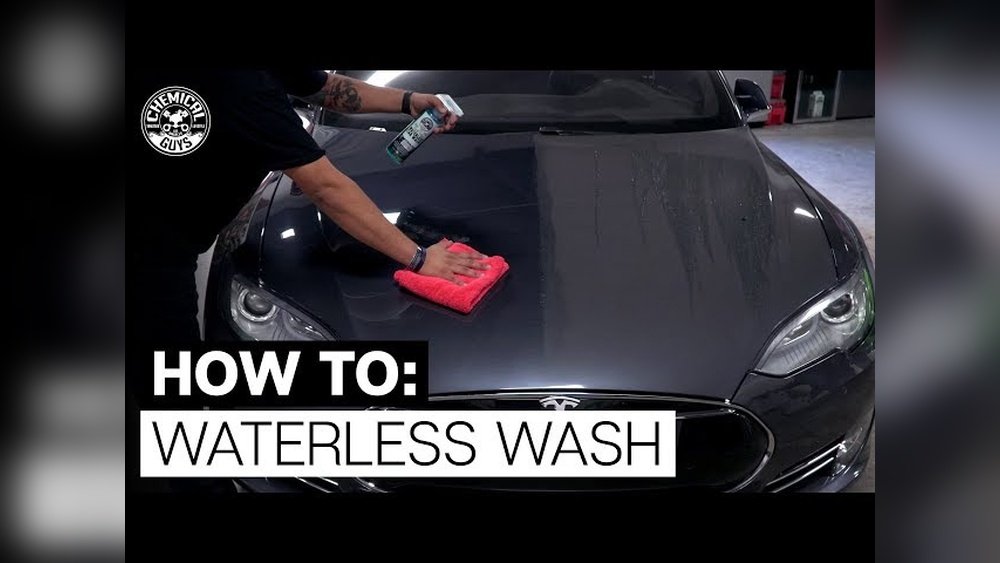
Apply a pre-wash rinse to remove loose dirt. Use snow foam to cover the car’s surface. Let it sit for a few minutes to loosen grime. This step prevents scratching during the wash.
Contact Wash Technique
Wash the car using a soft mitt and the two-bucket method. Use one bucket for soap and one for rinsing the mitt. Start from the top and work down. This stops dirt from spreading back onto the paint.
Paint Decontamination
Use iron remover and tar remover to clean embedded contaminants. Spray on the surface and let it work before rinsing. This removes tough particles that washing misses.
Clay Bar Treatment
Rub a clay bar over the paint with lubricant. This pulls out tiny impurities stuck in the surface. The paint feels smooth after claying and is ready for polishing.
Drying Methods
Dry the car using clean microfiber towels. Pat the surface instead of rubbing to avoid scratches. Dry door jambs and wheels with separate towels to prevent cross-contamination.
Paint Correction
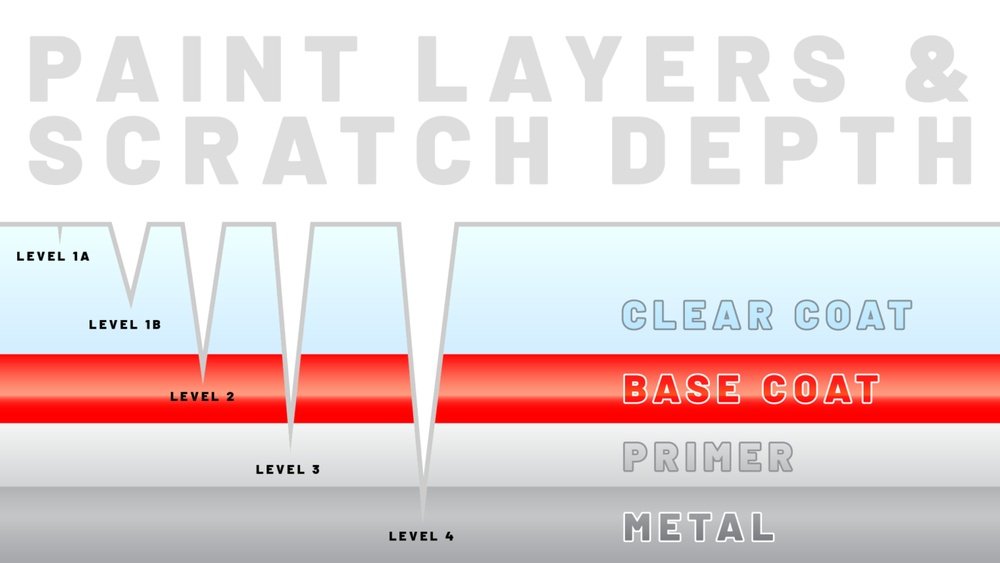
Use a polish or compound to fix swirls and scratches. Work in small sections with a dual-action polisher or by hand. This restores the paint’s shine and clarity.
Applying Protection
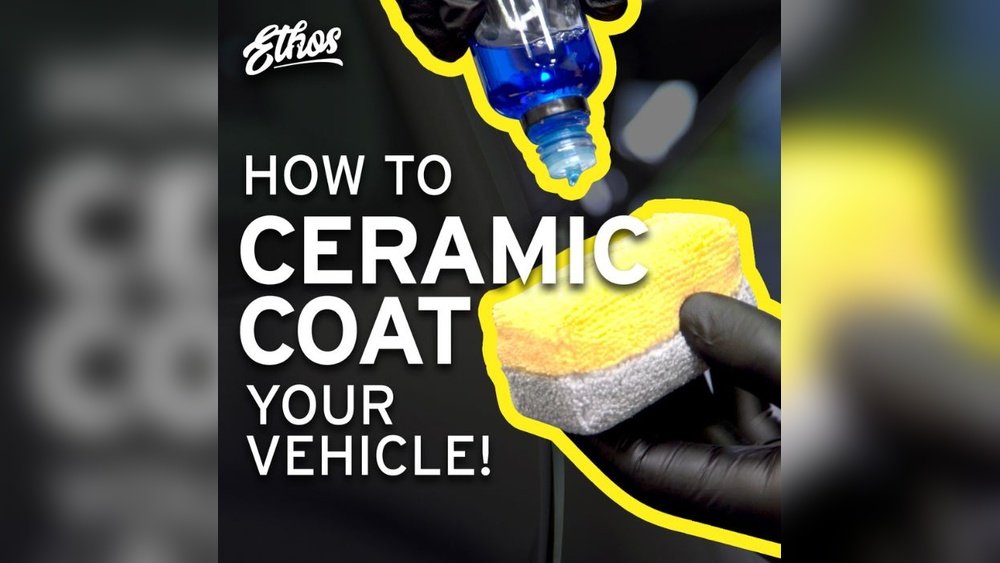
Apply wax, sealant, or ceramic coating to protect the paint. Spread evenly and buff to a shine. Protection keeps dirt from sticking and shields against UV damage.
Trim And Glass Care
Clean and dress exterior trim with a suitable product to restore color. Clean all glass surfaces with glass cleaner for a streak-free finish. This final step completes the fresh look.
Interior Detailing Process
The interior detailing process transforms your car’s inside to look and feel fresh. It removes dirt, dust, and stains from every surface. A clean interior improves comfort and protects the materials.
Follow these simple steps to detail your car’s interior like a pro.
Removing Personal Items
Start by taking out all personal items from the car. Check the glove box, center console, and door pockets. Clearing space helps reach all areas for cleaning.
Vacuuming Thoroughly
Use a vacuum with different attachments to clean seats, floor mats, and carpets. Pay attention to tight spots and under seats. Vacuuming removes dust, crumbs, and small debris.
Cleaning Dashboard And Panels
Wipe the dashboard, door panels, and center console with a soft cloth and mild cleaner. Avoid harsh chemicals that can damage surfaces. Clean all buttons and vents carefully.
Carpet And Upholstery Shampoo
Apply a fabric-safe shampoo to carpets and cloth seats. Use a brush to scrub stains gently. Rinse with a damp cloth and allow drying completely before use.
Leather And Vinyl Care
Use a leather cleaner and conditioner on leather seats and vinyl surfaces. This keeps the material soft and prevents cracking. Apply with a soft cloth and buff lightly.
Interior Glass Cleaning
Clean all inside windows and mirrors using a glass cleaner and microfiber cloth. Wipe in a circular motion to avoid streaks. Clear glass improves visibility and appearance.
Reassembling Interior
Put all personal items and mats back inside the car. Check that everything is dry and clean. Proper reassembly finishes the interior detailing process neatly.
Engine Bay And Additional Areas
Detailing a car goes beyond the visible exterior and interior. The engine bay and other hidden areas need attention too. Cleaning these spots improves your car’s look and helps maintain its value. These areas often collect dirt, grease, and grime that can cause damage if ignored.
Proper care of the engine bay and additional parts shows thoroughness. It also gives your vehicle a fresh, well-maintained appearance. Let’s explore some simple steps to clean these important areas effectively.
Engine Cleaning Tips
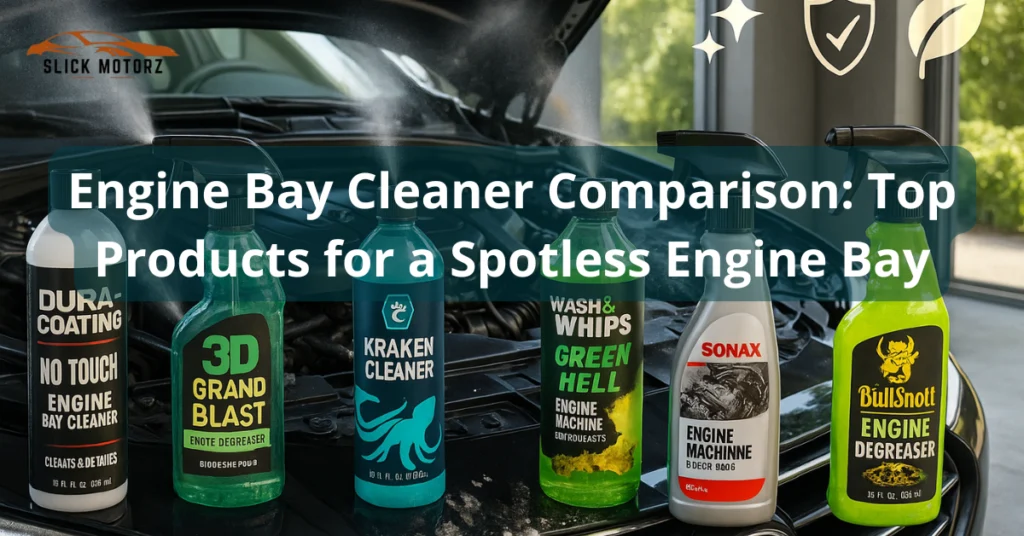
Start by letting the engine cool down completely. Cover sensitive parts like the battery and air intake with plastic bags. Use a gentle degreaser on dirty engine parts. Spray the degreaser and let it sit for a few minutes. Use a soft brush to loosen grime without damaging components. Rinse lightly with low-pressure water to avoid harm. Dry the engine bay with microfiber towels to prevent rust. Regular engine cleaning helps spot leaks and keeps the engine running cooler.
Detailing Door Jambs
Door jambs often get overlooked but collect a lot of dirt. Use a mild cleaner and a small brush to scrub these areas. Wipe down with a microfiber cloth to remove grime. Dry thoroughly to prevent rust and corrosion. Applying a protectant keeps door jambs looking fresh and prevents future dirt buildup. Clean door jambs improve your car’s overall presentation, especially during inspections or sales.
Headlight Restoration
Headlights can become cloudy from sun exposure and dirt. Use a headlight restoration kit or mild abrasive cleaner to remove oxidation. Wet sand the surface gently if the cloudiness is severe. Polish the headlights to restore clarity and brightness. Finish with a UV sealant to protect from future damage. Clear headlights improve night visibility and enhance your car’s appearance.
Detailing Order And Efficiency
Detailing a car efficiently requires following a clear order. This order saves time and improves results. It helps avoid mistakes like recontaminating clean areas. A smart sequence ensures every part shines without extra work. Understanding the best detailing order makes the process smoother and faster.
Working From Dirty To Clean
Start with the dirtiest parts of the car. Wheels and tires hold the most grime. Cleaning them first stops dirt from spreading. Next, move to the engine bay and lower panels. Wash these areas before touching cleaner surfaces. This step limits spreading dirt onto clean paint or glass.
Top-down Approach
Always work from the top of the car downwards. Dirt falls down, so cleaning top parts first keeps lower parts clean. Begin with the roof, then windows, hood, and sides. Finish with the lower doors and rocker panels. This approach prevents cleaned areas from getting dirty again.
Avoiding Recontamination
Use separate tools and towels for different parts. For example, use one mitt for the upper body and another for lower areas. Change water buckets often to keep dirt out. Rinse tools regularly to remove grime. Avoid touching cleaned surfaces with dirty hands or cloths. These steps keep the car spotless longer.

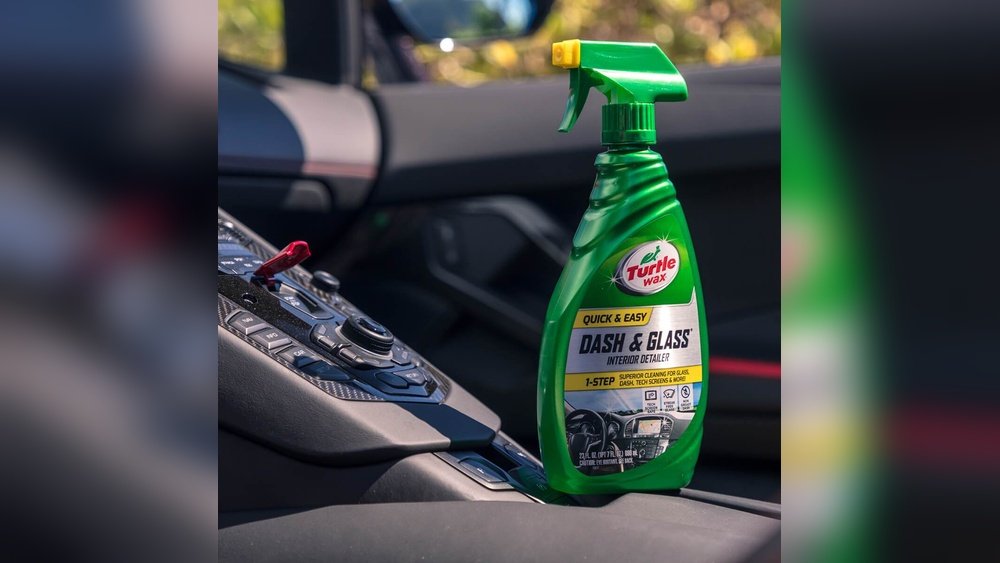
Credit: www.turtlewax.com
Protection And Maintenance
Protection and maintenance are vital steps after detailing your car. They keep your vehicle looking fresh and prevent damage. Proper protection shields the paint from dirt, UV rays, and moisture. Maintenance extends the life of your detailing efforts. Small, regular care saves time and money in the long run. Below are key methods and tips to protect and maintain your detailed car.
Wax Vs Sealant Vs Ceramic Coating
Wax creates a natural shine and adds a thin protective layer. It lasts a few weeks and needs frequent reapplication. Sealants are synthetic and last longer than wax, often a few months. They offer good protection against UV rays and dirt. Ceramic coatings form a hard, durable layer on the paint. They last years and resist scratches, chemicals, and water. Ceramic coatings require professional application but provide the best long-term protection.
Tire Dressing Application
Tire dressing improves the look and protects rubber from cracking and fading. Use a dedicated applicator or sponge to apply evenly. Avoid applying dressing to the tire tread to prevent slipping. Choose water-based dressings for a natural, matte look or solvent-based for a shiny finish. Reapply tire dressing every two to three weeks for best results.
Maintaining A Detailed Car
Wash your car regularly using gentle, pH-balanced soap. Avoid harsh chemicals that strip protection layers. Dry the car with soft microfiber towels to prevent scratches. Clean the wheels and tires often to remove brake dust and grime. Use quick detailer sprays between washes to keep the shine. Inspect the paint and touch up minor scratches quickly. Keep the interior clean by vacuuming and wiping surfaces weekly. Regular maintenance keeps your car looking new longer.
Tips For Beginners
Starting car detailing can feel overwhelming for beginners. Simple tips help you avoid common pitfalls and get great results. Focus on learning key steps and using the right tools. Patience and practice improve your skills quickly.
Common Mistakes To Avoid
Do not wash your car under direct sunlight. It causes water spots and soap drying too fast. Avoid using household cleaners on car surfaces; they may damage paint and interior. Never use dirty cloths or sponges. They can scratch the paint. Skip skipping steps like drying or waxing. Each step protects your car and enhances shine.
Time Management
Set aside enough time before you start detailing. Rushing leads to missed spots and mistakes. Break the job into smaller sections. Work methodically from top to bottom. Focus on one area at a time. Take short breaks to stay fresh and avoid fatigue. Proper time management makes detailing easier and more effective.
Choosing The Right Products
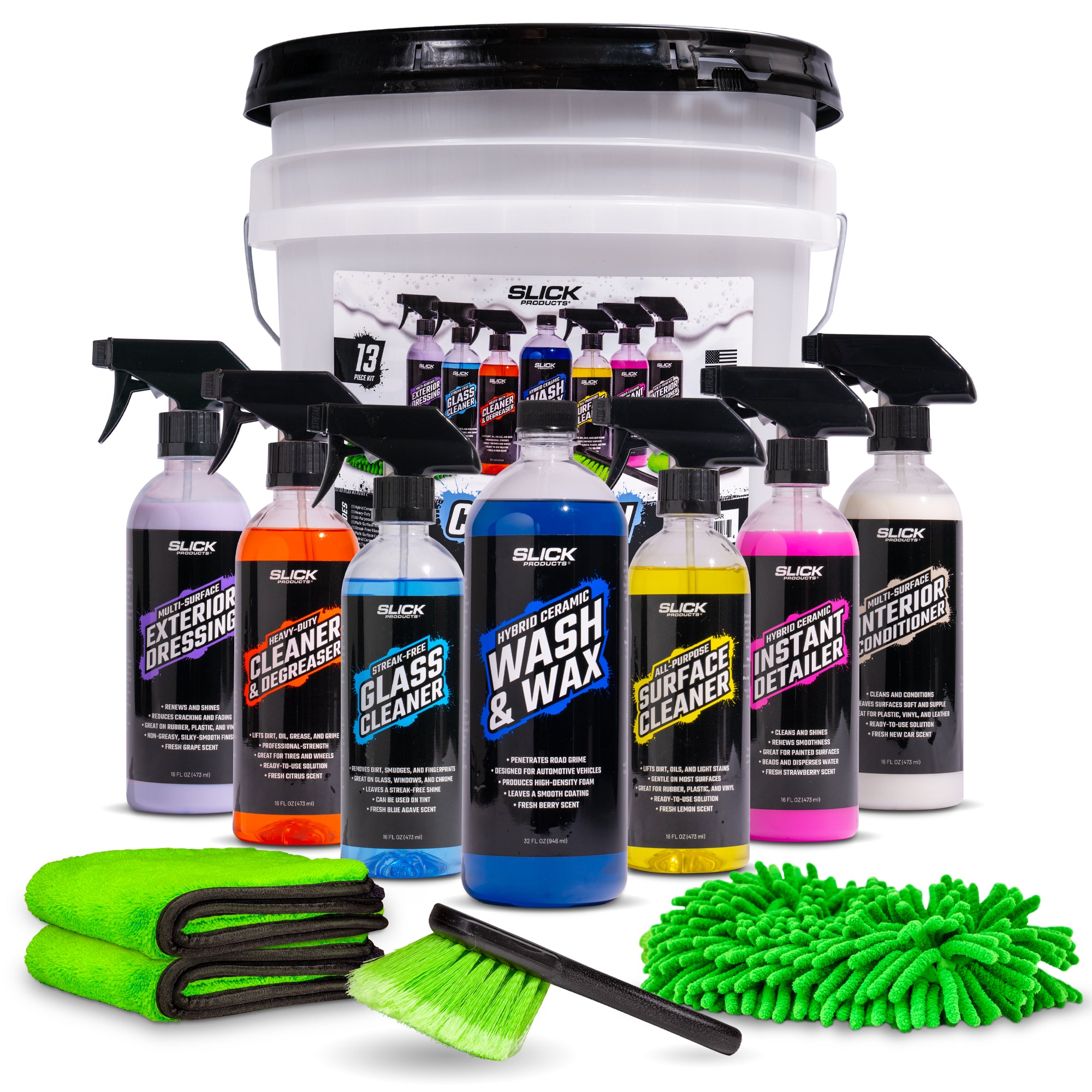
Pick products made specifically for cars. Car soaps, waxes, and cleaners protect surfaces better. Use soft microfiber towels for drying and polishing. Avoid abrasive materials that scratch paint. Read product labels and instructions carefully. Test new products on small, hidden areas first. Choosing the right products saves time and ensures a professional look.
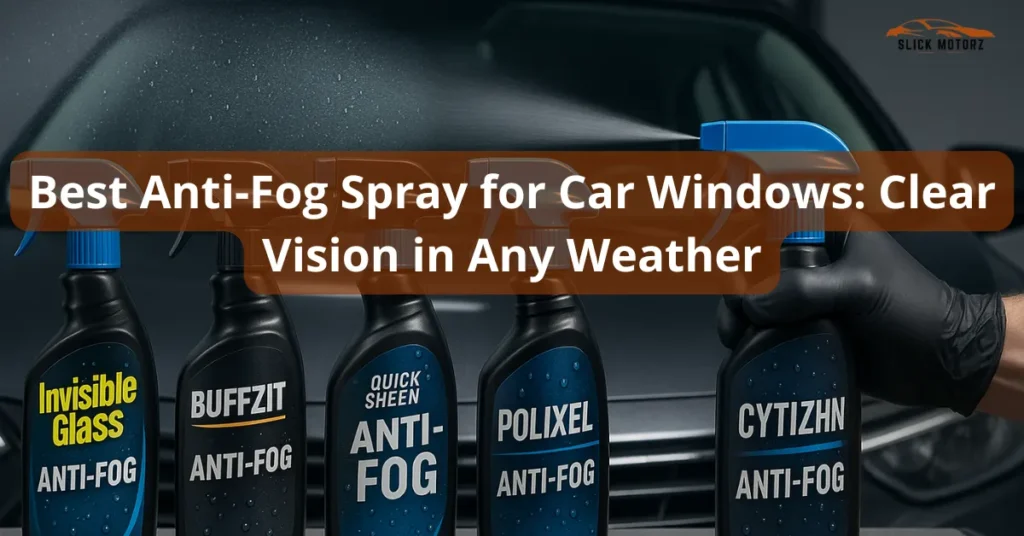
Credit: www.slickproductsusa.com
Frequently Asked Questions
What Is The Proper Order To Detail A Car?
Start with wheels and tires, then wash and decontaminate the exterior. Next, polish and protect the paint. Finish by cleaning and vacuuming the interior, including glass and trim. Apply final touches like tire dressing for a thorough, efficient car detailing process.
How To Detail A Car As A Beginner?
Start by removing trash and vacuuming the interior. Wash wheels and tires first, then wash and clay bar the exterior. Dry the car, polish if needed, and apply wax or sealant. Finish by cleaning windows and dressing tires for a complete beginner car detail.
How Much To Tip On A $200 Car Detail?
Tip 15-20% on a $200 car detail, equaling $30 to $40. Adjust based on service quality.
What Are The Steps Of Detailing A Car?
Start by cleaning wheels and tires, then wash and decontaminate the exterior. Next, polish and protect the paint. Finish with interior vacuuming, surface cleaning, glass wiping, and apply tire dressing.
Conclusion
Car detailing keeps your vehicle looking fresh and new. Start with the dirtiest parts and work up carefully. Clean wheels, wash the exterior, and don’t forget the interior. Use the right products for each step. A well-detailed car lasts longer and feels better to drive.
Regular care protects your investment and improves resale value. Simple steps make a big difference. Try detailing your car yourself or hire a pro for best results. Keep your car shining inside and out with easy, regular care.