When it comes to cleaning your car’s windows, you might wonder if the glass cleaner under your kitchen sink will do the job just as well. After all, it’s glass, right?
But here’s the catch: your car’s glass is very different from household glass. Using the wrong cleaner can leave streaks, damage tint, or even harm your visibility while driving. So, how do you choose between automotive glass cleaner and household glass cleaner?
You’ll discover the key differences, why it matters for your car’s safety, and which option will give you that crystal-clear shine every time. Keep reading—your car’s glass will thank you!
Differences In Formulation
Automotive glass cleaners and household glass cleaners have distinct formulas. These differences affect cleaning power and safety for car surfaces. Auto glass requires special care to avoid damage. Household cleaners often focus on general cleaning, not specific needs of cars.
Understanding these formulation differences helps choose the right product. Using the wrong cleaner can cause streaks, damage, or reduce visibility. Below are key formulation factors that set them apart.
Ammonia Content
Household glass cleaners usually contain ammonia. Ammonia breaks down grease and grime effectively on home windows. Auto glass cleaners avoid or limit ammonia. Ammonia can harm car window tint and cause clouding on auto glass. It also creates strong fumes unsuitable for car interiors.
Auto glass cleaners use safer alternatives to clean without harsh chemicals. This protects the glass and nearby materials.
Specialty Ingredients For Auto Glass
Auto glass cleaners include ingredients targeting road grime, bugs, and oil films. These formulas often contain anti-fog agents to improve visibility. Some have water-repellent additives to enhance driving safety in rain. Household cleaners lack these automotive-specific ingredients. They cannot remove tough auto residues as well.
These specialty ingredients keep auto glass clearer for longer periods.
Impact On Tint And Uv Coatings
Automotive glass often has tint or UV protection coatings. Household cleaners with ammonia and harsh chemicals can degrade these coatings. This causes peeling, discoloration, or loss of effectiveness. Auto glass cleaners are designed to be gentle on tints and coatings. They help maintain the look and protection of the glass.
Using the correct cleaner preserves both function and appearance of auto glass surfaces.
Cleaning Performance
Cleaning performance plays a key role in choosing the right glass cleaner. Automotive glass faces unique challenges like road grime, bugs, grease, and dust. Household glass cleaners are designed for indoor use and may struggle with these outdoor elements. Effective cleaning ensures clear visibility and safe driving. Below, we explore how these two types of cleaners handle common issues on car glass.
Effectiveness On Road Grime And Bugs
Automotive glass cleaners target tough road grime and bug splatters. They contain ingredients that break down these stubborn residues fast. Household glass cleaners often fail to dissolve road grime fully. Bugs can leave sticky marks that household cleaners might smear instead of remove. Auto glass cleaners provide a deeper clean without extra scrubbing.
Streaking And Residue Issues
Streaks reduce visibility and create safety hazards. Automotive glass cleaners are formulated to dry quickly without leaving streaks. Household cleaners often contain ammonia, which can cause streaking on car glass. This residue blurs vision, especially in sunlight or night driving. Using an automotive-specific cleaner reduces streaks and keeps the glass crystal clear.
Handling Grease And Dust
Car windows gather grease from skin oils and dust from the environment. Automotive glass cleaners include grease-cutting agents. They lift and remove oily films effectively. Household cleaners may leave behind greasy patches or dust that sticks back quickly. Auto cleaners ensure a thorough clean and help maintain a spotless surface longer.
Safety Considerations
Safety is a key factor when choosing between automotive glass cleaner and household glass cleaner. Each type affects your car’s surfaces and health differently. Understanding these differences helps protect your vehicle and your well-being.
Effect On Glass Durability
Automotive glass cleaners are made for car windows. They avoid chemicals that can weaken glass over time. Household cleaners often contain ammonia, which can damage tint or cause glass to degrade. Using the right cleaner preserves your glass’s strength and clarity.
Impact On Interior Surfaces
Car interiors have delicate materials like leather and plastic. Automotive cleaners are gentle on these surfaces. Household glass cleaners may harm or discolor interior trims. Choosing an auto-specific product keeps your car’s inside looking new and prevents damage.
Health And Environmental Factors
Automotive glass cleaners usually have fewer harmful chemicals. They reduce fumes that can irritate eyes and lungs. Household cleaners often contain strong solvents that affect indoor air quality. Eco-friendly auto cleaners also help reduce environmental harm while cleaning effectively.

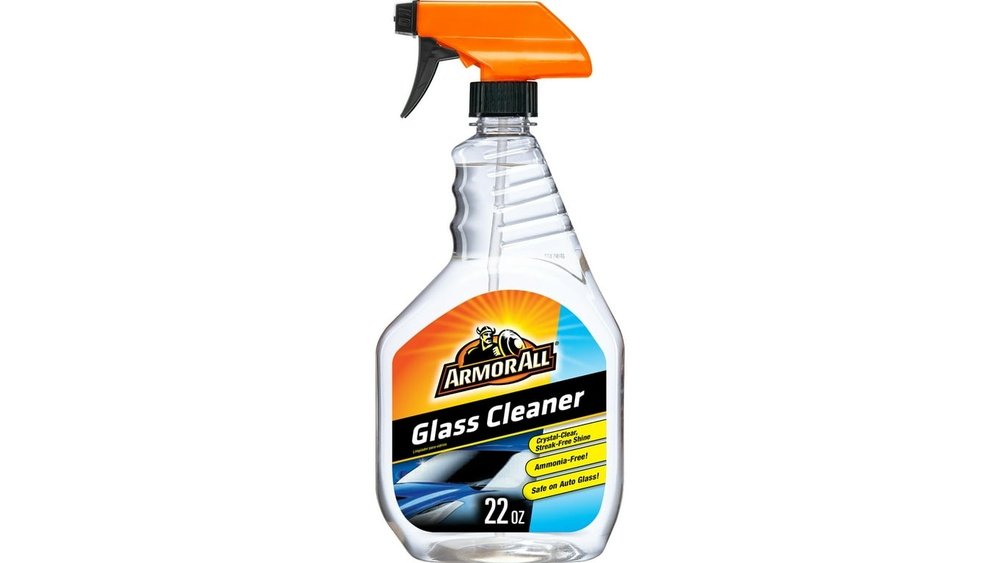
Credit: armorall.com
Usage Scenarios
Understanding when to use automotive glass cleaner or household glass cleaner improves cleaning results. Each type suits specific scenarios and surfaces. Choosing the right cleaner protects your glass and enhances visibility. Below, explore common usage situations for both cleaners and how often to apply them.
When To Choose Automotive Cleaner
Use automotive glass cleaner on car windows and mirrors. It removes grease, bugs, and road grime effectively. It avoids streaks that block your view while driving. This cleaner is safe for tinted glass and sensitive surfaces. Choose it for frequent cleaning to protect your vehicle’s glass.
Situations Suitable For Household Cleaner
Household glass cleaner works well on home windows and mirrors. It cleans light dirt and fingerprints quickly. Use it on flat surfaces away from direct sunlight to avoid streaks. Avoid household cleaners on car glass with tint or special coatings. They contain chemicals that may harm automotive glass.
Frequency Of Use
Automotive glass cleaner is designed for regular use. Clean your car glass weekly or after long trips. Household glass cleaner suits occasional use on home surfaces. Overuse may cause streaks or damage on delicate glass. Always follow product instructions for best results and safety.
Cost And Availability
Cost and availability play a big role in choosing between automotive glass cleaner and household glass cleaner. The price difference and where you can find them matter to many car owners. Understanding these factors helps you pick the right product for your needs in Austin, Texas.
Price Comparison
Automotive glass cleaners usually cost more than household glass cleaners. This is due to special formulas that protect car glass better. Household glass cleaners are cheaper and sold in larger bottles. The price gap can influence your decision if you clean your car often.
Accessibility In Austin, Texas
Household glass cleaners are easy to find in Austin supermarkets and convenience stores. Automotive glass cleaners are available at auto shops and some big retailers. You may need to visit a specialty store or shop online for auto-specific products. Both types are generally easy to get but in different places.
Value For Money
Automotive glass cleaners offer better protection and less streaking on car windows. This can save money by avoiding damage or extra cleaning. Household cleaners are less expensive but may require more effort and cause streaks. Choosing the right cleaner depends on how much you value long-term care for your car glass.

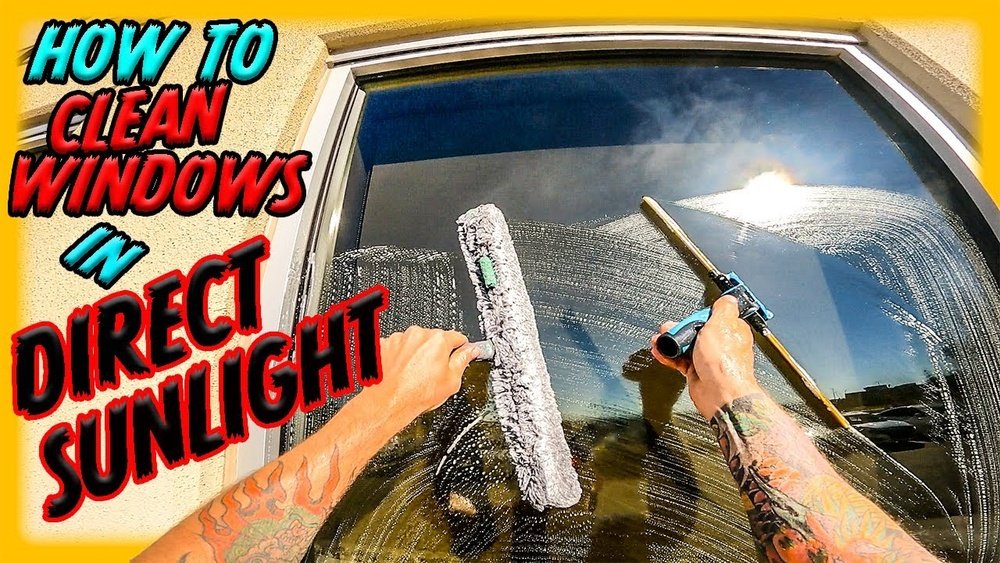
Credit: www.youtube.com
Diy Alternatives
DIY alternatives offer a simple way to clean automotive glass without expensive products. These options use common household items and provide effective cleaning results. Choosing the right mix and tools helps avoid streaks and damage on car glass. Below are some popular and safe DIY choices.
Vinegar And Isopropyl Alcohol Mixes
A mix of vinegar and isopropyl alcohol cleans glass well. Vinegar removes dirt and grime. Alcohol speeds up drying and reduces streaks. Use a ratio of two parts distilled water, one part vinegar, and one part alcohol. Put the solution in a spray bottle for easy use. Avoid strong smells by using this mix in a ventilated area.
Using Distilled Water
Distilled water is the best choice to avoid water spots. Tap water often leaves mineral marks on glass. Mixing distilled water with vinegar or alcohol improves cleaning power. It also helps keep the glass clear and shiny. Using distilled water in your DIY cleaner protects your car’s glass long term.
Best Microfiber Cloths
Microfiber cloths are gentle and absorbent for glass cleaning. They trap dirt without scratching surfaces. Choose a cloth labeled for glass or automotive use. Avoid rough or colored cloths that may leave lint or marks. Always use a clean microfiber cloth to get streak-free windows every time.
Common Myths
Many people believe household glass cleaners work just fine on car windows. This idea leads to using the wrong products that can harm your vehicle. Myths about automotive and household glass cleaners cause confusion. Clearing these up helps you choose the best cleaner and protect your car’s glass.
Using Windex On Car Windows
Windex and similar cleaners contain ammonia. Ammonia can damage car window tint and rubber seals. It also causes streaks on curved auto glass. Using Windex may reduce visibility while driving. Auto glass cleaners avoid these issues by using safer ingredients.
Household Cleaners Are Just As Good
Household glass cleaners work well on mirrors and home windows. Car glass faces dirt, grease, and road grime that household cleaners struggle to remove. They often leave residue and streaks behind. Automotive glass cleaners are made for tough car grime and offer a clearer finish.
Ammonia-free Means Less Effective
Many think ammonia-free cleaners do not clean well. In reality, ammonia-free formulas are designed to clean without damage. They use gentle, yet powerful agents safe for car glass and tint. Ammonia-free cleaners provide a streak-free shine without harsh chemicals.

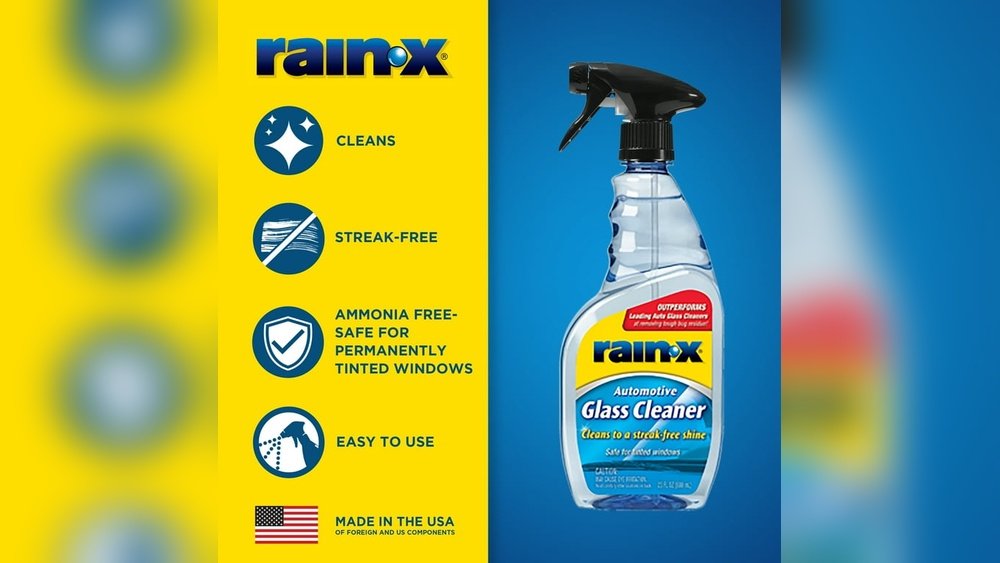
Credit: www.amazon.com
Frequently Asked Questions
Is There A Difference Between Glass Cleaner And Automotive Glass Cleaner?
Automotive glass cleaner avoids ammonia to protect tint and coatings. Household glass cleaner often contains ammonia, risking streaks and damage on car glass. Use automotive-specific cleaner for clearer, safer results.
Is Automotive Glass Cleaner Better Than Windex?
Automotive glass cleaners are better than Windex for cars. They are ammonia-free, preventing damage to tint and UV coatings. They reduce streaks and maintain visibility. Windex’s ammonia can harm automotive glass and cause cloudiness. Choose automotive glass cleaner for safer, clearer, and longer-lasting results.
What Is The Best Thing To Clean Car Glass With?
The best cleaner for car glass is an ammonia-free automotive glass cleaner. It prevents streaks and protects tint and UV coatings. Use a microfiber cloth for a clear, streak-free finish. Avoid household cleaners with ammonia, as they can damage car glass and reduce visibility.
Is All Glass Cleaner The Same?
Not all glass cleaners are the same. Automotive glass cleaners avoid ammonia, preventing streaks and damage to car glass coatings. Household cleaners may cause streaking and harm tinted or treated automotive glass. Choose a car-specific cleaner for better visibility and protection.
Conclusion
Choosing the right cleaner matters for your car’s glass care. Automotive glass cleaners avoid ammonia that can harm car surfaces. Household cleaners often leave streaks and reduce visibility. Auto-specific products clean grease and dirt more effectively. Using the correct cleaner improves safety and maintains glass quality.
Clean your car glass gently and regularly for best results. Simple steps can keep your windows clear and bright. Small differences make a big impact on your driving experience.