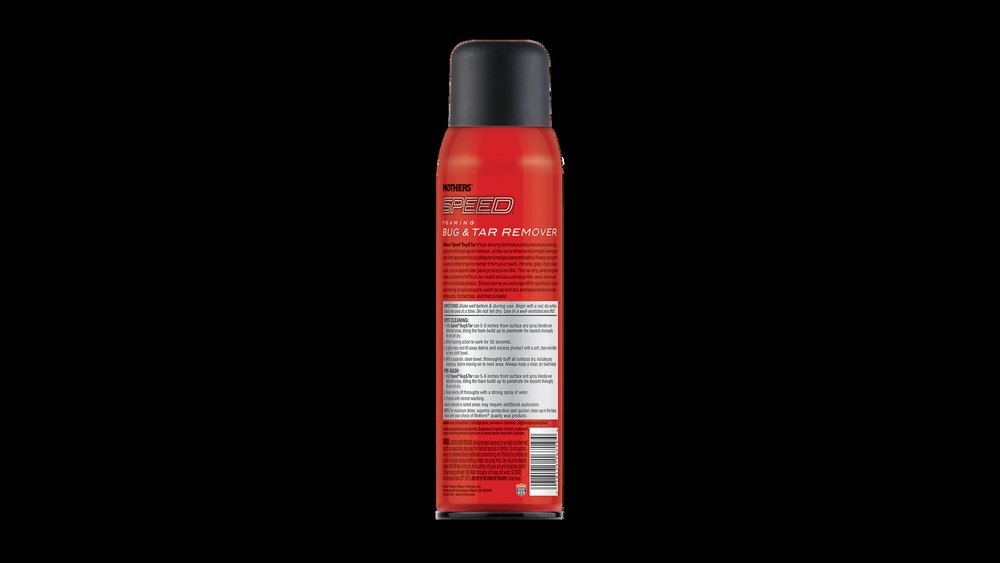
Are your headlights covered with stubborn bug splatters that just won’t budge? You might be tempted to grab any bug remover or spray lying around, but did you know many common products can actually damage your plastic headlight covers?
If you want to keep your headlights clear and safe, it’s crucial to use the right bug remover — one that cleans effectively without harming the plastic. In this guide, you’ll discover simple, safe methods to remove bugs from your headlights and protect their plastic surface for the long haul.
Keep reading to learn how to restore your headlights’ shine safely and avoid costly mistakes that many drivers make.
Risks Of Bug Spray On Headlights
Bug spray may seem like an easy fix to clean headlights. It can remove bugs and dirt quickly. But using bug spray on plastic headlights carries risks. The chemicals in the spray can harm the plastic surface. This damage may not be visible at first. Over time, headlights can lose clarity and become unsafe.
Understanding the risks helps you protect your headlights properly. Avoid shortcuts that may cause more harm. Learn how bug sprays affect headlight plastic and why some ingredients are dangerous.
Chemical Effects On Plastic
Bug sprays contain strong chemicals designed to repel insects. These chemicals can react with the plastic of headlights. They may cause the plastic to soften or melt slightly. This reaction removes surface oxidation temporarily. The headlights look clearer for a short time. But the plastic surface becomes weaker and sticky. This makes it easy to attract dirt and grime again.
Long-term Damage And Hazing
Repeated exposure to bug spray causes long-term damage. The plastic surface develops hazing or cloudiness. This reduces the headlight’s brightness and visibility. Cracks may also form on the plastic lens. Hazing lowers driving safety, especially at night. The damage is often irreversible and costly to repair. Using bug spray as a cleaner can shorten headlight life.
Why Deet Is Harmful
DEET is a common ingredient in many bug sprays. It is a powerful chemical that melts plastics. DEET breaks down the polycarbonate material of headlights. This causes surface damage and discoloration. Even small amounts of DEET can harm the plastic lens. Avoid any bug spray containing DEET near headlights. Choose safer cleaning methods to protect your car.
Credit: www.turtlewax.com
Safe Alternatives For Bug Removal
Removing bugs from headlights requires care to protect the plastic lens. Harsh chemicals can cause damage and reduce clarity. Choosing safe alternatives ensures your headlights stay clear and last longer. The following methods use gentle ingredients and products made for plastic surfaces.
Using Toothpaste And Baking Soda
Toothpaste acts as a mild abrasive, perfect for cleaning plastic headlights. Mix it with baking soda to boost its effectiveness. Apply the paste gently using a soft cloth in circular motions. This combination removes bug residue without scratching the surface. Rinse with water and dry for a clear finish.
Dedicated Headlight Restoration Kits
Restoration kits contain everything needed for safe headlight cleaning. These kits usually include fine sandpaper, polish, and UV sealant. Sanding removes oxidation and bug stains carefully. Polishing restores shine, while the sealant protects the plastic from future damage. Follow the instructions for best results and lasting clarity.
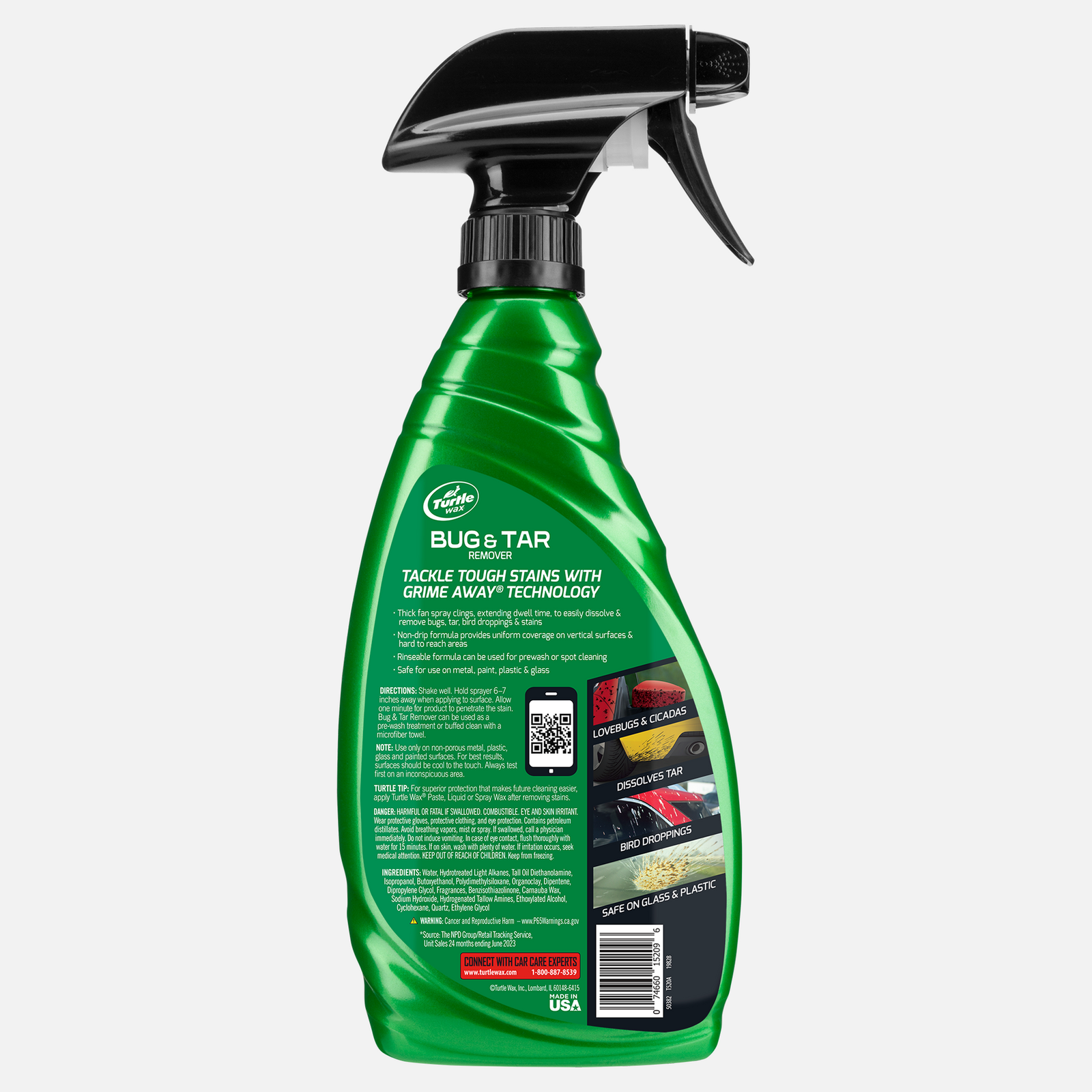
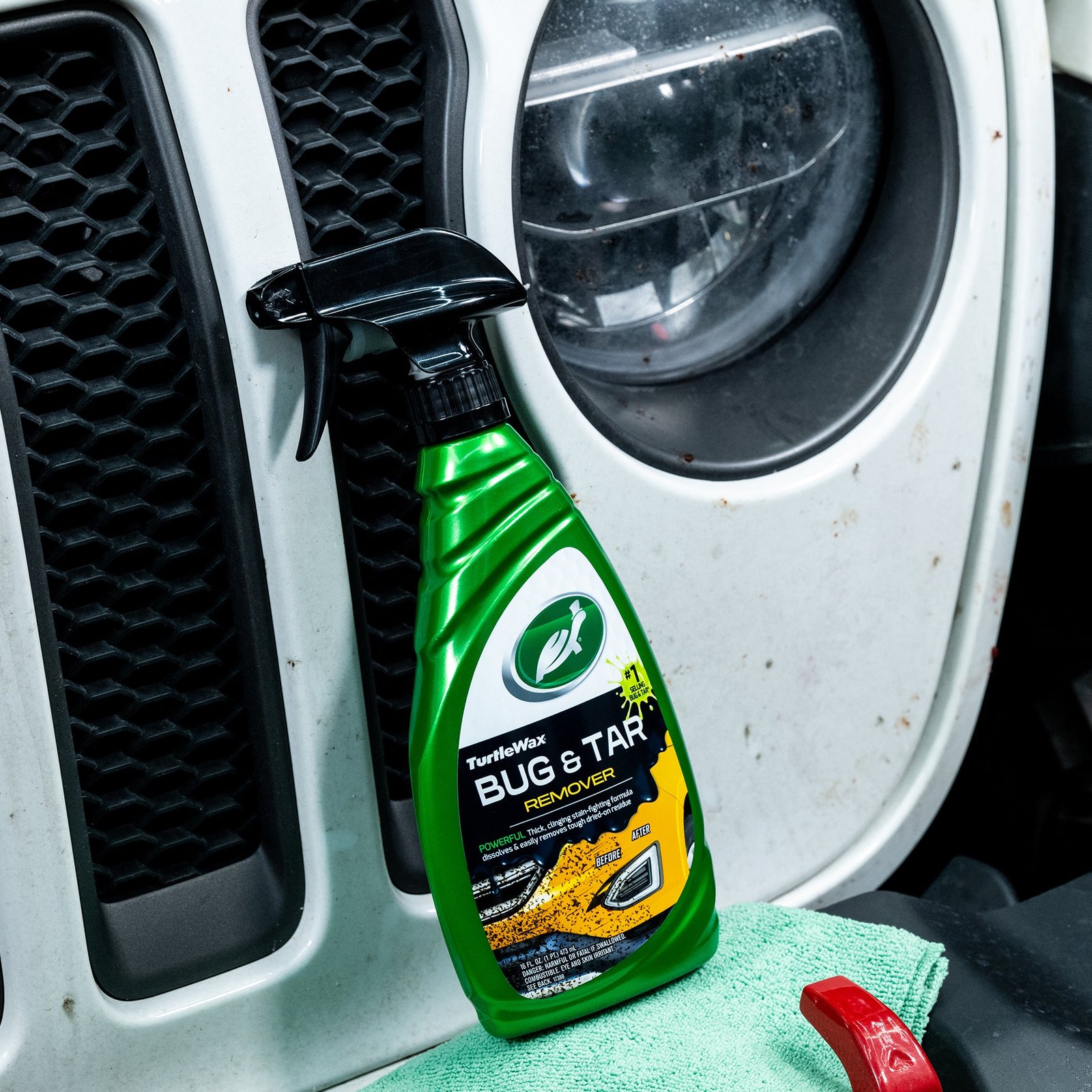
Plastic-safe Bug And Smudge Removers
Some products are specially formulated for plastic headlights. These removers break down bug stains and smudges without harming the lens. Always check the label to confirm plastic safety. Apply with a soft cloth and wipe gently. These cleaners save time and protect your headlights from harsh chemicals.
Step-by-step Cleaning Process
Restoring your headlights improves both the look and safety of your vehicle. This step-by-step cleaning process works well on plastic headlights. It removes oxidation and bug residue. It also protects the plastic from future damage. Follow these simple steps carefully to bring back your headlights’ clear shine.
Wet Sanding To Remove Oxidation
Start by wet sanding the headlight surface with fine-grit sandpaper. Keep the surface and sandpaper wet to avoid scratches. Gently sand in a circular motion to remove the cloudy, oxidized layer. Check progress often to prevent over-sanding. Rinse the headlight with water after sanding to clear debris.
Polishing For Clarity
Use a plastic polishing compound to restore the headlight’s shine. Apply a small amount of polish on a clean cloth or buffer pad. Rub the polish into the headlight using circular motions. Polish until the surface looks smooth and clear. Wipe away any residue with a soft microfiber cloth.
Applying Uv Sealant
Finish by applying a UV sealant to protect the plastic. The sealant prevents future yellowing and cracking from sun exposure. Apply a thin, even layer on the headlight surface. Allow it to dry completely as per product instructions. This final step keeps headlights clear and safe for longer.
Credit: www.turtlewax.com
Maintaining Headlight Plastic
Maintaining the plastic on your headlights is key to keeping them clear and bright. Over time, dirt, bugs, and UV rays can damage the plastic. This damage makes headlights look cloudy and reduces their effectiveness. Proper care can extend their life and improve your safety on the road.
Avoiding Harsh Chemicals
Harsh chemicals can eat away at the plastic surface of headlights. Avoid using bug sprays or strong cleaners on them. These products may cause cracks or sticky residues. Use cleaners designed specifically for plastic headlights. These are gentle and safe for regular use.
Regular Cleaning Tips
Clean headlights often to stop buildup of bugs and grime. Use a soft cloth or sponge with mild soap and water. Rinse well to remove all soap residue. Dry headlights with a clean, soft towel. This simple routine keeps plastic clear and helps spot early damage.
Protecting Against Future Damage
Apply a UV protectant to headlights after cleaning. This shield guards the plastic from sun damage. Park your car in the shade when possible. Cover headlights during long outdoor stays. These steps reduce fading and cracking, keeping headlights bright longer.
Quick Fixes Vs. Long-term Solutions
Headlight clarity is key for safe driving at night. Bug remover products often tempt drivers with quick fixes. These may clear the surface fast but can harm the plastic over time. Long-term solutions protect and restore headlights properly. Choosing between quick fixes and lasting care makes a big difference.
Temporary Effects Of Bug Spray
Bug spray can remove bugs and dirt from headlights instantly. It contains chemicals like DEET that dissolve grime and oxidation. This makes headlights look clearer for a short time. The spray can soften the plastic surface, causing it to lose strength. This damage leads to yellowing and cloudiness faster. Using bug spray often can worsen headlight condition.
Benefits Of Proper Restoration
Proper restoration cleans, polishes, and seals headlight plastic safely. It removes oxidation without harming the lens. Restoration kits use fine sandpaper and polish to smooth surfaces. A UV sealant protects headlights from sun damage. This process improves light output and appearance for months. Restored headlights last longer and need less frequent cleaning.
When To Replace Headlight Covers
Headlight covers may need replacement if cracks or deep damage appear. Scratches that polishing cannot fix also signal replacement time. Yellowing that returns quickly after cleaning means plastic is too worn. Replacing covers restores clear light and protects bulbs inside. Check headlights regularly to catch damage early for best results.
Credit: www.rainx.com
Frequently Asked Questions
Is It Safe To Use Bug Spray On Headlights?
No, bug spray is unsafe for headlights. DEET melts plastic, causing permanent damage and a sticky surface that re-hazes quickly. Use dedicated headlight cleaners instead.
How To Remove Bugs From Headlights?
Use a mild soap and water solution with a soft cloth to gently remove bugs. Avoid harsh chemicals like bug spray. For stubborn residue, apply toothpaste mixed with baking soda, then rinse and dry. Regular cleaning prevents buildup and protects headlight clarity and plastic surfaces.
How Long To Let Bug Spray Sit On Headlights?
Do not use bug spray on headlights; it damages plastic. Bug spray can melt and haze the surface instantly. Avoid letting it sit.
How To Clean The Plastic On Your Headlights?
Use a headlight restoration kit with fine sandpaper, polish, and UV sealant. Gently wet sand to remove oxidation, then polish for clarity. Avoid household cleaners and bug spray, as they can damage plastic headlights.
Conclusion
Cleaning bug residue from plastic headlights requires care and the right products. Avoid harsh chemicals that can damage the plastic surface. Use gentle cleaners like toothpaste or specialized bug removers made for plastic. Always follow safety tips to protect the headlight’s clarity and prevent future damage.
Regular maintenance keeps headlights bright and safe for night driving. Simple steps and safe products help maintain your car’s appearance and functionality. Keep your headlights clean, clear, and bug-free for better visibility on the road.