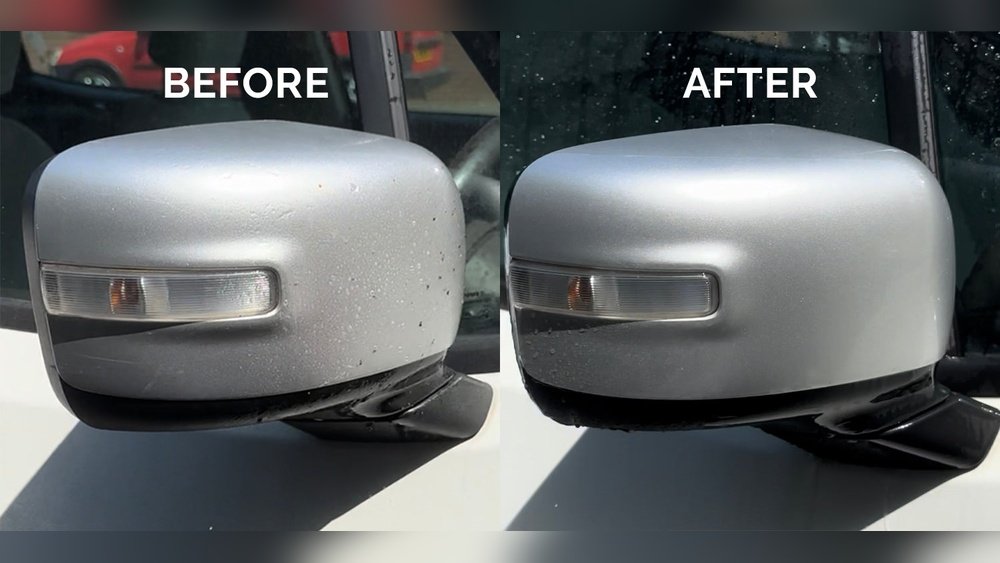
Are your side mirrors and camera sensors covered with stubborn bugs and grime? This can block your view and interfere with important safety features, making your drives less safe and more stressful.
You need a reliable bug remover that cleans thoroughly without damaging these sensitive parts. You’ll discover the best solutions to keep your side mirrors and camera sensors spotless and fully functional. Say goodbye to annoying bug splatters and hello to clearer, safer driving.
Keep reading to find out how you can protect your car and enjoy a cleaner, safer ride every time.
Choosing Bug Removers
Choosing the right bug remover is essential for keeping side mirrors and camera sensors clean. Bugs and dirt can block your view and affect camera accuracy. Using the right product makes cleaning easier and protects delicate surfaces. Consider the type of surface and the remover’s ingredients before buying. Proper care keeps your vehicle looking great and working well.
Top Products For Side Mirrors
Side mirrors need products that remove bugs without scratching. Many bug removers are designed for glass and plastic surfaces. Turtle Wax Bug and Tar Remover is a popular choice for its effectiveness and gentle formula. Meguiar’s Bug & Tar Remover also cleans well and prevents damage. These products dissolve bug residue quickly and leave no streaks.
Best Cleaners For Camera Sensors
Camera sensors are sensitive and require special cleaners. Use products made for electronics or lenses to avoid damage. LensPen SensorKlear II Sensor Cleaner is one of the safest options. It removes bugs and dust without harming the sensor. Avoid harsh chemicals that can corrode or cloud the camera lens. Gentle cleaning keeps sensors clear and functional.
Natural Vs Chemical Solutions
Natural bug removers use ingredients like vinegar or citrus extracts. These are safer for the environment and less harsh on surfaces. Chemical solutions often work faster but may contain strong solvents. Some chemicals can damage paint or plastic if used improperly. Natural options suit light cleaning, while chemicals handle tough bug stains. Choose based on your cleaning needs and surface type.
Credit: www.samsclub.com
Preparing Side Mirrors And Sensors
Preparing side mirrors and camera sensors is essential before applying any bug remover. Dirt and bugs can block visibility and sensor accuracy. Proper cleaning ensures the remover works effectively without damaging parts. Taking time to prepare these components helps maintain your vehicle’s safety features.
Removing Loose Dirt And Debris
Start by wiping side mirrors and sensors with a soft cloth. Use gentle strokes to avoid scratching the surfaces. Remove loose dirt, dust, and debris carefully. Avoid harsh scrubbing that can damage glass or plastic parts. A mild soap solution with water works well for initial cleaning. Rinse with clean water and dry with a microfiber towel. This step clears the surface for the bug remover to work better.
Protecting Sensitive Components
Side mirrors and camera sensors have delicate parts. Avoid spraying cleaning products directly onto sensors. Instead, apply bug remover to a cloth first. Gently wipe around the sensor areas without applying pressure. Cover electrical connections if possible to prevent moisture entry. Use protective tape or plastic covers for extra safety. Ensuring these components stay dry prevents malfunction and costly repairs.
Step-by-step Cleaning Process
Cleaning side mirrors and camera sensors removes bugs and grime that block vision. Follow a clear step-by-step process for the best results. Proper cleaning keeps your mirrors and sensors working well and safe.
Applying Bug Remover Safely
Choose a bug remover made for car surfaces and sensors. Spray or apply a small amount on the affected area. Avoid soaking the sensor or mirror to protect the electronics. Let the remover sit for a minute to loosen bugs and dirt.
Using Soft Cloths And Tools
Use a soft microfiber cloth to wipe the mirrors and sensors gently. Avoid rough materials that can scratch the surface. For hard-to-reach spots, use a soft brush or cotton swab. Clean in small circular motions to lift bugs without damage.
Rinsing And Drying Techniques
Rinse the cleaned area with clean water to remove any residue from the remover. Use a gentle stream or a damp cloth. Dry the mirrors and sensors with a dry microfiber cloth. Make sure no water spots remain to keep the surface clear.
Dealing With Stubborn Residue
Stubborn residue from bugs and tar can ruin the look of side mirrors and camera sensors. These spots are hard to clean with just water or soap. They often leave marks that block your view or camera clarity. Proper removal is key to keeping your car safe and looking good.
Effective Tar And Bug Removal Tips
Start by softening the residue with warm water. Let it sit for a few minutes. Use a soft cloth or sponge to avoid scratching surfaces. Gently rub the affected area in small circles. Avoid harsh scrubbing, which can damage sensors or mirror coatings.
For thick tar, use a plastic scraper carefully. Do not use metal tools, as they can cause scratches. Repeat the process if some residue remains. Clean the area with a mild soap solution afterward. Dry with a microfiber cloth to prevent water spots.
Using Alcohol And Specialty Sprays
Isopropyl alcohol helps dissolve sticky bug remains. Apply it on a soft cloth, not directly on the sensor or mirror. Wipe gently to remove residue without harming parts. Specialty bug and tar removers are made for tough spots.
Follow product instructions for the best results. Spray on the residue and wait a few minutes. Then wipe with a clean cloth. These sprays break down bugs and tar quickly. Always test on a small area first to check for damage.
Preventing Future Build-up
Keeping side mirrors and camera sensors clean improves visibility and safety. Preventing bug build-up saves time and effort on cleaning. Simple steps can reduce grime and insect residue on these parts.
Protective Coatings And Sprays
Applying protective coatings creates a smooth surface on mirrors and sensors. These coatings repel bugs and dirt, making cleaning easier. Use sprays designed for automotive glass and sensors. They help water and debris slide off quickly. Regular use of these products extends the cleanliness of your mirrors and cameras.
Regular Maintenance Schedule
Set a routine to clean side mirrors and sensors weekly. Use bug remover products to avoid hard-to-remove stains. Check for spots after long drives or rain. Wiping surfaces gently prevents scratches and damage. Consistent care keeps your vehicle’s safety features working well. A small effort regularly saves big cleaning jobs later.
Credit: www.ebay.com
Handling Spider Infestations
Spider infestations around side mirrors and camera sensors can be a common issue. Spiders build webs in these areas, which block visibility and sensor function. Removing spiders carefully is important to keep your vehicle’s safety features working well. Use gentle methods to avoid harming the equipment or creating new problems.
Safe Spider Killers For Mirrors
Choose spider killers that do not damage glass or paint. Look for sprays made for automotive use. These sprays kill spiders without leaving harmful residues. Avoid harsh chemicals that can cloud mirror surfaces. Natural options like vinegar or soapy water can also work. Apply the spray lightly and wipe away webs with a soft cloth. Repeat if needed but do not overuse.
Avoiding Damage To Sensors
Camera sensors are delicate and must be handled with care. Avoid using abrasive tools that scratch sensor lenses. Do not spray liquids directly onto sensors. Instead, spray on a cloth and gently clean the surface. Use bug removers that are safe for electronics and glass. Regular cleaning helps prevent buildup that attracts spiders. Keep sensors dry after cleaning to maintain their function.
Common Mistakes To Avoid
Frost on side mirrors creates a safety risk. It blocks your view and slows down your drive. Clearing frost quickly keeps mirrors clear and helps you stay alert on the road. Here are simple tips to handle frosted side mirrors and keep them clean.
Using Isopropyl Alcohol
Isopropyl alcohol melts frost fast. Dampen a soft cloth with it. Wipe the mirror surface gently. Avoid spraying alcohol directly on electronic parts. The alcohol evaporates quickly and leaves no streaks. This method works well early in the morning or during cold nights.
Preventing Frost Build-up
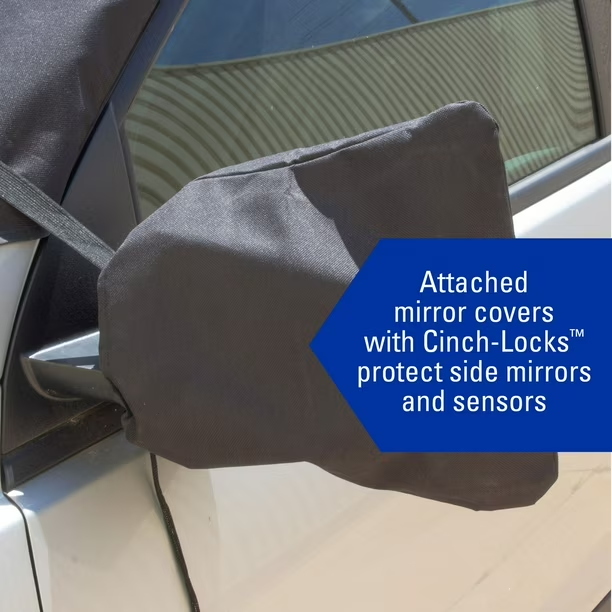
Cover your side mirrors before frost hits. Use mirror covers or plastic bags to block moisture. Parking in a garage also helps reduce frost. Applying a thin layer of anti-frost spray can stop ice from forming. Regular use of bug remover keeps mirrors clear of dirt, helping sprays work better.
Credit: www.bestbuy.com
Frequently Asked Questions
How To Get Rid Of Spiders In Car Side Mirrors?
Spray spider killer or use glass cleaner like Windex on side mirrors. Move power mirrors inward to disrupt webs. Clean regularly to prevent spiders.
What Is The Best Bug Remover For Your Car?
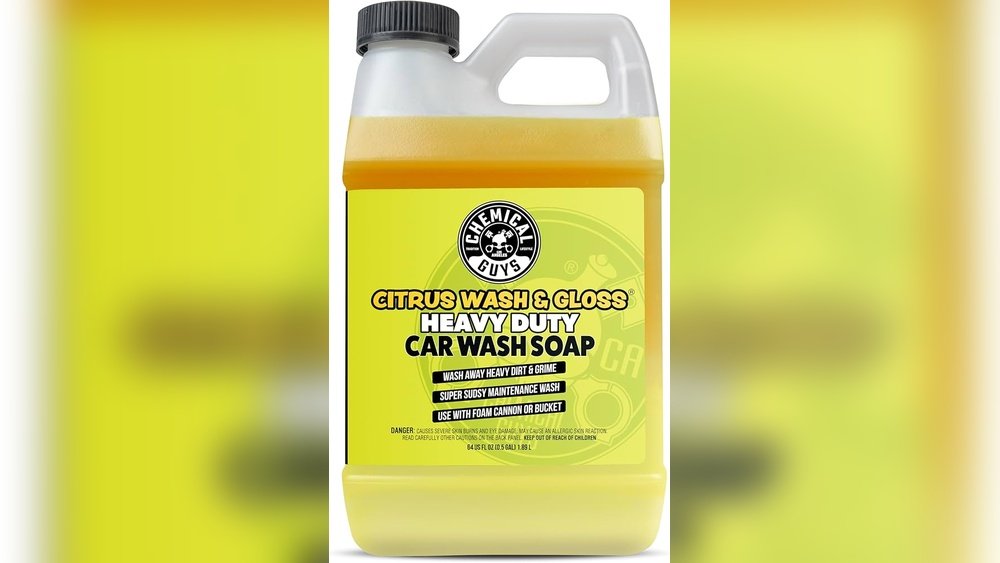
The best bug remover for your car includes Meguiar’s Bug & Tar Remover, Turtle Wax Bug and Tar Remover, and Chemical Guys Bug and Tar Remover. These products effectively remove bugs, tar, and grime without damaging your car’s paint or sensors.
Can I Use Rainx On Side Mirrors?
Yes, you can use Rain-X on side mirrors. It improves visibility by repelling water and prevents fogging effectively.
What Is Extreme Bug And Tar Remover By Armor All?
Armor All Extreme Bug & Tar Remover effectively removes bugs, tar, and road grime while protecting your car’s wax and shine.
Conclusion
Keeping side mirrors and camera sensors clean improves driving safety and visibility. Using a good bug remover helps remove dirt and debris fast. Choose products designed to protect delicate surfaces without damage. Regular cleaning prevents buildup and keeps sensors working well.
A clean mirror and sensor mean clearer views and safer trips. Simple care makes a big difference on the road. Try a trusted bug remover to keep your car looking and working its best. Clean mirrors and sensors help you drive with confidence every day.