Have you ever wondered why your car’s surface still looks grimy after using a cleaner? Or maybe you’re confused about whether to grab a bug remover or a degreaser for that stubborn mess on your ride.
You’re not alone. Both products promise to clean, but they serve very different purposes—and using the wrong one can damage your vehicle’s finish or leave residue behind. You’ll discover the key differences between bug removers and degreasers, when to use each, and how to protect your car while keeping it spotless.
Keep reading to make sure you choose the right product for your cleaning needs every time.
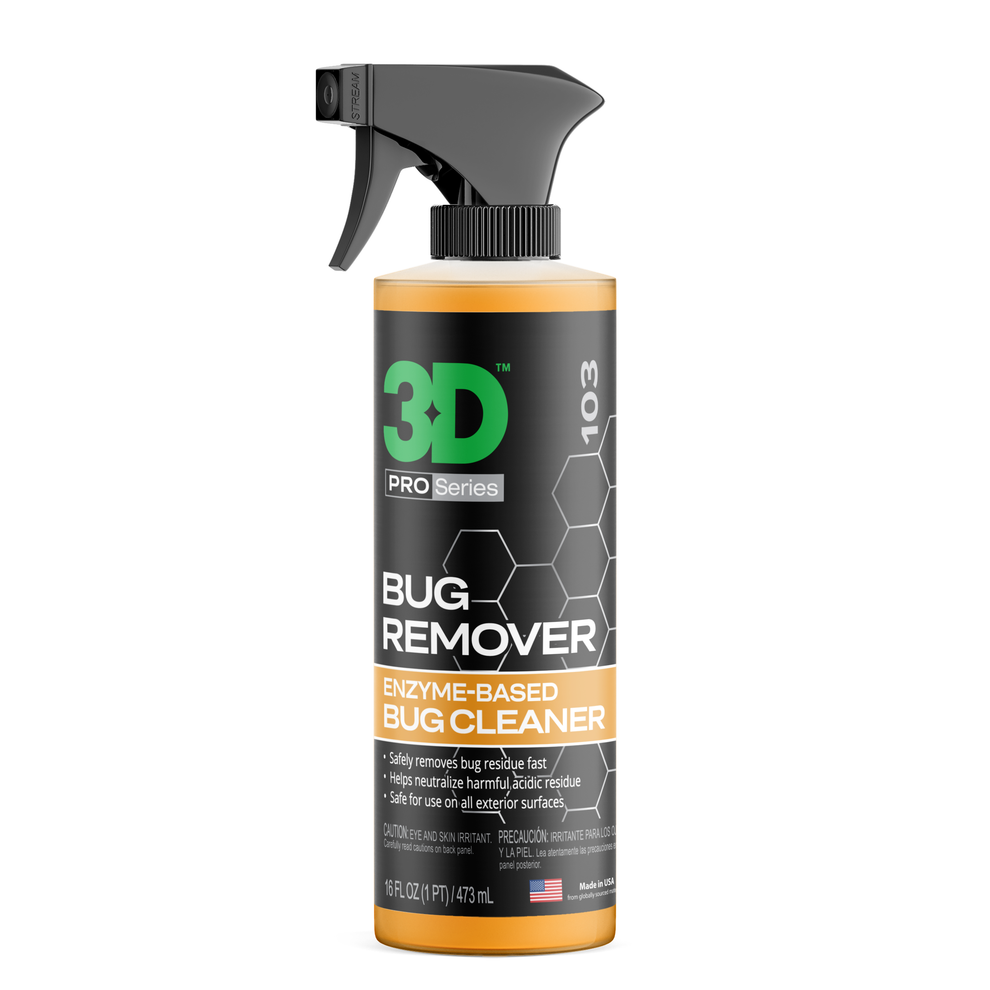
Credit: 3dproducts.com
Bug Remover Basics
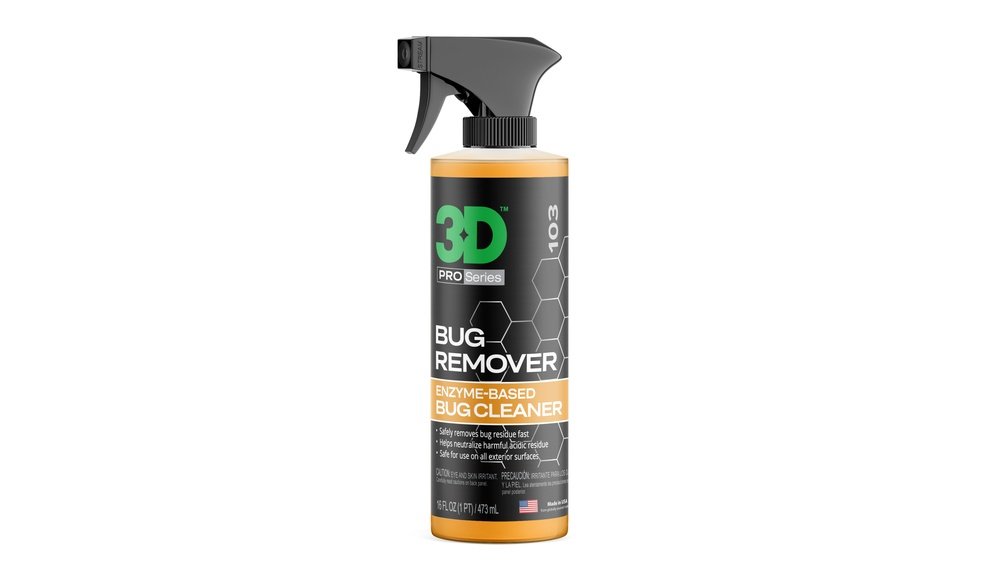
Bug removers are special cleaners made to clear away insect residues. These residues stick to cars and bikes after driving. Bug remover basics help understand how these products work and when to use them. This knowledge helps keep vehicles clean without damage.
Purpose And Uses
Bug removers target insect remains on vehicle surfaces. They dissolve dried bug splatter and road grime quickly. Use bug removers on windshields, bumpers, and grills. They restore shine and prevent paint damage. Bug removers also help avoid staining from bug acids.
Common Ingredients
Bug removers contain gentle solvents and surfactants. These ingredients break down bug remains without harsh abrasion. Some formulas include mild detergents to lift dirt. They often have water-based solutions for easy rinsing. These ingredients balance cleaning power with surface safety.
When To Apply
Apply bug remover soon after driving through bug-heavy areas. Fresh residues are easier to remove and less likely to stain. Use bug remover before washing the vehicle for best results. Avoid letting bug splatter dry for too long. Regular use keeps paint smooth and clean.
Degreaser Essentials
Degreasers are powerful cleaning agents designed to tackle tough grease and grime. They break down oily substances that regular cleaners cannot remove. Understanding their key features helps you choose the right product for your needs.
This section covers what degreasers remove, their typical formulations, and where they work best.
What It Removes
Degreasers remove oils, grease, and dirt from surfaces. They dissolve stubborn residues left by cooking, machinery, or automotive parts. These cleaners also cut through tar, wax, and other sticky substances.
Typical Formulations
Most degreasers contain solvents, surfactants, and alkaline agents. Solvents dissolve oils while surfactants help lift dirt. Alkaline ingredients neutralize acidic grime and break down grease effectively. Formulations vary from water-based to solvent-based types.
Ideal Applications
Degreasers work well on metal parts, engine bays, kitchen surfaces, and floors. They are common in automotive, industrial, and household cleaning. Avoid using degreasers on sensitive materials like painted surfaces, rubber, and leather to prevent damage.
Key Differences
Understanding the key differences between bug removers and degreasers helps you choose the right cleaner. Both products serve different purposes and have unique formulas. Knowing these distinctions ensures better cleaning results and protects your surfaces.
Targeted Contaminants
Bug removers are designed to eliminate insect remains and road film. They focus on sticky residues left by bugs and tar on vehicles. Degreasers target oil, grease, and heavy dirt build-up. They work well on engines and greasy surfaces but are less effective on bug stains.
Chemical Strength
Bug removers usually have a milder chemical formula. They break down organic matter without harsh effects. Degreasers contain stronger chemicals to dissolve tough grease and oil. Their powerful formulas can damage delicate surfaces if used carelessly.
Surface Compatibility
Bug removers are safe for painted surfaces and clear coats. They clean without stripping wax or dulling finishes. Degreasers may harm plastics, rubber, and painted parts. Testing on a small area is important before full use. Avoid degreasers on sensitive materials like leather and fabric.
Credit: www.lysol.com
Surfaces To Avoid
Choosing the right cleaner means knowing where not to use bug removers or degreasers. Both products are powerful but can harm certain surfaces. This section highlights surfaces to avoid for safe and effective cleaning.
Sensitive Materials
Bug removers and degreasers often contain strong chemicals. These can damage plastics, rubber, leather, and fabric. Using them may cause discoloration or cracking. Painted surfaces are also at risk. They might lose shine or get scratched. Always test cleaners on a small hidden spot first.
Electrical Components
Electrical parts are delicate and need extra care. Spraying bug remover or degreaser directly can cause short circuits. Avoid applying these products on fuse boxes, sensors, or alternators. Moisture can lead to corrosion or malfunction. Use special electrical cleaners designed for these parts.
Hot Engines And Food Surfaces
Never apply degreasers or bug removers on hot engines. The heat can cause harmful fumes and damage engine parts. Let the engine cool before cleaning. Food preparation areas need gentle cleaners. Residues from these products can contaminate food. Always rinse thoroughly to remove any chemical traces.
Safety Tips
Using bug removers and degreasers safely protects your health and your vehicle. Both chemicals can be strong and cause harm if used carelessly. Follow safety tips to avoid accidents and damage.
Testing First
Always test the product on a small, hidden area first. Check for discoloration or damage before full use. This step prevents ruining paint or delicate surfaces.
Proper Ventilation
Use bug removers and degreasers in well-ventilated spaces. Open windows or work outdoors to avoid inhaling fumes. Good airflow reduces health risks from strong chemicals.
Protective Gear
Wear gloves and eye protection when applying these cleaners. Avoid skin contact and eye irritation. Protective gear keeps you safe from burns or allergic reactions.
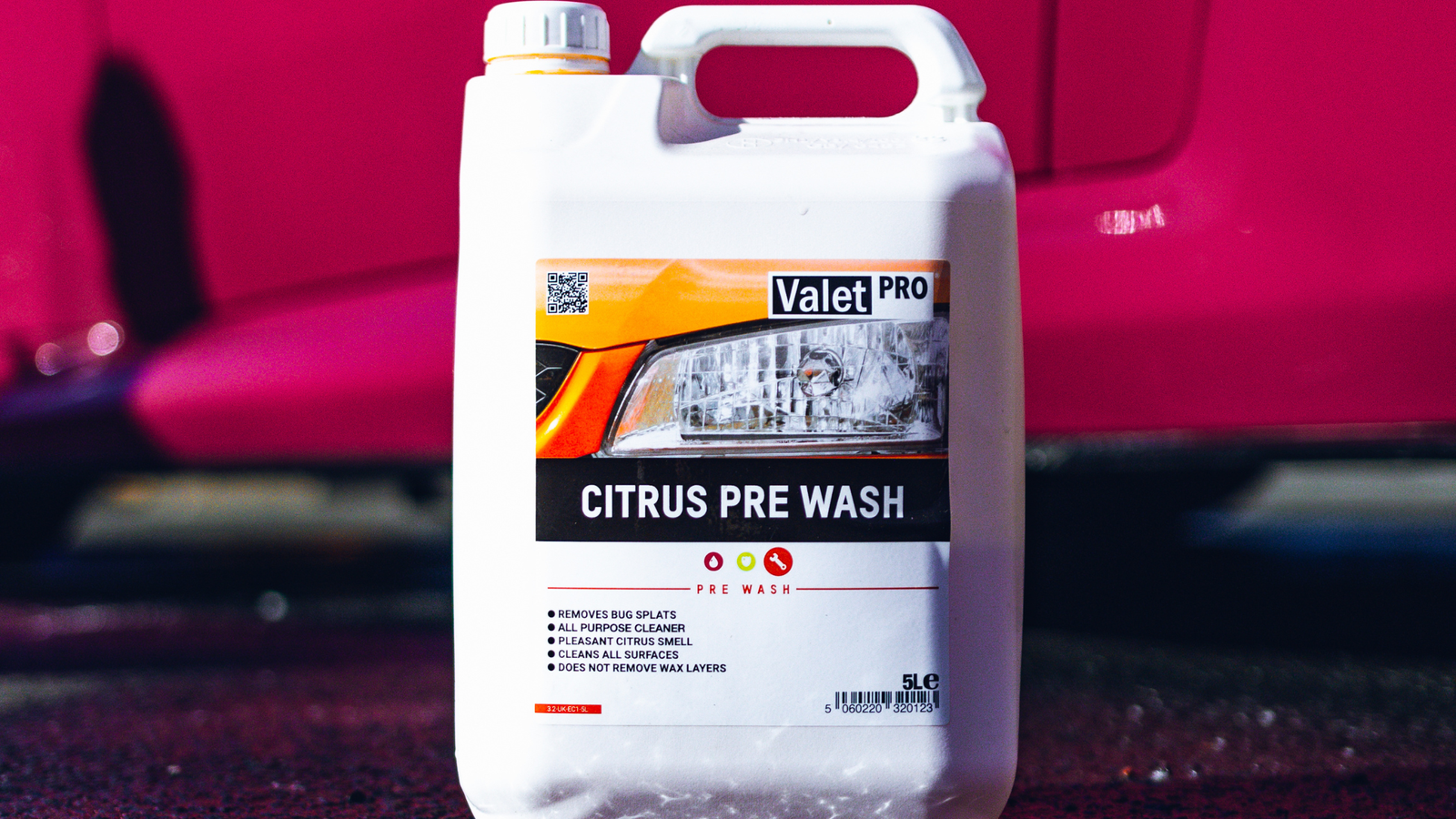
Credit: www.mycarcleaning.co.uk
Application Techniques
Application techniques play a crucial role in the effectiveness of both bug removers and degreasers. Using the right method ensures thorough cleaning without damaging the surface. Understanding how to apply these products correctly helps protect your vehicle or equipment.
Correct Usage For Bug Remover
Apply bug remover on a cool surface to avoid streaks. Spray a light layer directly onto the bug spots. Let it sit for a few minutes to soften the residue. Use a soft cloth or sponge to gently wipe away the bugs. Avoid harsh scrubbing to prevent paint scratches. Rinse the area with water to remove any leftover product. Repeat the process if stubborn spots remain.
Safe Degreaser Application
Use degreaser in a well-ventilated area to avoid fumes. Spray degreaser on greasy or oily spots only. Let the product sit for a short time, usually 3 to 5 minutes. Do not allow the degreaser to dry on the surface. Use a brush or cloth to scrub away grease softly. Test the degreaser on a small area first to check for damage. Avoid using degreaser on sensitive surfaces like rubber or painted parts.
Rinsing And Cleanup
Rinse all treated surfaces thoroughly with clean water. Removing residues prevents damage and streaking. Use a hose or bucket to wash away the cleaner completely. Dry the surface with a clean microfiber cloth to avoid water spots. Proper cleanup extends the life of your vehicle’s finish. Always dispose of runoff water responsibly to protect the environment.
Common Mistakes
Common mistakes often happen when people confuse bug removers with degreasers. Both products clean tough residues, but they work differently. Using the wrong product or applying it incorrectly can harm surfaces. Understanding these errors helps keep your car or equipment safe and clean.
Using Degreaser On Delicate Surfaces
Degreasers are strong and designed for heavy grime. Applying them on delicate surfaces like painted areas or plastics can cause damage. Paint can dull or peel, and plastics may crack or soften. Bug removers are gentler and better for these sensitive spots. Always check the product label before use.
Ignoring Surface Sensitivities
Not all surfaces react the same to cleaning agents. Some materials, such as leather or rubber, are sensitive to chemicals in degreasers. Ignoring these sensitivities leads to discoloration or material breakdown. Testing a small hidden area first prevents costly mistakes. Choose the right product for each surface type.
Overuse And Residue Issues
Applying too much degreaser or bug remover can leave sticky residues. These leftovers attract dirt and make surfaces look worse. Overuse can also cause streaks or film buildup. Use products sparingly and rinse well with water. Proper application ensures a clean, shiny finish without damage.
Choosing The Right Product
Choosing the right product for cleaning can save time and protect surfaces. Bug removers and degreasers serve different purposes. Knowing which one fits your task ensures better results and avoids damage.
Matching Cleaner To Task
Bug removers are designed to dissolve insect remains and road grime. They work well on painted car surfaces and windshields. Degreasers target oily, greasy build-up. Use them on engines, tools, and metal parts. Picking the correct cleaner means less scrubbing and less risk of harm.
Cost Vs Effectiveness
Bug removers tend to be gentler and cost slightly more. Degreasers are often cheaper but stronger. Stronger products can damage delicate surfaces if misused. Consider how often you clean and the types of dirt. A more expensive cleaner may last longer and protect surfaces better.
Brand Recommendations
Choose brands known for quality and safety. Popular bug removers include those from Turtle Wax and Meguiar’s. For degreasers, brands like Simple Green and Gunk are reliable. Read product labels carefully. Match the cleaner to your specific needs for best results.
Frequently Asked Questions
What Should You Not Use Degreaser On?
Avoid using degreasers on plastics, rubber, painted surfaces, leather, fabric, brakes, electrical parts, natural stone, glass, hot engines, and food-contact areas without thorough rinsing. Always test first to prevent damage, discoloration, or contamination.
What Is A Bug Remover?
A bug remover is a concentrated cleaner that eliminates insect remains, road tar, and residues from automotive surfaces quickly and safely.
When To Use Bug Remover?
Use bug remover immediately after insect residue appears on your vehicle. It prevents acidic damage to paint and clear coat surfaces.
What Does Degreaser Remove?
A degreaser removes grease, oils, wax, dirt, carbon, soot, fingerprints, cutting fluids, and other tough contaminants from surfaces.
Conclusion
Bug removers and degreasers serve different cleaning needs. Bug removers target insect residues and road grime quickly. Degreasers focus on heavy oils, grease, and tough dirt. Use bug removers soon after insect splatter to protect paint. Choose degreasers for engine parts and oily surfaces, but avoid delicate materials.
Always test cleaners on small areas first. Knowing these differences helps keep your vehicle clean and safe. Choose the right product for each cleaning task. Simple care extends your vehicle’s appearance and life.