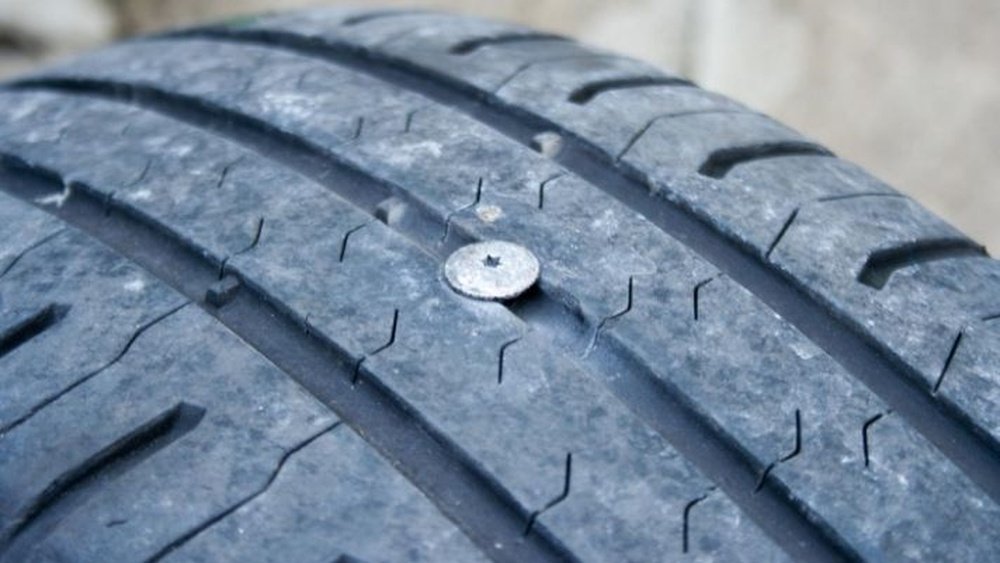
Imagine you’re driving and suddenly notice a nail stuck in your tire. What should you do next?
Can you keep driving safely, or is it a risk you shouldn’t take? This is a question many drivers face, and the answer isn’t always simple. Your safety—and the safety of everyone on the road—depends on understanding when it’s okay to drive a little further and when you must stop immediately.
You’ll learn exactly how to handle a nail in your tire, how far you can drive with it, and the steps to take to avoid costly damage or dangerous blowouts. Keep reading to protect yourself, your car, and your peace of mind.

Credit: metropolitangarage.com
Driving With A Nail In Your Tire
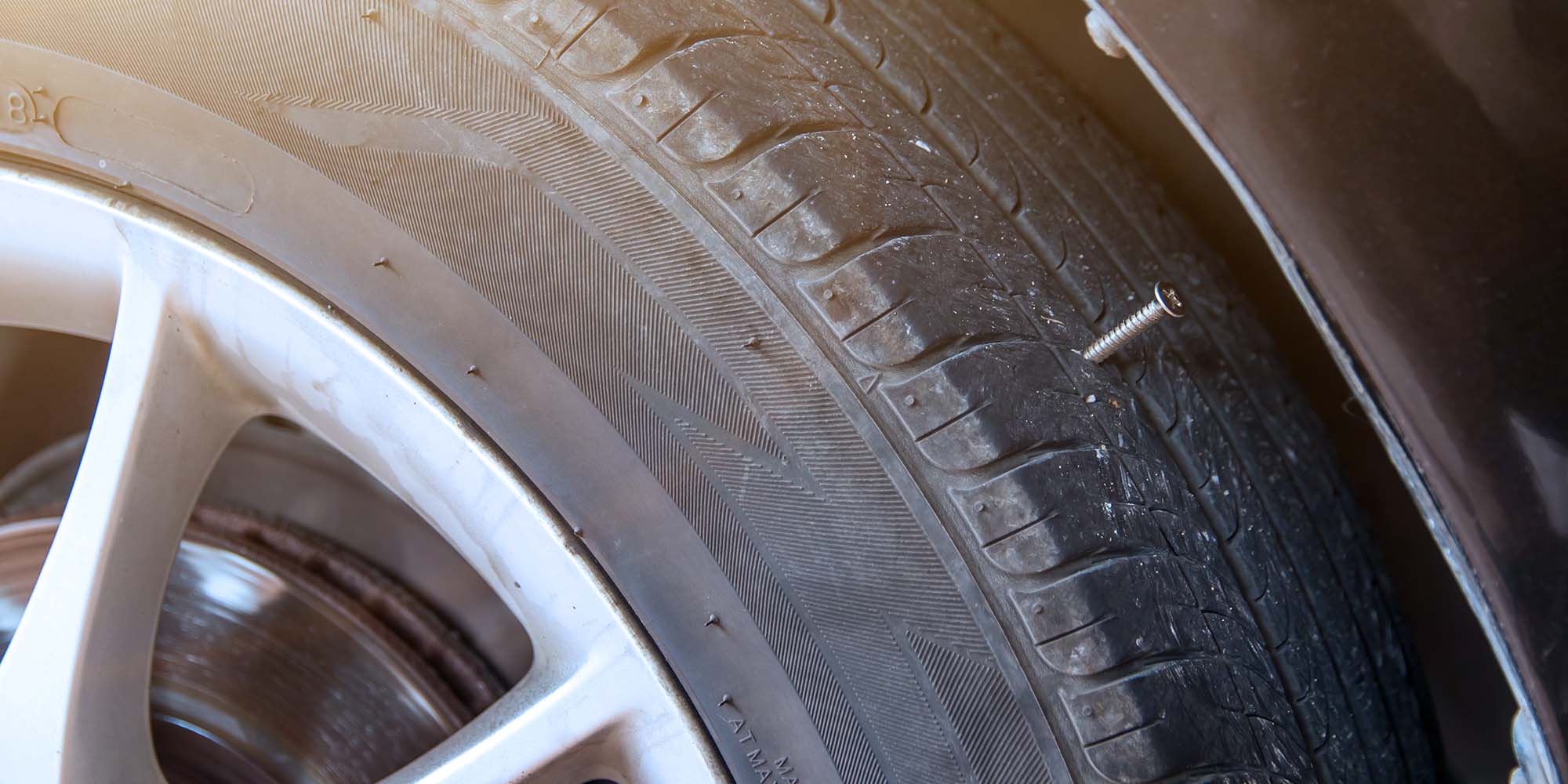
Driving with a nail in your tire can be risky. The safety depends on the nail’s position and how fast the tire loses air. A nail in the tread area usually causes a slow air leak. This allows you to drive for a limited distance to get it repaired. Knowing the signs and safety tips helps prevent accidents and further damage.
Slow Air Leak And Tread Area Safety
A nail in the tread area often causes a slow air leak. The tire may lose air gradually, giving you time to notice the problem. Driving with a slow leak is possible if the tire pressure stays stable for some time. The tread area is safer to drive on compared to the sidewall. The sidewall is weaker and more prone to damage. A nail in the sidewall requires immediate tire replacement. Always check the tire pressure regularly when you spot a nail. Proper pressure helps maintain control and reduces risks.
Limited Distance Driving Tips
Drive only a few miles to a tire repair shop. Avoid high speeds and sudden stops to reduce stress on the tire. Keep the tire inflated to the recommended pressure. Use a spare tire if available for longer trips. Avoid driving on rough roads or potholes. Monitor the tire pressure often during the trip. If the tire loses air quickly, stop driving immediately. Getting professional help as soon as possible is important. Temporary fixes like sealants should not replace proper repairs.
When To Stop Driving Immediately
Driving with a nail in your tire can be risky. Some situations need you to stop right away. Ignoring these signs may cause tire failure or accidents. Knowing when to stop helps protect you and your vehicle.
Watch for sudden changes in your tire’s condition. Safety comes first. Here are key reasons to stop driving immediately.
Rapid Air Loss Warning Signs
If your tire loses air quickly, stop driving. A fast flat tire feels different. You may notice the car pulling to one side or the steering becoming harder. A rapid air leak can cause a blowout. Do not ignore hissing sounds or sudden tire deflation.
Sidewall Damage Risks
A nail in the sidewall is dangerous. The sidewall has less strength than the tread. Damage here can cause tire failure without warning. Driving on a sidewall puncture risks a sudden blowout. Stop immediately if the nail is in this area.
Lack Of Spare Or Sealant
Do not drive if you lack a spare tire or sealant. Without these, you cannot fix or replace the tire on the spot. Continuing to drive may worsen the damage. It can leave you stranded or cause an accident. Always check your emergency tools before driving.
Steps To Take After Finding A Nail
Discovering a nail in your tire can be stressful. Knowing the right steps helps prevent further damage and keeps you safe. Acting quickly limits air loss and avoids tire failure. Follow these simple actions after spotting a nail to handle the situation properly.
Check Tire Pressure
Start by checking the tire pressure immediately. Use a pressure gauge to see if the tire is losing air. If the pressure is low, inflate the tire to the recommended level. Proper pressure helps maintain control and reduces damage risk. Repeat this check often until the tire gets fixed.
Drive Cautiously To Service
Drive slowly and carefully to the nearest service center. Avoid sudden stops, sharp turns, and high speeds. Keep your distance from other vehicles to stay safe. Only travel short distances to prevent the nail from causing a bigger leak. Stay alert for any changes in how the car handles.
Seek Professional Repair
Visit a tire repair shop as soon as possible. A professional can assess the nail’s location and damage. They may patch or plug the tire if it is safe to do so. Avoid using temporary fixes for long trips. Proper repair or replacement ensures your tire’s safety and performance.
Risks Of Driving With A Nail
Driving with a nail in your tire can cause serious problems. Even a small nail may lead to tire damage over time. The risks increase the longer you drive without fixing it. Understanding these risks helps protect you and your vehicle on the road.
Blowout Causes
A nail can create a slow air leak inside the tire. Over time, the tire loses air pressure without you noticing. Low pressure weakens the tire’s ability to hold the road. This can cause a sudden blowout while driving. Blowouts are dangerous and can lead to loss of control.
Underinflation Effects
Underinflated tires wear out faster than properly inflated ones. They cause uneven tread wear and reduce fuel efficiency. Low air pressure also makes steering less responsive. This increases the chance of accidents, especially at high speeds. Driving on an underinflated tire is unsafe and costly.
Structural Integrity Loss
The nail damages the tire’s internal structure. The metal cords and layers inside the tire weaken. This damage reduces the tire’s strength and durability. Over time, the tire becomes more prone to cracks and failures. Structural loss can cause sudden tire failure without warning.
Emergency Actions For Nail Punctures
Discovering a nail in your tire can cause worry. Knowing what to do next is crucial. Acting quickly can prevent accidents or costly damage. This section explains key emergency actions to take when facing a nail puncture.
Recognizing Critical Signs
Check the tire pressure immediately. A fast drop means a serious leak. Look for visible damage around the nail. If the tire sidewall is punctured, stop driving. Listen for hissing sounds from the tire. These signs show urgent problems needing quick response.
Using A Spare Tire
Locate your vehicle’s spare tire and tools. Replace the damaged tire with the spare carefully. Follow your owner’s manual instructions step-by-step. Drive slowly and avoid sharp turns after replacement. Remember, spares are temporary and not for long distances.
Avoiding Further Damage
Do not ignore the nail or delay repairs. Driving on a punctured tire can cause it to fail. Avoid high speeds and rough roads. Keep your driving smooth and steady. Visit a tire professional as soon as possible for repair or replacement.

Credit: www.reddit.com
Credit: lifelanes.progressive.com
Frequently Asked Questions
How Long Can You Drive On A Tire With A Nail In It?
You can drive a few miles on a tire with a slow air leak and nail in the tread. Stop immediately if air loss is rapid or the nail is in the sidewall. Inflate to proper pressure and visit a repair shop promptly for safety.
Can A Nail In Your Tire Cause A Blowout?
Yes, a nail can cause a blowout by creating air leaks that weaken tire pressure. Low pressure reduces tire strength, increasing blowout risk. Drive cautiously and repair the tire promptly to avoid sudden failure and ensure safety.
Is It Really Bad Driving With A Nail In My Tire?
Driving with a nail in your tire risks air leaks, blowouts, and unsafe handling. Drive slowly and fix it promptly.
How Urgent Is A Nail In A Tire?
A nail in a tire is urgent. Drive slowly to a repair shop immediately to avoid blowouts or loss of control.
Conclusion
Driving with a nail in your tire can be risky. Small slow leaks might allow short trips safely. Avoid high speeds and long drives to prevent damage. Check tire pressure often to catch air loss early. Visit a tire shop quickly for proper repair or replacement.
Don’t rely on temporary fixes for too long. Staying cautious helps keep you and others safe on the road. Always address tire damage promptly to avoid bigger problems later.