You want your car to look spotless without spending hours scrubbing every inch. Pressure washing seems like a quick fix, but is it really safe for your vehicle?
You might wonder if the powerful spray could harm your paint or sensitive parts. The truth is, pressure washing a car can be both a time-saver and a risk—depending on how you do it. You’ll discover exactly when and how to pressure wash your car without causing damage.
Keep reading to learn the smart tips that will protect your ride and leave it shining like new.
Pressure Washing Basics
Pressure washing offers a quick way to clean surfaces using high-pressure water. It can remove dirt, grime, and stains effectively. Understanding the basics helps decide if pressure washing suits your car cleaning needs.
Knowing how pressure washers work and the types available helps you use them safely. This knowledge prevents damage to your vehicle’s paint and parts while cleaning.
How Pressure Washers Work
Pressure washers force water out at high speed through a narrow nozzle. This strong jet removes dirt and grime from surfaces quickly. The water pressure is measured in PSI (pounds per square inch). Higher PSI means more cleaning power but also more risk of damage. Most pressure washers mix air with water to increase impact. A motor powers the pump that creates this pressure. The water flow rate, measured in GPM (gallons per minute), affects cleaning speed. Different nozzles control the spray pattern and pressure.
Types Of Pressure Washers
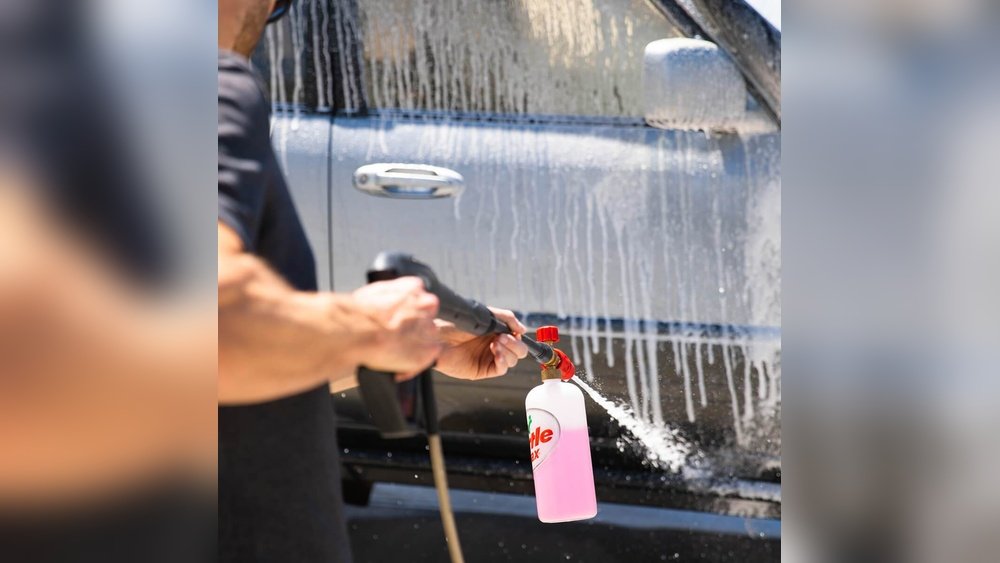
Pressure washers come in electric and gas-powered versions. Electric models are lighter, quieter, and easier to use. They suit light to medium cleaning tasks like washing cars. Gas-powered washers are stronger and better for heavy-duty jobs. They produce more pressure and water flow but are heavier and louder. Homeowners often choose electric washers for car cleaning. Commercial users prefer gas washers for tough cleaning. Some washers have adjustable pressure settings for different surfaces. Choosing the right type helps protect your car’s paint and parts during cleaning.
Credit: www.turtlewax.com
Safety Concerns
Pressure washing a car can save time and effort. Yet, it comes with safety concerns that need careful attention. Using too much pressure or the wrong technique may harm your vehicle. Understanding these risks helps protect your car and keeps it looking good.
Potential Damage To Paint
High-pressure water can chip or peel your car’s paint. Thin or damaged paint is more vulnerable to pressure washing. Using a narrow spray nozzle too close may leave swirl marks or scratches. Paint damage reduces your car’s shine and can lead to rust. Always test on a small area first to avoid costly repairs.
Risks To Electrical Components
Cars have many electrical parts exposed to water damage. Pressure washing can force water into sensors, wiring, or connectors. This may cause electrical failures or malfunctioning systems. Sensitive areas include headlights, engine bay, and door seals. Avoid spraying these parts directly to keep your car safe and functional.
Choosing The Right Equipment
Choosing the right equipment is key to pressure washing a car safely. The wrong tools can cause scratches or damage the paint. Using proper gear helps clean the car effectively without risk. Focus on the nozzle type and pressure settings for the best results.
Selecting The Ideal Nozzle
The nozzle controls the water spray shape and pressure. A wide spray nozzle, like a 25-degree or 40-degree, works best for cars. It spreads the water gently and covers a larger area. Avoid narrow nozzles, such as 0-degree or 15-degree, which can harm the paint. Always choose a nozzle designed for delicate surfaces.
Pressure Settings For Cars
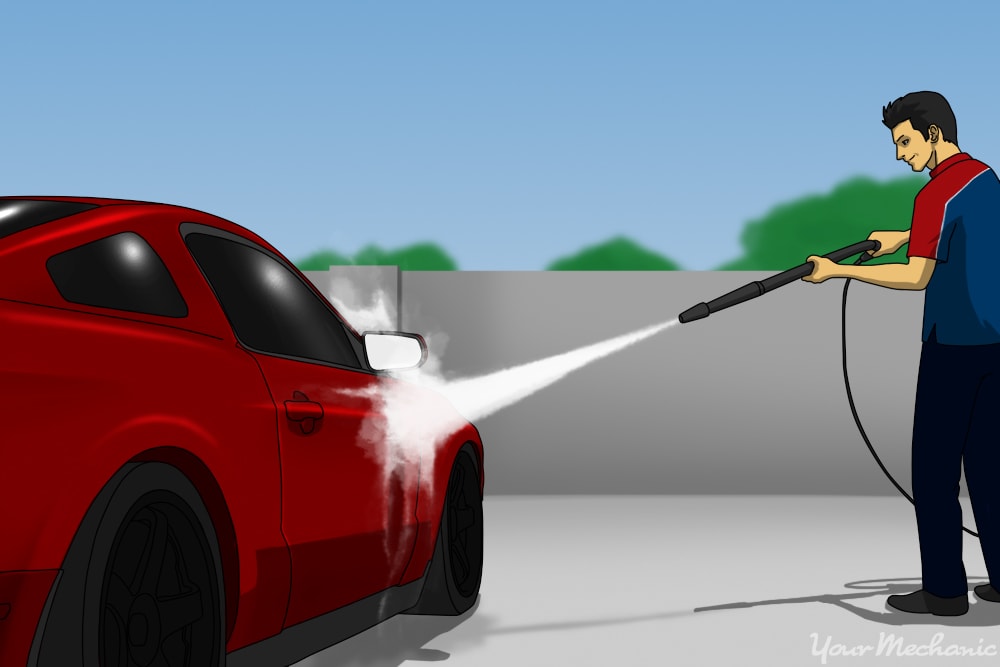
Cars need low to medium water pressure to stay safe. Set the pressure between 1200 and 1900 PSI for effective cleaning. Higher pressure can strip wax, damage paint, or force water into electrical parts. Start with low pressure and increase only if necessary. Keep the nozzle at least 12 inches from the car surface to avoid harm.
Credit: www.yourmechanic.com
Step-by-step Pressure Washing
Pressure washing a car can make cleaning quick and efficient. Doing it right protects your paint and parts. Follow these simple steps to pressure wash safely and effectively. Each step helps you avoid damage and get a spotless finish.
Preparing Your Car
Start by rinsing off loose dirt with a hose or low-pressure spray. Close all windows and doors tightly. Remove or cover sensitive parts like mirrors and air intakes. Check the tire pressure and cover brake discs to prevent water damage.
Maintaining Proper Distance
Hold the pressure washer nozzle 12 to 18 inches away from the car’s surface. Keep the angle around 45 degrees to avoid direct force on paint. Too close can damage paint and trim. Keep the nozzle moving constantly to prevent water spots or streaks.
Effective Washing Techniques
Use a wide spray nozzle to avoid strong water jets. Start from the top and work downward for best results. Spray in smooth, overlapping motions to cover every area. Focus on wheels and lower panels last, as they are usually the dirtiest. Rinse off soap thoroughly to avoid residue.
Hand Washing Vs Pressure Washing
Choosing between hand washing and pressure washing your car involves understanding the benefits and risks of each method. Both clean your car but differ in technique, time, and care. Knowing when to use each can protect your vehicle’s paint and maintain its shine.
Advantages Of Hand Washing
Hand washing uses gentle tools like sponges and cloths. It reduces the risk of scratches and swirl marks. This method reaches tight spots that machines often miss. It allows you to check for damage or dirt buildup carefully. Hand washing uses less water, making it eco-friendly. It also gives you control over pressure and cleaning products. Many car owners prefer hand washing for better paint protection.
When To Use Pressure Washing
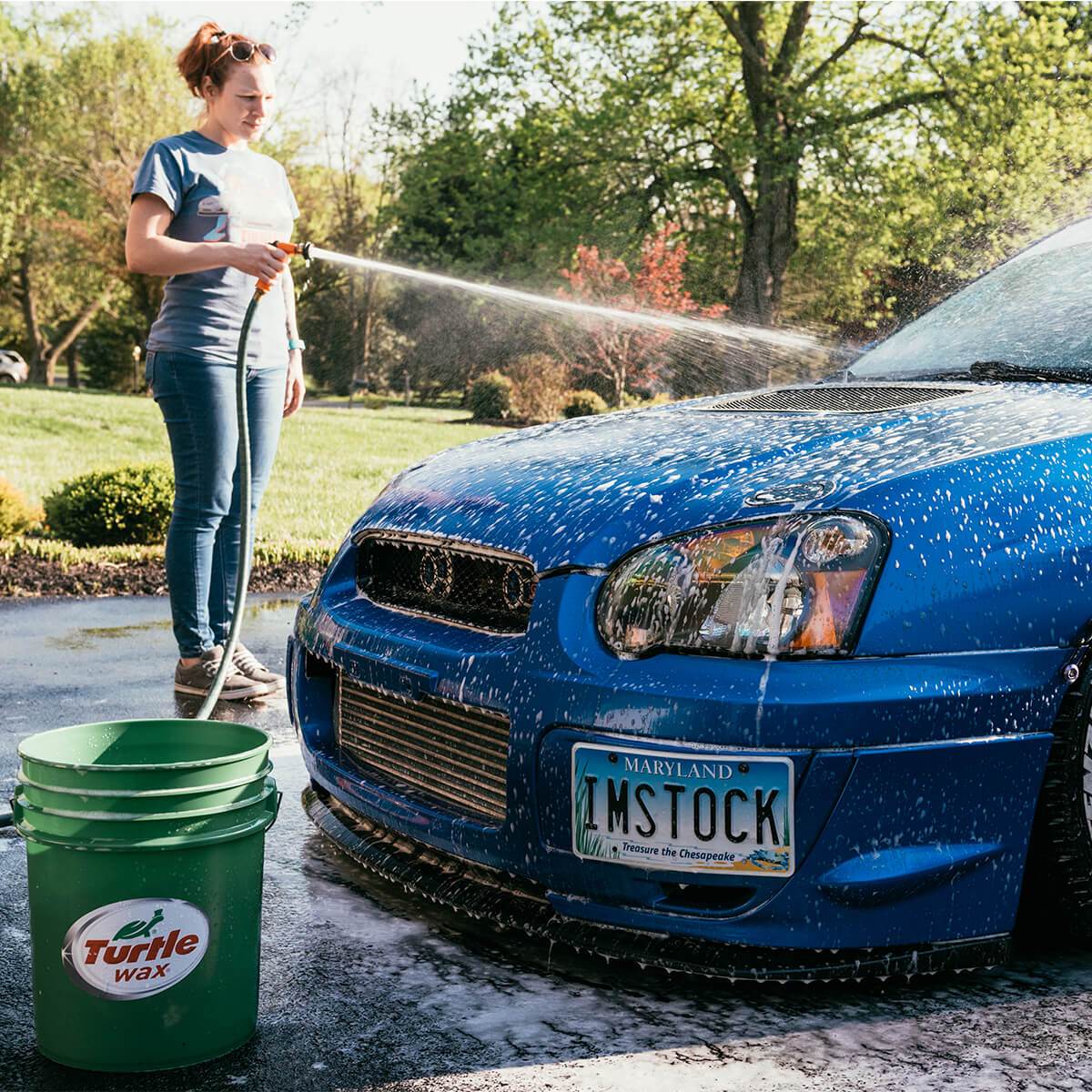
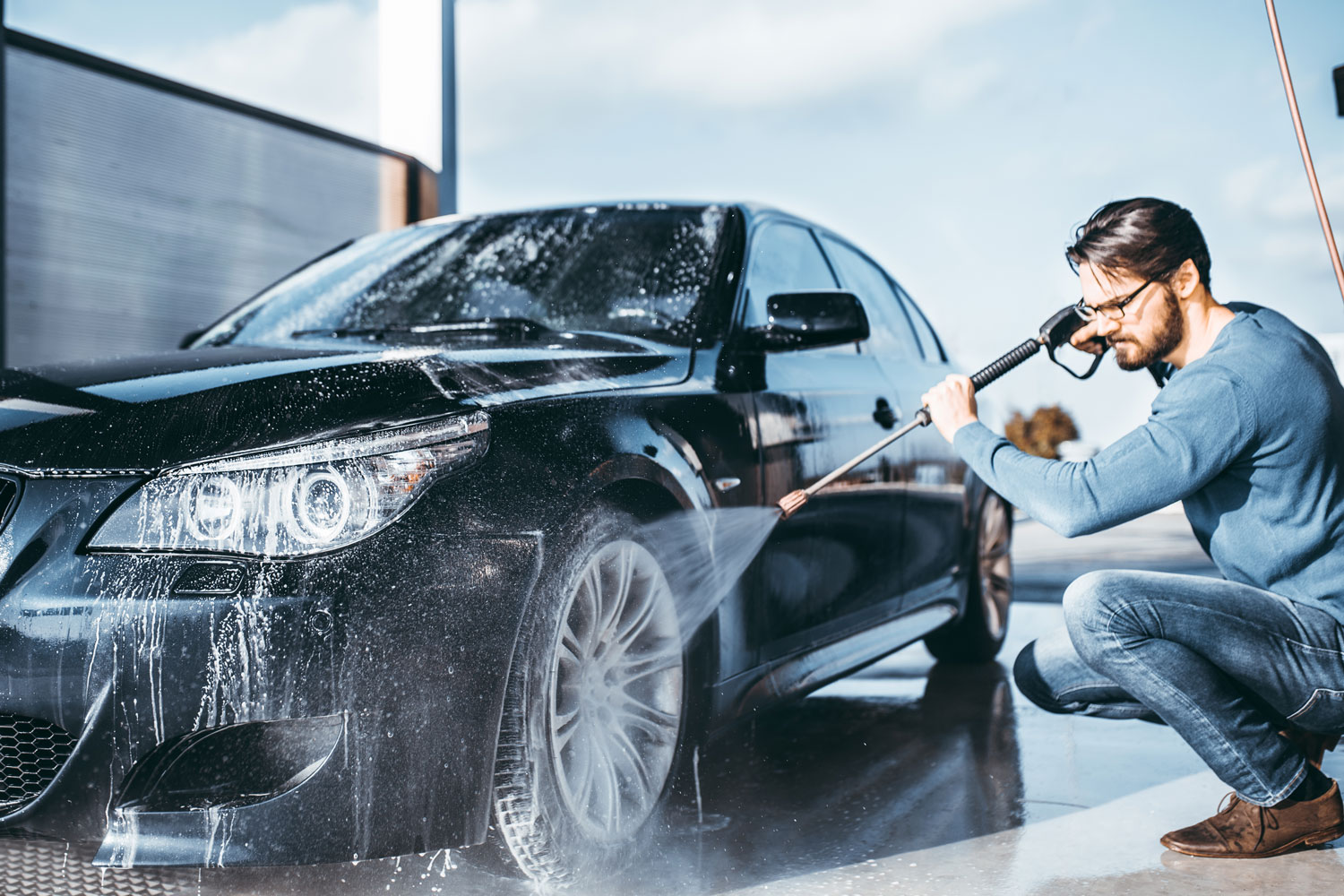
Pressure washing saves time on heavy dirt and mud. It quickly removes stubborn grime from large surfaces. Use low pressure settings to avoid paint damage. Keep the nozzle at least 12 inches from the car’s surface. Avoid spraying directly on sensitive parts like mirrors and electrical components. Pressure washing works well before hand washing for a deep clean. It suits cars with tough dirt but requires careful handling.
Credit: www.capitalone.com
Common Mistakes To Avoid
Pressure washing a car can save time and effort. Still, mistakes may cause damage or poor results. Knowing what to avoid helps protect your vehicle’s finish and parts. Here are common errors people make when pressure washing their cars.
Using Too Much Pressure
High water pressure can chip paint or break trim pieces. Avoid using the highest setting on your pressure washer. Use a lower pressure to clean dirt without harming the car’s surface. Hold the nozzle at least 12 inches away to reduce force. Too close, and the water can leave marks or damage the paint.
Ignoring Sensitive Areas
Some parts of your car need gentle care. Avoid spraying directly into electrical components like headlights or sensors. Steering clear of seals and weather stripping prevents water leaks inside the car. Pay attention to areas with decals or stickers. Pressure washing these may peel or damage them.
Alternatives To Pressure Washing
Pressure washing a car may seem quick and easy, but it carries risks like paint damage or water seeping into electrical parts. Many people want safer ways to clean their vehicles without using a pressure washer. Several alternatives offer effective cleaning while protecting your car’s finish and components.
These methods suit different needs and budgets. Some are fully automated, while others require minimal effort and no water at all. Exploring these options helps maintain your car’s look and value over time.
Automated Car Washes
Automated car washes use machines to clean your car quickly. Brushes, soft cloths, and jets spray water and soap. These systems control water pressure to avoid damage. They clean hard-to-reach spots like wheels and undercarriage. Most car washes also rinse and dry your car. Automated washes save time and reduce physical effort. They are widely available and affordable for regular use.
Waterless Car Wash Options
Waterless car wash products clean your car without water. You spray a special liquid on the surface and wipe it off with a microfiber cloth. These products lift dirt safely, avoiding scratches or swirl marks. Waterless washes save water and work well for lightly dirty cars. They are ideal for places with water restrictions. This method is quick, portable, and gentle on your vehicle’s paint.
Frequently Asked Questions
Is It Okay To Wash Your Car With A Pressure Washer?
Using a pressure washer on a car is safe if you use the correct nozzle and keep a proper distance. Avoid high pressure close to paint to prevent damage.
Is It Better To Hand Wash Or Pressure Wash A Car?
Hand washing cleans deeper and prevents swirl marks, protecting paint better. Pressure washing is faster but risks paint damage if misused. Use hand wash for thorough care and pressure wash cautiously to avoid harm.
Is It Better To Wash A Car At Home Or At A Car Wash?
Washing a car at home allows thorough cleaning and care, protecting paint better. Car washes offer convenience but may miss spots or cause minor damage. Choose based on your time, skill, and vehicle condition for best results.
Can You Just Pressure Wash A Car?
Yes, you can pressure wash a car, but use the correct nozzle and maintain distance to avoid paint damage.
Conclusion
Pressure washing a car can save time and effort. Use a low-pressure setting to protect the paint. Keep the nozzle at a safe distance from the surface. Avoid spraying sensitive parts like electrical components. Hand washing still offers the best control and care.
Choose the method that suits your car’s needs best. Clean cars look great and last longer. Stay careful and enjoy a sparkling ride!