Wondering if you can grab that all-purpose cleaner and freshen up your car seats? It’s a question many car owners ask because keeping your car’s interior spotless is important to you.
But before you spray and wipe, you need to know if that cleaner is safe for your seats or if it could cause damage. Using the wrong product might leave stains, discoloration, or even ruin the fabric. You’ll discover when an all-purpose cleaner works, what types of car seats it’s safe for, and the best way to get your seats looking fresh again without risking harm.
Keep reading—you’re about to learn simple tips that can save your seats and your wallet.
All-purpose Cleaner Basics
All-purpose cleaners are popular for many cleaning jobs. They offer a simple way to tackle dirt and grime. These cleaners can work on different surfaces and materials.
Knowing the basics helps decide if you should use an all-purpose cleaner on car seats. It also guides how to use them safely and effectively.
What Is All-purpose Cleaner
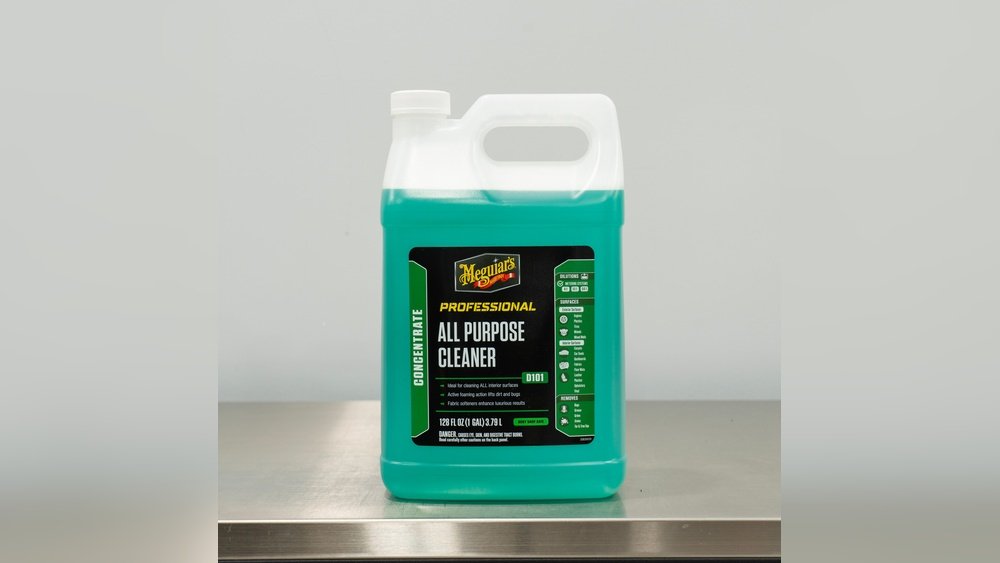
All-purpose cleaner is a liquid designed to clean multiple surfaces. It contains ingredients that break down dirt, grease, and stains. Most formulas are mild but effective. They often include detergents, solvents, and sometimes disinfectants. The cleaner can be sprayed, wiped, or scrubbed onto surfaces. It is made to be safe on many materials but always check the label first.
Common Uses In Car Care
In car care, all-purpose cleaners clean dashboards, door panels, and carpets. They remove dust, spills, and sticky residues. These cleaners work well on hard surfaces and some upholstery. For vinyl car seats, all-purpose cleaner usually works fine. Cloth seats may need special fabric cleaners to avoid damage. These cleaners help maintain the car’s look without harsh chemicals. Always test a small area before full use to prevent stains or fading.
Suitability For Car Seats
All-purpose cleaner (APC) offers convenience for many cleaning tasks. Its use on car seats depends on the seat material. Different materials react differently to cleaning agents. Choosing the right cleaner protects your seats and keeps them looking fresh. Understanding the suitability of APC for each seat type helps avoid damage and stains.
Types Of Car Seat Materials
Car seats come in vinyl, fabric, and leather. Vinyl seats have a smooth plastic surface. Fabric seats use woven cloth fibers. Leather seats are made from animal hide or synthetic leather. Each material needs specific care to stay clean and last longer.
Apc On Vinyl Seats
APC works well on vinyl seats. It removes dirt and stains without harming the surface. Use a diluted solution and a soft cloth for best results. Avoid strong scrubbing to prevent damage. Vinyl seats dry quickly after cleaning with APC.
Apc On Fabric Seats
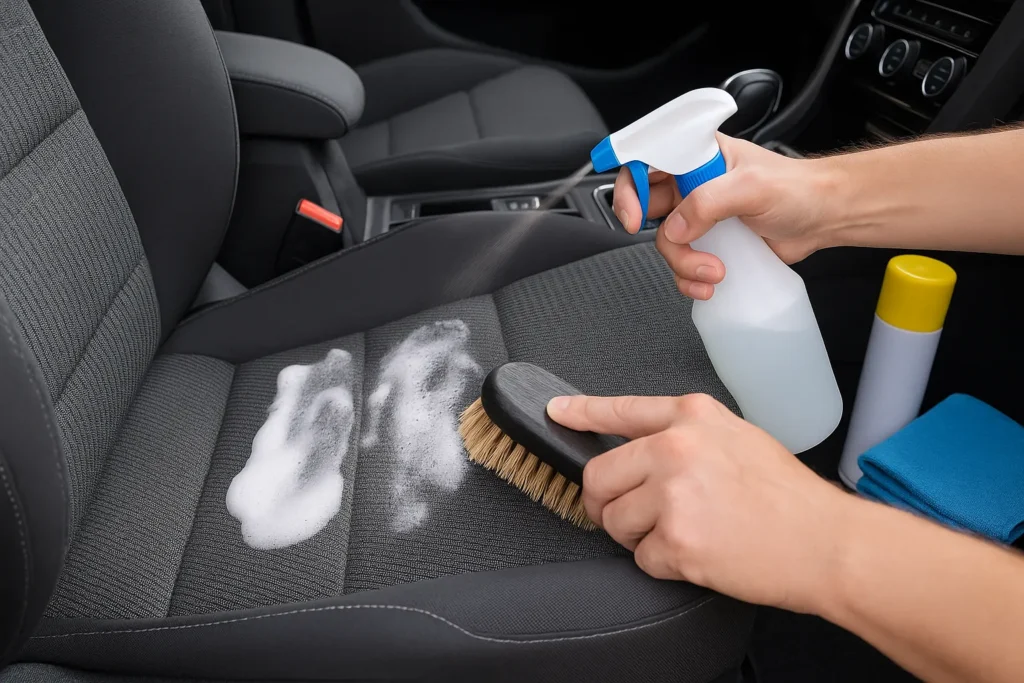
Fabric seats need more care with APC. Use a gentle, diluted APC formula to prevent fabric damage. Test on a small hidden area first. Apply APC with a soft brush to lift dirt. Rinse with clean water and blot dry to avoid water stains.
Apc On Leather Seats
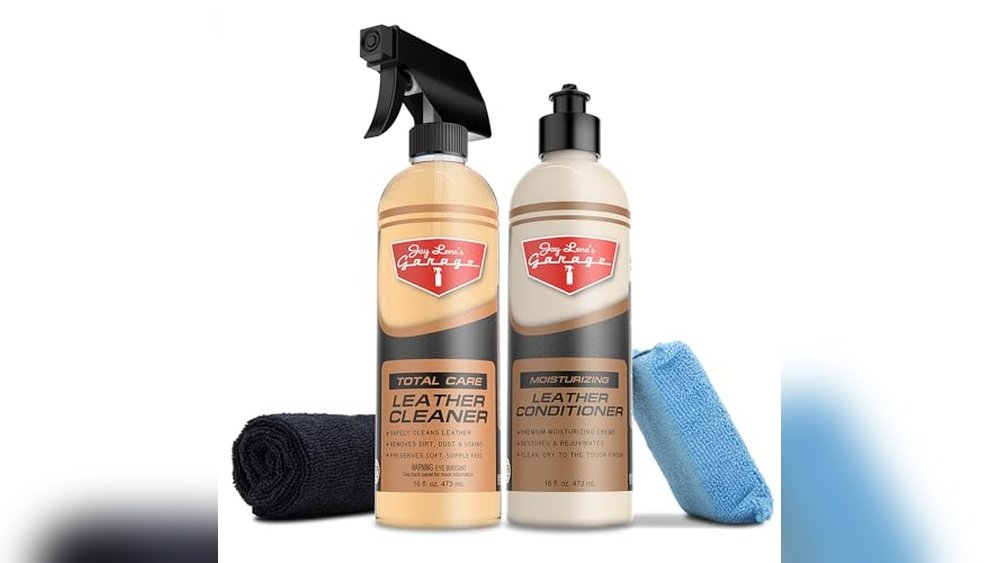
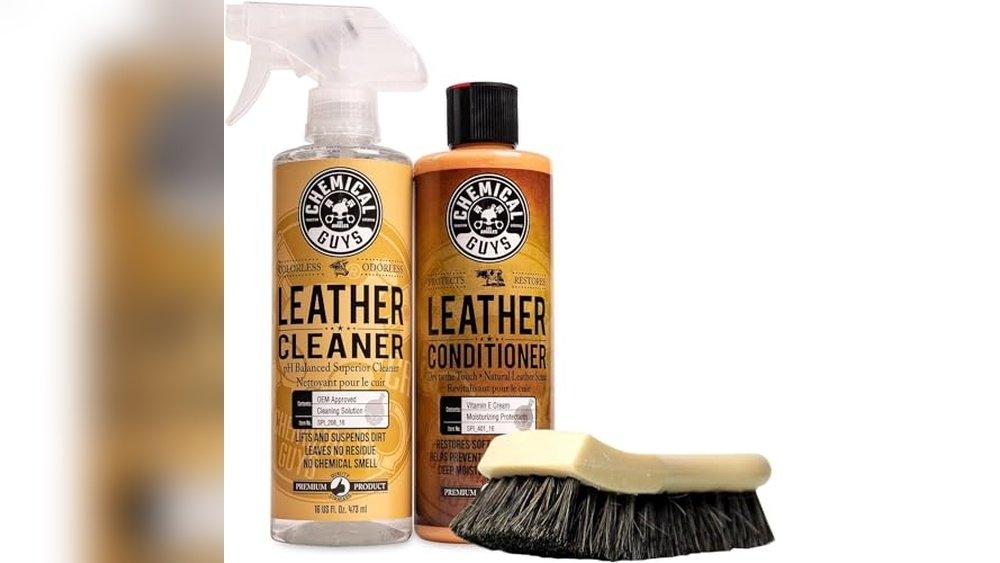
Leather seats require caution with APC. Many APCs are too harsh and can dry out leather. Use only mild, leather-safe APC products. Apply lightly with a soft cloth. After cleaning, condition the leather to keep it soft and prevent cracking.
Pros And Cons
Using all-purpose cleaner (APC) on car seats has its advantages and disadvantages. Understanding the pros and cons helps you decide if it suits your cleaning needs. This section breaks down the benefits and risks of APC on different seat materials.
Benefits Of Using Apc
All-purpose cleaner works well on many types of car seats. It removes dirt, stains, and grime quickly. APC is easy to find and usually affordable. It can clean both fabric and vinyl seats effectively. Many APC formulas are safe for upholstery and do not leave harsh residues. Using APC saves time by cleaning multiple surfaces with one product. It also helps maintain the seat’s appearance between deep cleanings.
Risks And Drawbacks
APC may harm delicate fabrics or leather seats. Some cleaners contain strong chemicals that can fade colors or cause damage. Using too much APC can leave sticky residue or cause discoloration. If not rinsed properly, cleaner buildup may attract more dirt. Harsh formulas can dry out leather, leading to cracks or stiffness. Testing on a small hidden area is essential to avoid damage. APC is not always suitable for heavily soiled or delicate materials.
Safe Cleaning Alternatives
Choosing safe cleaning alternatives for car seats protects your vehicle’s interior. Harsh chemicals can damage fabrics and finishes. Using the right products keeps seats fresh without harm. Below are some gentle yet effective options for cleaning car seats.
Upholstery Cleaners For Fabric
Fabric car seats need cleaners made for upholstery. These products remove dirt and stains without fading color. They often come as sprays or foams. Apply lightly and scrub with a soft brush. Always follow the instructions on the label. Test on a small hidden area first to avoid damage.
Natural Solutions For Car Seats
Natural ingredients clean car seats safely and cheaply. Mix white vinegar with water for a mild cleaner. Add a small amount of dish soap for tough spots. Use a soft cloth or sponge to apply the solution. Vinegar helps remove odors and light stains. Let seats air dry with windows open to avoid moisture build-up.
Household Items For Interior Cleaning
Common household items can freshen car interiors effectively. Baking soda works well to absorb smells and clean carpets. Sprinkle it on seats, wait, then vacuum thoroughly. An old toothbrush reaches tight spaces like seams and vents. Coconut or olive oil can condition leather seats gently. Use these items carefully and test first on a hidden spot.
Application Tips
Applying all-purpose cleaner on car seats requires careful steps to protect the material. Follow these tips to clean effectively without causing damage. Proper preparation and the right tools make a big difference in results.
Spot Testing
Always test the cleaner on a small hidden area first. This reveals any color fading or fabric damage. Wait a few minutes to observe the reaction. If no change occurs, it is safe to continue.
Proper Dilution And Usage
Many all-purpose cleaners need dilution before use. Check the label instructions carefully. Use a spray bottle to apply a light mist over the seat. Avoid soaking the fabric, which can cause mold or stains. Gently scrub with a soft cloth or brush for best results.
Tools For Effective Cleaning
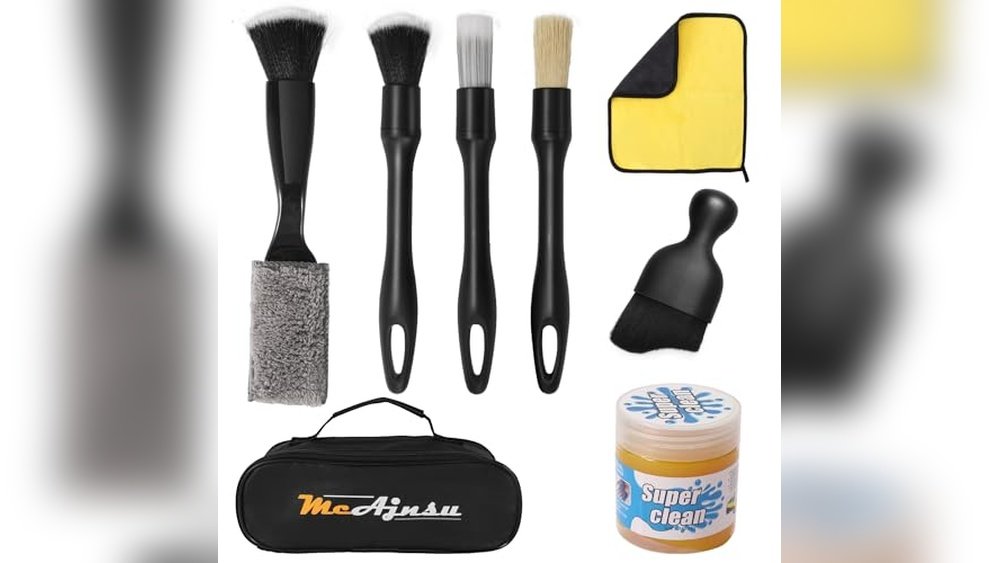
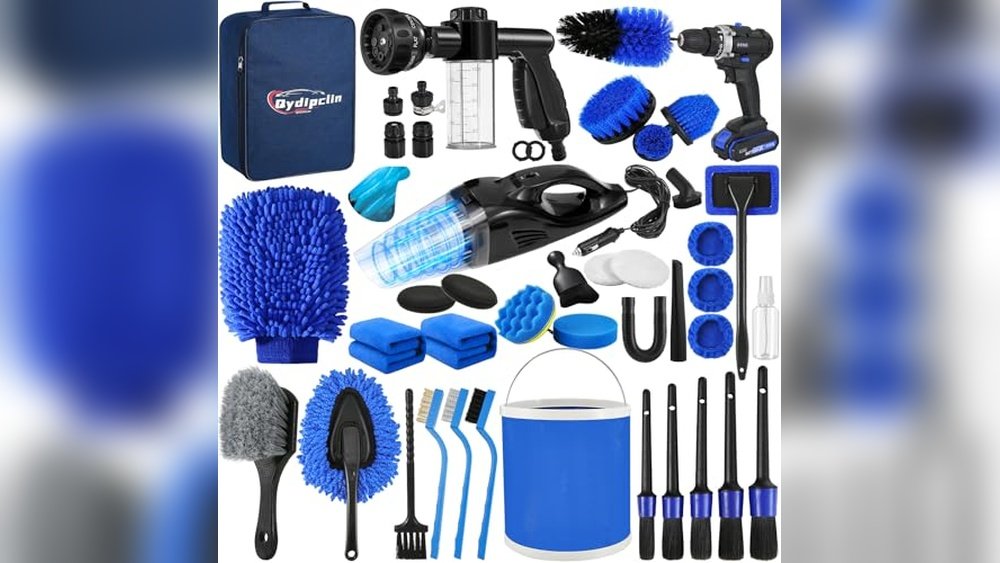
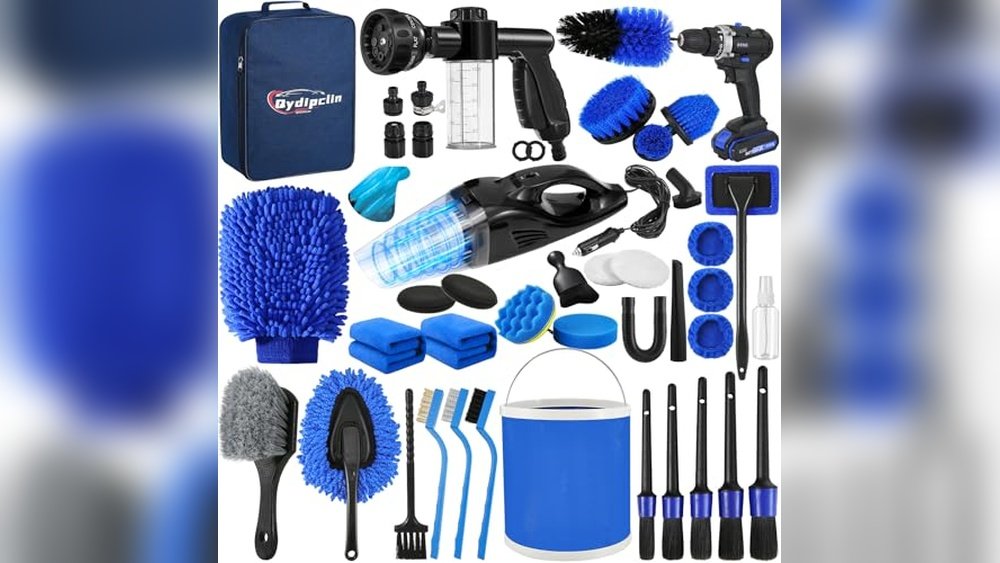
Use microfiber cloths for wiping and drying car seats. Soft-bristle brushes help lift dirt without harming the material. A handheld vacuum removes loose debris before cleaning. These tools improve cleanliness and protect your car’s interior.
Aftercare And Maintenance
After cleaning your car seats with an all-purpose cleaner, proper aftercare is key. It helps keep the seats in good shape and extends their life. Taking steps to dry, condition, and clean regularly prevents damage and maintains a fresh look.
Drying Techniques
Dry the seats quickly to avoid mold and odors. Use a clean microfiber cloth to soak up excess moisture. Leave car windows open for better air flow. Avoid direct sunlight to prevent fading and cracking. Patience helps the seats dry evenly and safely.
Conditioning Leather
Leather seats need special care after cleaning. Apply a leather conditioner to keep them soft and prevent cracks. Use a small amount and rub it gently into the leather with a soft cloth. Conditioning protects leather from drying out and adds a subtle shine.
Regular Cleaning Schedule
Set a cleaning routine for your car seats to keep them fresh. Clean fabric seats every few weeks to remove dirt and stains. Leather seats benefit from conditioning every two to three months. Regular care stops buildup and keeps your seats looking like new.
Expert Recommendations
Experts share clear advice about using all-purpose cleaner (APC) on car seats. The right cleaner depends on the seat material and condition. Understanding when to avoid APC and choosing the proper product protects your car’s interior. Professional detailers offer valuable insights based on experience.
When To Avoid Apc
Avoid APC on delicate materials like suede or untreated leather. Strong chemicals can cause discoloration or damage. If the seat has special coatings, APC may strip them away. Test any cleaner on a hidden spot first. Never use APC on heavily stained or old fabric seats without checking.
Choosing The Right Cleaner
Select a cleaner made for your seat type. For vinyl and leather, gentle APC formulas work well. Cloth seats need fabric or upholstery cleaners designed to protect fibers. Water-based cleaners are safer for sensitive seats. Always pick a product labeled safe for automotive interiors.
Professional Detailing Insights
Detailers recommend spot cleaning before full treatment. Use soft brushes or microfiber cloths with cleaners to avoid abrasion. They often dilute APC to reduce harshness. Conditioning leather after cleaning keeps it soft and prevents cracks. Regular cleaning maintains seat appearance and extends lifespan.
Frequently Asked Questions
Can I Use Multipurpose Cleaner On Car Seats?
You can use multipurpose cleaner on vinyl car seats safely. For cloth seats, choose a dedicated upholstery cleaner to avoid damage. Always test any cleaner on a small, hidden area first. Avoid harsh chemicals to protect fabric and maintain seat quality.
What Cleaner Can I Use To Clean My Car Seats?
Use an upholstery cleaner for cloth seats and an all-purpose cleaner for vinyl seats. Test on a small area first.
Can You Use All-purpose Cleaner To Clean Car Interior?
Yes, you can use all-purpose cleaner on vinyl or plastic car interiors. Avoid using it on fabric or leather seats. Always test on a small area first to prevent damage. Use specialized cleaners for delicate materials like cloth or leather for best results.
What Household Cleaner Is Safe For Car Interior?
Safe household cleaners for car interiors include diluted white vinegar for surfaces, baking soda for odors, mild dish soap for stains, and coconut oil for leather conditioning. Always test cleaners on hidden spots first to avoid damage. Use microfiber cloths and soft brushes for gentle cleaning.
Conclusion
Using all-purpose cleaner on car seats depends on the material. Vinyl seats clean well with APC, but cloth seats need gentler care. Always test a small area first to avoid damage. Choose cleaners designed for your seat type to keep them fresh.
Regular cleaning helps maintain your car’s look and comfort. Simple household solutions often work, but safety matters most. Clean carefully, dry thoroughly, and enjoy a neat car interior every time.