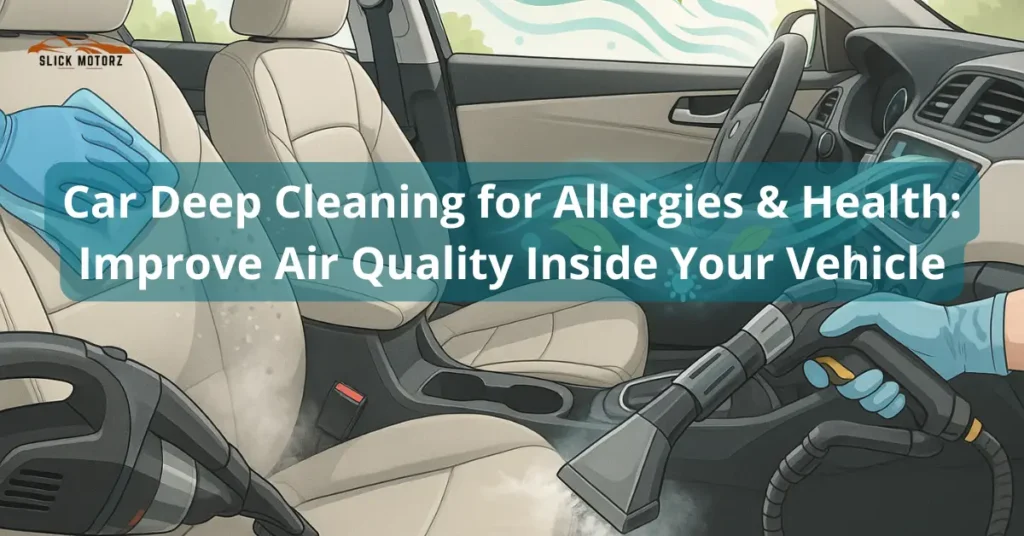
You spend a lot of time in your car, but have you ever thought about what’s hiding beneath the surface? Dust, pollen, pet dander, and even unseen bacteria can build up inside your vehicle, making it a hotspot for allergens that affect your health.
If you suffer from allergies or want to breathe cleaner air while driving, a car deep cleaning isn’t just about looks—it’s about protecting your well-being. You’ll discover why deep cleaning your car matters, how it can improve your health, and simple steps to keep your ride fresh and allergy-free.
Ready to transform your car into a healthier space? Let’s dive in.

Credit: www.amazon.com
Health Risks From Car Allergens
Cars can hide many allergens that affect health. These tiny particles build up over time. They create an unhealthy environment inside your vehicle. Cleaning your car deeply helps reduce these risks.
Allergens in cars can cause serious health problems. They affect breathing and can trigger allergic reactions. Understanding these risks helps protect your health.
Common Allergens In Vehicles
Dust mites are common in car upholstery and carpets. Pollen from outside sticks to seats and dashboards. Pet dander clings to fabric and air vents. Mold grows in damp areas like floor mats and door seals. These allergens stay trapped inside the car, causing ongoing exposure.
Impact On Respiratory Health
Breathing in car allergens irritates the lungs and airways. This leads to coughing, wheezing, and shortness of breath. People with asthma often face more attacks. Long-term exposure weakens the immune system. It can cause chronic breathing problems and infections.
Symptoms Triggered By Car Allergens
Common symptoms include sneezing and a runny nose. Itchy eyes and throat discomfort are frequent signs. Some experience headaches and fatigue from poor air quality. Skin rashes may appear due to contact with allergens. These symptoms reduce comfort and well-being during travel.
Benefits Of Deep Cleaning
Deep cleaning your car offers many health benefits beyond a simple wash. It removes hidden dirt, dust, and contaminants that regular cleaning misses. This process helps create a cleaner and safer environment inside your vehicle.
Regular deep cleaning supports better health, especially for people with allergies or respiratory problems. It keeps the air fresh and reduces harmful particles that can trigger symptoms. A deep clean also improves your comfort and enjoyment while driving.
Improving Air Quality Inside The Car
Deep cleaning removes dust, mold spores, and pollutants from your car’s interior. It cleans air vents, carpets, and upholstery where particles often hide. This results in cleaner air to breathe during every drive.
Better air quality helps reduce coughing, sneezing, and other allergy symptoms. It creates a fresh and pleasant atmosphere inside your car. Cleaner air also protects your lungs from harmful irritants.
Reducing Allergens And Bacteria
Allergens like pollen, pet dander, and dust mites build up inside cars. A deep cleaning eliminates these allergens from all surfaces. It also kills bacteria and germs that cause bad odors and illness.
Removing these harmful particles lowers allergy flare-ups and helps prevent infections. A cleaner car interior means a healthier space for everyone who rides inside. Regular deep cleaning reduces the risk of sickness and discomfort.
Enhancing Overall Driving Experience
A clean car feels more comfortable and inviting. Deep cleaning removes stains, odors, and sticky residues. This makes your car look and smell like new.
Driving in a fresh, clean environment reduces stress and improves focus. It creates a positive mood and makes trips more enjoyable. Taking care of your car’s interior also protects its value over time.
Key Areas For Deep Cleaning
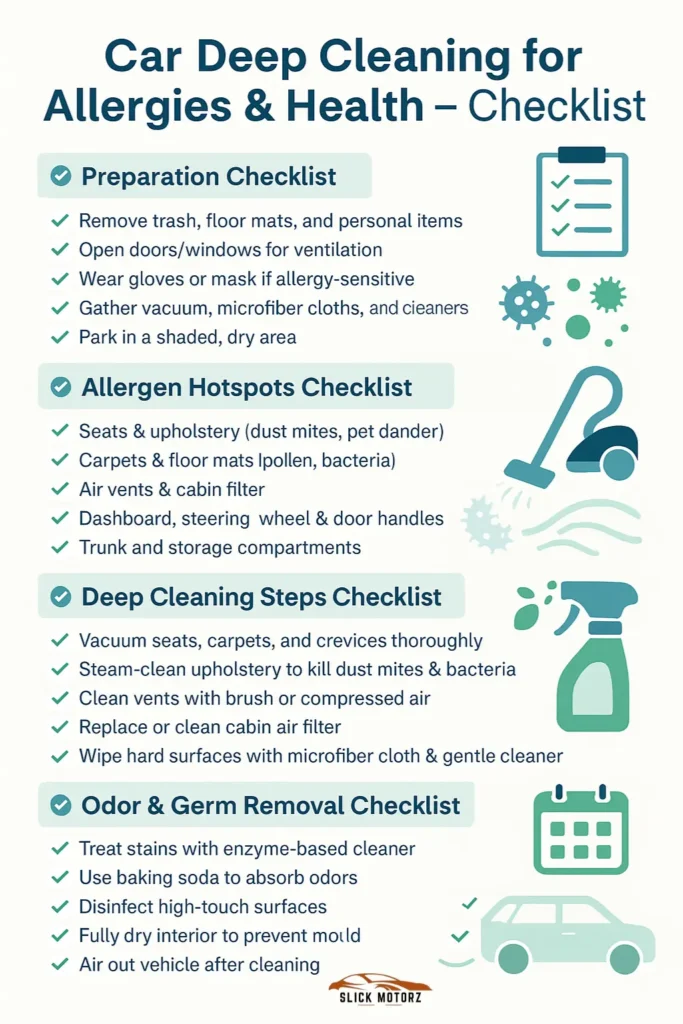
Deep cleaning your car targets specific areas where dust, allergens, and germs gather. This cleaning helps improve air quality and reduce allergy symptoms. Focus on these key spots for a healthier ride.
Seats And Upholstery
Seats and upholstery trap dirt, dust mites, and pet dander. Use a vacuum with a brush attachment to remove loose particles. Clean fabric seats with a mild detergent or upholstery cleaner. For leather seats, use a leather-safe cleaner and conditioner to prevent cracking and buildup.
Carpets And Floor Mats
Carpets and floor mats hold dirt, pollen, and bacteria. Remove mats and shake out loose debris first. Vacuum carpets thoroughly, paying attention to edges and corners. Shampoo carpets and mats with a suitable cleaner to remove stains and allergens.
Air Vents And Filters
Air vents spread dust and allergens throughout the car. Clean vents with a soft brush or compressed air. Replace cabin air filters regularly to keep the air fresh. A clean filter traps pollen, mold spores, and dust effectively.
Dashboard And Hard Surfaces
Dashboard and hard surfaces collect dust and germs daily. Wipe down with a microfiber cloth and a gentle cleaner. Focus on high-touch areas like buttons, the steering wheel, and door handles. Regular cleaning reduces bacteria and allergens in the car.
Effective Cleaning Techniques
Effective cleaning techniques play a key role in reducing allergens and improving health inside your car. Dirt, dust, and microbes hide deep within the seats and carpets. Proper methods help remove these harmful particles and create a fresher, safer environment for everyone. Below are some proven ways to clean your car deeply and effectively.
Vacuuming And Steam Cleaning
Start with thorough vacuuming to remove loose dirt and dust. Use a vacuum with strong suction and multiple attachments. Pay close attention to corners, under seats, and crevices. Follow vacuuming with steam cleaning. Steam kills bacteria and dust mites without chemicals. It also loosens grime embedded in fabric and upholstery. This combination cleans deeply and helps prevent allergy triggers.
Using Enzyme-based Cleaners
Enzyme-based cleaners break down organic stains and odors naturally. They target proteins, oils, and other residues that regular cleaners might miss. These cleaners are safe for most car interiors. Spray the enzyme cleaner on affected areas and let it sit. Then blot or wipe the surface clean. This process removes stains and reduces unpleasant smells effectively.
Removing Stains And Odors
Remove stains quickly to avoid permanent damage. Blot spills immediately with a clean cloth. Avoid rubbing, which can spread the stain. Use mild detergents or specialized car stain removers. For odors, sprinkle baking soda on carpets and seats. Let it sit for several hours to absorb smells. Vacuum the baking soda thoroughly afterward to leave a fresh scent.
Treating Mold And Mildew
Mold and mildew cause health issues and bad odors. Use a mixture of water and white vinegar to treat affected areas. Spray the solution on mold spots and let it sit for 10 minutes. Scrub gently with a soft brush. Dry the area completely to prevent mold from returning. For severe cases, consider professional cleaning to ensure full removal.
DIY Deep Cleaning Steps
Deep cleaning your car yourself helps reduce allergens and improve air quality. This process removes dust, pollen, and bacteria hiding in your vehicle. Follow these simple steps to make your car healthier and fresher. Each step targets key areas that collect dirt and germs.
Preparing Your Car For Cleaning
Start by removing all items from your car. Take out floor mats, trash, and personal belongings. Open doors and windows for ventilation. Vacuum seats, carpets, and floor mats thoroughly. Use a brush to loosen dirt in hard-to-reach spots. This preparation makes the deep cleaning more effective.
Cleaning Upholstery And Carpets
Use a fabric-safe cleaner or a mix of mild soap and water. Spray the solution lightly on seats and carpets. Scrub gently with a soft brush to lift dirt and stains. Avoid soaking the fabric to prevent mold growth. Wipe surfaces with a clean, damp cloth. Allow the upholstery to dry completely before moving on.
Sanitizing Air Vents And Filters
Air vents collect dust and allergens. Use a small brush or compressed air to clean vents carefully. Replace your cabin air filter regularly to ensure fresh air flow. Spray a disinfectant designed for automotive use inside vents. This kills germs and improves air quality inside your car.
Deodorizing And Freshening Air
Remove bad odors by sprinkling baking soda on carpets and seats. Let it sit for 15 to 30 minutes, then vacuum thoroughly. Use a car-safe air freshener or essential oil diffuser for pleasant scents. Keep your car windows slightly open on sunny days to air it out. This step leaves your vehicle smelling clean and fresh.
Professional Deep Cleaning Services
Professional deep cleaning services target every corner inside your car. These services remove dust, allergens, and bacteria that regular cleaning misses. A thorough clean improves air quality and reduces allergy triggers. It also promotes a healthier environment for you and your passengers.
Expert detailers use specialized tools and products. They clean carpets, upholstery, vents, and hard-to-reach areas. This deep clean refreshes your car’s interior and helps maintain your health.
What To Expect From Detailers
Detailers begin by vacuuming all surfaces carefully. They shampoo carpets and seats to remove deep dirt. Air vents and crevices get dusted and sanitized. Many services include steam cleaning to kill germs. The team may also deodorize your car to remove bad smells. The process takes a few hours, depending on your car size.
Cost Factors And Pricing
Prices vary based on car size and condition. Larger vehicles cost more due to extra cleaning time. Stains or heavy dirt may increase the price. Some shops offer packages that include multiple treatments. Expect to pay between $150 and $300 for a full deep clean. Always ask what services are included before booking.
Frequency Recommendations
For allergy relief, deep cleaning every 3 to 6 months works well. If you have pets or smoke in the car, clean more often. Regular cleaning helps keep allergens low and air fresh. Consider quick cleanups between deep cleans to maintain results. Your health benefits from consistent care of your car’s interior.
Choosing The Right Service In Austin, TX
Select a detailer with experience and good reviews. Confirm they use hypoallergenic and non-toxic products. Mobile services offer convenience and save time. Check if the company is insured and certified. Compare prices and service options before deciding. A trusted local service ensures your car stays clean and healthy.
Maintaining Fresh Air Post-cleaning
Maintaining fresh air inside your car after a deep cleaning is crucial for health, especially for allergy sufferers. Clean air helps reduce irritation and keeps the environment comfortable. Simple habits can prevent dust, pollen, and other allergens from building up again. This section explains practical ways to keep your car smelling fresh and safe.
Regular Vacuuming And Wiping
Vacuum your car seats, carpets, and floor mats often. This removes dust, dirt, and allergens hiding in fibers. Wipe hard surfaces with a damp cloth to catch fine particles. Clean dashboard, door panels, and cup holders regularly. This stops dust from settling and spreading. Use gentle, fragrance-free cleaners to avoid irritating allergies.
Using Air Purifiers And Fresheners
Air purifiers help filter out pollen, mold spores, and dust mites. Choose small, portable models made for cars. Replace filters as recommended to keep them effective. Use fresheners that do not contain strong chemicals or heavy fragrances. Natural options like essential oil diffusers with eucalyptus or peppermint are better. They improve air quality without triggering allergies.
Avoiding New Allergen Build-up
Keep windows closed during high pollen days or dusty weather. Park in shaded areas to reduce heat and prevent mold growth. Remove trash and food wrappers quickly to stop bacteria and mold. Change cabin air filters regularly to block allergens from entering your car. Avoid smoking inside the car to protect air quality and your health.
Tips For Allergy-Sensitive Drivers
Wear a mask if you clean your car yourself to avoid inhaling dust. Use hypoallergenic seat covers that can be washed often. Limit eating inside the car to prevent crumbs and spills. Open windows for a short time to air out the car after cleaning. Check weather and pollen forecasts to plan drives and reduce exposure.
Credit: platinummobiledetailinc.com
Frequently Asked Questions
How Much Does It Cost To Deep Clean The Inside Of Your Car?
Deep cleaning a car’s interior typically costs between $100 and $250. Prices vary by service location and car size.
How Often Should I Get My Car Deep Cleaned?
Get your car deep cleaned every 4 to 6 months to maintain cleanliness and reduce allergens. Increase frequency if you have pets or allergies. Regular deep cleaning improves health and keeps your car looking fresh.
How Much Does It Cost To Get Your Car Professionally Washed?
A professional car wash typically costs between $15 and $50, depending on service type and location. Deluxe washes or detailing may cost more.
How To Clean a Sick Car?
Remove solids with a spatula, blot liquids, and sprinkle baking soda. Clean with a vinegar-water mix, scrub, then blot dry. Use an enzyme cleaner or steam for odors. Air out the car thoroughly.
Conclusion
A clean car interior helps reduce allergens and improve your health. Regular deep cleaning removes dust, pollen, and bacteria from hard-to-reach spots. This keeps the air inside fresh and easier to breathe. Taking care of your car’s cleanliness also protects your family from allergy triggers.
Simple steps like vacuuming and wiping surfaces make a big difference. Prioritize deep cleaning to create a healthier, more comfortable ride every time. Your car can be a safe space, free from hidden irritants and germs.