
If you work in car detailing, you might wonder what rights protect you on the job. Do you know how breaks, wages, and workplace safety apply to you?
Understanding your employee rights in car detailing isn’t just important—it can change the way you experience your work every day. Whether you’re just starting or have been in the industry for years, knowing your rights helps you stand up for fair treatment, avoid common pitfalls, and build a career with confidence.
Keep reading to discover exactly what you need to know about car detailing employee rights, so you can protect yourself and make the most of your work in Austin, Texas, or anywhere else.
Employee Rights In Car Detailing
Employee rights in car detailing protect workers and ensure fair treatment. These rights cover wages, work hours, breaks, overtime, and safety. Knowing these rules helps employees work with confidence and fairness. This section explains key rights every car detailing worker should understand.
Wage And Hour Laws
Car detailing employees must receive at least the minimum wage set by law. Employers cannot pay less for regular hours worked. Employers must keep accurate records of hours worked and wages paid. Employees should check pay stubs to confirm correct payment. Wage laws prevent unfair pay and exploitation.
Breaks And Rest Periods
Workers have the right to take breaks during their shifts. Short breaks help reduce fatigue and improve focus. Many states require paid rest breaks of at least 10 minutes every four hours. Meal breaks usually last 30 minutes or more and may be unpaid. Breaks support health and productivity on the job.
Overtime Pay Rules
Employees working over 40 hours weekly must receive overtime pay. Overtime usually pays 1.5 times the normal hourly rate. This rule applies to most car detailing jobs. Employers must calculate overtime correctly and include it in paychecks. Overtime pay rewards extra time and effort.
Workplace Safety Standards
Car detailing workers face risks like chemicals and slippery surfaces. Employers must provide safety training and proper equipment. Protective gear like gloves and goggles reduces injury risk. Work areas should be clean and well-lit to prevent accidents. Safety standards keep employees healthy and safe.
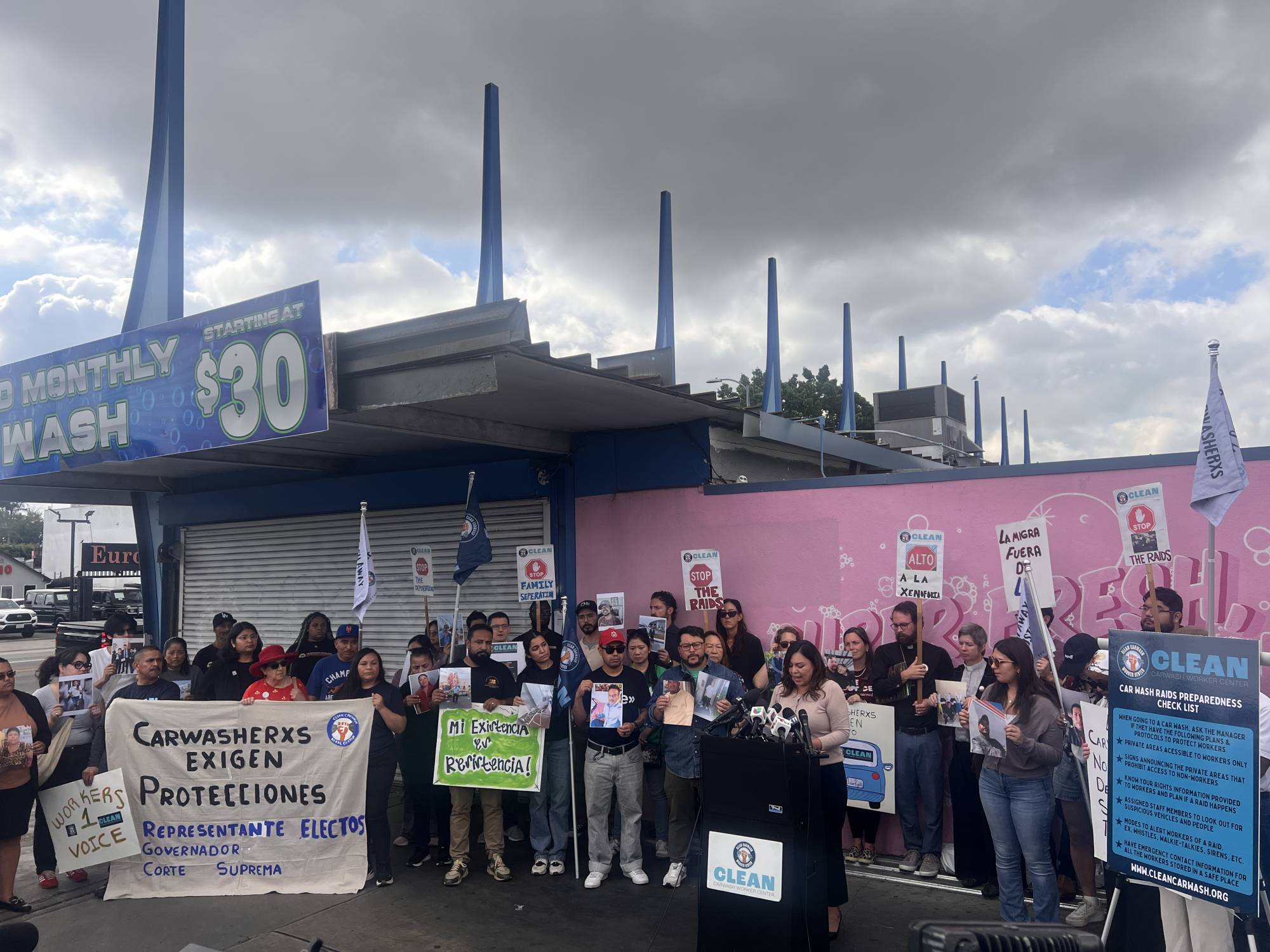
Credit: www.kqed.org
Common Challenges For Detailers
Car detailers face many challenges in their daily work. These challenges affect their health, safety, and job stability. Understanding these issues helps protect their rights and improve work conditions.
Physical Demands And Injuries
Detailing cars requires constant bending, reaching, and standing. These actions strain muscles and joints. Workers often experience back pain and repetitive stress injuries. The use of chemicals adds risk of skin and eye irritation. Without proper safety measures, injuries become common. Employers must provide training and protective gear to reduce risks.
Workplace Harassment
Detailers sometimes face rude or disrespectful behavior at work. Harassment can come from supervisors or coworkers. It creates a hostile work environment and lowers morale. Employees may feel afraid to report incidents. Clear policies and support systems are needed to address harassment promptly. Respectful communication should be promoted in every workplace.
Job Security Concerns
Many detailers work with temporary or part-time contracts. This creates uncertainty about income and hours. Economic changes or low demand can lead to sudden job loss. Lack of benefits like health insurance adds stress. Stable contracts and fair treatment help build job security. Workers deserve clear information about their employment status and rights.
Pay Structures In Detailing
Pay structures in car detailing vary widely. Understanding these systems helps employees know their worth. Pay models impact motivation, job satisfaction, and financial stability. Many detailers work under hourly or commission-based systems. Others benefit from tips and occasional bonuses. Knowing how to negotiate wages protects workers from unfair pay. Let’s explore these common pay structures in detailing.
Hourly Vs Commission Pay
Hourly pay means workers earn a set rate per hour. This offers steady, predictable income. Employees get paid even if work is slow. Commission pay depends on sales or services completed. The more cars detailed, the higher the earnings. This can motivate workers to increase productivity. Yet, income may be unstable if business fluctuates. Some shops mix both systems for balance. Understanding which system applies helps employees plan finances better.
Tips And Bonuses
Tips reward detailers for good service directly from customers. They can add a significant amount to total income. Not all shops allow or encourage tips, so rules vary. Bonuses often come from employers for meeting goals. These could include quality, speed, or customer satisfaction. Bonuses boost morale and encourage excellence. Employees should ask about tip policies and bonus criteria. This clarity avoids misunderstandings about expected earnings.
Negotiating Fair Wages
Knowing your value is key to fair wage negotiation. Research typical pay rates in your area before talks. Highlight your skills, experience, and reliability during negotiation. Be clear about the pay structure you prefer. Ask for written agreements to avoid future disputes. Negotiating respectfully shows professionalism and confidence. Employers often respect workers who understand their worth. This can lead to better pay and benefits over time.
Legal Protections In Austin, Texas
Car detailing employees in Austin, Texas, have specific legal protections. These laws help ensure fair treatment and safe work conditions. Understanding these rights is important for all workers in the industry. This section highlights key legal protections available in Austin.
State Labor Laws
Texas labor laws set the foundation for employee rights. These laws cover minimum wage, overtime pay, and work hours. Employers must follow these rules to avoid legal issues. Workers have the right to a safe workplace free from hazards. The Texas Workforce Commission enforces these laws and handles disputes.
Local Regulations
Austin has additional rules that protect workers beyond state laws. The city enforces labor standards related to paid sick leave and anti-discrimination. Local laws may require better safety standards in car detailing shops. Employers must comply with both state and city regulations. These local protections aim to improve job quality for employees.
Filing Complaints And Claims
Employees can file complaints if their rights are violated. Complaints can be submitted to the Texas Workforce Commission or Austin city offices. Documentation of the issue helps support the claim. Workers may also seek legal advice for serious violations. Taking action can stop unfair treatment and protect future workers.
Steps To Protect Your Rights
Protecting your rights as a car detailing employee is important. Knowing the right steps helps you avoid problems and ensures fair treatment. Taking simple actions can make a big difference in your work life.
Below are key steps you should follow to keep your rights safe and secure.
Keeping Records
Keep a detailed record of your work hours and tasks. Write down any important conversations with your employer. Save pay stubs, contracts, and job descriptions. These documents serve as proof if any issues arise. Organized records help you defend your rights clearly and quickly.
Communicating With Employers
Talk openly and calmly with your employer about any concerns. Explain your issues clearly and ask for solutions. Keep conversations professional and polite. If you report problems early, many misunderstandings can be fixed fast. Good communication shows you respect your job and want to solve problems fairly.
Seeking Legal Advice
Consult a lawyer if your rights are ignored or violated. Legal experts understand labor laws and can guide you. They help you know your options and protect your interests. Many organizations offer free or low-cost legal advice for workers. Getting advice early prevents bigger problems later.

Credit: www.pandahub.com
Resources For Detailers
Car detailing employees need reliable resources to protect their rights and improve their skills. Knowing where to find help can make a big difference. This section highlights key resources that detailers can use to support their work and well-being.
Worker Advocacy Groups
Worker advocacy groups stand up for car detailers’ rights. They provide information about fair wages and safe working conditions. These groups often organize workshops and meetings to educate workers. Joining a local or national group can give detailers a strong voice.
Legal Aid Services
Legal aid services offer free or low-cost help to detailers facing workplace issues. These services assist with disputes about pay, hours, or discrimination. Access to legal advice ensures that workers understand their rights. Detailers can get support to solve problems without facing high legal fees.
Training And Certification
Training programs help detailers learn new techniques and improve their work quality. Certification shows professionalism and can increase job opportunities. Many training courses cover safety rules and product handling. Detailers who earn certificates often gain more respect and better pay.
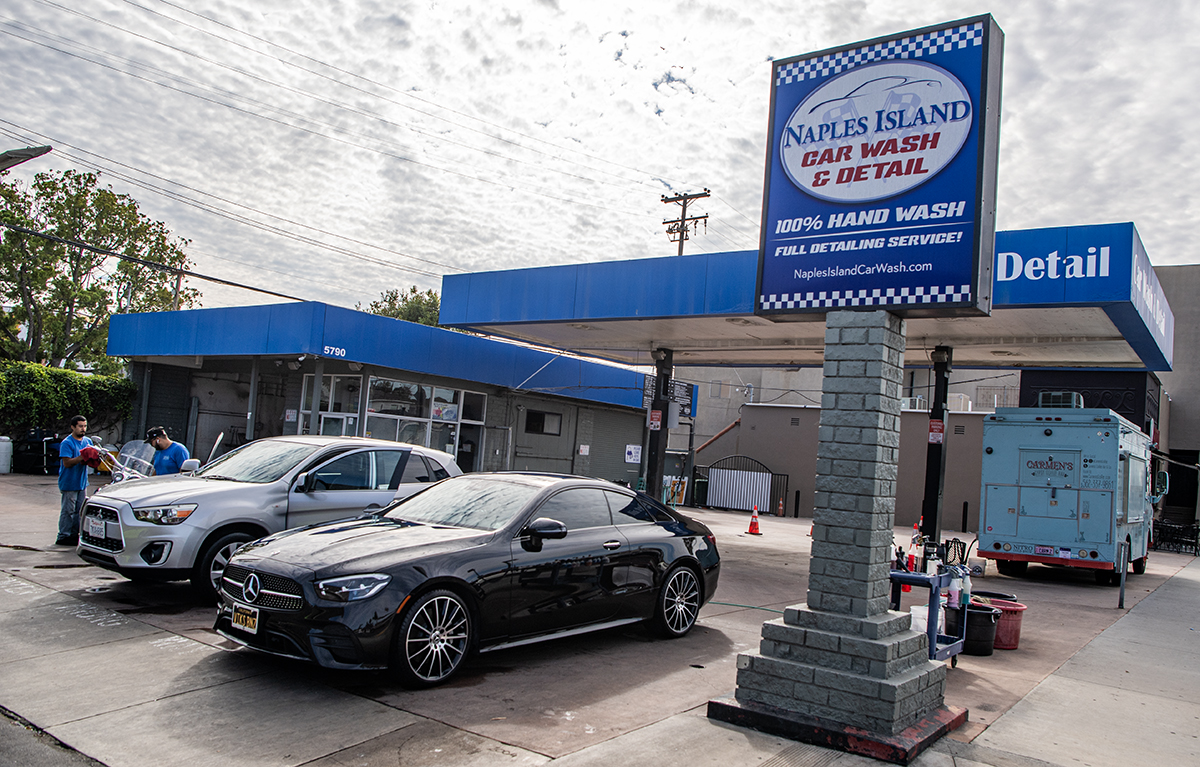
Credit: lbpost.com
Frequently Asked Questions
What Is The Break Even Point For A Car Detailing Business?
The break-even point for a car detailing business occurs when total revenue equals total costs. Calculate it by dividing fixed costs by the contribution margin per car. This helps identify how many cars you must detail to cover all expenses without profit or loss.
Is Car Detailing Worth It As A Job?
Car detailing offers good income potential with low entry barriers. It requires physical effort, dedication, and strong customer service skills. Mobile detailing adds flexibility and low overhead costs. Success depends on quality work, business management, and building a loyal client base.
Is Auto Detailing Manual Labor?
Yes, auto detailing involves manual labor. It requires physical effort to clean, polish, and restore vehicles by hand.
How Much Does A Car Detailing Business Make A Month?
A car detailing business typically earns between $3,000 and $10,000 per month. Income varies by location, services, and client base. Consistent quality and marketing boost monthly revenue significantly.
Conclusion
Understanding car detailing employee rights helps workers protect themselves. Knowing your rights ensures fair pay and safe work conditions. Speak up if you face unfair treatment or unsafe tasks. Employers must respect labor laws and provide proper breaks and equipment.
Staying informed helps you avoid common job pitfalls. Treat coworkers with respect and encourage a positive work environment. Your rights matter, and standing up for them leads to better jobs. Keep learning about workplace rules to stay confident and secure.
Car detailing can be rewarding when employees know and use their rights.