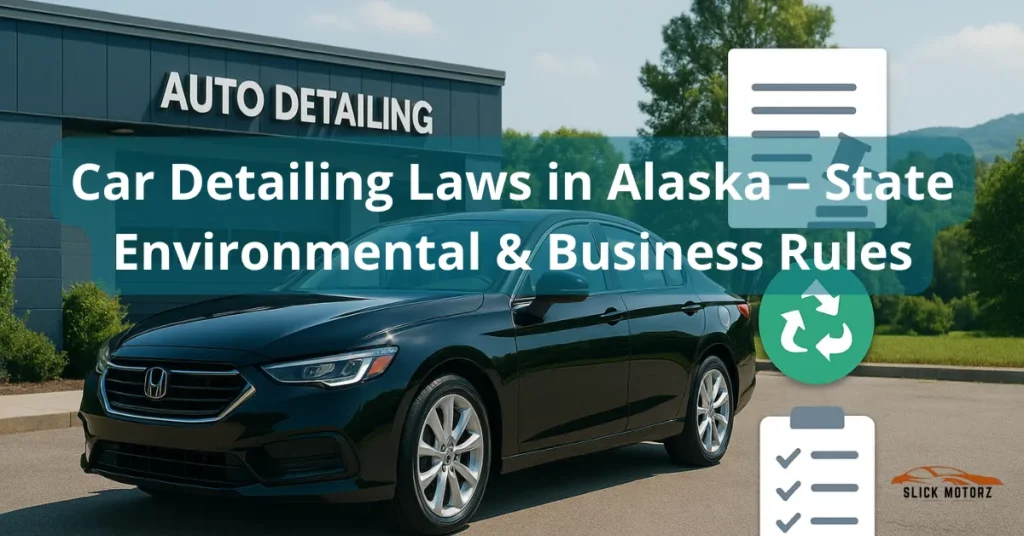
If you’re involved in car detailing in Alaska, knowing the state’s laws is crucial for protecting your business and your customers. Whether you’re a professional detailer or just someone who loves keeping your car spotless, understanding the legal rules can save you from costly mistakes.
Alaska has specific regulations that cover everything from licensing to what you can and cannot do while offering detailing services. You’ll discover the key car detailing laws that apply in Alaska, how to stay compliant, and important tips to avoid legal trouble.
Keep reading to make sure your car detailing work follows the law—and keeps your reputation shining bright.
Credit: mcdonaldfarmsinc.com
Licensing Requirements
Starting a car detailing business in Alaska requires understanding state licensing rules. These rules ensure your business operates legally and protects customers. Licensing helps maintain industry standards and builds trust. Below, find key licensing requirements for car detailing businesses in Alaska.
State Business License
All businesses in Alaska must have a state business license. This license is required before offering any services. You can apply online through the Alaska Department of Commerce. The process is simple and involves a fee. Renew your license annually to keep it active. Operating without a license can lead to fines and legal trouble.
Dealer License For Vehicle Sales
If your car detailing business also sells vehicles, you need a dealer license. This license is separate from the business license. It applies to those who buy and sell cars regularly. The Alaska Division of Motor Vehicles handles dealer license applications. You must meet specific requirements, including a physical business location. The dealer license ensures compliance with state vehicle sales laws.

Credit: mcdonaldfarmsinc.com
Vehicle Inspection Rules
Vehicle inspection rules in Alaska ensure that cars on the road meet safety and emissions standards. These rules help reduce accidents and pollution by checking vehicle conditions regularly. Knowing these rules is important for car owners and detailing service providers alike. It helps them prepare vehicles properly for inspections and avoid penalties.
Inspection Exemptions
Not all vehicles must go through inspections in Alaska. New cars are often exempt for the first few years. Some older vehicles, like classic cars, also do not need inspection. Vehicles used only off-road or farm equipment are excluded. These exemptions reduce the inspection burden on certain vehicle owners.
Impact On Detailing Services
Vehicle inspection rules affect car detailing businesses in Alaska. Detailers must ensure vehicles look good and meet inspection standards. They focus on cleaning headlights, mirrors, and windows for clear visibility. Detailers also check for any damage that might fail an inspection. A clean, well-maintained vehicle is more likely to pass inspection and satisfy customers.
Lemon Law Basics
Understanding Alaska’s Lemon Law is essential for car owners. It protects buyers from vehicles with serious defects. The law sets clear rules about which cars qualify and what actions owners can take. This section breaks down the basics of the Lemon Law in Alaska.
Covered Vehicles
The law covers new, self-propelled, four-wheeled vehicles. These must be registered in Alaska. Only vehicles bought by the original owner qualify. Used cars, off-road vehicles, and farm equipment are excluded. The coverage applies only if the vehicle has a manufacturer’s warranty.
Defect Criteria
The defect must be a substantial manufacturing problem. It should affect the vehicle’s use, value, or safety. Minor issues or wear and tear do not count. The defect must be covered under the express warranty. The manufacturer must have had a reasonable chance to fix the problem.
Owner Remedies
If the defect persists after repairs, owners have rights. The manufacturer must offer a refund or a replacement vehicle. The refund might be reduced by a fee for using the car. Owners should keep detailed records of all repairs and contacts. They can seek arbitration or legal help if needed.
Credit: www.melissaanddoug.com
Record Keeping
Proper record keeping is essential for car detailing businesses in Alaska. It helps track all repairs and services accurately. Keeping detailed records protects both the business and the customer. It also ensures compliance with Alaska’s car detailing laws. Clear documentation can prevent legal disputes and support warranty claims.
Repair Documentation
Every repair or service must be documented carefully. Records should include the date, type of service, and parts used. Note the vehicle’s mileage at the time of service. Detailed invoices and receipts are necessary. These documents prove the work performed and help with future repairs. Accurate repair documentation supports warranty claims and customer trust.
Communication With Manufacturers
Maintaining clear communication with manufacturers is vital. Record all written and verbal communications about defects or warranty issues. Keep copies of emails, letters, and phone call summaries. This helps track manufacturer responses and repair authorizations. Proper communication records ensure faster problem resolution. They also serve as proof if legal action is needed.
Legal Actions And Disputes
Legal actions and disputes can arise during car detailing services in Alaska. Understanding your rights helps you handle conflicts effectively. Disagreements may involve service quality, pricing, or damage claims. Knowing the proper steps can save time and money.
Arbitration Process
Arbitration is a common way to resolve disputes without a court. Both parties agree to an impartial third party. The arbitrator listens to both sides and makes a decision. This process is faster and less expensive than lawsuits. Many detailing contracts include arbitration clauses. It is important to read the contract carefully before signing.
When To Seek Legal Help
Seek legal help if arbitration fails or is unavailable. Also, contact a lawyer if the damage is significant. Legal experts understand Alaska’s car detailing laws. They can guide you through claims and court processes. Early legal advice can prevent worsening disputes. Keep all documents and receipts related to the service for evidence.
Prohibited Practices
Car detailing businesses in Alaska must follow strict rules to protect consumers. Some practices are illegal and can lead to penalties. These laws ensure fair and honest service for vehicle owners. Understanding prohibited practices helps businesses stay compliant.
Unlicensed Sales
Operating without a proper license is illegal in Alaska. Car detailers must have a valid business license. Selling services without a license can cause fines and shutdowns. Licensing confirms that a business meets state standards. Customers should always check for licensing before hiring detailers.
False Advertising
Advertising must be truthful and clear. Detailers cannot make false claims about their services. Misleading prices or service quality is prohibited. Ads must not promise results that cannot be delivered. Honest advertising builds trust and avoids legal trouble.
Environmental Regulations
Car detailing businesses in Alaska must follow strict environmental regulations. These rules help protect the state’s natural beauty and wildlife. Compliance is essential to avoid fines and keep operations legal. Understanding these regulations ensures safe and responsible detailing practices.
Waste Disposal
Proper waste disposal is critical in Alaska. Detailers must handle wastewater carefully to prevent pollution. Many chemicals in car wash water can harm local water sources. Businesses must use approved disposal methods or treatment systems. Dumping wastewater on the ground or into storm drains is illegal. Following these rules preserves Alaska’s clean environment.
Chemical Use Restrictions
Alaska limits the types of chemicals used in car detailing. Some substances can damage ecosystems and wildlife. Detailers must choose eco-friendly products that meet state standards. Using banned or harmful chemicals can lead to penalties. Labels and safety data sheets help confirm compliance. Safe chemical use protects both workers and nature.
Consumer Protection Laws
Consumer protection laws in Alaska ensure fair treatment for car detailing customers. These laws set standards for service quality and business practices. They help prevent fraud and misleading claims. Understanding these laws empowers customers to make informed choices.
Alaska requires businesses to follow clear rules about warranties and customer rights. These rules provide a safety net for consumers. They also promote trust between car detailers and their clients. Below are key aspects of these laws.
Warranty Obligations
Car detailers in Alaska must honor any written warranty offered. This warranty covers the quality and duration of the service. If a problem arises within the warranty period, the detailer must fix it. Refusing to honor a warranty can lead to legal penalties. Customers should always ask for warranty details before agreeing to services.
Customer Rights
Customers have the right to clear and honest information about services. This includes pricing, scope, and expected results. Consumers can expect services to match the description given. If services fall short, customers can request corrections or refunds. Alaska laws protect customers from deceptive or unfair practices. Customers should keep all receipts and agreements for proof.
Compliance Tips
Following car detailing laws in Alaska is crucial for every detailer. Compliance helps avoid fines and legal troubles. It also builds trust with customers and authorities. Here are practical compliance tips to keep your business running smoothly.
Staying Updated
Car detailing laws change often in Alaska. Check official state websites regularly for updates. Subscribe to newsletters from local business groups. Attend workshops or seminars about vehicle regulations. Staying informed prevents accidental violations. Always review new rules before starting work.
Best Practices For Detailers
Use only approved cleaning products that meet Alaska’s environmental standards. Dispose of wastewater and chemicals safely. Keep detailed records of all services and products used. Train your staff on legal requirements and safe handling. Maintain proper licenses and permits at all times. These steps ensure your business stays compliant and trustworthy.
Frequently Asked Questions
What Is The Lemon Law In Alaska?
The Alaska Lemon Law protects original owners of new, four-wheeled vehicles with substantial defects. Manufacturers must repair, replace, or refund after reasonable attempts. It excludes used and off-road vehicles. Owners must document repairs and notify the manufacturer to seek remedies or arbitration if unresolved.
Does Alaska Require A Business License?
Alaska requires all businesses to obtain a state business license regardless of entity type. This applies to sole proprietors, partnerships, LLCs, corporations, and nonprofits.
Does Alaska Require A Car Inspection?
Alaska does not require regular vehicle inspections for passenger cars. There are no mandatory safety or emissions checks statewide.
How Many Cars Can I Sell In Alaska?
You can sell up to four vehicles per year in Alaska without a dealer license. Selling five or more requires licensing.
Conclusion
Understanding car detailing laws in Alaska helps protect your vehicle and wallet. Follow state rules to avoid fines and legal trouble. Keep records of all detailing work and use licensed businesses. Stay informed about local regulations as they can change.
Protect your car’s value and appearance by complying with the law. Simple steps keep your vehicle safe and your business legal. Always check official sources for the latest details. This knowledge ensures smooth car care in Alaska’s unique environment.