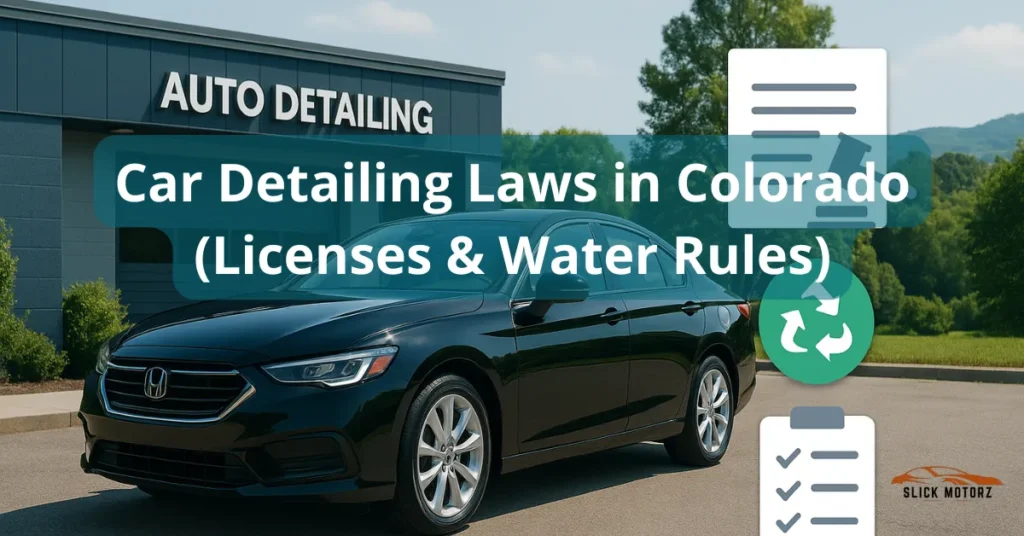
Are you thinking about starting a car detailing business or just curious about the rules in Colorado? Knowing the car detailing laws in Colorado is crucial before you wash, wax, or polish any vehicle.
You might assume it’s simple—just clean cars and make them shine—but the reality involves important legal details that can affect your business and your wallet. From licensing requirements to water use regulations, understanding these laws helps you stay compliant and avoid costly fines.
Keep reading to discover exactly what you need to know to detail cars legally and confidently in Colorado. Your smooth ride to success starts here.
Credit: liquidtrucking.com
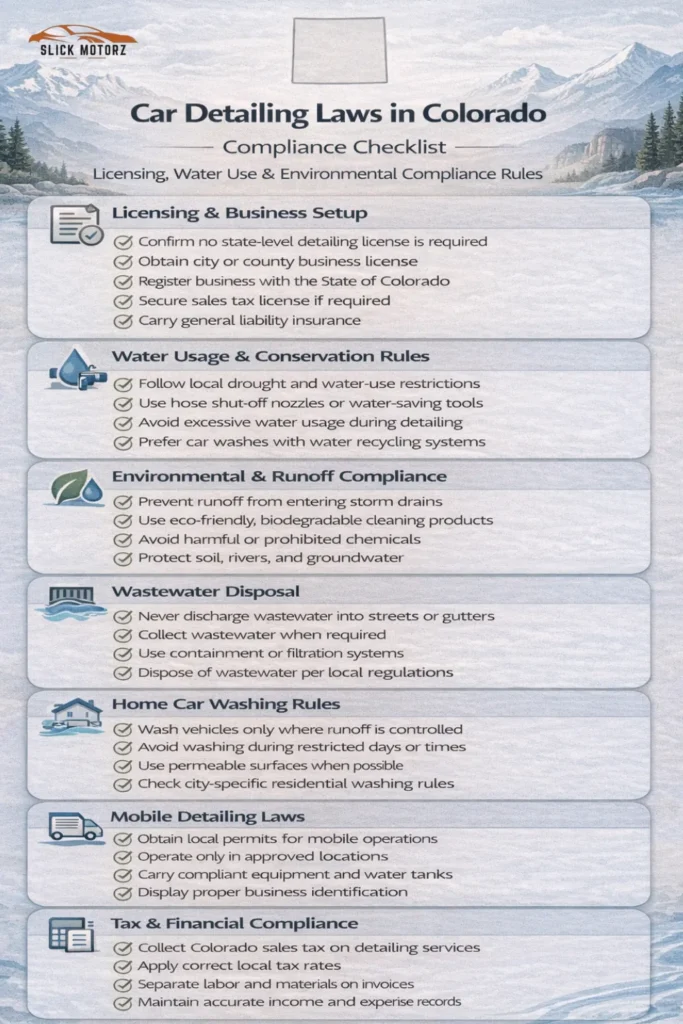
Licensing Requirements
Starting a car detailing business in Colorado requires understanding its licensing rules. These rules protect customers and ensure businesses operate legally. Knowing the right licenses helps avoid fines and legal problems.
Licensing requirements vary between the state and local levels. Also, insurance is important to cover risks. Below are key points about licensing in Colorado.
State-level License Rules
Colorado does not require a special auto detailing license at the state level. You can offer detailing services without a professional license. Still, you must follow general business laws and regulations. This keeps your business legal and compliant.
Local Business Licenses
Local cities and counties often require a business license. This applies to car detailing shops and mobile detailers. Check with your city or county office to get the right license. Some areas may have extra rules about water use and waste disposal.
Insurance Necessities
Insurance protects your business from accidents and damages. General liability insurance is essential for car detailing businesses. It covers property damage and customer injuries. Some clients may ask for proof of insurance before hiring you.
Permits And Regulations
Operating a car detailing business in Colorado requires understanding various permits and regulations. These rules protect the environment and ensure safe business practices. Compliance helps avoid fines and legal issues. Detailing businesses must follow local and state laws carefully. This section covers key rules about water use, environmental care, and wastewater disposal.
Water Usage Restrictions
Colorado limits water use due to frequent droughts. Car detailers must follow local water restrictions. Using water-saving tools, like automatic shutoff nozzles, is often required. Many cities ban washing cars on driveways during drought conditions. Commercial car washes that recycle water are encouraged. These rules help conserve water for the community.
Environmental Considerations
Protecting the environment is a priority in Colorado. Detailers must avoid harmful chemicals that pollute soil and water. Use eco-friendly cleaning products whenever possible. Businesses should prevent runoff from entering storm drains. Some areas require training on safe chemical use. Following these guidelines reduces environmental damage and keeps communities healthy.
Wastewater Disposal Rules
Proper disposal of wastewater is mandatory. Wastewater often contains oils, dirt, and chemicals. Discharging it into streets, gutters, or storm drains is illegal. Many cities require wastewater to be collected and treated. Mobile detailers must carry containment equipment to handle wastewater. Complying with these rules prevents pollution and protects water sources.
Home Car Washing Rules
Washing your car at home in Colorado is a common practice. Yet, there are rules to follow. These rules help protect the environment and keep neighborhoods clean. Understanding these rules can save you from fines and trouble.
Many people enjoy cleaning their cars on their own driveways. But washing a car produces water runoff. This water can carry dirt, soap, and chemicals. If not controlled, it may pollute storm drains and local waterways.
Driveway Washing Guidelines
Colorado allows washing cars in residential driveways. Use a hose with an automatic shutoff nozzle. This tool saves water and prevents waste. Avoid rinsing the driveway or street to stop dirty water from flowing into storm drains. Try to wash your car on grassy or gravel areas where water can soak naturally.
Recommended Practices
Use biodegradable and phosphate-free soaps. These products are safer for the environment. Wash your car slowly and in small sections to reduce water use. Collect dirty water with a bucket instead of letting it run off. Consider using commercial car washes that recycle water. This option is better for the environment and local laws.
Municipal Restrictions
Some cities or counties in Colorado have extra rules. These may limit the days or times you can wash your car at home. Local governments might require permits for frequent washing. Always check with your city hall or local government website. Follow their guidelines to avoid penalties or fines.
Credit: www.waterway.com
Mobile Detailing Laws
Mobile car detailing is popular in Colorado due to its convenience. It allows detailers to bring services directly to customers. This flexibility comes with specific laws to follow. Understanding these rules helps avoid fines and legal issues.
Colorado does not require a special state license for mobile detailing. Still, operators must meet local rules and standards. These laws cover where you can work, permits needed, and equipment used. Compliance ensures smooth business operations and customer trust.
Operating Without A Fixed Location
Mobile detailers in Colorado can operate without a fixed place. They often work from vans or trailers and travel to clients. Despite no fixed address, businesses must register properly. This includes having a valid business license from their city or county. Operating legally protects both the detailer and customers.
Local Permit Requirements
Local permits are essential for mobile car detailers. Cities and counties may require permits for business operations. Some areas also ask for environmental permits due to water usage. These permits control water runoff and chemical disposal. Obtaining the right permits prevents fines and shutdowns.
Vehicle And Equipment Standards
Vehicles used for mobile detailing must meet safety standards. They should be well-maintained and display proper business identification. Equipment like water tanks and pressure washers needs to follow local regulations. Using approved, eco-friendly cleaning products is often required. Proper gear helps avoid pollution and supports a professional image.
Tax And Financial Rules
Understanding tax and financial rules is essential for car detailing businesses in Colorado. These rules affect pricing, accounting, and compliance. Following them carefully helps avoid fines and legal trouble. The focus here is on sales tax, labor and equipment charges, and business registration.
Sales Tax On Services
Colorado generally taxes car detailing services. The state sales tax applies to the total charge for the service. Local taxes may also add to the cost. Detailing businesses must collect and remit these taxes to the state. Keeping accurate sales records is important for tax reporting.
Labor Vs Equipment Charges
Colorado treats labor and equipment charges differently for tax purposes. Labor fees, such as cleaning or polishing, are usually taxable. Charges for equipment or products sold separately may not be taxed. Clear invoices that separate labor from materials help with correct tax calculations.
Business Registration
All car detailing businesses in Colorado must register with the state. Registration ensures legal operation and tax compliance. This process includes getting a business license and a sales tax license. Registering also allows businesses to hire employees and open bank accounts.
Safety And Product Use
In Colorado, safety and proper product use are vital in car detailing. Following state rules helps protect the environment, workers, and customers. Using safe products and handling chemicals properly reduces risks. Workers must also follow safety standards to avoid accidents and health problems.
Approved Cleaning Products
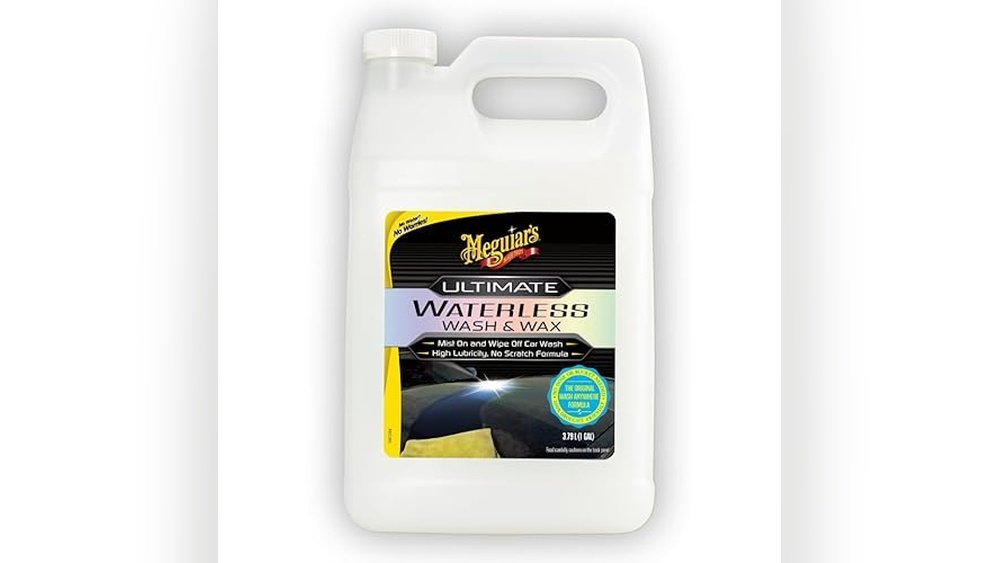
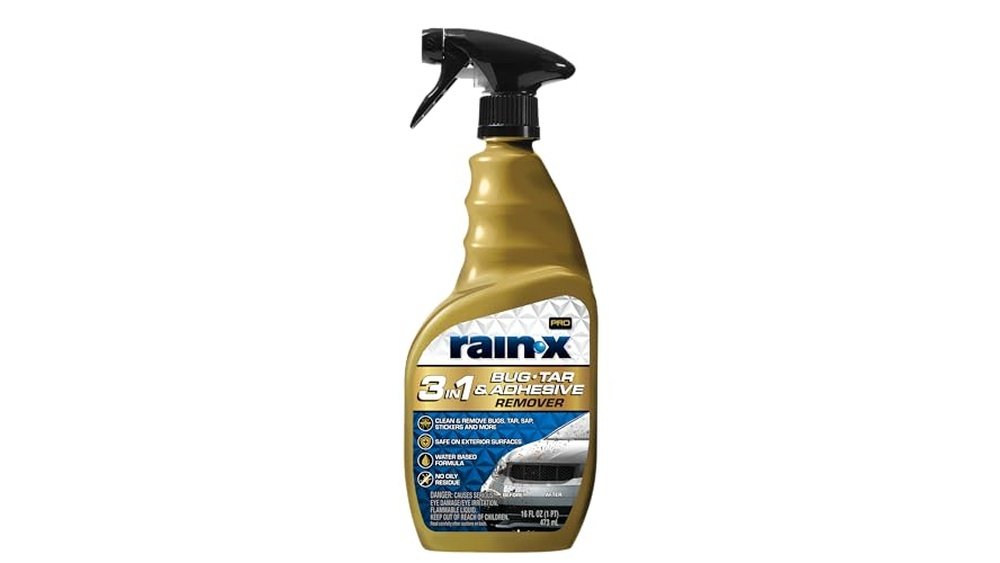
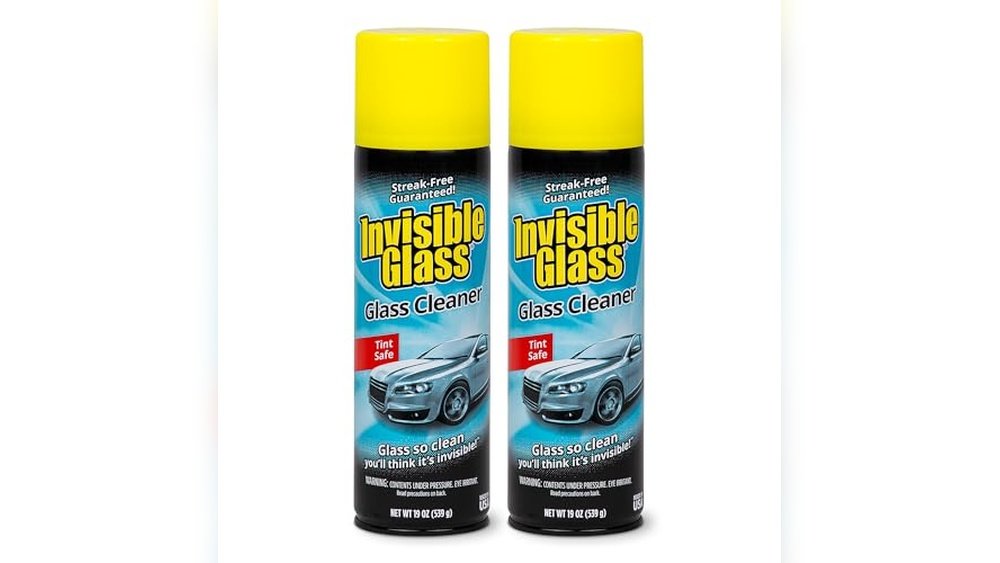
Colorado law restricts cleaning products to those that are safe and eco-friendly. Only use products approved for automotive use. Harsh chemicals that harm the environment are banned. Biodegradable soaps and cleaners are recommended. Using approved products protects water sources and soil from pollution.
Handling Chemicals Safely
Always read labels and follow instructions on chemical products. Store chemicals in secure, labeled containers away from heat. Wear gloves and eye protection when mixing or applying chemicals. Avoid spills by using funnels and measuring tools. Dispose of leftover chemicals according to local hazardous waste rules.
Worker Safety Standards
Employers must provide safety training to all car detailers. Workers should use personal protective equipment like gloves and masks. Work areas need good ventilation to reduce chemical fumes. Regular breaks help prevent fatigue and accidents. Following safety standards lowers injury risks and ensures a healthy work environment.
Service Volume And Business Limits
Understanding service volume and business limits is crucial for car detailers in Colorado. These rules help maintain quality work and comply with local regulations. Car detailing businesses must plan their daily vehicle capacity and consider growth carefully. Managing these factors ensures smooth operations and legal compliance.
Daily Vehicle Limits
Colorado does not set a strict state-wide limit on how many cars you can detail daily. However, local cities or counties may have rules to prevent water waste or pollution. Detailing too many vehicles in one day might cause environmental concerns or noise complaints. Mobile detailers should check local regulations on water use and runoff. Limiting daily service volume can help maintain high service quality and customer satisfaction.
Business Growth Considerations
Expanding a car detailing business requires attention to legal limits and resources. Increasing the number of vehicles serviced means more water, supplies, and labor. Colorado businesses must ensure they have proper permits and insurance for larger operations. Local zoning laws might restrict business size or location. Planning growth with these limits in mind helps avoid fines and operational disruptions. Sustainable growth supports long-term success in the car detailing market.
Credit: www.waterway.com
Frequently Asked Questions
Can You Detail Cars Without A Business?
You can detail cars without a formal business, but local laws usually require a general business license, permits, and insurance. Always check city or state regulations before starting. Operating without proper licenses may lead to fines or legal issues.
Can You Wash Your Car In Your Driveway In Colorado?
Yes, you can wash your car in your Colorado driveway. Use a hose with an automatic shutoff nozzle. Avoid rinsing runoff on paved surfaces. Commercial car washes with water recycling are recommended to protect the environment. Check local rules for any specific restrictions.
Do You Have To Be Certified To Detail Cars?
You do not need certification to detail cars in most places. A general business license, permits, and insurance are often required. Check local laws for specific regulations and licensing requirements before starting your car detailing business.
How Many Cars Can You Detail A Day?
A professional car detailer can detail 4 to 8 cars daily, depending on service complexity and time spent per vehicle.
Conclusion
Understanding Colorado’s car detailing laws helps you stay compliant and avoid fines. You don’t need a special state license, but a business license is required. Always check local rules for water use and runoff limits. Using eco-friendly products and proper equipment protects the environment.
Keep your business legal and responsible to build trust with clients. Following these simple steps ensures smooth car detailing operations in Colorado. Stay informed and operate your service with confidence every day.