If you’re thinking about starting a car detailing business or simply want to keep your vehicle in top shape in Connecticut, understanding the local laws is crucial. You might wonder: Do you need special licenses?
Are there specific rules about water use or taxes? Getting these details right can save you time, money, and headaches. You’ll discover the key car detailing laws in Connecticut that impact your business or personal car care. Read on to learn what you need to know to stay compliant and succeed in the world of car detailing.
Business Licensing
Starting a car detailing business in Connecticut requires careful attention to business licensing. Proper licensing ensures your business operates legally and avoids penalties. This section explains key licensing steps needed to run your car detailing service smoothly.
According to the Connecticut Department of Consumer Protection, every auto detailing business must follow state licensing and safety regulations.
State And Local Requirements
Connecticut requires car detailing businesses to follow state and local licensing laws. You must check with the Connecticut Department of Consumer Protection for state rules. Local city or town offices may have extra permits or licenses needed. Each location can have its own requirements. Contact your local government office for details. Meeting all these rules keeps your business in good standing.
Registering Your Business Structure
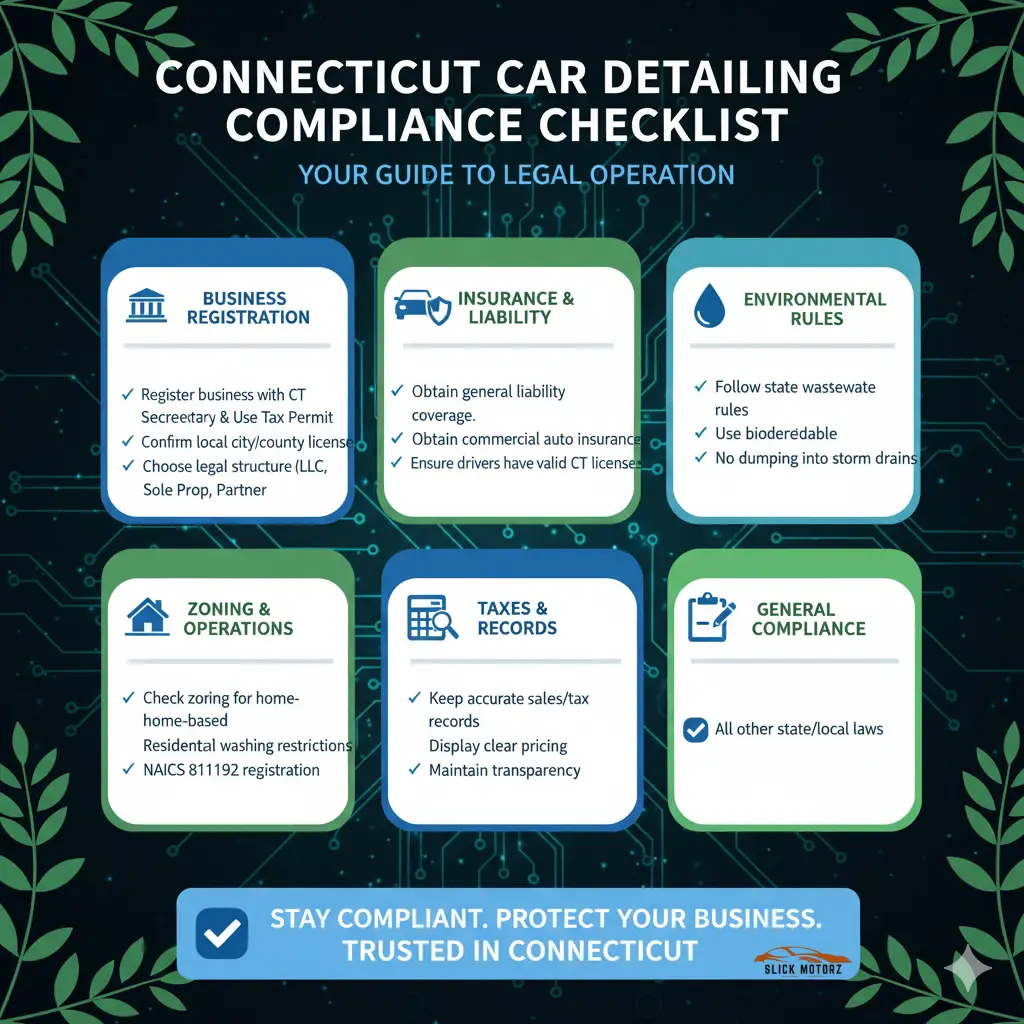
Choose a business structure before registering your car detailing company. Common options include sole proprietorship, LLC, or partnership. Register your chosen structure with the Connecticut Secretary of State. This step makes your business official and protects your legal rights. LLCs offer personal liability protection. Sole proprietorships are easier to set up but offer less protection. Pick the structure that fits your goals and risk level.
Sales And Use Tax Permits
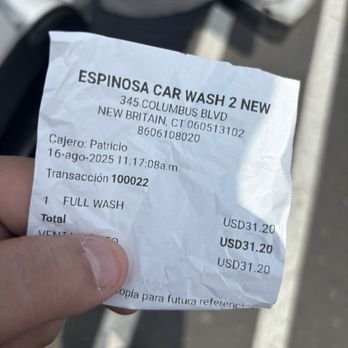
Car detailing services in Connecticut must collect sales tax. To do this, get a Sales and Use Tax Permit from the Connecticut Department of Revenue Services. This permit allows you to charge and report sales tax legally. Apply online through the DRS website. Keep accurate records of all sales and taxes collected. Failing to get this permit can lead to fines and business closure.
Credit: m.yelp.com
Driver And Insurance Rules
Operating a car detailing business in Connecticut requires understanding specific driver and insurance regulations. These rules ensure safety and protect both the detailer and the vehicle owner. Knowing the requirements helps avoid legal issues and builds trust with customers.
Driver’s License Necessity
Every car detailer who drives a customer’s vehicle must hold a valid driver’s license. Connecticut law demands proof of licensing before allowing anyone to operate a vehicle on public roads. This rule applies to employees and business owners alike. Without a proper license, a detailer risks fines and business penalties.
Insurance Coverage For Detailers
Insurance is essential for car detailers in Connecticut. General liability insurance covers damage caused during detailing. Auto insurance protects vehicles in case of accidents while driving. Many businesses require both types to operate legally. Proper insurance safeguards the business from costly claims and lawsuits.
Environmental Regulations
Environmental regulations play a key role in Connecticut’s car detailing industry. These rules help protect water sources and local ecosystems. Car detailers must follow strict guidelines to reduce pollution and manage waste responsibly.
Understanding these regulations is important for both businesses and customers. Compliance ensures a safer environment and avoids legal penalties. The state has clear rules about wastewater disposal and runoff management. These laws keep harmful chemicals out of storm drains and waterways.
Wash Water Disposal Laws
Connecticut requires car detailers to handle wash water carefully. Wastewater from cleaning cars often contains oils, detergents, and dirt. These substances can harm local water bodies if disposed of improperly.
The state forbids dumping wastewater into storm drains or onto the ground. Instead, detailers must collect and treat this water. Proper disposal often means sending it to a sanitary sewer system or a licensed treatment facility.
Following these laws helps prevent pollution and protect aquatic life. Businesses must obtain permits and follow specific treatment standards. Failure to comply can lead to fines and legal action.
Runoff Management Guidelines
Runoff management is critical during car detailing. Rainwater can carry pollutants from detailing sites into rivers and lakes. Connecticut sets guidelines to control this runoff and reduce contamination risks.
Detailers should use barriers or containment systems to stop runoff. They must avoid washing cars near storm drains or natural water bodies. Using biodegradable and less toxic cleaning products also reduces environmental impact.
Proper site maintenance and regular inspections ensure these guidelines are met. Runoff control protects public health and maintains clean water for communities. Adhering to these rules supports sustainable car detailing practices in Connecticut.
Credit: x.com
Tax Obligations
Understanding tax obligations is essential for car detailing businesses in Connecticut. Proper tax compliance avoids legal issues and financial penalties. Business owners must know which services are taxable and how to manage their tax duties efficiently.
Sales Tax On Detailing Services
Connecticut requires sales tax on most car detailing services. This includes interior cleaning, waxing, and polishing. Businesses must collect the state sales tax from customers. The current sales tax rate in Connecticut is 6.35%. Detailers must register for a Sales and Use Tax Permit before starting operations. Proper invoicing must show the sales tax charged. Failure to collect or report sales tax can lead to fines.
Impact On Car Wash Operations
Car wash businesses that offer detailing services face specific tax rules. Sales tax applies to both car washing and detailing services. Operators must separate taxable services from non-taxable ones on bills. This clarity helps avoid confusion during tax audits. Car wash owners should keep detailed records of all services sold. Compliance with tax laws ensures smooth business operations in Connecticut.
Local Ordinances
Local ordinances in Connecticut play a key role in regulating car detailing businesses. These rules vary by county and city. They help protect the environment and maintain community standards. Understanding local laws can prevent fines and legal issues. Car detailers must follow these ordinances closely to operate smoothly.
County-level Licensing
Most counties in Connecticut require a license to run a car detailing business. This license ensures the business meets health and safety standards. The process includes submitting an application and paying a fee. Some counties may require proof of insurance. Licensing helps local authorities track businesses and enforce regulations.
Counties may also have specific rules about business hours and noise levels. These rules aim to reduce disturbances in residential areas. Checking with your county office before starting is essential. This step avoids unexpected legal problems and fines.
Restrictions On Residential Washing
Many local ordinances restrict washing cars at home for business purposes. These rules prevent water pollution and protect local water supplies. Some towns ban commercial car washing on residential property completely. Others allow it but limit water use or require special permits.
Using commercial facilities or mobile detailing services often avoids these restrictions. Businesses must also handle wastewater properly to meet environmental laws. Failure to follow these rules can result in penalties or shutdowns. Knowing your town’s rules helps you stay compliant and eco-friendly.
Credit: m.yelp.com
Pricing And Service Codes
Understanding pricing and service codes is essential for car detailing businesses in Connecticut. These codes help standardize charges and ensure compliance with state regulations. They guide how detailers set prices and classify their services for tax and licensing purposes.
Standard Pricing Practices
Car detailing prices in Connecticut vary by service type and vehicle size. Most businesses charge a base fee for basic cleaning. Extra services like waxing or engine cleaning add to the cost. Prices usually reflect the time and materials used. State law requires clear pricing to avoid customer disputes. Many detailers list prices upfront to maintain transparency.
Business Classification Codes
Connecticut uses specific business classification codes for car detailing services. These codes help identify the type of service for tax and legal records. Common codes include those for car washing, waxing, and interior cleaning. Proper classification ensures correct tax collection. It also helps businesses meet state licensing requirements. Detailers must register under the correct code with the Department of Revenue Services.
Frequently Asked Questions
Do You Need An LLC for A Car Detailing Business?
You don’t need an LLC to start a car detailing business. Choose a structure like a sole proprietorship or LLC based on liability and tax preferences. Register your business and obtain the necessary local licenses and permits before operating.
Do You Need A Driver’s License To Be A Car Detailer?
A driver’s license is usually required for car detailers, especially if driving client vehicles. Requirements vary by employer and location.
What Is The Business Code For a Car Detailer?
The business code for a car detailer is typically classified under NAICS 811192, which covers car wash and detailing services.
How Much Can I Charge For Detailing Cars?
You can charge $50 to $300 per car, depending on service type, vehicle size, and location. Premium packages cost more.
Conclusion
Understanding Connecticut’s car detailing laws helps you stay legal and safe. Register your business properly and get the required permits. Always collect sales tax on your detailing services. Keep your driver’s license and insurance up to date. Follow local rules to avoid fines or shutdowns.
Clear knowledge makes your car detailing business run smoothly. Stay informed to protect your investment and customers. Simple steps lead to successful and legal car detailing in Connecticut.
For workplace safety compliance, check out our post on OSHA Safety Requirements for Auto Detailing Shops. Staying safe and compliant ensures long-term business success.