Are you running a car detailing business or thinking about starting one in Nebraska? Before you get those cleaning supplies and polish out, it’s important to know the laws that affect your work.
Car detailing in Nebraska isn’t just about making vehicles shine—it’s about following specific rules that keep your business legal and your customers safe. From business licenses and tax permits to regulations on vehicle washing and environmental standards, understanding these laws can save you from costly fines and headaches.
Keep reading to discover exactly what you need to know to keep your car detailing venture running smoothly and within Nebraska’s legal boundaries.

Credit: www.hauptman-obrien.net
Business Licensing For Car Detailers
Starting a car detailing business in Nebraska requires understanding the business licensing process. Proper licensing ensures your business operates legally and builds trust with customers. It also helps avoid fines or shutdowns by state and local authorities.
Getting the right licenses involves several steps. You must know the specific requirements set by Nebraska and your local city or county. Choosing the correct business structure affects your registration and tax obligations. Registering your business officially is the last key step before you can begin operations.
State And Local Requirements
Nebraska requires car detailers to have a sales and use tax permit. This allows you to collect and pay taxes on your services. Local cities or counties may have additional permits or licenses. Check with your city hall or county clerk to learn about local rules. You may also need permits related to environmental laws if using certain chemicals.
Choosing A Business Structure
Selecting a business structure impacts taxes and liability. Common types include sole proprietorship, partnership, or limited liability company (LLC). A sole proprietorship is simple but offers no personal liability protection. An LLC separates your personal assets from business debts. Partnerships share profits and responsibilities among owners. Choose what fits your needs and goals best.
Registering Your Business
Register your business with the Nebraska Secretary of State. This step makes your business official and legal. You will need to file forms depending on your chosen structure. For example, LLCs require Articles of Organization. Sole proprietors may only need to file a trade name if using one. After registration, apply for your sales tax permit with the Nebraska Department of Revenue.
Sales Tax And Permits
Understanding sales tax and permits is crucial for car detailing businesses in Nebraska. These rules ensure your business runs legally and avoids penalties. Knowing what permits to obtain and how to handle sales tax helps you focus on your service and customers.
Sales And Use Tax Permit
Car detailing businesses in Nebraska must get a sales and use tax permit. This permit allows you to collect tax from your customers. You apply for it through the Nebraska Department of Revenue. Operating without this permit can lead to fines and legal issues.
Taxable And Non-taxable Services
Some car detailing services are taxable, and others are not. Washing and waxing a vehicle are taxable services in Nebraska. Installation of accessories or equipment also requires tax collection. Services like simple cleaning without added products might not be taxable. Check Nebraska tax rules carefully to know what applies to your services.
Collecting Local Taxes
Nebraska has local sales taxes that vary by city or county. Car detailers must collect these local taxes on top of the state sales tax. The total tax rate depends on the location of the service. Make sure to stay updated with local tax rates to charge customers correctly and avoid problems with tax authorities.
Vehicle Registration And Display Rules
Understanding vehicle registration and display rules is essential for car owners in Nebraska. These rules ensure vehicles are legally recognized and easily identifiable. Proper display of registration and license plates helps avoid fines and legal issues. Compliance with Nebraska’s regulations protects your vehicle and your rights on the road.
Proper License Plates
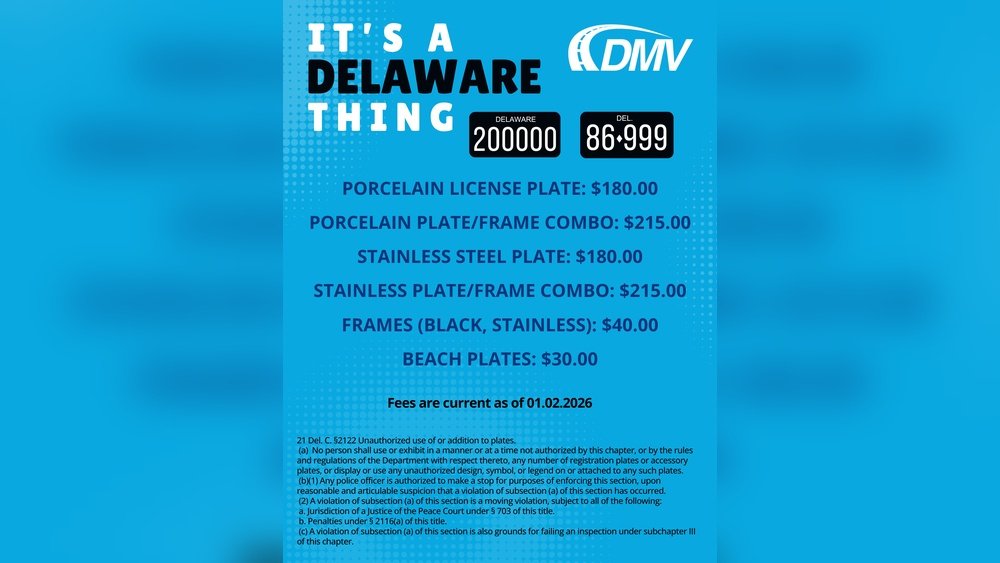
Every vehicle in Nebraska must have proper license plates issued by the state. Plates must be clearly visible and securely attached to the front and rear of the vehicle. The plate numbers must be readable at all times. Temporary or dealer plates have specific display requirements. Displaying the correct plates avoids penalties and keeps your vehicle legal.
Prohibited Alterations
Altering license plates or registration certificates is illegal in Nebraska. Changing, defacing, or covering any part of the plate is prohibited. Use of fake or altered plates can result in fines or criminal charges. Plates must remain in their original condition to be valid. These rules help prevent fraud and maintain road safety.
Registration Compliance
Vehicle registration must be current and renewed on time. Owners must carry proof of registration when driving. Displaying expired or invalid registration is against Nebraska law. Registration fees support road maintenance and public services. Staying compliant ensures smooth travel and avoids legal trouble.
Environmental Regulations
Nebraska enforces strict environmental regulations on car detailing. These rules protect air and water quality. They help reduce pollution caused by detailing activities. Compliance is essential for both businesses and individuals. Understanding these regulations avoids legal issues and fines.
Fume And Smoke Prevention
Nebraska law restricts the release of fumes during detailing. Detailers must use products that limit harmful emissions. Equipment should prevent smoke and vapor leaks. Proper ventilation is required in indoor detailing shops. This helps keep the air clean and safe for workers and customers.
Water Usage Restrictions
Nebraska controls water use in car washing and detailing. Excessive water use is not allowed to conserve resources. Some areas impose limits during drought or dry seasons. Detailers must use water-efficient methods and tools. Recycling water is encouraged to reduce waste.
At-home Washing Limitations
Washing cars at home faces certain restrictions in Nebraska. Runoff water cannot drain into storm drains or natural waterways. Detergents and chemicals used must be environmentally safe. Some cities may ban at-home washing during water shortages. Always check local rules before washing your car outside.
Operating Permits And Traffic Laws
Operating permits and traffic laws shape how car detailing businesses run in Nebraska. Understanding these rules helps avoid fines and legal trouble. These laws cover licensing, traffic violations, and reporting requirements for operators.
Operator’s License Requirements
Every car detailer who drives vehicles must have a valid Nebraska operator’s license. The license proves legal permission to drive on public roads. Operating without a license can lead to penalties and points on your driving record. Always carry your license while working to comply with state laws.
Traffic Violation Penalties
Violating traffic laws during car detailing work results in fines or other penalties. Common violations include speeding, improper parking, or driving without a license. Nebraska assigns points to your driving record for each violation. Accumulating points may lead to license suspension or higher insurance costs.
Reporting To Dmv
Nebraska law requires reporting certain traffic violations to the Department of Motor Vehicles (DMV). This includes driving without a license or causing accidents. Timely reporting helps keep your driving record accurate. Failing to report may cause further legal problems or penalties.

Credit: stereowestautotoys.com
Service Restrictions And Guidelines
Nebraska sets clear rules for car detailing services to ensure safety and quality. These rules affect how businesses operate and serve customers. Following these guidelines helps protect both the detailer and the vehicle owner. Understanding these service restrictions is crucial for anyone working in this field.
Mobile Detailing Rules
Mobile car detailers in Nebraska must follow specific regulations. They need proper permits to operate in different locations. Using water on public streets may require special approval. Mobile services must avoid creating traffic hazards or blocking public access. Workers should carry identification and proof of authorization at all times.
Prohibited Practices
Certain actions are banned in Nebraska car detailing services. Using harmful chemicals without proper disposal is illegal. Detailers cannot alter or tamper with vehicle parts during cleaning. It is forbidden to use fake or altered licenses or permits. Unsafe work methods that may cause damage or pollution are also prohibited.
Customer Agreements
Clear agreements between detailers and customers are required. These contracts must outline the services provided and the costs involved. They should include policies on cancellations and refunds. Both parties need to understand the scope of work before starting. Written agreements protect against disputes and build trust.

Credit: nebraskaexaminer.com
Frequently Asked Questions
Do You Need An Llc To Be A Car Detailer?
You do not need an LLC to be a car detailer. Choose any business structure and register it legally. Obtain required state and local licenses.
What Is The Statute 60 399 In Nebraska?
Nebraska Statute 60-399 regulates the display and use of license plates and registration certificates on vehicles. It prohibits fictitious, altered, or unauthorized plates and certificates. Violations can lead to fines and legal penalties under Nebraska motor vehicle laws.
What Is The Statute 60 6286 In Nebraska?
Nebraska Statute 60-6286 regulates motor vehicle registration and prohibits displaying fictitious or altered license plates or registration certificates. It ensures proper vehicle identification and compliance with state laws.
What Is The Statute 60 489 In Nebraska?
Nebraska Statute 60-489 prohibits displaying fictitious, altered, or unassigned license plates on motor vehicles. It ensures proper vehicle registration.
Conclusion
Understanding Nebraska’s car detailing laws helps keep your business legal. Register your business properly before starting services. Always collect and report sales tax as required by law. Use only authorized and current license plates on vehicles. Follow all state rules to avoid fines and penalties.
Staying informed protects your reputation and customers. Keep your detailing work safe and professional every day. Compliance makes your business trustworthy and successful in Nebraska.