When it comes to keeping your car looking its best, you might wonder whether to use polish or wax—and more importantly, when and why. You want your car’s paint to shine brilliantly, but you also want it protected from the harsh Austin sun and everyday grime.
Understanding the difference between car polish and wax is the key to achieving that showroom finish you’re after. You’ll discover how polish restores your car’s paint by removing scratches and dullness, while wax seals in that shine and shields your ride from damage.
Ready to learn which one your car truly needs and how to use them the right way? Keep reading to unlock the secrets to a flawless, protected finish that turns heads wherever you go.

Credit: www.villadegrecis.com
Car Polish Basics
Understanding the basics of car polish helps keep your vehicle looking fresh. Polish improves the car’s surface by removing tiny scratches and dull spots. It prepares the paint for a smooth, shiny finish. Learning when and how to use polish can save time and effort.
Polishing is not the same as waxing. Each has a different role in car care. Knowing these differences helps you choose the right product for your needs.
Purpose And Benefits
Car polish removes light scratches, oxidation, and stains from paint. It restores the car’s original shine and smoothness. Polish also helps to even out the paint surface. This makes the car look newer and cleaner. Using polish regularly keeps your paint healthy and bright.
How It Works
Polish contains mild abrasives that gently wear away the damaged paint layer. This process reveals fresh paint underneath. It also smooths the surface by filling in small imperfections. The result is a glossy and even finish. Polishing prepares the car for the next step in care, like waxing.
When To Use Polish
Use polish when the paint looks dull or has light scratches. It works well after washing the car. Avoid polishing too often, as it wears down the paint. Usually, polishing once or twice a year is enough. Always polish before applying wax for the best protection.
Car Wax Essentials
Car wax is a key part of vehicle care. It adds shine and guards paint. Understanding wax helps you protect your car better.
Wax forms a thin layer on the paint surface. This layer blocks dirt, water, and harmful elements. Applying wax correctly keeps your car looking fresh longer.
Protective Features
Wax shields paint from sunlight and rain damage. It helps prevent fading and discoloration. Wax also repels water and stops dirt from sticking. This layer reduces scratches and swirl marks too.
Application Process
Apply wax on a clean, dry car surface. Use a soft cloth or foam applicator. Spread wax evenly in small sections. Let it dry to a haze, then buff gently. Buffing brings out the shine and smooth finish.
Ideal Timing For Waxing
Wax your car every three to four months. Choose a cool, shaded place to wax. Avoid waxing under direct sunlight. Wax after washing and drying your car well. This timing keeps your car’s shine bright and paint protected.
Polish Vs Wax: Key Differences
Understanding the difference between car polish and wax is important for proper car care. Each product has a unique role in maintaining your vehicle’s appearance. Knowing these differences helps you choose the right product for your needs.
Function And Results
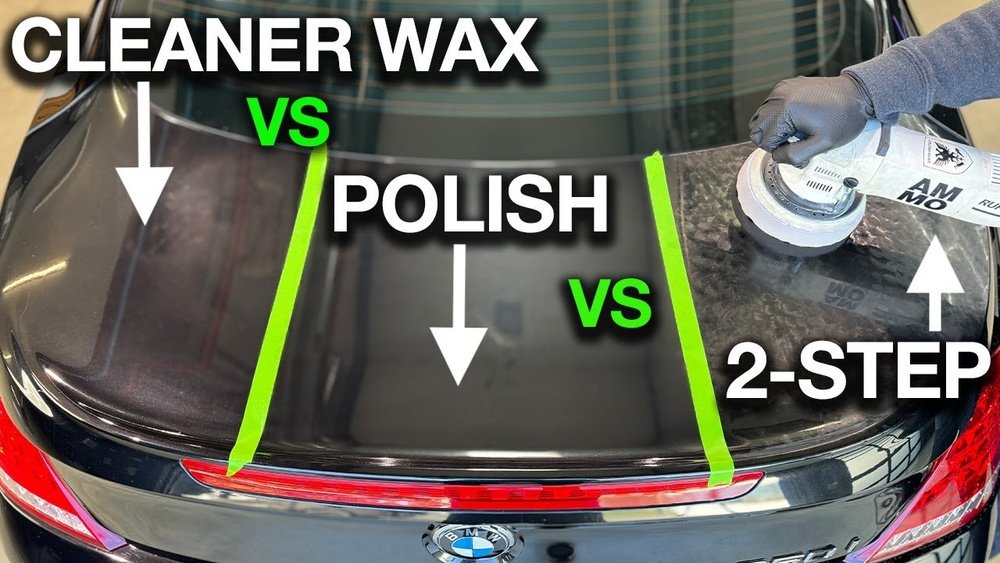
Car polish removes small scratches, oxidation, and dullness from the paint. It smooths the surface and restores shine. Wax adds a protective layer on top of the paint. It enhances shine and repels water and dirt. Polish improves the paint’s condition. Wax protects the polished surface.
Surface Effects
Polish works by mildly abrading the paint to even out imperfections. It leaves the surface clean and bright. Wax does not remove defects but fills tiny pores and adds gloss. It creates a smooth, slippery finish that feels slick to touch. Polish prepares the surface. Wax finishes and protects it.
Longevity And Maintenance
Polishing lasts until the paint surface wears or dirt returns. It usually needs repeating every few months. Wax lasts for weeks to a few months depending on the type. It wears off due to weather and washing. Regular waxing keeps the paint sealed after polishing. Maintenance involves polishing less often and waxing more often.
Step-by-step: Polish Then Wax
Achieving a deep, lasting shine on your car requires the right process. Polishing first removes surface imperfections, preparing the paint for protection. Waxing next seals that surface, enhancing gloss and guarding against damage. Follow this step-by-step guide to polish then wax your car correctly. This method boosts shine and keeps your paint safe longer.
Preparing The Surface
Start by washing your car thoroughly. Remove dirt, grime, and old wax. Use a gentle car shampoo and clean water. Dry the surface completely with a soft microfiber towel. Check for paint defects like scratches or swirl marks. Make sure the paint is cool and out of direct sunlight before polishing.
Correct Order Of Application
Apply polish first using a foam applicator or polishing pad. Work in small sections with light, circular motions. Let the polish dry to a haze, then buff off with a clean microfiber cloth. After polishing the entire car, wait a few minutes. Next, apply wax in thin, even layers. Allow the wax to haze before buffing off to reveal a shiny finish.
Tips For Best Shine
Use high-quality products designed for your paint type. Apply polish and wax in shaded areas to avoid streaks. Replace applicator pads often to prevent dirt from scratching paint. Buff gently with a soft cloth to avoid damage. Repeat waxing every few months to maintain protection and gloss.
Common Mistakes To Avoid
Understanding the common mistakes helps keep your car’s paint in great shape. Many people confuse polishing and waxing or use these products wrong. Avoiding these errors saves time and protects your car’s finish. Below are key mistakes to watch out for.
Using Polish Or Wax Incorrectly
Polish removes small scratches and smooths the paint. Wax adds shine and protection. Using polish as wax or wax as polish can harm the surface. Apply polish with a soft cloth and buff gently. Wax should be spread evenly and wiped off before drying. Wrong use may cause dullness or streaks.
Skipping Wax After Polishing
Polishing cleans the paint but leaves it unprotected. Wax forms a barrier against dirt and UV rays. Skipping wax after polish exposes paint to damage. Always apply wax after polishing to seal and protect the surface. This step keeps your car looking fresh longer.
Choosing Low-quality Products
Cheap polish or wax may contain harsh chemicals. These can damage the paint or leave residue. Using low-quality products wastes effort and money. Invest in well-known brands with good reviews. Quality products improve shine and protect your car better.
Alternatives To Wax
Wax is a popular choice for protecting car paint. Still, there are other options that offer different benefits. These alternatives can provide longer-lasting protection and easier maintenance. Understanding these options helps you choose what suits your car and budget best.
Sealants Overview
Sealants are synthetic products that form a protective layer on your car’s paint. They last longer than wax, often up to six months. Sealants provide a glossy finish and protect against UV rays, dirt, and water. They are easy to apply and dry quickly. Sealants do not give the same deep shine as wax but offer stronger protection.
Ceramic Coatings Benefits
Ceramic coatings create a hard, durable shield on the paint surface. They bond chemically to the paint, making them very tough. This coating repels water, dirt, and chemicals better than wax or sealants. Ceramic coatings can last for years with proper care. They reduce the need for frequent washing and polishing. The finish looks smooth and shiny, keeping your car looking newer longer.
Cost Vs. Performance
Wax is usually the cheapest option, but it needs frequent reapplication. Sealants cost more but last longer and offer better protection. Ceramic coatings are the most expensive choice upfront. Their durability and ease of maintenance often justify the price. Consider how much time and money you want to spend on car care. Choose the product that fits your schedule, budget, and desired results.
Maintaining Your Car’s Shine
Maintaining your car’s shine keeps it looking fresh and protects its value. A glossy finish enhances your vehicle’s appearance and guards the paint from damage. Both polish and wax play key roles in this process. Knowing how to care for your car regularly will help you keep that showroom shine for longer.
Routine Care Tips
Wash your car often using mild soap and water. Avoid harsh chemicals that strip wax or polish. Use soft cloths or sponges to prevent scratches. Dry the surface with a clean towel to avoid water spots. Regular cleaning removes dirt and grime that dull the shine. Check the paint for rough spots before applying polish or wax.
Frequency Of Polishing And Waxing
Polish your car only a few times a year. It removes minor scratches and smooths the paint. Over-polishing can damage the clear coat. Waxing should happen every two to three months. Wax adds a protective layer against UV rays and dirt. Adjust frequency based on weather and storage conditions. Cars kept outside may need wax more often.
Protecting Paint From Damage
Always polish and wax in the shade to prevent streaks. Use quality products designed for your car’s paint type. Avoid applying polish or wax on hot surfaces. Keep the paint safe from bird droppings, tree sap, and road salt. These can eat into the paint if not cleaned quickly. Wax forms a shield that helps prevent this damage. Regular care preserves the car’s color and gloss.

Credit: www.ueautotechs.com

Credit: www.youtube.com
Frequently Asked Questions
Do You Wax Or Polish Your Car First?
Polish your car first to remove scratches and oxidation. Then, apply wax to protect and enhance shine.
What Are The Disadvantages Of Car Polish?
Car polish can damage paint if used incorrectly or if low-quality products are applied. It may also remove protective layers. Frequent polishing risks thinning the clear coat. Polishing without waxing leaves paint vulnerable to oxidation and stains. It requires skill and care for safe results.
How Long Does A Car Polish Last?
A car polish typically lasts 1 to 3 months, depending on product quality and environmental conditions. Regular waxing extends protection.
What Happens If You Don’t Wax Your Car After Polishing?
Not waxing after polishing leaves the paint unprotected. It can oxidize, stain, and dull quickly, requiring frequent polishing. Wax seals and shields the surface from UV rays, dirt, and moisture, preserving shine and paint health longer. Regular waxing extends the polish effects effectively.
Conclusion
Car polish and wax both improve your car’s look but serve different roles. Polish smooths the paint by removing scratches and dull spots. Wax adds a protective layer that keeps your car shiny and safe from damage. Use polish first to prepare the surface, then apply wax to seal and protect it.
Regular care with both products helps your car stay beautiful longer. Choose the right product based on your car’s needs for best results. Simple steps make a big difference in maintaining your vehicle’s finish.