
Winter can be tough on your car’s appearance and health. You might think skipping a car wash during cold months is the smart move, but what if washing your car in winter actually protects your paint and prevents damage?
Imagine driving through Austin’s chilly streets with a clean, shiny car that stands out—even when the weather is harsh. You’ll discover why a winter car wash is not only safe but essential, how to do it the right way, and the surprising benefits that keep your vehicle looking great all season long.
Ready to keep your car spotless despite the cold? Let’s dive in.
Credit: mycalcas.com
Winter Wash Challenges
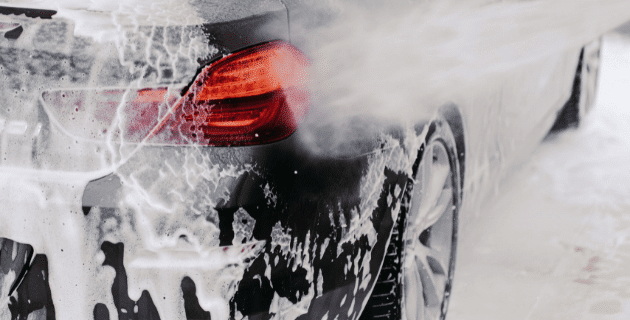
Washing a car in winter brings unique difficulties. Cold air and harsh road conditions make cleaning tricky. Dirt clings harder, and water can freeze quickly. These challenges need special care to keep your car safe and clean.
Understanding these issues helps you protect your vehicle better. Below are the main winter wash challenges to expect.
Cold Weather Effects
Cold temperatures cause water to freeze fast on your car. This can damage paint and seals. Washing in freezing weather risks ice forming on windows and doors. Cold air also reduces soap effectiveness, making dirt removal harder.
Salt And Road Grime Impact
Road salt melts snow but harms your car’s surface. Salt sticks to paint and metal, causing rust over time. Grime mixes with salt and dirt, creating a tough layer to remove. Regular washing is needed to stop corrosion and protect the finish.
Freezing Risks
Water left on the car can freeze into ice sheets. Ice can crack paint or trap dirt under it. Freezing water in door locks and seals causes them to stick or break. Careful drying and timing your wash help avoid these freezing problems.
Choosing The Right Time
Choosing the right time to wash your car in winter helps protect your vehicle. Cold weather and road salt can harm your car’s paint and undercarriage. Washing at the best time reduces risks and keeps your car looking good. Timing your wash carefully avoids freezing problems and damage.
Best Temperature Window
Wash your car when temperatures stay above 40°F (4°C). This stops water from freezing on the surface or in locks. Avoid washing if temperatures drop below freezing soon after. Midday is usually warmer, making it safer to clean your car.
Ideal Weather Conditions
Choose a dry day with no strong winds. Sunlight helps dry your car faster, preventing ice spots. Avoid washing during rain or sleet to stop dirt from sticking again. Calm weather helps your car dry evenly.
Avoiding Snowfall Periods
Do not wash your car during or right before snowstorms. Snow can cover your clean car with salt and dirt quickly. Wait at least a day after snow stops falling. This gives time for roads to clear and your car to stay clean longer.
Preparing Your Car
Preparing your car for a winter wash is essential for protecting its finish. Cold weather adds challenges that require extra care. Taking simple steps can prevent damage and keep your car looking great.
Warm Up Engine And Surface
Start your car and let the engine run for a few minutes. This warms up the engine and car surface. Warm surfaces help water and soap rinse off dirt easily. It also stops water from freezing quickly on your car.
Inspect For Damage
Check your car for cracks, chips, or loose parts. Cold weather can make damage worse. Fix small problems before washing to avoid bigger repairs later. Look closely at the paint, tires, and windows.
Protect Sensitive Areas
Cover areas like door seals and locks with a silicone spray or grease. These parts can freeze if wet. Avoid spraying directly on brakes or exhaust. Protecting these areas keeps your car working well in winter.
Effective Washing Techniques
Washing your car in winter needs special care. Dirt, salt, and grime stick more during cold months. Use the right washing techniques to protect your car’s paint and parts. Clean your car properly to avoid damage and keep it looking great all season.
Using Warm Water Safely
Warm water helps remove salt and dirt faster. Avoid hot water as it can crack cold glass and paint. Use water that feels comfortably warm to the touch. Wash your car in a shaded area to prevent quick freezing. Rinse quickly to stop water from freezing on the surface.
Proper Soap And Products
Choose soaps made for winter or all-season use. Avoid harsh chemicals that strip wax or damage paint. Use pH-balanced car wash soaps to protect the finish. Products with de-icing agents can help remove salt. Always follow the product instructions for best results.
Focus On Undercarriage And Wheels
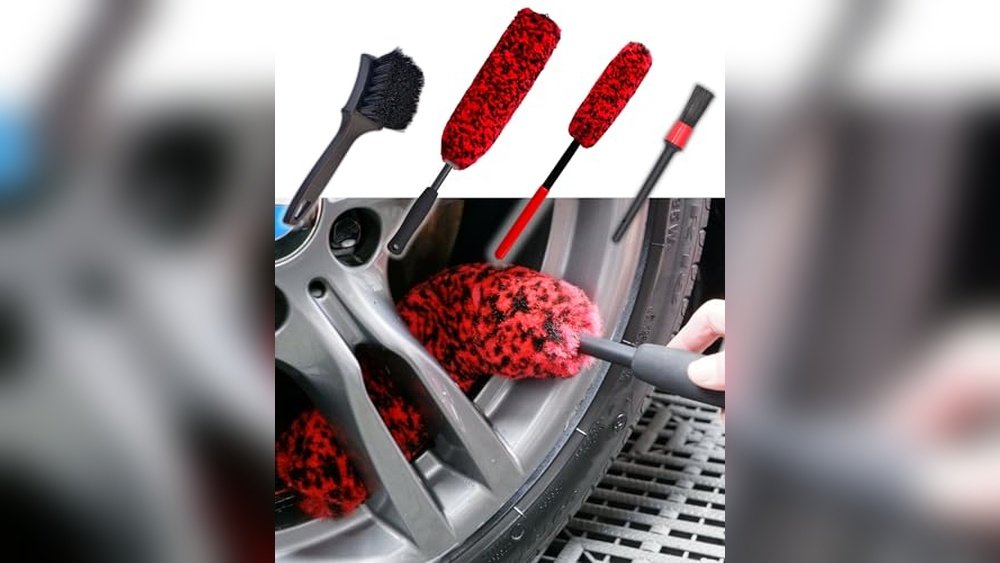
The undercarriage collects the most salt and grime. Use a hose or pressure washer to clean underneath well. Dirty wheels can cause brake problems and rust. Use a wheel cleaner safe for winter conditions. Pay close attention to wheel wells and brakes to avoid buildup.
Drying And Protection Tips
Drying your car properly after a winter wash is crucial. Cold temperatures can cause water to freeze quickly on the surface. This can damage the paint and create ice patches on windows and mirrors. Protecting your car’s finish keeps it looking good and helps avoid costly repairs.
Use the right tools and products to dry and protect your vehicle. This section shares simple tips to keep your car safe during winter washes.
Preventing Water Freeze
Remove all water from your car’s surface fast. Standing water can freeze and cause ice spots. Dry areas like door edges, mirrors, and windows carefully. Open doors slightly to dry the seals and prevent freezing shut. Park your car in a warm garage or sheltered spot after washing. This reduces the chance of water freezing on the body.
Using Microfiber Towels
Microfiber towels absorb water well and do not scratch paint. Use clean, dry towels to wipe your car after washing. Pat the surface gently rather than rubbing hard. This method helps remove moisture without damaging the finish. Keep several towels handy to avoid spreading dirt or grit. Replace towels often to maintain their effectiveness.
Applying Wax Or Sealants
Wax or paint sealants add a protective layer on your car’s surface. They help repel water and salt, reducing corrosion risk. Apply wax after drying your car completely. Use a soft cloth or applicator pad and work in small sections. Let the wax cure before exposing your car to snow or rain. Reapply wax regularly during winter for ongoing protection.
Credit: www.capitalone.com
Common Myths About Winter Car Washes
Many car owners hesitate to wash their cars in winter. Several myths cause this fear. These myths can stop you from protecting your car’s finish and health. Understanding the truth about winter car washes helps you care for your vehicle properly.
Myth: Washing Damages Paint
Some believe cold water harms the car’s paint. Others say washing causes scratches faster in winter. The paint is strong and designed to handle weather changes. Using warm water and gentle soap protects your car’s surface. Avoid harsh brushes or dirty towels that can scratch the paint.
Myth: Skip Washes To Avoid Freeze
Many avoid washing to stop water from freezing on the car. Washing in freezing weather is safe if done right. Use a warm water wash and dry the car quickly. A quick drying prevents ice from forming on the surface. Waiting to wash can leave salt and dirt that damage the car.
Truth About Salt Removal
Road salt causes rust and corrosion on cars in winter. Salt sticks under the car and in wheel wells. Washing removes salt and protects metal parts from rust. Focus on the undercarriage and tires during your wash. Regular salt removal extends your car’s life and keeps it looking good.
Professional Vs Diy Washing
Choosing between professional car wash services and washing your car yourself in winter can be tricky. Both methods have their own advantages. Understanding these will help keep your vehicle clean and protected during cold months.
Benefits Of Hand Wash Services
Professional hand washes use warm water and special tools. They clean salt and grime from hard-to-reach areas. Experts can wash the undercarriage to prevent rust. They dry your car quickly to stop ice from forming. This service saves time and reduces damage risk.
When To Wash Yourself
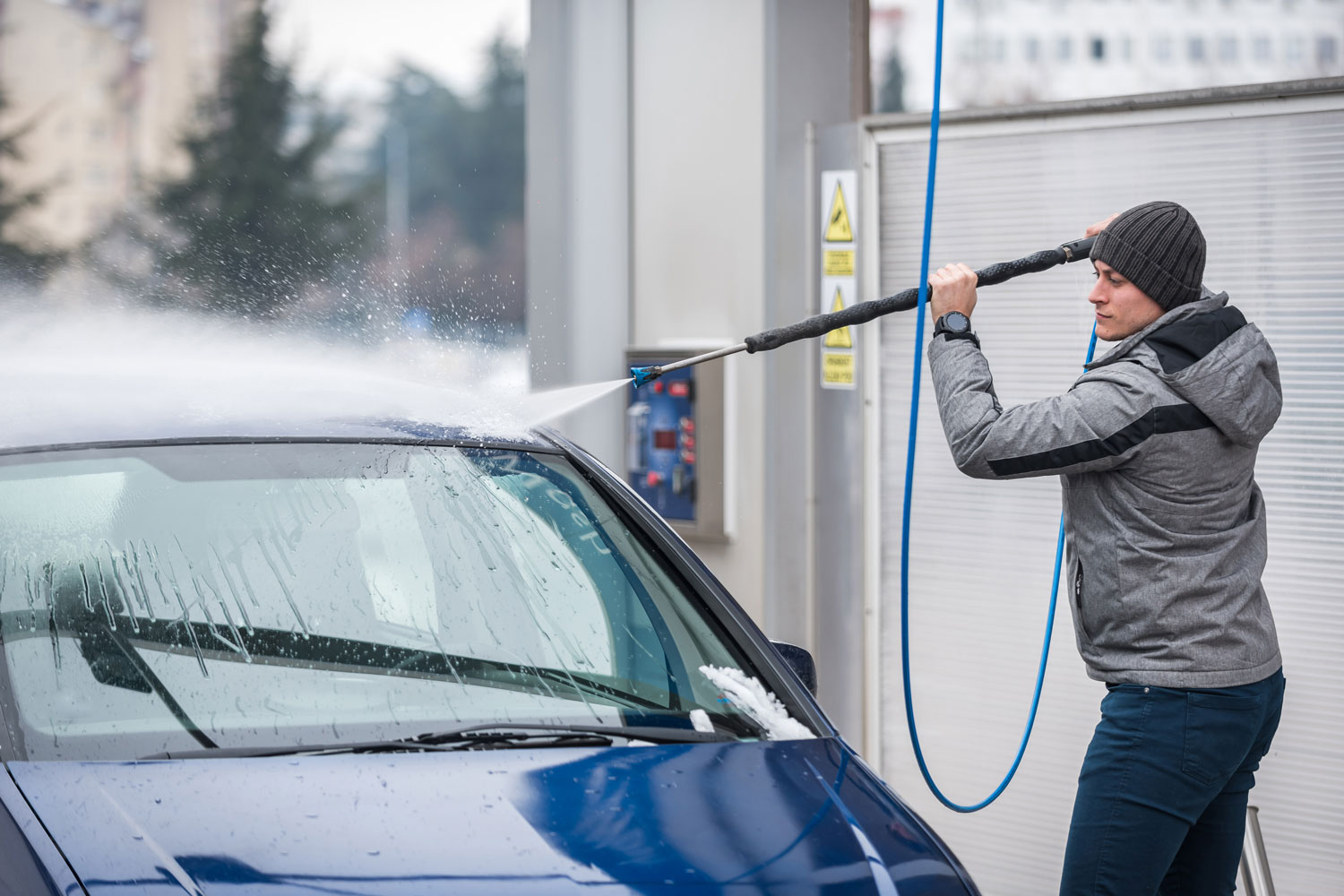
Washing your car at home works well on warmer winter days. It lets you control the cleaning process. Use warm water and gentle soap to protect the paint. Avoid washing if the temperature is below freezing. Dry the car immediately to stop ice buildup.
Cost And Convenience
DIY washing costs less but takes time and effort. You need supplies like soap, cloths, and warm water. Professional washes cost more but are faster and thorough. They handle tough winter dirt and salt better. Choose based on your budget and schedule.
Credit: www.firestonecompleteautocare.com
Maintaining Cleanliness Between Washes
Keeping your car clean during winter is essential. Snow, salt, and dirt build up fast. Washing every day is not always possible. Maintaining cleanliness between washes helps protect your car’s paint and finish. Simple habits can keep your vehicle looking better longer.
Quick Rinse Options
A quick rinse removes salt and grime before they cause damage. Use a hose with warm water to wash off road salt. This prevents corrosion and rust on your car’s body and undercarriage. Quick rinses take just a few minutes but make a big difference.
Spot Cleaning
Spot clean dirty areas as soon as you see them. Use a soft cloth and mild soap to gently wipe off mud or salt spots. Focus on wheel wells, bumpers, and lower panels where dirt collects most. Spot cleaning helps avoid stains and keeps your car neat.
Regular Inspection
Check your car regularly for dirt, salt, or damage. Look under the car and around the tires for buildup. Inspect paint for scratches or chips that salt can worsen. Early detection allows quick cleaning or repairs. This keeps your car in good shape all winter long.
Frequently Asked Questions
How Cold Is Too Cold For A Car Wash?
Avoid washing your car below 32°F (0°C) to prevent water from freezing on surfaces and causing damage. Choose sunny, warmer winter days above freezing for safe washes.
Can I Get A Carwash When It’s Snowing?
Yes, you can get a carwash when it’s snowing. Choose a warm, sunny time to prevent water from freezing. Regular washes remove harmful salt and grime. Use hand or automatic washes with undercarriage cleaning for best results. Avoid washing in extreme cold to protect your car’s paint and safety.
How To Clean A Car When It’s Below Freezing?
Warm your car by driving a few minutes and turn the heater on high. Wash during midday when temperatures slightly rise. Use warm water and avoid letting water freeze on surfaces. Dry the car thoroughly to prevent ice formation. Choose a covered or indoor wash if possible.
Is It Safe To Wash Your Car In Winter?
Yes, washing your car in winter is safe if done properly. Use warm water and wash during midday when temperatures rise above freezing to avoid ice formation. This helps remove salt and grime, protecting your car’s paint and undercarriage from damage.
Conclusion
Washing your car in winter protects its paint and metal parts. Salt and dirt can cause rust if left too long. Choose warmer times during the day for washing. Dry your car well to avoid ice forming on surfaces. Regular cleaning keeps your car looking good and lasting longer.
Taking care now saves you money on repairs later. Keep your car clean to drive safely and confidently this winter.