If you’re looking to upgrade your car’s windows, ceramic auto tint is a game-changer you don’t want to miss. Imagine driving in the Texas heat, feeling the sun’s glare fade away while your interior stays cool and protected.
Ceramic tint not only blocks intense heat and harmful UV rays but also keeps your ride looking sleek without interfering with your phone or GPS signals. Curious about how it stacks up against regular tint and whether it’s worth the investment for your vehicle?
Keep reading to discover why ceramic auto tint might be the best choice for you and how it can transform your driving experience.
Benefits Of Ceramic Auto Tint
Ceramic auto tint offers many benefits that improve your driving experience. It keeps your car cooler by blocking heat from the sun. It also protects your skin and car interior from harmful UV rays. The tint lasts a long time and stays clear without fading. It does not interfere with cell phone or GPS signals. These benefits make ceramic tint a smart choice for any vehicle owner.
Superior Heat Rejection
Ceramic tint blocks a large amount of solar heat. It keeps the car interior cooler even on hot days. This reduces the need to use air conditioning often. A cooler car means a more comfortable ride. It also helps save fuel by lowering AC use.
Enhanced Uv Protection
This tint stops up to 99% of harmful ultraviolet rays. UV rays can cause skin damage and fade your car’s upholstery. Ceramic tint protects your skin from sunburn during long drives. It also keeps your car’s interior looking new for years.
Durability And Longevity
Ceramic auto tint resists fading, bubbling, and peeling. It stays clear and strong under tough weather conditions. Unlike dyed or metallic tints, it does not degrade quickly. This means fewer replacements and better value over time.
Signal Clarity Advantages
Some window tints interfere with phone, radio, or GPS signals. Ceramic tint is non-metallic and does not block signals. You get clear reception and uninterrupted connectivity inside your car. This makes driving safer and more convenient.

Credit: premierdetailingandwash.com
Comparing Ceramic And Regular Tint
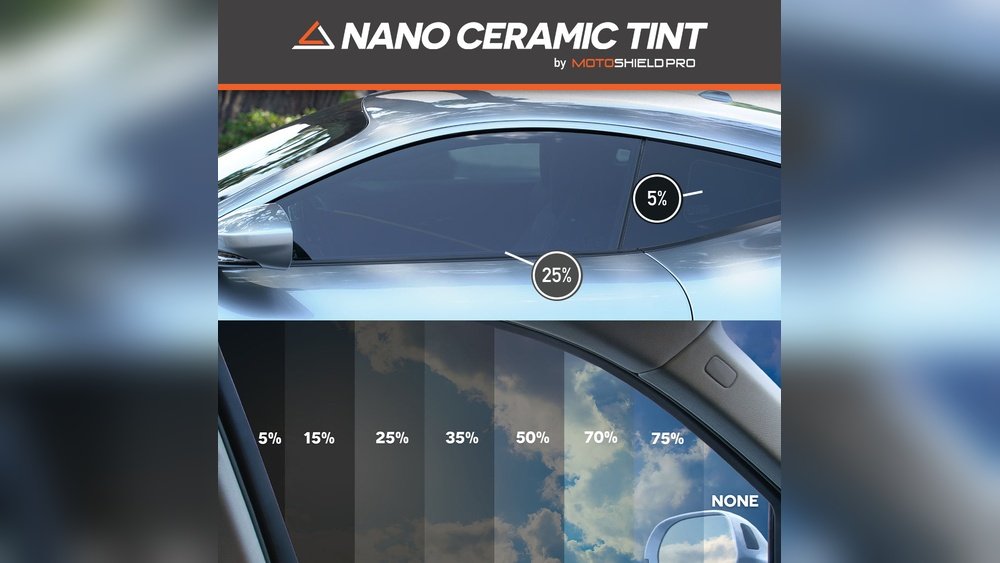
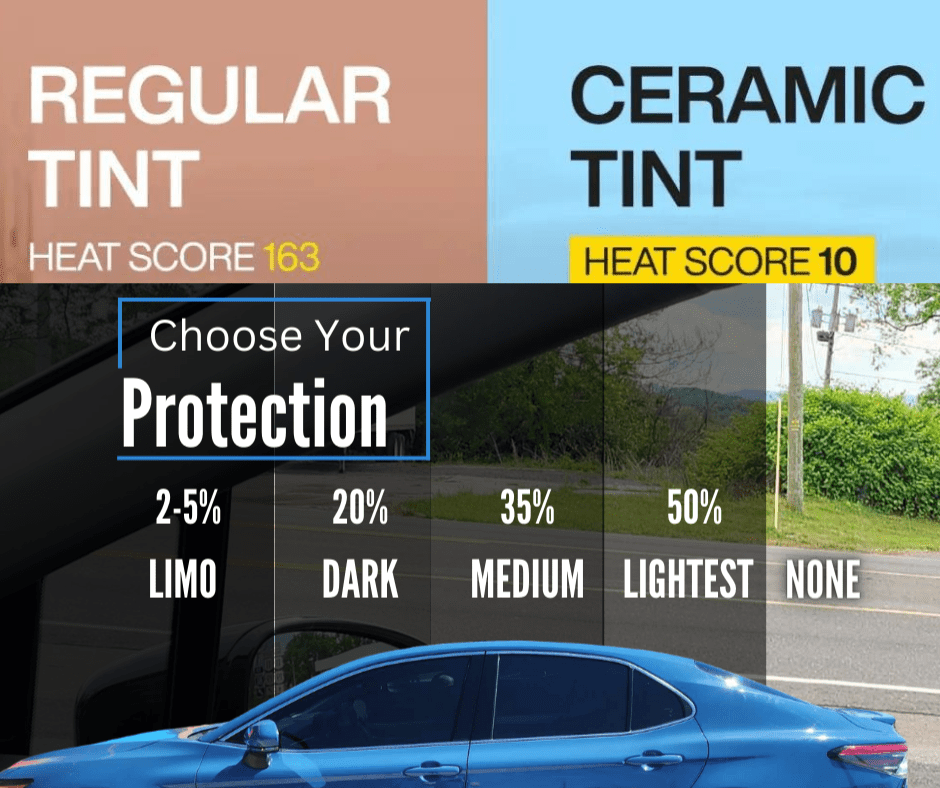
Comparing ceramic and regular auto tint reveals key differences that affect comfort, durability, and cost. Ceramic tint uses advanced technology with ceramic particles. These particles block heat and UV rays better than regular tints. Regular tints mainly use dye or metal layers. These layers offer basic privacy but less protection from heat and sun damage.
Choosing the right tint depends on your needs and budget. Ceramic tints suit hot climates and long-term use. Regular tints work for short-term style and privacy on a budget.
Heat And Uv Blocking Differences
Ceramic tint blocks up to 50% more heat than regular tint. It also filters 99% of harmful UV rays. Regular tints block some UV rays but less heat. This means your car stays cooler with ceramic tint. It helps protect your skin and car interior from sun damage.
Longevity And Maintenance
Ceramic tint lasts longer without fading or bubbling. It resists scratches and keeps its color for years. Regular tint fades faster and may peel or bubble over time. Ceramic tint needs less cleaning and care. Regular tint might need replacing more often to look good.
Cost Considerations
Ceramic tint costs more upfront than regular tint. Prices can be two to three times higher. Regular tint is cheaper and fits tight budgets. Think of ceramic tint as a long-term investment. It saves money by reducing heat and sun damage. Regular tint is good for short-term use and smaller budgets.
Effect On Electronics
Ceramic tint does not block or interfere with electronic signals. It is safe for GPS, radio, and cell phones. Some regular tints use metal layers that can cause signal problems. This can lead to poor reception or dropped calls. Ceramic tint offers clear signal quality while tinting your windows.
Choosing The Right Tint For Your Vehicle
Choosing the right tint for your vehicle matters. It affects comfort, safety, and style. Ceramic auto tint offers many benefits but selecting the best one depends on several factors. Consider your needs carefully to get the best value and performance from your tint.
Performance Needs
Think about what you want from your tint. Ceramic tints block heat and harmful UV rays effectively. They keep your car cooler and protect the interior. If you drive a lot in sunny areas, choose a high-performance ceramic tint. It improves visibility without darkening your windows too much. This balance helps maintain safety and comfort.
Budget Constraints
Ceramic tints cost more than regular tints. Set a budget before shopping. Decide how much you want to spend on tinting. If you want long-lasting and strong heat rejection, invest in ceramic tint. For short-term or low-cost options, dyed or metallic tints can work. Remember, cheaper tints may fade or peel faster.
Vehicle Type And Usage
Your vehicle type affects tint choice. A family car may need lighter tint for safety and visibility. Sports cars or luxury vehicles can handle darker ceramic tints for style and privacy. Think about how often and where you drive. Frequent city drivers might prefer tints that reduce glare. Those driving in rural areas might focus on UV protection.
Climate Factors
Climate plays a big role in tint selection. Hot, sunny climates benefit most from ceramic tints. They block heat and UV rays better than other tints. In cooler regions, lighter tints may suffice. Rainy or cloudy areas might not need heavy heat rejection. Choose a tint that matches your local weather for best comfort and protection.

Credit: www.ebay.com
Popular Ceramic Tint Products
Ceramic auto tint products have gained popularity for their superior performance. These tints block heat and harmful UV rays effectively. They also provide clear visibility without signal interference. Many drivers prefer ceramic tint for its durability and sleek appearance. Several product types and brands offer ceramic tint films for both professionals and DIY users. Understanding these options helps in choosing the right tint for your vehicle.
Professional Grade Films
Professional grade ceramic films deliver high heat rejection and long-lasting quality. These films use advanced ceramic technology for maximum UV protection. They are usually installed by experts to ensure a perfect fit. Professional films maintain clarity and do not block electronic signals. Many car owners select these for premium results and durability. Brands often offer warranties on professional grade ceramic tints.
Diy Ceramic Tint Options
DIY ceramic tint kits allow car owners to install tint themselves. These kits come with pre-cut films and easy-to-follow instructions. They are budget-friendly compared to professional installation. DIY tints provide good heat and UV protection but require patience and skill to apply well. Many products include tools like squeegees and cleaning wipes. DIY options suit those who want control and want to save money.
Pricing Overview
Prices for ceramic tint vary based on quality and brand. Professional grade films typically cost between $150 and $500. DIY kits are usually priced from $20 to $100. Higher-priced films offer better heat rejection and longer warranties. Installation costs add to professional tint prices. Budget DIY films work well for basic protection. Investing in quality ceramic tint ensures better comfort and durability.
Top Brands In The Market
Several brands lead in ceramic auto tint technology. Blackmagic offers professional-grade nano ceramic films with high heat rejection. Tint Club provides both affordable and premium ceramic tint products. MotoShield Pro is known for durable nano ceramic tints with easy installation. UnitedAutoFilm and CheetahWrap supply high-quality films for professional and DIY use. Snapguard Solutions offers clear heat-reducing ceramic options popular among DIYers.
Installation Insights
Ceramic auto tint installation requires care and skill. Proper application ensures the tint lasts longer and performs well. Understanding the installation process helps you decide the best approach for your vehicle. This section shares useful insights on installation.
Whether you choose a professional or do it yourself, knowing the challenges and maintenance tips is important. These points help protect your investment and keep your tint looking its best.
Professional Vs Diy Installation
Professional installation offers clean, precise results. Experts have the right tools and experience to avoid bubbles and wrinkles. They also guarantee their work for peace of mind.
DIY installation can save money but requires patience and skill. Mistakes like dust or uneven cuts can ruin the tint. Beginners may find it hard to achieve a smooth finish.
Consider your comfort level and available tools before choosing DIY. For best results, professionals are the safer choice.
Common Installation Challenges
Air bubbles form if the film is not applied smoothly. Removing them takes time and skill. Dust or dirt trapped under the tint causes flaws.
Cutting the film to fit curved windows can be tricky. Incorrect sizing leads to peeling edges. Temperature and humidity also affect the adhesive’s strength during installation.
Patience and a clean workspace reduce these problems. Proper preparation and steady hands improve the outcome.
Maintaining Ceramic Tint
Cleaning your ceramic tint properly extends its life. Use soft cloths and mild soap. Avoid ammonia-based cleaners that can damage the film.
Do not roll down windows for a few days after installation. This allows the adhesive to set fully. Regular checks help spot any lifting edges early.
Good care keeps your tint clear and effective for many years.
Credit: mobsterautodetail.com
Potential Drawbacks Of Ceramic Tint
Ceramic auto tint provides excellent heat and UV protection. It also improves driving comfort and keeps your car cooler. Despite these benefits, ceramic tint has some drawbacks. Understanding these can help you decide if it is the right choice for your vehicle.
Higher Initial Cost
Ceramic tint usually costs more than regular tints. The materials and technology used are more advanced. This higher price can deter some car owners. The cost may be a concern for those on a tight budget.
Limited Shade Choices
Ceramic tint does not come in many shades. The focus is on clarity and heat rejection. Some people prefer darker tints for privacy or style. With ceramic tint, options may feel limited compared to dyed or metallic films.
Installation Requirements
Installing ceramic tint needs a skilled professional. The film is sensitive and requires careful handling. Poor installation can cause bubbles or peeling. Finding an experienced installer is crucial for the best results.
Care And Maintenance Needs
Ceramic tint needs gentle cleaning to last longer. Harsh chemicals or rough cloth can damage the film. Use mild soap and soft cloth instead. Proper care helps keep the tint clear and effective.
Frequently Asked Questions
Is Ceramic Tint Better Than Regular Tint?
Ceramic tint blocks more heat and UV rays, lasts longer, and won’t interfere with signals. Regular tint costs less but fades faster and offers less protection. Choose ceramic for better performance and durability; pick regular for budget-friendly privacy and style.
What Are The Disadvantages Of Ceramic Tint?
Ceramic tint costs more upfront than regular tint. It may offer limited color options and requires professional installation. Some users find it less effective in extreme cold.
Is Ceramic Auto Window Tint Worth It?
Ceramic auto window tint blocks heat and UV rays effectively, lasts longer, and won’t interfere with signals. It costs more but offers superior comfort and protection, making it worth the investment for hot climates and long-term use.
Is $500 A Lot For Ceramic Tint?
Paying $500 for ceramic tint is reasonable. It offers superior heat rejection, UV protection, and durability compared to regular tint. Prices vary by vehicle size and quality. This investment enhances comfort and protects your car, making $500 a fair cost for quality ceramic tinting.
Conclusion
Ceramic auto tint protects your car from heat and UV rays well. It lasts longer and keeps signals clear. Though it costs more at first, it saves money over time. Regular tint offers basic privacy but fades faster. Choose ceramic tint for hot climates or long-term use.
It improves comfort and car value. Investing in ceramic tint means better protection and style. Consider your needs and budget before deciding. This choice affects your driving experience every day. Ceramic auto tint combines function with a sleek look.