You love your citrus trees and want to keep them healthy and thriving. But when bugs start invading, your first thought might be to reach for a strong chemical spray.
What if there was a safer way to protect your trees without risking harm to your family, pets, or the environment? Citrus bug removers made from natural ingredients, especially citrus-based ones, are gaining attention as a gentler alternative. But are they truly safer?
You’ll discover how these removers work, their benefits, and what you need to know before using them. Keep reading to make the best choice for your garden and your peace of mind.
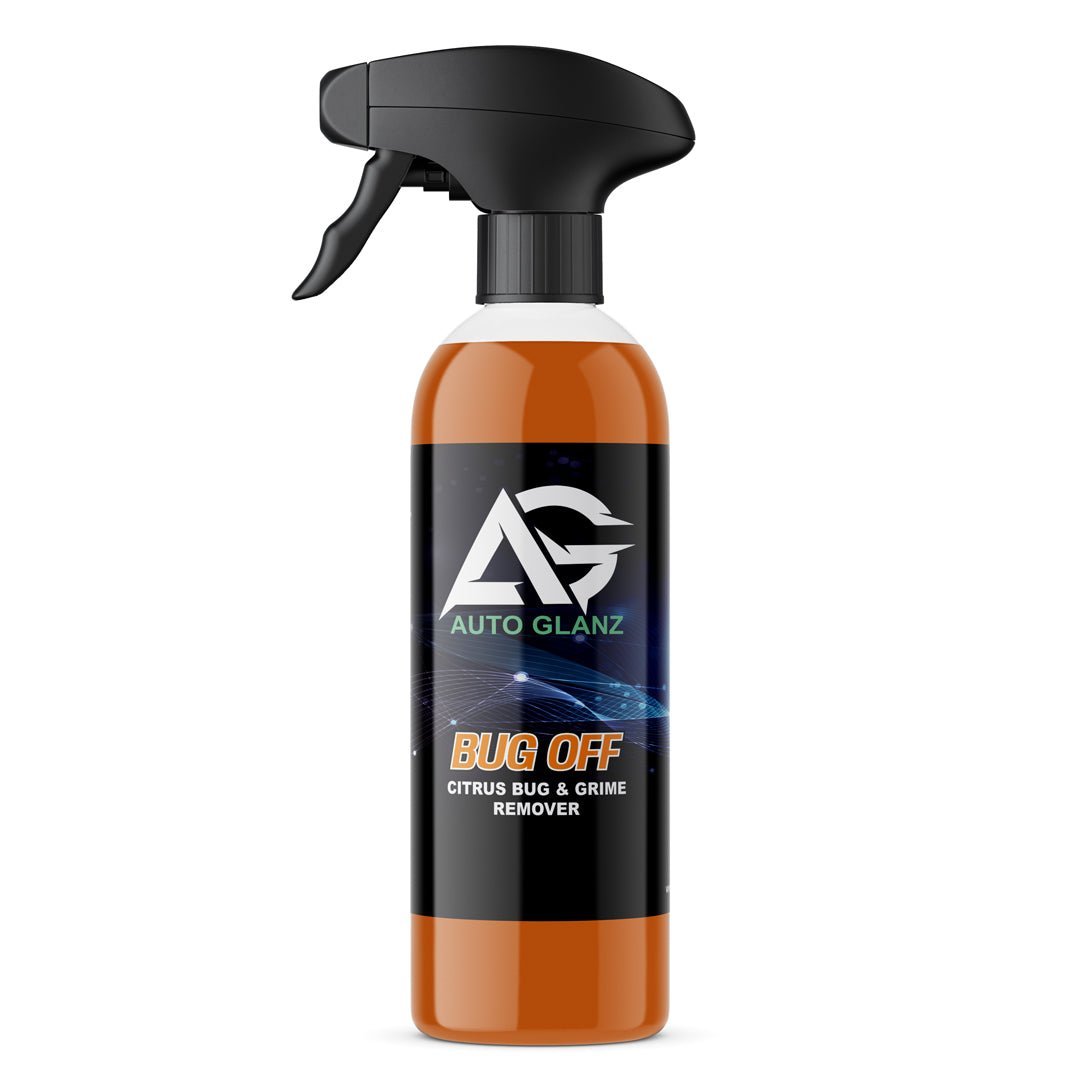
Credit: auto-glanz.co.uk
Citrus Pests And Their Impact
Citrus pests pose a serious threat to the health and productivity of citrus trees. These bugs attack leaves, fruit, and branches, reducing both yield and quality. Understanding the types of pests and their effects helps in managing them safely and effectively. Protecting citrus plants early can prevent costly damage.
Common Citrus Bugs
Several bugs commonly infest citrus trees. Aphids suck sap from new growth, causing leaves to curl and distort. Citrus leaf miners tunnel inside young leaves, leaving winding trails. Scale insects attach to stems and fruit, producing sticky honeydew. Mites and mealybugs also appear, weakening the tree over time.
Damage Caused By Infestations
Infestations lead to leaf yellowing and drop. Fruit may become blemished or fall prematurely. Severe attacks cause twig dieback and reduce tree vigor. In extreme cases, the tree may die. The sticky residue from pests encourages mold growth, further harming the plant.
Seasonal Vulnerability
Warm months increase pest activity on citrus trees. Late summer and early fall often see the highest pest numbers. Trees stressed by heat and drought suffer the most damage. Regular monitoring during these times is crucial. Early intervention limits the spread and impact of pests.
Natural Citrus Bug Removers
Natural citrus bug removers offer a gentle way to manage pests. These products use oils and extracts from citrus fruits. Many people prefer them for being eco-friendly and less toxic than chemicals. They provide an option for safer pest control around homes and gardens.
Essential Oils And Extracts
Citrus essential oils come from peels of fruits like oranges and lemons. These oils contain compounds that insects dislike. Limonene is a common ingredient that acts as a natural insect repellent. Extracts concentrate these oils for better pest control effects. They can be found in sprays, candles, and soaps.
Effectiveness Of Citrus-based Repellents
Citrus-based repellents work well against ants, mosquitoes, and flies. The strong citrus scent confuses and deters insects. Many users find these repellents pleasant due to their fresh aroma. They are often safe for pets and children when used properly. These products help reduce the need for harsh chemicals.
Limitations Of Natural Concentrations
Natural citrus oils must be highly concentrated to kill bugs effectively. The pure oils can irritate skin and eyes, so dilution is necessary. Low concentrations may only repel insects temporarily. Citrus oils break down quickly in sunlight and rain. This limits how long the protection lasts outdoors.
Synthetic Vs. Natural Solutions
Choosing between synthetic and natural bug removers can be confusing. Both options target pests but work very differently. Understanding their differences helps you pick the safest and most effective choice for your citrus trees.
Synthetic insecticides are man-made chemicals designed to kill bugs quickly. Natural solutions come from plant extracts or other organic sources. Each has pros and cons, especially regarding safety and environmental impact.
Popular Synthetic Insecticides
Synthetic insecticides include chemicals like imidacloprid, malathion, and permethrin. They act fast and kill a wide range of pests. Many gardeners use them because they are affordable and easy to find. However, these chemicals may linger on plants and soil. They can harm humans, pets, and beneficial insects if not used carefully.
Eco-friendly Alternatives
Natural bug removers use citrus oils, neem, or insecticidal soaps. Citrus bug removers are made from orange or lemon peel extracts. These oils confuse or repel bugs without harsh chemicals. They break down quickly in the environment. These products are safer for children, pets, and the earth. They may need more frequent application to keep pests away.
Impact On Beneficial Insects
Synthetic insecticides often kill helpful insects like bees and ladybugs. These insects protect plants by eating harmful bugs. Natural solutions are gentler and less likely to harm beneficial insects. Using natural bug removers supports a healthy garden ecosystem. Protecting helpful insects helps control pest problems naturally over time.
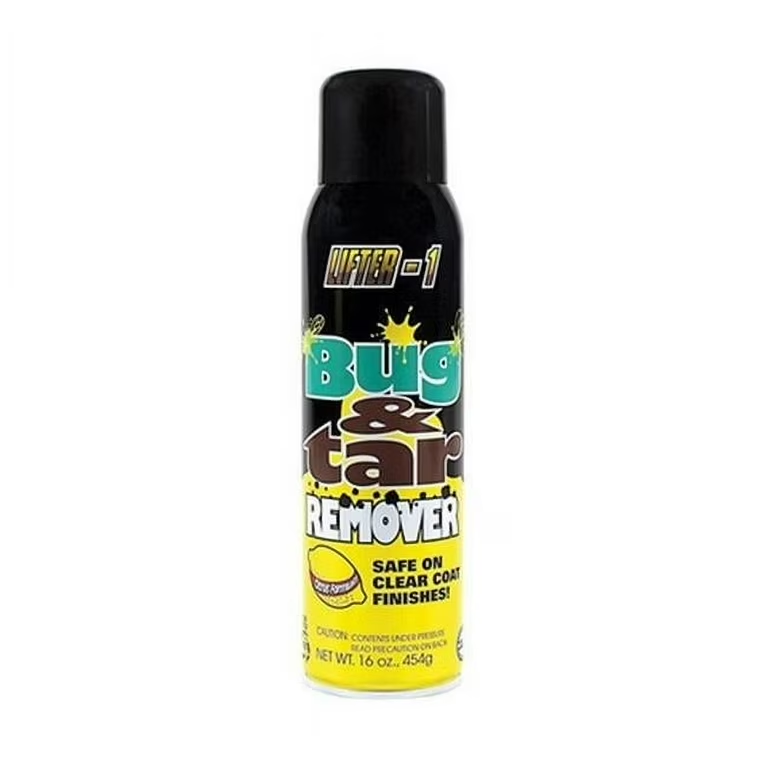
Credit: www.walmart.com
Safety Concerns With Bug Removers
Safety concerns arise with all bug removers, even citrus-based ones. These products often claim to be natural and safer than chemical pesticides. Still, understanding their impact on pets, children, and the environment is important. Applying them correctly also helps prevent harm and ensures effectiveness.
Pet And Child Safety
Citrus bug removers contain oils that can irritate skin and eyes. Keep these products out of reach of children and pets. Avoid direct contact with their fur or skin. Use in well-ventilated areas to reduce inhalation risks. Always follow label instructions carefully for safe use around home and garden.
Environmental Effects
Natural does not always mean harmless to nature. Citrus oils can affect beneficial insects like bees and butterflies. Excessive use may harm soil microbes and aquatic life if runoff occurs. Choose products with clear environmental safety claims. Apply only where pests are present to reduce impact on ecosystems.
Proper Application Guidelines
Apply citrus bug removers during calm weather to prevent drift. Spray directly on pests or affected plants. Avoid over-application, which can damage plants or nearby wildlife. Wear gloves and protective clothing to limit skin exposure. Store products in a cool, dry place away from children and pets.
User Experiences And Reviews
User experiences and reviews provide valuable insights into the real-world use of citrus bug removers. These products promise safer pest control, but how do they perform in homes and gardens? Many users share their honest opinions about effectiveness, scent, and ease of use. Understanding these reviews helps make better choices for pest management.
Effectiveness Of Popular Products
Many users report that citrus-based removers work well against common garden pests. Products like Orange Guard receive praise for quickly eliminating ants and aphids. Some reviews mention visible results within a few days. However, effectiveness varies with pest type and infestation size. Light to moderate infestations respond best to these removers.
Residue And Scent Considerations
Most users appreciate the pleasant citrus scent left behind. It replaces harsh chemical odors with a fresh, natural smell. A few users mention sticky residue after application, especially on smooth surfaces. This residue can attract dirt or require cleaning. Overall, the scent and residue are seen as minor issues compared to chemical alternatives.
Handling Severe Infestations
Severe pest problems often challenge citrus removers’ limits. Some users find these products less effective on large infestations or tough pests like scale insects. Manual removal and repeated treatments become necessary. Combining citrus removers with other methods may improve results. Patience and persistence are key when managing heavy infestations.
Best Practices For Citrus Pest Control
Effective citrus pest control relies on smart and careful practices. Understanding how to use citrus bug removers safely enhances your tree’s health. Following best practices helps manage pests without harming beneficial insects or the environment.
Consistent care and attention protect your citrus trees from damage. Using the right methods at the right time keeps pests under control. Let’s explore some key steps to improve your citrus pest management.
Combining Methods For Better Results
Use multiple pest control methods to increase success. Natural bug removers work well with physical barriers and manual removal. Mixing approaches reduces pest resistance and lowers chemical use.
For example, apply citrus bug removers alongside pruning infested branches. This lowers pest numbers and stops their spread. Integrate traps or beneficial insects for added control without chemicals.
Timing And Application Tips
Apply citrus bug removers early, before pests multiply. Morning or late afternoon is best to avoid sun damage. Follow product instructions carefully for safe and effective use.
Repeat treatments as needed, especially after rain. Avoid spraying during flowering to protect pollinators. Proper timing maximizes pest control and tree safety.
Monitoring And Maintenance
Check your trees regularly for signs of pests or damage. Early detection helps stop infestations before they grow. Remove affected leaves or branches promptly to reduce pest habitat.
Keep the area clean and free of fallen fruit or leaves. Healthy trees resist pests better and grow stronger. Consistent monitoring ensures timely action and long-term success.
Regulatory And Certification Insights
Understanding the regulatory and certification landscape is key to evaluating the safety of citrus bug removers. These products undergo various checks to ensure they meet health and environmental standards. This section explores key programs and guidelines that shape their safe use.
Epa Safer Choice Program
The EPA Safer Choice Program identifies products with safer chemical ingredients. Citrus bug removers under this program contain ingredients less harmful to humans and the environment. The label helps consumers choose safer pest control options confidently. Products with the Safer Choice label meet strict safety and performance criteria.
Certification For Safe Use
Certifications verify that citrus bug removers are tested for safety and efficacy. Independent organizations may certify these products to confirm low toxicity levels. Certifications also ensure the product does not harm beneficial insects or wildlife. This process gives gardeners peace of mind when using bug removers.
Guidelines For Home Gardeners
Home gardeners must follow label instructions carefully for safe application. Using the right amount and timing reduces risks to plants and people. Protective gear may be recommended during use to avoid skin or eye contact. Proper disposal of leftover product prevents environmental contamination.
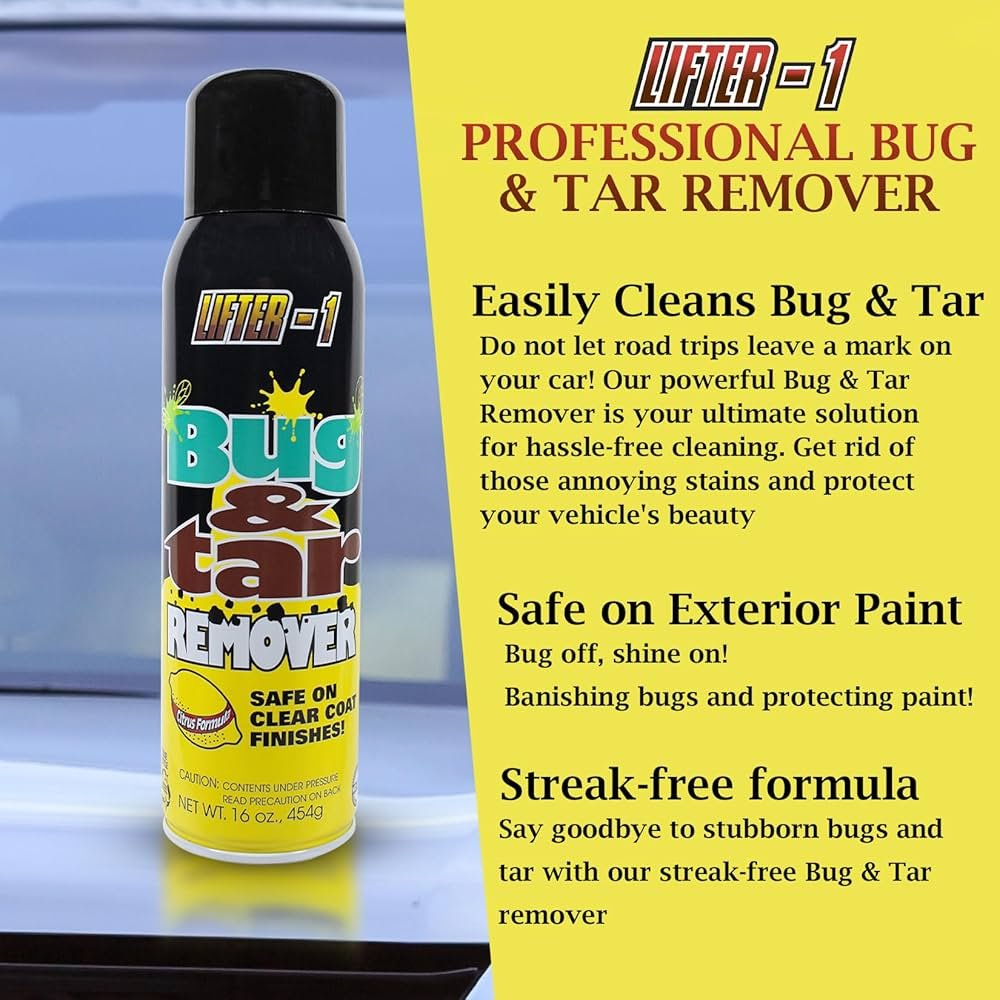
Credit: www.amazon.com
Frequently Asked Questions
What Is The Safest Pest Control?
The safest pest control uses non-toxic, pet-safe products like diatomaceous earth and natural insecticides. Always follow label instructions carefully.
What Damage Does Citrus Scale Cause?
Citrus scale causes leaf yellowing, leaf drop, twig and limb dieback, and can sometimes kill the tree. Damage peaks in late summer and fall.
Is Citrus A Natural Bug Repellent?
Citrus essential oils can repel certain insects, but only at high concentrations. Fresh citrus peels alone are less effective as bug repellents.
Does Orange Guard Really Work?
Orange Guard effectively kills ants using natural citrus oils without toxic chemicals. It is safe for pets and children but may leave a sticky residue. Many users appreciate its pleasant scent and non-toxic formula for home pest control.
Conclusion
Citrus bug removers offer a gentler way to protect your plants. They use natural ingredients that reduce harm to people and pets. These products work best when applied carefully and regularly. Still, no solution is perfect, so watch your trees closely.
Choose removers that fit your needs and follow instructions well. Keeping your citrus healthy takes patience and smart care. Safer bug control helps your garden thrive without harsh chemicals. Try natural options and see the difference in your citrus trees.