Are you thinking about tinting your car windows but unsure what’s legal where you live? Window tint laws in the U.S. can be confusing because they vary a lot from state to state.
What’s allowed in one place might get you a ticket in another. That’s why understanding your state’s specific rules is crucial before you tint your windows. In this complete guide, you’ll find clear, easy-to-follow information about window tint laws for every state.
By the time you finish reading, you’ll know exactly how dark or reflective your tint can be—helping you stay safe, stylish, and fully compliant with the law. Keep reading to avoid costly fines and enjoy the benefits of window tinting without any worries.
Window Tint Basics
Understanding window tint basics is essential before choosing the right film for your vehicle. Tinting affects visibility, comfort, and legality. Each state has specific rules, but knowing the basics helps you stay compliant.
This section explains common types of window tint, the benefits of tinting, and how tint measurements work. This knowledge helps you make informed decisions and avoid fines.
Types Of Window Tint
Window tint films come in various materials and styles. Dyed film uses a layer of dye to block light and reduce glare. It is affordable but can fade over time.
Metalized tint contains tiny metal particles. It reflects heat and UV rays well but may interfere with signals like GPS or radio.
Ceramic tint is a newer option. It blocks heat and UV rays without affecting electronics. It is durable and offers great clarity.
Benefits Of Tinting
Tinting windows helps block harmful UV rays, protecting your skin and car interior. It reduces heat inside the car, making driving more comfortable. Tint also cuts glare from the sun, improving visibility and safety.
Privacy is another key benefit. Darker tints keep prying eyes away and protect your belongings. Tint can also add style and enhance your vehicle’s appearance.
Common Tint Measurements
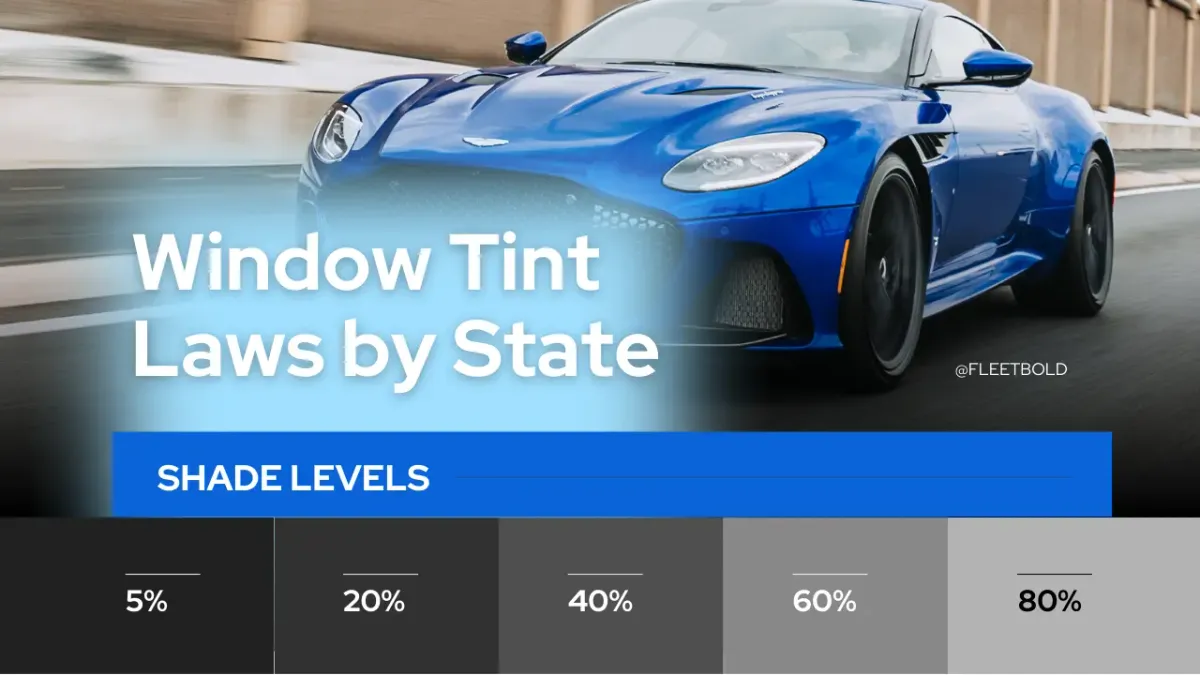
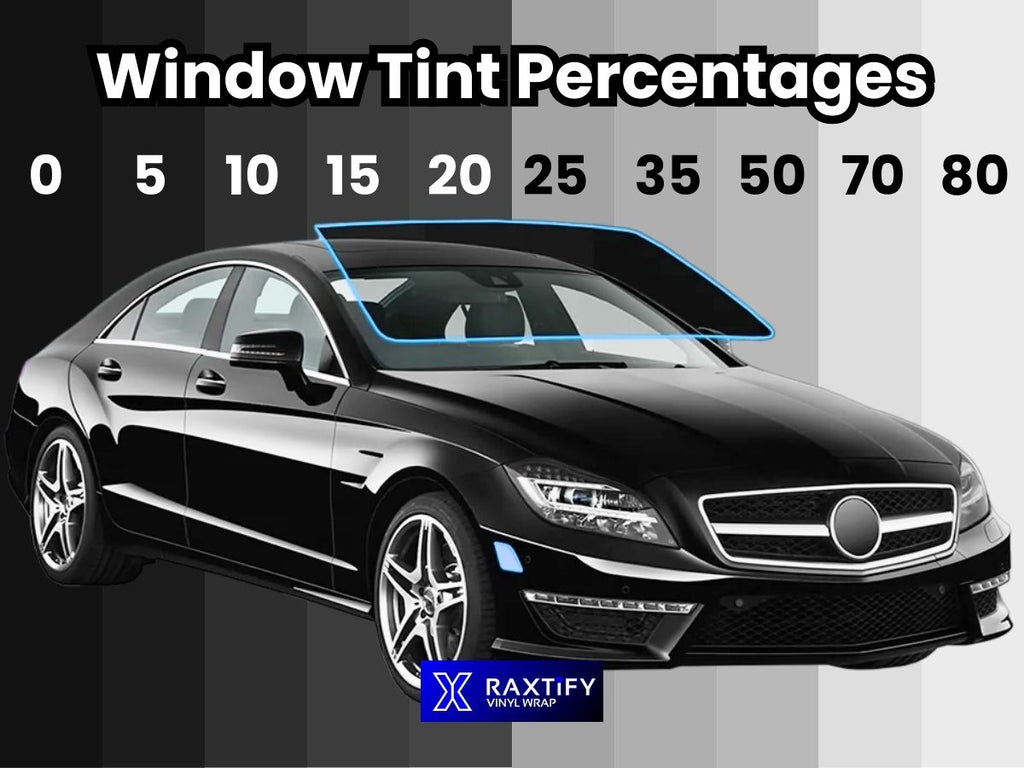
Tints are measured by Visible Light Transmission (VLT). VLT is the percentage of light allowed through the window. For example, a 35% VLT tint lets in 35% of light and blocks 65%.
Lower VLT numbers mean darker tints. States have different legal limits, often between 30% and 70% VLT. Some states restrict front or side window tints more strictly than rear windows.
Federal Vs State Regulations
Understanding window tint laws requires knowing the difference between federal and state rules. Both levels affect how dark or reflective your car’s tint can be. Knowing these differences helps you stay legal and avoid fines.
Federal Standards Overview
The federal government sets basic safety standards for vehicle equipment. These standards ensure window tints do not block too much light, affecting driver visibility. The National Highway Traffic Safety Administration (NHTSA) guides these rules. However, the federal rules do not set exact limits on tint darkness. Instead, they focus on overall vehicle safety and visibility.
State Authority And Variations
States have the power to set their own window tint laws. These laws vary widely across the country. Some states allow darker tints on rear windows but limit front window tinting. Others restrict tint reflectivity or ban certain colors. States also differ in medical exemptions for tinting. Always check your specific state’s laws before applying window tint.
Tint Limits For Front Side Windows
Window tinting rules vary significantly across the United States. One of the most regulated areas is the front side windows. These windows are critical for driver visibility and law enforcement safety checks. Each state sets a maximum darkness level, often measured by Visible Light Transmission (VLT). VLT shows the percentage of light allowed through the tint. Lower VLT means a darker tint.
Understanding the tint limits for front side windows helps drivers avoid fines and ensures safety. Some states allow only very light tinting or none at all on these windows. Others permit darker shades, but with strict conditions. This section explains the common tint limits and examples from various states.
What is Visible Light Transmission (vlt)?
VLT is the percentage of light passing through your car window. For example, a 70% VLT means 70% of light can enter. States use VLT to set tint darkness limits. Lower numbers mean a darker tint, which blocks more light.
Typical Vlt Limits For Front Side Windows
Most states require front side windows to have a VLT between 35% and 70%. This range balances privacy and safety. Some states, like California, allow 70% VLT, meaning the tint is quite light. Others, such as Florida, allow 28% VLT, which is darker but still lets in enough light.
States With Strict Front Side Window Tint Laws
States like New York and New Jersey have strict tinting rules. They often require 70% VLT or higher, allowing very light tint or none. These states focus on clear visibility for police and drivers. Dark tint on front side windows is usually illegal here.
States Allowing Darker Tint On Front Side Windows
Some states permit darker tints on front side windows. Texas and Arizona allow tints as dark as 25% VLT. These states balance privacy with safety, but require medical exemptions for a very dark tint. Drivers should check local laws before tinting.
Additional Restrictions On Front Side Window Tint
Some states also regulate tint reflectivity and color. Reflective tints that act like mirrors can be illegal. Colors like red or amber may be banned on the front side windows. These rules protect against glare and distractions on the road.
Credit: blog.fleetbold.com
Rear Side Window Restrictions
Rear side windows are the windows located behind the front doors on most vehicles. These windows have specific tinting rules that differ from front side windows and windshields. Understanding these restrictions is important for legal compliance and safety.
Many states allow darker tints on rear side windows than on front windows. This is because rear windows do not affect driver visibility as much. Some states have no limits on how dark the rear side window tint can be. Others have strict rules to ensure law enforcement can see inside the vehicle when needed.
Knowing the exact tint percentage allowed for rear side windows in your state avoids fines and ticketing. It also helps maintain vehicle appearance while following legal standards. Below are important points about rear side window tint restrictions across states.
Tint Darkness Limits For Rear Side Windows
Most states set a minimum visible light transmission (VLT) level for rear side windows. VLT is the amount of light that passes through the window tint. A lower VLT means a darker tint. States like California require at least 70% VLT on rear side windows. Others, like Florida, allow as low as 28% VLT. Some states do not set any VLT limits on rear side windows.
Medical Exemptions For Rear Side Window Tint
Several states provide medical exemptions that allow a darker tint on the rear side windows. These exemptions support people with light sensitivity or health issues. A doctor’s note is usually required. Medical exemptions often allow tint darker than the general legal limit. They help protect health without breaking the law.
Reflectivity And Color Restrictions On Rear Side Windows
Reflective or mirror-like tint on rear side windows is restricted in many states. Some states ban certain colors, like red or blue, on rear tints. These rules aim to prevent glare and distractions on the road. Check local laws to ensure your tint color and reflectivity are legal. Clear, black, or gray tints are usually accepted.
Rear Side Window Tint Rules For Suvs And Multi-purpose Vehicles
Rules for rear side window tint often differ for SUVs and vans. Some states allow a darker tint on the rear windows of these vehicles compared to passenger cars. This is because rear windows on SUVs are often used for cargo or passenger privacy. Confirm your vehicle type when checking tint restrictions.
Rear Window Tint Rules
The rear window tint rules in the U.S. vary significantly from state to state. These rules govern the darkness and reflectivity of the tint on your vehicle’s rear window. Understanding these regulations helps avoid fines and ensures safe driving.
Most states allow a darker tint on rear windows compared to front windows. Some states require dual side mirrors if the rear window tint is too dark. Others have limits on reflectivity and color of the tint.
Below, you will find detailed information about rear window tint laws to ensure your vehicle remains compliant.
Rear Window Tint Darkness Limits
Each state sets a minimum Visible Light Transmission (VLT) percentage for rear window tint. VLT measures how much light passes through the tint. A lower VLT means a darker tint.
Some states allow very dark tints with VLT as low as 5%, while others require lighter tints around 30% or more. Always check your state’s specific VLT limit before tinting.
Dual Side Mirror Requirements
Many states require dual side mirrors when the rear window tint is darker than a certain level. This rule helps drivers maintain rear visibility despite dark tint.
If your state enforces this, you must install side mirrors on both sides of your vehicle. This requirement applies mostly to trucks and SUVs with rear windows.
Restrictions On Reflective And Colored Tints
Some states ban reflective or mirrored tints on rear windows. Reflective tints can cause glare and reduce safety on the road.
Colored tints, such as red or blue, are also restricted in several states. These colors can distract other drivers or are simply illegal for rear windows.
Medical Exemptions For Rear Window Tint
Certain states offer medical exemptions allowing darker rear window tint. Drivers with specific health conditions may qualify for this exception.
Medical exemption rules vary. They often require documentation from a healthcare provider. Check your state’s guidelines to see if you qualify.
Reflectivity And Color Bans
Window tint laws in the U.S. control not only how dark the tint can be but also its reflectivity and color. These rules protect drivers, passengers, and law enforcement by reducing glare and maintaining visibility. States have different limits on how shiny or reflective window tint can appear. Some colors are banned because they distract other drivers or cause safety concerns.
Reflective Tint Limits
Many states restrict how reflective your window tint can be. Reflective tint looks like a mirror from the outside. It can block too much light and confuse other drivers. States set rules that limit reflectivity to a certain percentage. This keeps glare low and helps others see inside your vehicle. The allowed reflectivity level varies by state and window type. Always check local laws before choosing a reflective tint.
Prohibited Tint Colors
Certain tint colors are banned in many states. Colors like red, amber, and blue are often not allowed. These colors can distract drivers and confuse the road. Some states also ban green or yellow tints. Clear and black or gray shades are usually safe and legal. Each state’s laws list which colors you cannot use for window tint. Following these rules helps avoid fines and keeps roads safer.
Medical Exemptions
Medical exemptions allow certain drivers to apply darker window tints than normally permitted by state law. These exemptions protect individuals with health conditions sensitive to sunlight. States offer this relief to improve comfort and reduce medical risks while driving. Rules vary widely, so understanding your state’s specific guidelines is essential.
Qualifying Conditions
Medical exemptions apply to people with conditions worsened by sunlight. Examples include lupus, skin cancer, and severe photosensitivity. Some states also cover eye diseases like albinism or glaucoma. A licensed doctor must diagnose the condition and recommend darker tinting. The exact list of qualifying conditions differs by state law.
Application Process
To apply, drivers usually need a medical certificate from a doctor. This document must explain the diagnosis and the need for a darker tint. Some states require submitting the certificate to the motor vehicle department. Approval often involves receiving a special permit or sticker. Keep this paperwork in your vehicle to avoid fines or penalties.

Credit: www.benchmarkautosalon.com
Enforcement And Penalties
Enforcement of window tint laws varies across the United States. Police officers regularly check vehicle tints during traffic stops or inspections. Strict enforcement helps ensure driver visibility and road safety. Penalties for violations also differ by state and the severity of the offense.
Understanding the common violations and their consequences is important. This knowledge helps drivers avoid fines and legal trouble. It also promotes compliance with state-specific tint rules.
Common Violations
Common violations include tint darkness beyond the allowed limits. Some states restrict how much light must pass through windows. Reflective or mirrored tints are often banned or limited. Using colors not approved by state law is another violation. Side and rear window tinting rules are also frequently broken. Medical exemptions without proper documentation can cause problems.
Fines And Consequences
Fines for tint violations vary from small fees to hundreds of dollars. Repeat offenders may face increased fines or court appearances. Some states require removing illegal tint before vehicle inspection. Police can issue citations that affect your driving record. In rare cases, violations may lead to vehicle impoundment. Understanding your state’s penalties helps avoid costly mistakes.
State-by-state Tint Laws
Window tint laws vary greatly across the United States. Each state has its own rules about how dark or reflective your car’s window tint can be. Knowing these laws helps avoid fines and keeps your vehicle legal. This guide breaks down the tint laws from Alabama to Wyoming. Read on to learn the specific rules in your state.
Alabama To Alaska
Alabama allows front side windows to have at least 32% light transmittance. Rear windows have no restrictions. Alaska requires 70% light transmittance on front windows. Rear windows may be darker. Both states have rules about reflectivity and colors.
Arizona To Arkansas
Arizona permits 33% tint on front side windows. Rear windows can be darker or even fully tinted. Arkansas requires 25% or more light to pass through the front side windows. Rear windows have fewer limits.
California To Colorado
California is strict with 70% light transmittance on front side windows. Rear windows can be tinted darker. Colorado requires 27% light transmittance on front side windows. Rear windows have no limit.
Connecticut To Delaware
Connecticut allows 35% light transmittance on front side windows. Delaware requires 70% light transmittance for front side windows. Both states permit a darker tint on rear windows.
Florida To Georgia
Florida requires 28% light transmittance on front side windows. Rear windows can be darker. Georgia allows 32% or more light on front side windows, with fewer limits on rear windows.
Hawaii To Idaho
Hawaii requires 35% light transmittance on front windows. Idaho allows 33% or more light on the front side windows. Both states have rules on reflectivity and colors.
Illinois To Indiana
Illinois allows 35% light transmittance on front side windows. Indiana requires 50% or more light on front windows. Rear windows have fewer restrictions in both states.
Iowa To Kansas
Iowa requires 70% light transmittance on front side windows. Kansas permits 35% light or more on front side windows. Rear windows may be tinted darker.
Kentucky To Louisiana
Kentucky allows 35% light transmittance on front side windows. Louisiana permits 28% or more light on front side windows. Rear windows have fewer limits in both states.
Maine To Maryland
Maine requires 35% light transmittance on front side windows. Maryland allows 35% or more light on front side windows. Rear windows can be tinted darker.
Massachusetts To Michigan
Massachusetts requires 35% light transmittance on front side windows. Michigan permits 35% or more light on front side windows. Both states allow darker tint on rear windows.
Minnesota To Mississippi
Minnesota requires 50% light transmittance on front side windows. Mississippi allows 28% light or more on front side windows. Rear windows have fewer restrictions.
Missouri To Montana
Missouri requires 35% light transmittance on front side windows. Montana allows 28% or more light on front side windows. Rear windows can be darker in both states.
Nebraska To Nevada
Nebraska requires 35% light transmittance on front side windows. Nevada allows 35% or more light on front side windows. Both states permit darker tint on rear windows.
New Hampshire To New Jersey
New Hampshire requires 35% light transmittance on front side windows. New Jersey allows 70% or more light on front side windows. Rear windows can be tinted darker.
New Mexico To New York
New Mexico requires 33% light transmittance on front side windows. New York requires 70% or more light on front side windows. Both states allow darker tint on rear windows.
North Carolina To North Dakota
North Carolina requires 35% light transmittance on front side windows. North Dakota allows 50% or more light on front side windows. Rear windows have fewer restrictions.
Ohio To Oklahoma
Ohio requires 50% light transmittance on front side windows. Oklahoma permits 28% or more light on front side windows. Both states allow darker tint on rear windows.
Oregon To Pennsylvania
Oregon requires 35% light transmittance on front side windows. Pennsylvania allows 70% or more light on front side windows. Rear windows may be tinted darker.
Rhode Island To South Carolina
Rhode Island requires 35% light transmittance on front side windows. South Carolina permits 28% or more light on front side windows. Rear windows have fewer limits.
South Dakota To Tennessee
South Dakota requires 50% light transmittance on front side windows. Tennessee allows 35% or more light on front side windows. Rear windows can be darker in both states.
Texas To Utah
Texas requires 25% light transmittance on front side windows. Utah allows 43% or more light on front side windows. Rear windows may have darker tint.
Vermont To Virginia
Vermont requires 35% light transmittance on front side windows. Virginia allows 50% or more light on front side windows. Rear windows have fewer restrictions.
Washington To West Virginia
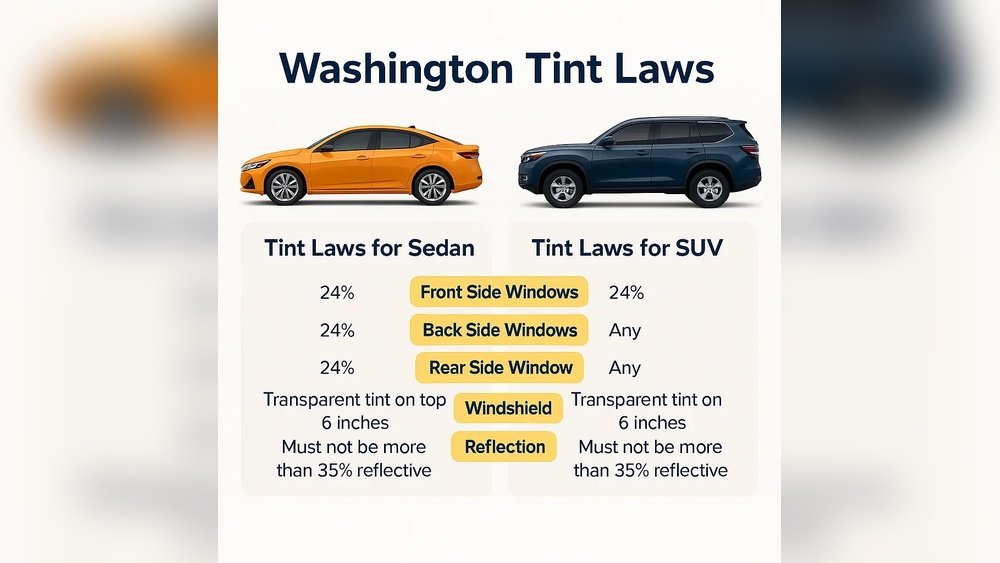
Washington requires 24% light transmittance on front side windows. West Virginia allows 35% or more light on front side windows. Rear windows can be darker in both states.
Wisconsin To Wyoming
Wisconsin requires 35% light transmittance on front side windows. Wyoming allows 43% or more light on front side windows. Both states permit darker tint on rear windows.
Tips For Choosing Legal Tint
Choosing the right window tint requires more than just picking a dark shade. It is important to follow the law to avoid fines and keep your vehicle safe. Legal tint helps with privacy and heat reduction without breaking rules. These tips will help you find the perfect tint that fits your needs and local laws.
Checking Local Laws
Every state has different rules about window tint darkness and placement. Start by reading your state’s tint laws carefully. Look for allowed tint percentages on front, side, and rear windows. Some states also have rules about reflectivity and colors. Check if there are medical exemptions that apply to you. Always confirm with official state resources for the most accurate and updated information.
Selecting Tint Percentage
Tint percentage means how much light passes through the window. Lower numbers mean darker tint. Choose a tint percentage that meets your state’s limit. A tint that is too dark can result in fines or needing to remove the film. Consider how much privacy and sun protection you want. Balance style with legal limits to keep your vehicle compliant and comfortable.
Professional Installation
Professional tint installers know state laws and proper application methods. They ensure the tint fits your windows perfectly without bubbles or peeling. Poor installation can cause visibility issues and legal problems. A professional job often comes with a warranty for peace of mind. Invest in expert installation to keep your tint legal and looking great.
Technology In Window Tinting
Window tint technology has evolved significantly over the years. It not only improves the look of vehicles but also enhances safety and comfort. Modern films block harmful UV rays and reduce glare. They help keep car interiors cooler without affecting visibility. Different types of tint films use unique materials and methods to achieve these benefits.
Ceramic Tints
Ceramic tints use tiny ceramic particles to block heat and UV rays. They do not contain metal, so they do not interfere with signals. This makes them perfect for drivers who use GPS or mobile devices. Ceramic films offer strong heat rejection and clear visibility. They also resist fading and discoloration over time. These tints are durable and provide a sleek, non-reflective look.
Metallic And Hybrid Films
Metallic tints contain metal particles that reflect heat and light. They are effective at cooling the car but can block some radio signals. Hybrid films combine metal and dyed layers to balance performance and appearance. These films reduce glare and heat while maintaining good visibility. However, some states have restrictions on reflective or metallic tints. Always check local laws before choosing these options.
Credit: raxtify.com
Frequently Asked Questions
What Are The General Window Tint Laws In The U.s.?
Window tint laws vary by state but usually limit how dark tints can be. Most states regulate Visible Light Transmission (VLT) percentages to ensure driver visibility and safety on the road.
How Do State Laws Differ On Tint Darkness?
Each state sets its own VLT percentage, ranging typically from 20% to 70%. Some states also regulate reflectivity and colors allowed, making it important to check local rules before tinting.
Are Medical Exemptions Available For Window Tint?
Many states offer medical exemptions allowing darker tints if a health condition requires it. These exemptions usually require official documentation and approval from local authorities.
Can I Tint All My Car Windows Legally?
Most states allow different tint levels on front, rear, and side windows. Front side windows often have stricter limits than rear windows or the back windshield.
Conclusion
Knowing window tint laws helps you avoid fines and keep safe. Each state sets its own rules on tint darkness and reflectivity. Always check your local laws before tinting your car windows. Following these laws ensures you stay legal and protect your vehicle.
Stay informed to enjoy the benefits of window tint without trouble. This guide makes understanding state laws easier for every driver.