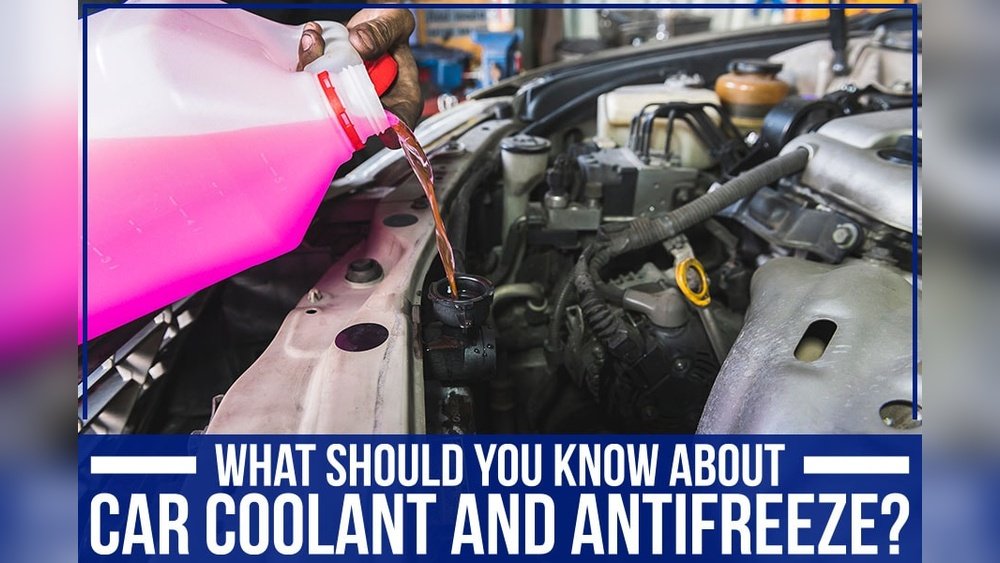
Have you ever wondered what keeps your engine from overheating on a scorching summer day or freezing up during a chilly winter night? The answer lies in something many drivers overlook: coolant and antifreeze.
These fluids play a crucial role in protecting your engine, ensuring it runs smoothly no matter the weather. If you want to avoid costly repairs and keep your car performing at its best, understanding what coolant and antifreeze are—and why your engine absolutely needs them—is essential.
Keep reading to discover how these substances work together to safeguard your vehicle and what signs to watch for when they’re running low. Your engine’s health depends on it!
Credit: www.valvolineglobal.com
Coolant Vs Radiator
The terms “coolant” and “radiator” are often mixed up. They are not the same but work closely in your car’s cooling system. Understanding their differences helps maintain your engine’s health and avoid costly repairs.
Role Of Coolant
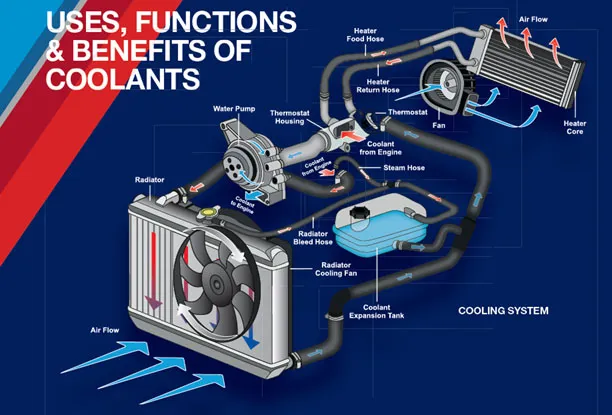
Coolant is a liquid that flows through the engine. It absorbs heat generated by the engine’s operation. The mixture contains antifreeze to prevent freezing in cold weather. It also raises the boiling point to avoid overheating in hot weather. Coolant protects engine parts from rust and corrosion. It carries heat away, keeping the engine at a safe temperature.
Function Of Radiator
The radiator is a metal device located at the car’s front. It has many thin tubes and fins to help cool the hot coolant. Air passes over the radiator, taking heat from the coolant. A fan often helps air flow when the car is still. The cooled coolant then returns to the engine to absorb more heat. The radiator acts like a heat exchanger, releasing heat outside the car.
How They Work Together
Coolant and radiator form a team to keep your engine cool. The coolant moves heat from the engine to the radiator. The radiator then cools the hot coolant by releasing heat into the air. This cycle repeats continuously while the engine runs. Pumps and hoses help move the coolant through the system. Without either part, the engine would overheat quickly and could suffer damage.
Credit: www.easternshoretoyota.com
Purpose Of Coolant And Antifreeze
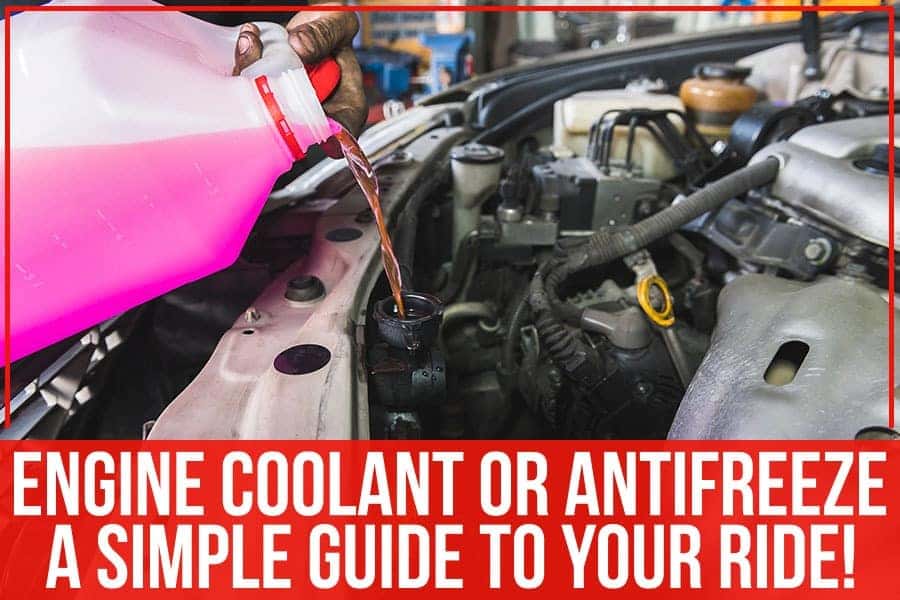
Coolant and antifreeze serve vital roles in protecting your vehicle’s engine. They keep the engine running smoothly by controlling temperature and preventing damage from extreme weather. These fluids circulate through the engine, absorbing heat and maintaining safe operating conditions. Understanding their purpose helps you appreciate why regular checks and maintenance matter.
Heat Transfer From Engine
Coolant absorbs heat generated by the engine. It flows through engine parts, picking up excess heat. This heat moves to the radiator, where it releases into the air. Without coolant, engines would overheat and break down quickly.
Freezing Protection
Antifreeze lowers the freezing point of the coolant mix. This stops the fluid from freezing in cold weather. Frozen coolant can crack engine blocks and damage parts. Antifreeze keeps the engine safe during winter months.
Boiling Point Elevation
Antifreeze raises the boiling point of the coolant. This prevents the fluid from boiling during hot weather or heavy use. Higher boiling points help keep the engine cool under pressure. It ensures the engine runs efficiently without overheating.
Common Coolant Types
Coolants come in different types, each with unique ingredients and benefits. Choosing the right coolant keeps your engine running smoothly. Understanding common coolant types helps you pick the best one for your vehicle. Below are the most popular types used in engines today.
Ethylene Glycol
Ethylene glycol is the most common coolant base. It offers excellent heat transfer and protects against freezing and overheating. This type is toxic, so handle it carefully. It mixes well with water to create effective antifreeze solutions. Many cars use ethylene glycol-based coolants for reliable engine protection.
Propylene Glycol
Propylene glycol is a safer alternative to ethylene glycol. It is less toxic, making it better for the environment and pets. This coolant also prevents freezing and overheating effectively. It is often used in vehicles where safety is a priority. Propylene glycol coolants provide strong engine protection without harsh chemicals.
Organic Acid Technology (oat)
OAT coolants use organic acids to prevent corrosion inside the engine. They last longer than traditional coolants and reduce metal wear. OAT types are usually orange or red in color. Many modern cars require OAT coolant for optimal engine health. This technology helps extend the life of your cooling system.
Signs Of Low Coolant Levels
Low coolant levels can cause serious engine problems. Recognizing early signs helps prevent damage. Coolant, also known as antifreeze, keeps your engine at the right temperature. When coolant is low, the engine struggles to stay cool. This leads to various warning signs. Watch for these symptoms to maintain your car’s health.
Engine Overheating
Your engine may get very hot quickly. The temperature gauge can rise above normal. Steam or smoke might come from under the hood. Overheating damages engine parts and lowers performance. This happens because coolant is not enough to remove heat.
Warning Lights
The dashboard often shows a warning light if coolant is low. It may look like a thermometer or say “check engine.” These lights alert you to check coolant levels immediately. Ignoring them can cause costly repairs.
Sweet Smell Detection
Coolant has a sweet, syrupy smell. If you notice this scent inside or near your car, it may mean a leak. This smell comes from escaping coolant fluid. It signals low coolant and potential engine risks.
Poor Heater Performance
Your car’s heater may stop working well. Warm air might turn cold or weak. Coolant helps the heater produce warm air by circulating through the system. Low coolant means less heat inside the car cabin.
Visible Leaks
Look under your car for colored puddles. Coolant leaks often appear green, orange, or pink. These puddles mean the coolant is escaping somewhere. Leaks cause coolant levels to drop and should be fixed quickly.
Consequences Of Low Coolant
Low coolant levels harm your engine’s health. Coolant removes heat from the engine and keeps it at a safe temperature. Without enough coolant, the engine can overheat fast. Overheating leads to serious engine problems that cost a lot to fix. Understanding these risks helps you avoid damage and keep your car running well.
Engine Damage Risks
Low coolant causes the engine to get too hot. Overheating can warp metal parts inside the engine. This warping changes how parts fit together, causing wear and leaks. The engine oil breaks down faster, losing its ability to protect moving parts. This damage lowers engine performance and shortens its life.
Head Gasket Failure
The head gasket seals the engine block and cylinder head. Too much heat from low coolant can crack or blow the gasket. A failed head gasket lets coolant mix with engine oil. This mix causes the engine to run poorly or not at all. Fixing a head gasket is expensive and time-consuming.
Engine Seizure
Without enough coolant, the engine can overheat severely. Extreme heat causes engine parts to expand and seize up. Seizure stops the engine from turning, causing total failure. An engine seizure often means replacing the entire engine. This is one of the most serious results of low coolant.
Checking And Refilling Coolant
Checking and refilling your engine’s coolant is an important task. It keeps the engine from overheating or freezing. Regular checks help avoid costly repairs. Knowing how and when to check coolant ensures your engine runs smoothly.
When To Check Coolant
Check coolant at least twice a year. Do it more often in extreme weather. Before long trips is a good time. Also check if the engine feels hotter than usual. Look for warning lights on the dashboard. A quick check can prevent serious engine damage.
How To Check Safely
Always check coolant when the engine is cool. Hot coolant can cause burns. Open the radiator cap slowly to release pressure. Use a rag to protect your hand. Check the coolant level in the reservoir or radiator. Low levels mean you need to add more fluid.
Correct Mixture Ratios
Coolant works best mixed with water. The usual ratio is 50% coolant and 50% water. This mix protects against freezing and overheating. Use distilled water to avoid deposits. Some cars need a different mix, so check your manual. Using the right ratio keeps the engine safe all year.
Dealing With Coolant Leaks
Coolant leaks can cause serious engine problems. Detecting and fixing leaks early helps keep your engine safe. This section explains how to spot leaks, temporary fixes, and when to get professional help.
Identifying Leak Sources
Look under your car for puddles of green, orange, or pink fluid. These colors usually mean coolant is leaking. Check the radiator, hoses, water pump, and the area around the engine. A sweet smell near the engine may also show a leak. Use a flashlight to see hidden spots. Leaks often happen at weak points or old parts.
Temporary Vs Permanent Fixes
Temporary fixes can stop leaks for a short time. You can add a coolant leak sealant or tighten hose clamps. These solutions help until you get a full repair. Permanent fixes need part replacement or professional repairs. Fixing or changing a damaged hose, radiator, or gasket is a long-term solution. Do not rely on temporary fixes for long; they only delay bigger problems.
When To See A Mechanic
Visit a mechanic if leaks continue or get worse. Also, seek help if the engine overheats or you see steam. Low coolant levels or warning lights on the dashboard need expert checks. Mechanics have tools to find hidden leaks and fix them correctly. Early professional care saves money and prevents engine damage.
Credit: www.prestoneuk.com
Maintaining Cooling System Health
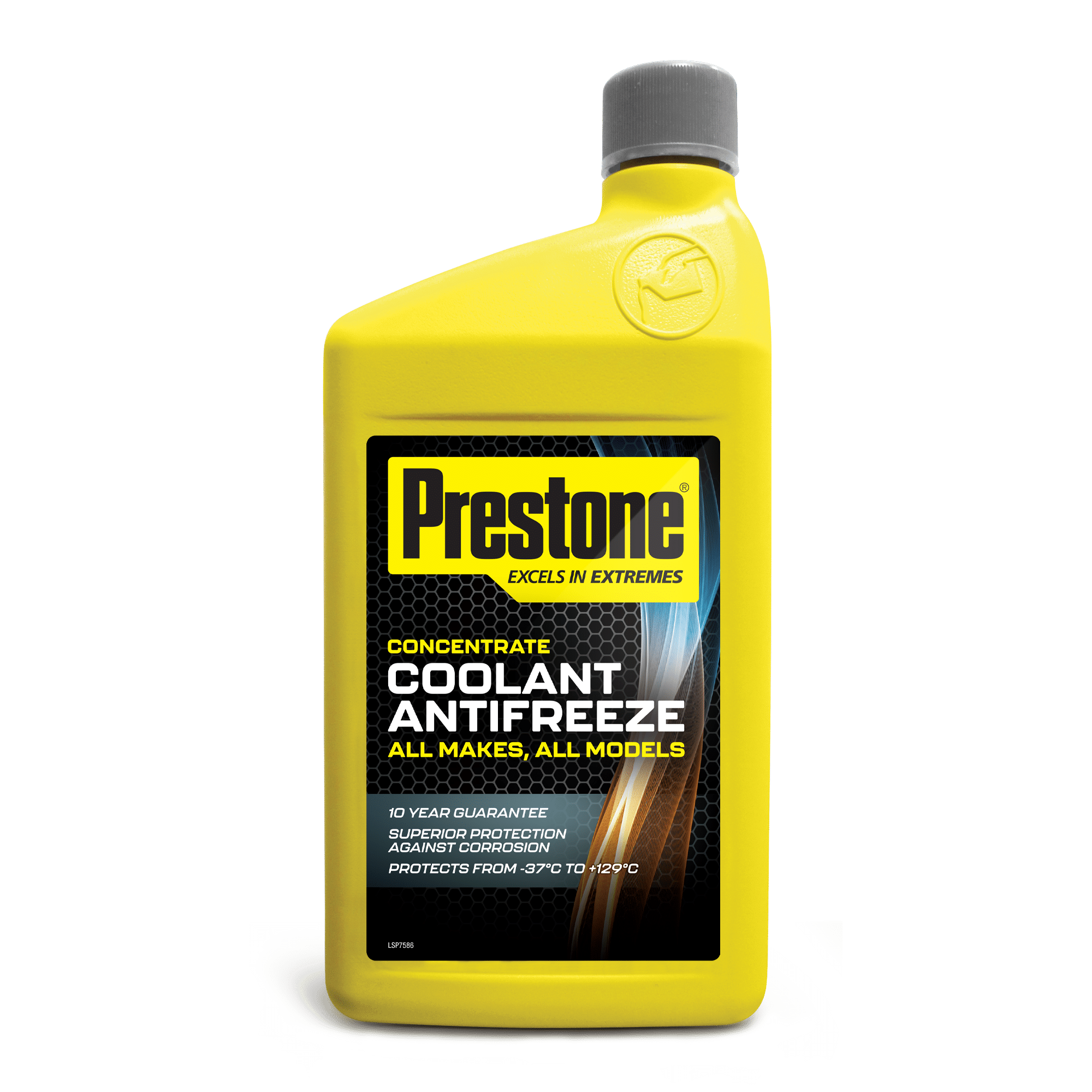
Maintaining the health of your vehicle’s cooling system is essential for engine performance and longevity. The cooling system relies on coolant antifreeze to manage engine temperature, preventing overheating and freezing. Proper care ensures the system works efficiently and protects your engine from damage caused by extreme temperatures.
Regular Coolant Flushes
Coolant breaks down over time and loses its ability to protect the engine. Flushing the coolant removes old fluid and debris that can clog the system. Experts recommend a flush every 30,000 miles or every two years. Fresh coolant improves heat transfer and prevents corrosion inside the engine.
Inspecting Radiator And Hoses
Check the radiator and hoses for leaks, cracks, or wear regularly. Damaged hoses can cause coolant leaks and engine overheating. The radiator fins should be clean and free of debris to allow proper airflow. Early detection of issues helps avoid costly repairs and engine failure.
Monitoring Temperature Gauge
Watch the temperature gauge on your dashboard during drives. A sudden rise may indicate cooling system problems. Consistent overheating signals a need for immediate inspection. Staying alert prevents severe engine damage and keeps your vehicle running smoothly.
Frequently Asked Questions
Are The Radiator And Coolant The Same Thing?
No, the radiator and coolant are different. The radiator cools the hot coolant, which carries heat away from the engine.
What Are The Symptoms Of Low Coolant?
Symptoms of low coolant include engine overheating, dashboard warning light, sweet antifreeze smell, poor heater performance, and colored fluid leaks under the car.
Can I Top Up Coolant Myself?
Yes, you can top up coolant yourself by adding the correct type to the reservoir when the engine is cold. Always follow safety guidelines and check the owner’s manual for the recommended coolant type and procedure.
What Is The Main Purpose Of Engine Coolant Antifreeze?
The main purpose of engine coolant antifreeze is to regulate engine temperature. It prevents freezing in cold weather and overheating in hot conditions, protecting the engine from damage.
Conclusion
Coolant and antifreeze keep your engine running smoothly. They stop freezing in winter and overheating in summer. Your engine needs them to avoid damage and costly repairs. Check coolant levels regularly to stay safe. Remember, a healthy cooling system means a healthy engine.
Keep your car’s engine cool and protected year-round.