If you run or manage a car wash loyalty program, understanding data protection and privacy laws is not just important—it’s essential. You collect valuable customer information every day, from names and phone numbers to purchase habits.
But how you use and protect that data can make or break your business. Are you sure your loyalty program respects privacy laws and keeps your customers’ trust? This article will guide you through the key legal rules you need to know to keep your program compliant and your customers happy.
Read on to protect your business and build stronger customer loyalty the right way.
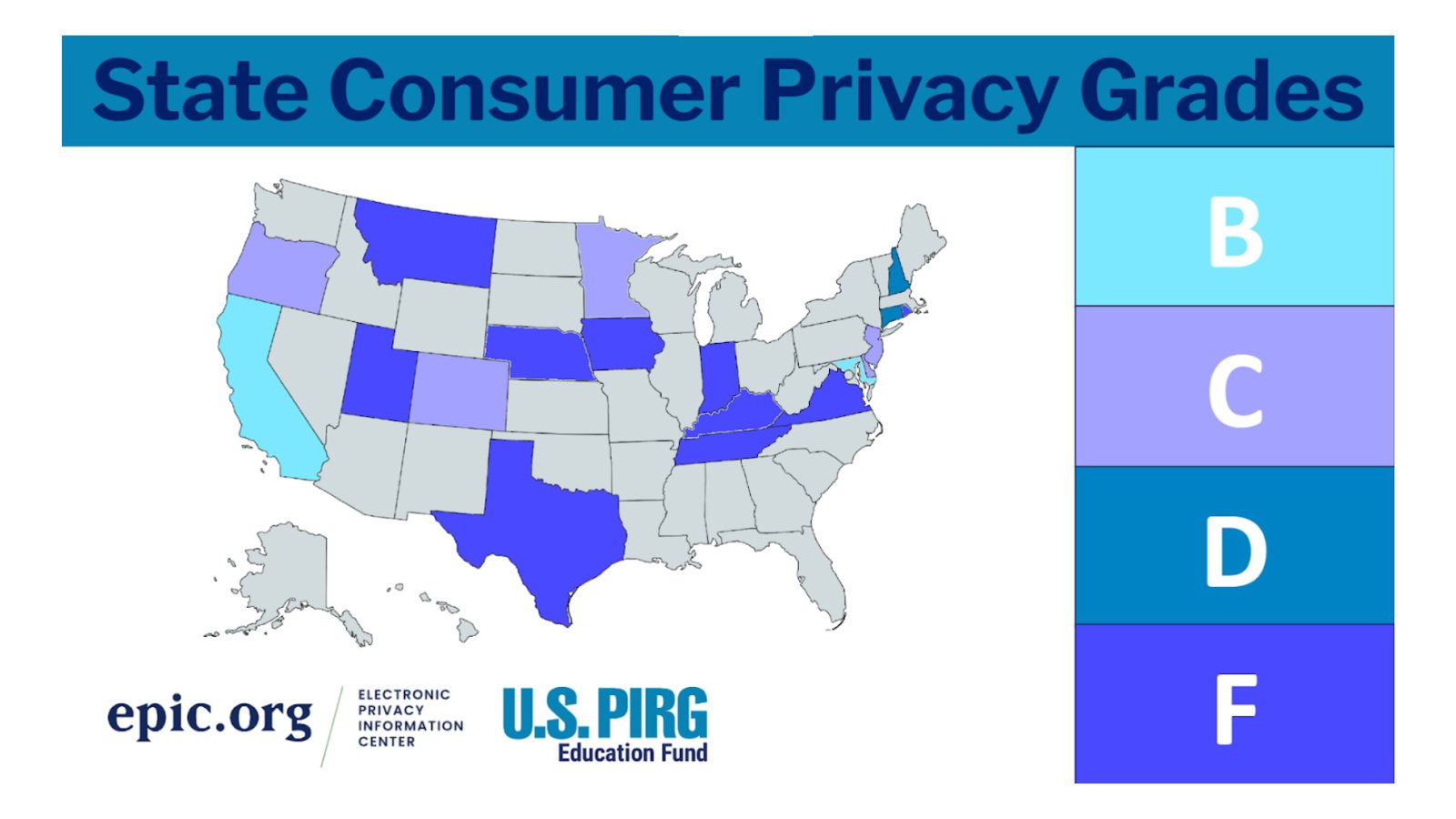
Credit: pirg.org
Legal Frameworks For Loyalty Programs
Loyalty programs for car wash businesses collect customer data to reward repeat visits. Protecting this data requires understanding various legal frameworks. These laws guide how businesses gather, store, and use personal information. Compliance ensures trust and avoids legal penalties. Below is an overview of key legal frameworks affecting loyalty programs.
Federal Privacy Laws Affecting Loyalty Programs
Federal laws set standards for data protection across all states. The Federal Trade Commission Act prohibits deceptive practices in loyalty programs. The Children’s Online Privacy Protection Act (COPPA) limits data collection from children under 13. The Fair Credit Reporting Act (FCRA) applies if loyalty data affects credit decisions. The Gramm-Leach-Bliley Act (GLBA) protects financial information if involved. These laws require clear privacy notices and secure data handling.
State-specific Regulations In Texas
Texas enforces laws to protect consumer data privacy in loyalty programs. The Texas Identity Theft Enforcement and Protection Act mandates notifying customers about data breaches. Texas Business and Commerce Code requires reasonable security measures for personal data. Texas law also prohibits deceptive marketing practices. Car wash businesses must tailor their loyalty program policies to meet these state rules.
International Data Protection Standards
International customers and data transfers bring additional rules. The European Union’s General Data Protection Regulation (GDPR) sets strict standards for consent and data use. It applies if the program handles EU residents’ data. The California Consumer Privacy Act (CCPA) influences global privacy practices. Following these international standards improves customer confidence worldwide. Businesses must track data location and follow applicable laws.
Key Privacy Concerns In Car Wash Loyalty Programs
Car wash loyalty programs collect and manage customer data to reward repeat visits. This practice raises important privacy concerns. Protecting personal information is critical for building trust. Businesses must understand potential risks and legal requirements.
Types Of Personal Data Collected
Loyalty programs gather various types of data. Commonly collected details include names, phone numbers, and email addresses. Some programs track vehicle information, purchase history, and location data. This information helps personalize offers and improve customer service.
Programs may also collect payment details and preferences. The more data collected, the higher the risk if mishandled. Understanding what data is collected aids in better protection.
Risks Of Data Misuse And Breaches
Data misuse can harm customers and damage business reputation. Unauthorized access, hacking, or insider threats can lead to data breaches. Stolen information may be sold or used for fraud.
Breaches cause financial loss and legal penalties. They can also erode customer trust. Car wash businesses must implement strong security measures. This includes encryption, access controls, and regular audits.
Customer Consent And Transparency
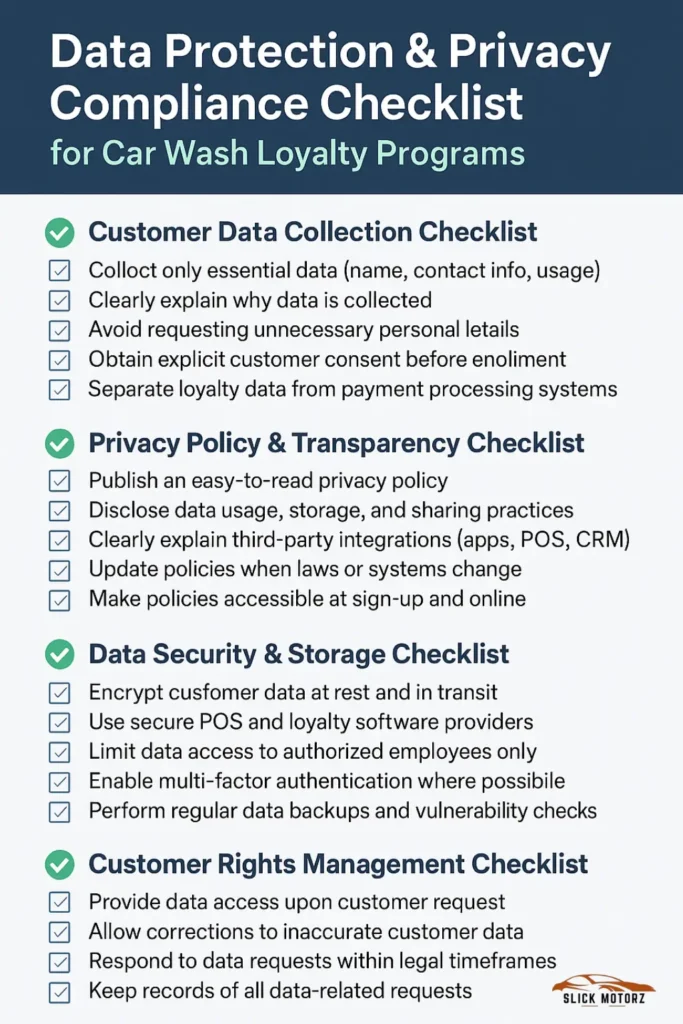
Clear communication about data collection builds customer confidence. Businesses should explain what data is collected and how it will be used. Consent must be obtained before collecting any personal information.
Customers have the right to know their data rights and control options. Transparency in privacy policies and easy access to terms are essential. This practice complies with data protection laws and enhances loyalty program success.
Compliance Strategies For Car Wash Businesses
Car wash businesses must follow strict rules to protect customer data. Compliance strategies help avoid legal troubles and build trust. These strategies focus on clear communication, limiting data use, and securing information properly.
Clear Disclosure Of Program Terms
Customers need to understand loyalty program rules easily. Provide simple, clear terms about how the program works. Explain how rewards are earned and used. Disclose any fees or expiration dates upfront. Avoid confusing language or hidden conditions. This transparency reduces complaints and legal risks.
Data Minimization And Purpose Limitation
Collect only data necessary for the loyalty program. Avoid asking for unrelated personal information. Use customer data only for stated purposes. Do not share data with third parties without consent. Keeping data use limited lowers privacy concerns and legal exposure.
Secure Data Storage And Access Controls
Store customer data safely with strong security measures. Use encryption to protect data in storage and transit. Restrict access to authorized employees only. Regularly update security systems to prevent breaches. Secure storage keeps customer information safe and meets legal requirements.

Credit: www.amazon.com
Managing Customer Rights Under Privacy Laws
Managing customer rights under privacy laws is vital for car wash loyalty programs. Customers expect control over their personal data. Respecting these rights builds trust and keeps your program compliant. Understanding and handling these rights correctly reduces legal risks and improves customer satisfaction.
Right To Access And Correct Data
Customers can request access to their personal information. They have the right to know what data you store. Providing easy access helps maintain transparency. Customers may also ask to correct inaccurate data. Quickly updating records prevents errors and confusion. Clear communication about this process enhances trust.
Data Deletion And Opt-out Options
Customers can ask to delete their data from your system. Offering easy opt-out options respects their privacy choices. Removing data promptly shows respect for customer preferences. Make sure customers understand how to opt out. This practice aligns with privacy laws and avoids penalties.
Handling Data Subject Requests Efficiently
Respond to data requests within the legal time frame. Use a clear process to track and manage requests. Train staff to handle requests professionally and carefully. Efficient handling reduces errors and builds confidence. Document each request and response for accountability.
Technology And Security Best Practices
Technology plays a key role in protecting customer data in car wash loyalty programs. Strong security practices help prevent data breaches and build trust. Implementing modern tools and regular checks keeps sensitive information safe. Staff awareness about privacy rules also reduces risks of accidental leaks.
Implementing Encryption And Tokenization
Encryption scrambles data so only authorized users can read it. Tokenization replaces sensitive data with unique tokens. These methods protect personal and payment details in loyalty programs. Encrypt data stored in databases and during transmission. Tokenize credit card numbers to reduce exposure. These steps stop hackers from accessing real data.
Regular Security Audits And Updates
Run security audits often to spot weaknesses in your system. Fix vulnerabilities before hackers find them. Update software and security patches regularly to block new threats. Use trusted tools and services to test your defenses. Document audit results and improvements for compliance. Consistent reviews keep your loyalty program secure and trustworthy.
Training Staff On Data Privacy Protocols
Train employees on privacy laws and data handling rules. Teach them how to recognize phishing and suspicious activities. Use simple guides and regular refreshers to reinforce best practices. Limit access to sensitive data only to needed staff. Well-trained teams reduce risks of accidental data leaks. Strong human defenses complement technical security measures.
Avoiding Common Legal Pitfalls
Avoiding legal problems is essential for any car wash loyalty program. Understanding common mistakes helps protect your business. Staying clear of legal pitfalls builds trust with customers and keeps your program running smoothly.
Preventing False Or Misleading Promotions
Always describe your loyalty program clearly. Avoid promises that you cannot keep. Use simple language to explain how customers earn rewards. Never exaggerate benefits or hide important details. Clear terms help customers understand what to expect. This reduces complaints and legal risks.
Ensuring Reward Fulfillment
Deliver rewards exactly as promised. Make sure your system tracks points or rewards accurately. Customers expect fairness and timely rewards. Failing to fulfill rewards can lead to lawsuits or bad reviews. Keep records of all transactions and redemptions. This helps resolve any disputes quickly.
Avoiding Unfair Trade Practices
Follow all federal and state laws on promotions. Do not use deceptive or aggressive marketing tactics. Disclose all material terms in a visible place. Avoid hidden fees or unfair restrictions on rewards. Treat customers fairly to maintain a good reputation. Fair practices prevent penalties and legal troubles.
Monitoring Regulatory Changes
Monitoring regulatory changes is vital for car wash loyalty programs. Privacy laws evolve quickly, and staying informed avoids legal risks. Regularly tracking updates helps maintain trust with customers. It also ensures compliance with data protection requirements.
Staying Updated On Privacy Law Amendments
Privacy laws change often at federal and state levels. Subscribe to reliable legal newsletters and regulatory websites. Follow government agencies that oversee data protection. Use alerts to receive timely updates on new rules. This proactive approach prevents surprises and costly penalties.
Adapting Loyalty Programs To New Rules
New laws may require changes in data collection and storage. Review your loyalty program’s policies regularly. Update privacy notices to reflect current regulations. Limit data collection to only what is necessary. Implement stronger security measures to protect customer information.
Consulting Legal Experts For Compliance
Legal experts provide guidance on complex privacy laws. They help interpret new regulations and their impact. Consult attorneys before launching or changing loyalty programs. Legal advice reduces the risk of violations. It builds confidence in your program’s data protection practices.
Frequently Asked Questions
Are Loyalty Programs Legal?
Loyalty programs are legal if they follow federal and state laws. They must avoid deceptive practices, disclose terms clearly, and honor rewards as promised. Compliance with privacy laws like GDPR and CCPA is essential to protect customer data and ensure transparency in program operations.
What Is The Car Privacy Rights Act?
The Car Privacy Rights Act protects drivers’ personal data collected by vehicles. It ensures transparency, consent, and limits unauthorized use.
What Are The Three R’s Of Loyalty Programs?
The three R’s of loyalty programs are Rewards, Relevance, and Recognition. These elements boost customer engagement and retention.
What Are The Three Federal Laws To Protect Privacy?
The three key federal laws protecting privacy are the Privacy Act, HIPAA, and the Gramm-Leach-Bliley Act. They regulate government data, health information, and financial data respectively.
Conclusion
Protecting customer data builds trust and loyalty over time. Clear privacy policies help customers feel safe. Always follow local and federal privacy laws strictly. Limit data collection to what is truly needed. Explain how you use and protect personal information.
Regularly review your program to stay compliant with laws. This keeps your car wash loyalty program secure. Respecting privacy ensures happy, returning customers for your business.