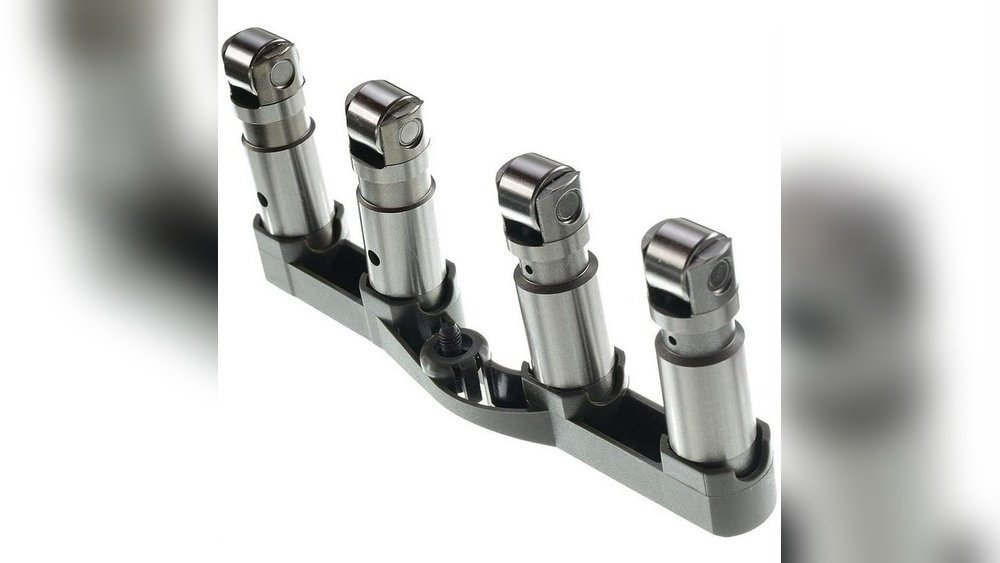
If you own a Dodge Charger and have noticed unusual ticking noises or performance issues, your lifters might be the culprit. Knowing the Dodge Charger lifter replacement cost can help you make smart decisions before the problem worsens.
You might wonder, “Is it worth fixing now? How much will it really cost? ” Ignoring lifter problems can lead to bigger, more expensive engine damage, but fixing them promptly can save you money in the long run. You’ll discover what affects lifter replacement costs, what you can expect to pay, and how to choose the right repair option for your Charger.
Keep reading to protect your car and your wallet.
Lifter Replacement Costs
Replacing lifters in a Dodge Charger involves specific costs. These costs vary based on parts and labor. Understanding these expenses helps in budgeting for repairs and avoiding surprises. The lifter replacement cost depends on the vehicle model and repair shop rates. Below is a breakdown of typical costs related to lifter replacement.
Parts Price Range
Lifter parts range widely in price. Basic hydraulic lifters cost around $90 to $230. High-performance or complete camshaft and lifter kits may exceed $450. Prices vary by brand and quality. Mopar parts often cost more but fit perfectly. Ordering online can save money, but shipping times vary.
Labor Charges
Labor is a major part of the total cost. Shops charge between $70 and $120 per hour. Replacing lifters takes several hours due to engine disassembly. Dealerships usually charge higher labor rates than independent mechanics. The job may take 4 to 6 hours depending on engine condition and model.
Total Expense Estimates
The total cost for lifter replacement ranges from $500 to $1,200. Basic lifter replacement usually falls between $500 and $700. Full camshaft and lifter replacement can push costs closer to $1,200. Additional parts like gaskets and seals may add to the price. Always get a detailed estimate before starting repairs.

Credit: www.sdbm.nl
Symptoms Of A Bad Lifter
Recognizing the symptoms of a bad lifter in your Dodge Charger is vital. Lifters play a key role in the engine’s valve operation. Problems with them can lead to serious engine issues. Early signs help you avoid costly repairs later.
Below are common symptoms that indicate a lifter problem. Pay attention to noises, performance changes, and risks of engine damage.
Common Noises
A bad lifter often causes unusual sounds. You might hear a tapping or ticking noise from the engine. This noise usually gets louder when the engine is cold. The sound may fade as the engine warms up. These noises come from lifters that fail to maintain proper oil pressure.
Performance Issues
Engine performance may drop due to a faulty lifter. You could notice rough idling or misfires. Acceleration might feel sluggish or uneven. The engine may hesitate or stall during driving. These issues happen because lifters affect valve timing and operation.
Potential Engine Damage
Ignoring a bad lifter risks serious engine damage. Lifters that do not work can harm the camshaft. This damage leads to costly repairs or full engine rebuilds. Prolonged issues may cause loss of power and efficiency. Address lifter problems promptly to protect your Dodge Charger’s engine.
Factors Affecting Cost
Several factors influence the cost of replacing a Dodge Charger lifter. Understanding these elements helps in planning your budget effectively. Costs can vary widely based on what your vehicle needs and where you get the service done.
Vehicle Type Impact
The model year and engine type of your Dodge Charger affect the replacement cost. Newer models with advanced engines usually require pricier parts. Performance versions might need specialized lifters, raising the price. Basic models often have more affordable replacement options.
Scope Of Repair
Replacing one lifter costs less than replacing all lifters or the entire camshaft. Sometimes, a full camshaft and lifter job is necessary, including new seals and timing parts. The extent of damage decides if a simple or extensive repair is required. More parts and labor increase the total cost.
Shop Type Differences
Labor rates vary between dealerships and independent repair shops. Dealerships generally charge higher prices for labor and parts. Independent shops often offer more competitive rates without sacrificing quality. Choosing the right shop can save you money on the repair.
Parts Quality Choices
OEM parts cost more but guarantee proper fit and durability. Aftermarket parts provide a cheaper alternative but may vary in quality. Some lifter kits include additional components, affecting the price. Selecting the right parts balances cost and reliability for your Charger.

Credit: colegiosiglan.com.br
Repair Options
Repairing lifters in a Dodge Charger involves several options. These choices depend on the damage and budget. Each method has different costs and benefits. Understanding these helps in making the right decision.
Some fixes may last longer, while others serve as short-term solutions. It is important to know what each repair offers to avoid future problems.
Partial Lifter Replacement
This option replaces only the damaged lifters. It costs less than a full service. Mechanics remove faulty lifters and install new ones. It is faster and requires less labor.
Partial replacement works well if only a few lifters fail. It may not fix noise if other parts wear out too. This repair suits minor lifter issues without camshaft damage.
Full Camshaft And Lifter Service
This repair replaces all lifters and the camshaft. It is more expensive but ensures long-term reliability. The procedure includes removing the camshaft, lifters, and related parts.
New seals, gaskets, and timing components are often installed. This service suits severe damage or worn camshafts. It prevents repeated repairs and restores engine performance.
Oil Additives And Temporary Fixes
Oil additives can reduce lifter noise temporarily. They clean deposits and improve lubrication. Brands like Seafoam and Lucas offer such products.
This method is low-cost and easy to try. It delays repairs but does not fix mechanical damage. Use additives only as a short-term fix before full repair.
Is Repair Worth It?
Deciding whether to repair or replace the lifters in your Dodge Charger depends on several factors. Lifters play a crucial role in your engine’s performance. Ignoring lifter problems can lead to serious engine damage. Understanding the risks and costs can help you make the right choice for your vehicle.
Risks Of Driving With Bad Lifters
Bad lifters cause noisy ticking or tapping sounds from the engine. This noise signals metal parts are not working smoothly. Driving with faulty lifters stresses the camshaft and valves. Prolonged use can damage the catalytic converter and other engine components. Engine performance may drop, causing rough idling or stalling. Fuel efficiency also suffers, leading to higher gas costs. Ignoring these risks could lead to expensive repairs later.
Long-term Cost Considerations
Repairing lifters early can save money over time. Replacing damaged parts prevents further engine harm. Labor costs for lifter replacement vary by shop and region. Parts prices depend on whether you replace a few lifters or a full kit. Choosing a trusted independent mechanic often costs less than a dealership. Keep in mind the cost of potential future repairs if you delay fixing the issue. Timely action reduces the chance of needing a costly camshaft replacement.
When To Replace Vs. Repair
Replace lifters when they cause persistent noise or poor engine performance. Repair might be an option for minor lifter issues or isolated failures. If only a few lifters fail, replacing them can be cheaper than a full overhaul. Consider your vehicle’s age and overall condition before deciding. A newer Charger may benefit from a full replacement for better reliability. Older vehicles might not justify the cost if other parts are worn. Assessing these factors helps you choose the best solution for your Dodge Charger.

Credit: yvt.co.za
Tips For Saving Money
Replacing the lifter in your Dodge Charger can be costly. Saving money matters. Smart choices reduce expenses without cutting quality. Use these tips to manage your repair budget well.
Getting Multiple Quotes
Get quotes from different shops before deciding. Comparing prices helps find fair rates. Some places may offer discounts or specials. Call or visit local mechanics and dealerships. Write down each estimate for easy comparison. Choose the best balance of price and trust.
Choosing Independent Shops
Independent repair shops usually charge less than dealerships. They often have skilled mechanics with fair rates. Smaller shops can offer personalized service. They may use quality parts without extra fees. Support local businesses to save money and get good care.
Starting With Simple Fixes
Start by checking for easy problems before replacing lifters. Sometimes, cleaning or adjusting parts can fix the noise or performance issues. Oil changes and additives might help reduce lifter noise temporarily. Try these steps to avoid full replacement costs. If issues remain, proceed with repairs.
Conclusion
Replacing the Dodge Charger lifter can vary in cost. Parts range from about $90 to $500 depending on quality. Labor charges differ by shop and vehicle complexity. Fixing lifters early prevents bigger engine problems later. Always get several quotes to find a fair price.
Choosing reliable parts and mechanics saves money long term. Regular maintenance helps avoid lifter damage altogether. Keep your Charger running smoothly with timely repairs.