Are you thinking about deleting your muffler to boost your car’s horsepower? It sounds like a simple way to get more power, right?
But before you make that change, it’s important to understand what really happens under the hood. You might be surprised to learn that removing your muffler doesn’t always mean more horsepower—in fact, it could even hurt your engine’s performance. You’ll discover how a muffler delete affects your car’s power, sound, and overall driving experience.
Stick with us to find out if that muffler delete is worth it for your ride or just a loud upgrade with little gain.
Credit: www.youtube.com
Muffler Delete Basics
Understanding the basics of a muffler delete helps clear up common questions. Many wonder if removing the muffler adds horsepower. The truth is more about sound than power. Let’s explore what a muffler delete really means and why some drivers choose this modification.
What A Muffler Delete Entails
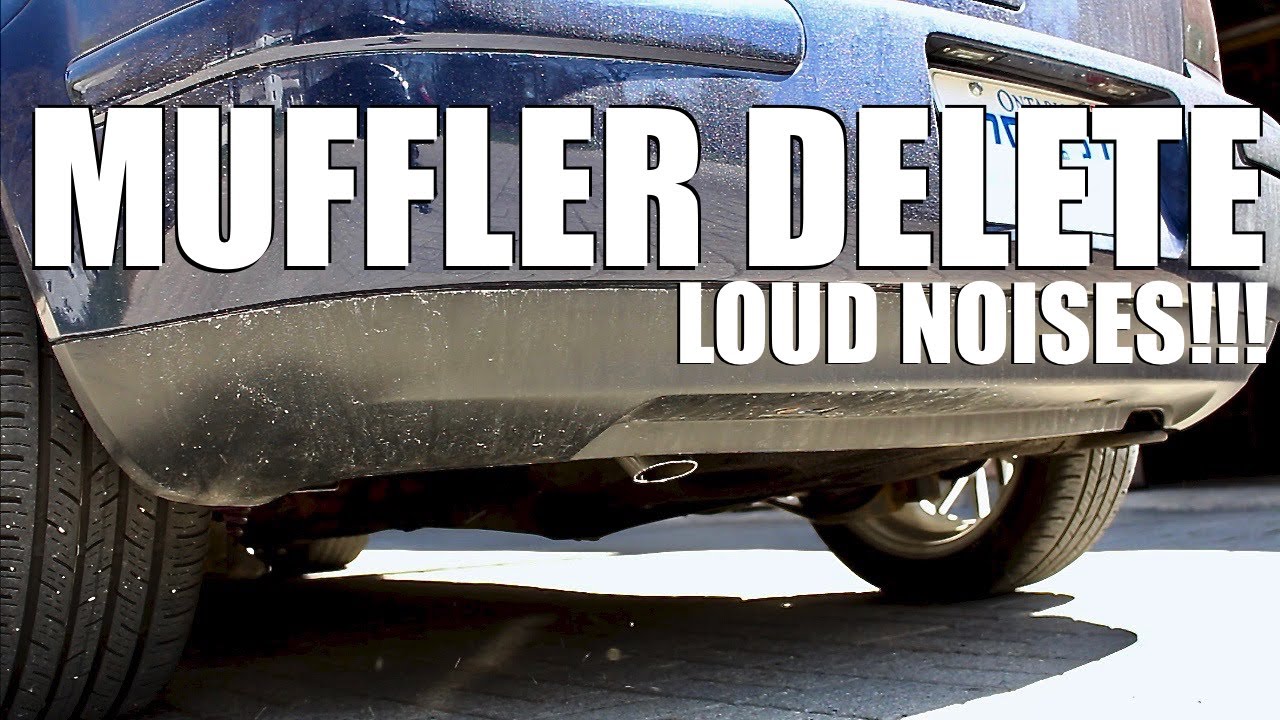
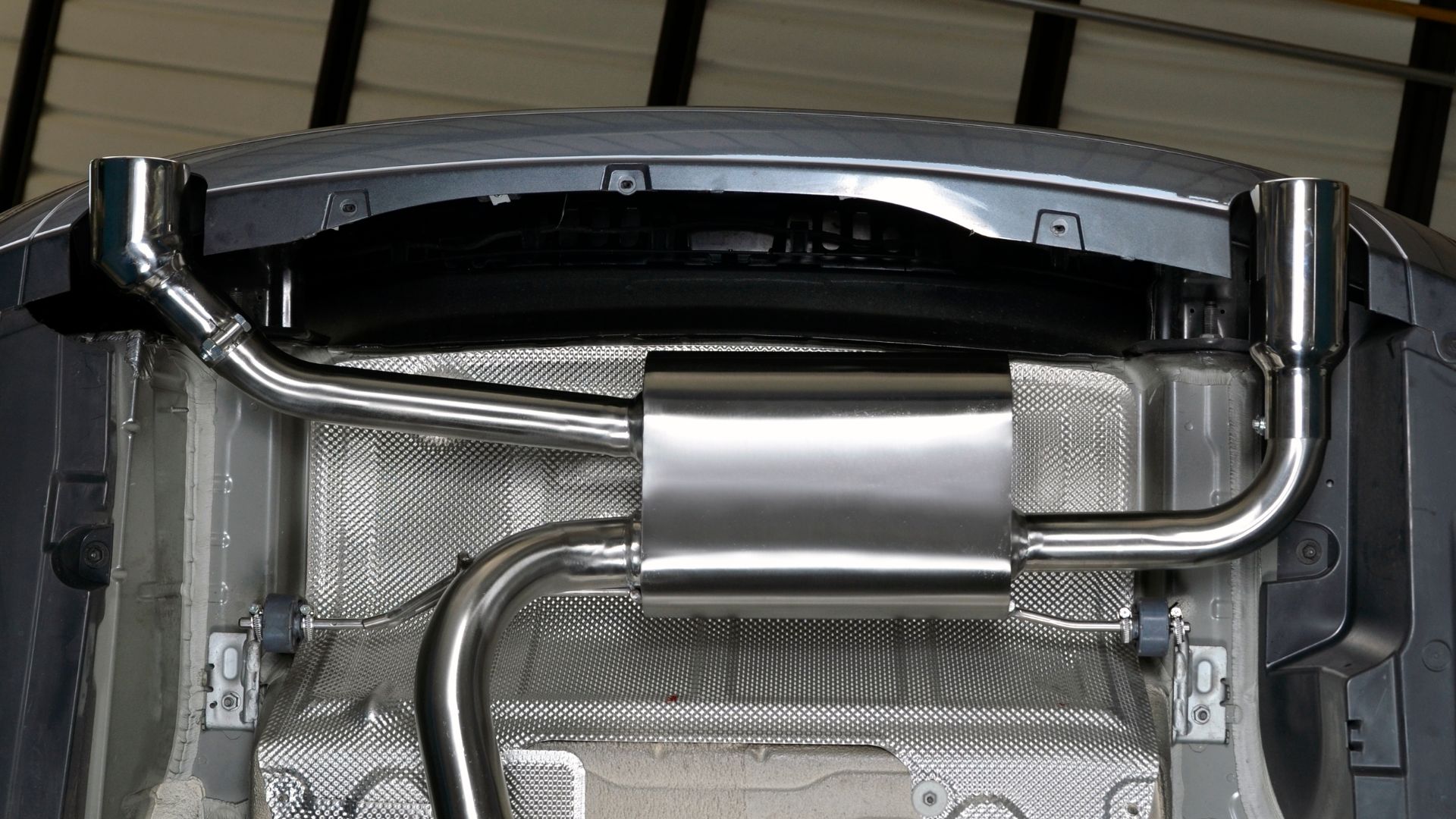
A muffler delete means removing the muffler from the exhaust system. The muffler’s job is to reduce noise from the engine. Without it, the exhaust sounds louder and deeper. The rest of the exhaust parts stay the same. Pipes may be replaced with straight pipes or simple connectors. This change affects how the car sounds but not always how it performs.
Common Reasons For Removal
People delete mufflers mostly to make their cars louder. Some enjoy the aggressive sound and want a sportier feel. Others believe it might slightly improve exhaust flow. Some older mufflers are restrictive, so removal can help in rare cases. Many also want a unique sound that sets their car apart. The change is mostly about style and noise, not big power gains.
Horsepower Effects
Removing a muffler can affect your car’s horsepower, but results vary. The muffler controls exhaust flow and noise, which links closely to engine performance. Changes in horsepower depend on how this flow alters backpressure and engine tuning. Understanding these factors helps set realistic expectations about power gains.
Impact On Backpressure
Mufflers create backpressure, which helps some engines run smoothly. This is true especially for naturally aspirated engines. Removing the muffler reduces backpressure, which can upset the engine’s balance. Less backpressure may lower torque at low engine speeds. The engine may lose some efficiency without the muffler’s resistance.
Engine Tuning Considerations
Modern engines are tuned to work with a muffler in place. Removing it changes exhaust flow and pressure. This can confuse the engine’s sensors and systems. Without proper tuning, the engine may not run optimally. To gain horsepower, retuning is often necessary after a muffler delete. Otherwise, power gains may not appear or could even decrease.
Realistic Power Gains
Power gains from deleting a muffler are usually small or none. The biggest change drivers notice is louder exhaust sound. Some turbocharged engines may see minor improvements because they benefit from less restriction. Older cars with restrictive mufflers might also gain slightly at high RPMs. For most cars, expect noise increase but little real horsepower boost.
When It May Improve Performance
Removing a muffler may improve engine performance in certain situations. The effects depend on the vehicle type and its exhaust system design. Some engines benefit more than others from reduced exhaust restriction. Understanding these cases helps set realistic expectations about horsepower gains.
Turbocharged Engine Benefits
Turbocharged engines rely on exhaust gases to spin the turbo. Less restriction in the exhaust helps the turbo spool faster. Removing a muffler lowers backpressure and allows exhaust gases to escape more quickly.
This quicker flow improves turbo response and may add slight horsepower. Gains are usually small but noticeable in acceleration. Turbo setups often benefit more than naturally aspirated engines from a muffler delete.
Older Vehicles With Restrictive Mufflers
Older cars often have mufflers that limit exhaust flow more than newer designs. Removing these old mufflers reduces restriction and allows the engine to breathe better. This can lead to minor horsepower improvements, especially at higher RPMs.
These gains come from improved exhaust flow, not just louder sound. Vehicles with outdated exhaust systems see the most performance benefit from a muffler delete.
Potential Downsides
Removing a muffler may seem like a quick way to boost horsepower. The reality involves several potential downsides. These issues can affect engine health, driving comfort, and legal standing. Understanding these risks helps make a smart decision about a muffler delete.
Engine Control Unit Complications
Modern cars have an Engine Control Unit (ECU) that manages engine functions. Removing the muffler changes exhaust flow and sound. This can confuse the ECU’s sensors. The ECU may react by reducing engine performance or triggering warning lights. Tuning the ECU might be necessary after a muffler delete.
Loss Of Low-end Torque
Mufflers help maintain backpressure in the exhaust system. This backpressure supports low-end torque, important for smooth acceleration. Removing the muffler often reduces backpressure. The result can be weaker torque at low engine speeds. This loss can make the car feel less responsive in everyday driving.
Increased Noise And Drone
Mufflers reduce the noise produced by the engine and exhaust. Without a muffler, the car becomes much louder. This noise can be unpleasant and tiring on long drives. Some drivers report a constant drone inside the cabin. Noise complaints from neighbors or authorities might follow.
Exhaust Leaks And Damage
Removing the muffler may expose exhaust components to damage. The exhaust system relies on proper sealing and support. Muffler deletes can create gaps or weak points. These gaps may cause exhaust leaks, reducing efficiency and safety. Leaks can also allow harmful gases to enter the cabin.
Emission And Legal Issues
Many regions require cars to pass emission tests. Mufflers play a role in controlling emissions. A muffler delete can cause the car to fail these tests. It may also violate local noise and pollution laws. Fines or forced repairs might follow non-compliance. Checking local rules before deleting a muffler is essential.
Mitigating Risks
Removing a muffler can change your car’s performance and sound. This change comes with risks that you must consider. Proper steps reduce these risks and protect your engine. Knowing which cars suit a muffler delete helps avoid problems. Combining a muffler delete with other upgrades can also improve results.
Suitable Vehicles For Muffler Deletes
Not all vehicles benefit from a muffler delete. Cars with turbocharged engines often gain slight power and better turbo response. Older cars with restrictive mufflers may also see minor improvements. Naturally aspirated engines usually lose low-end torque without a muffler. Modern cars are tuned for mufflers, so removing them can hurt performance. Check your vehicle type before making changes.
Combining With Ecu Tuning
ECU tuning adjusts the engine’s computer to match new exhaust setups. This helps maintain power and efficiency after a muffler delete. Tuning can fix air-fuel mixture issues caused by removing the muffler. Without tuning, the engine might run poorly or lose power. Professional tuning ensures the engine works well with less exhaust restriction. Combine muffler deletes with ECU tuning for better and safer results.
Credit: rerev.com
Sound Changes
Removing a muffler changes the sound of your vehicle significantly. The alteration affects both how loud it is and the quality of the noise it produces. These sound changes are usually the main reason people choose to delete their mufflers. Let’s explore what happens to the volume and tone after a muffler delete.
Volume Increase
Deleting a muffler makes your car much louder. The muffler’s job is to reduce noise from the exhaust. Without it, the exhaust sound comes out clearer and stronger. This increase in volume can be shocking at first. It may draw more attention on the road. The sound can be constant or change with engine speed. Expect a noticeable jump in noise level after a muffler delete.
Tone Alterations
The tone of your exhaust changes without a muffler. The sound becomes sharper and more aggressive. It can also sound rougher or raspier, depending on the engine type. This raw exhaust note appeals to many car enthusiasts. Some find it thrilling, while others may find it too harsh. Tone changes vary based on the vehicle and the exhaust system design.

Credit: garage.redline360.com
Conclusion
Removing a muffler mostly changes your car’s sound, not power. Most engines need the muffler to keep backpressure balanced. Without it, low-end torque might drop slightly. Turbocharged engines or older cars could see small horsepower gains. Still, these gains are usually minor and not worth the louder noise.
Think of a muffler delete as a sound upgrade, not a performance boost. Always consider your car’s setup before making changes. Quiet power or loud sound? The choice is yours.