
Are you curious if one-way mirror tint keeps your privacy after the sun goes down? You’re not alone.
Many people choose this film for daytime privacy, enjoying the mirror-like effect that stops prying eyes. But what happens when night falls and your indoor lights turn on? Does the magic continue, or does the tint lose its power? You’ll discover why one-way mirror tint doesn’t work the way you might expect after dark, what causes this surprising change, and the simple solutions you can use to protect your privacy all night long.
Keep reading to make sure your home stays your private sanctuary—even after the lights are on.
One-way Mirror Tint Basics
One-way mirror tint creates privacy by reflecting light differently on each side of a window. This tint works by balancing light levels between the inside and outside. Understanding its basics helps explain why it behaves differently at night and during the day.
How Light Affects Mirror Tint
One-way mirror tint reflects the brighter side of a window. If the outside is brighter, the tint acts like a mirror. If the inside is brighter, the tint becomes see-through from outside. Light difference controls how the tint works.
Daytime Privacy Mechanism
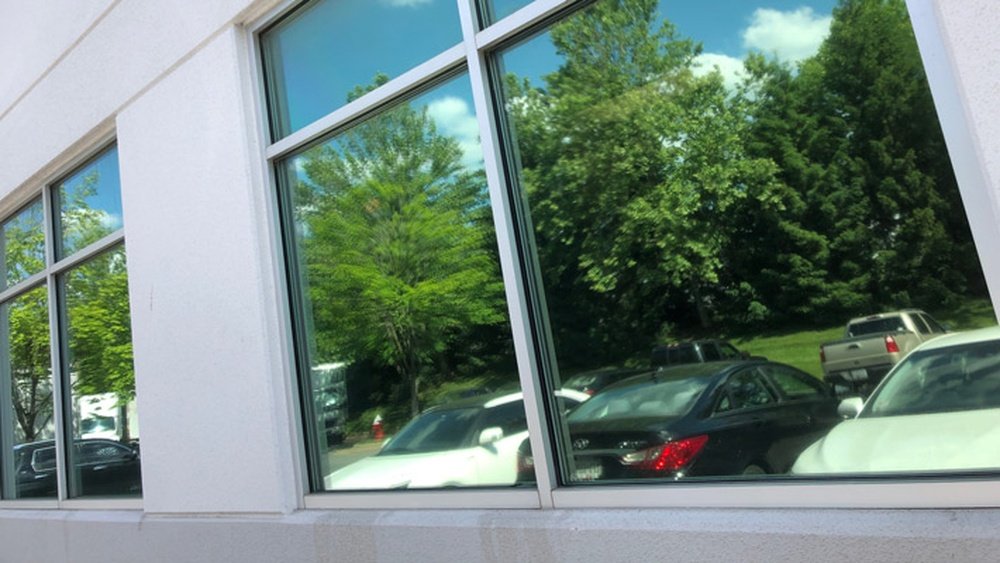
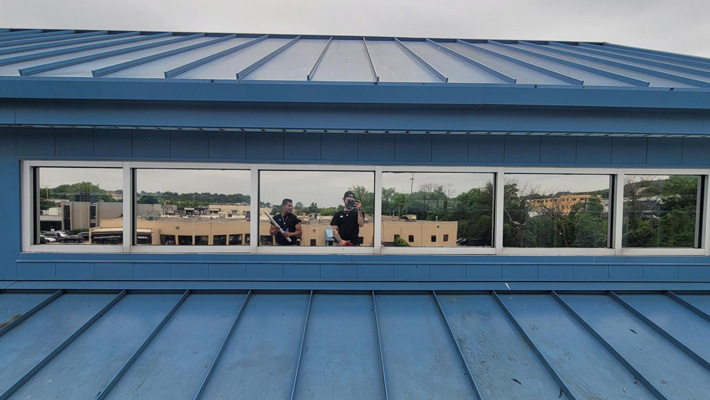
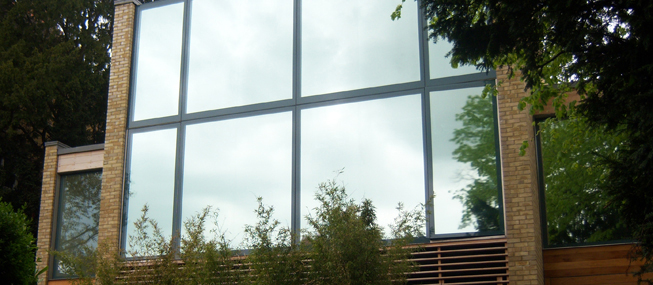
During the day, sunlight is much stronger than indoor lighting. The tint reflects the bright outside light, creating a mirror effect. This reflection blocks anyone outside from seeing inside, giving privacy without curtains.
Nighttime Transparency Issue
At night, indoor lights are brighter than the dark outside. The tint reflects the inside light back outside. This makes the window look normal from outside, letting people see inside easily. Nighttime privacy is lost without extra measures.

Credit: www.amazon.com
Why Privacy Fades After Dark
One-way mirror tint offers privacy by reflecting light from the brighter side. During the day, sunlight makes the outside much brighter than indoors. This brightness difference creates a reflective surface on the window, stopping people from seeing inside. At night, this balance changes. Indoor lights become stronger than the dark exterior, causing privacy to weaken.
Understanding why privacy fades after dark helps explain why one-way mirror tint does not work well at night. The key lies in how light affects the mirror effect and visibility.
Indoor Lights Outshine Exterior
At night, indoor lights are often much brighter than the outside. This brightness shift makes the inside the light source that the tint reflects. Since the exterior is dark, the window no longer acts like a mirror. Instead, it becomes more transparent, showing the interior clearly.
Mirror Effect Reverses
The one-way mirror tint works by reflecting light from the brighter side. When sunlight fades, the mirror effect flips. The window stops reflecting the outside and begins reflecting the indoor light. This reversal turns the mirror into a clear glass from the outside view.
Visibility From Outside Increases
With the mirror effect gone, people outside can easily see inside. The bright indoor lights highlight objects and people within the room. This increased visibility defeats the purpose of the tint. To keep privacy after dark, extra measures like curtains or blinds become necessary.
Nighttime Privacy Solutions
Nighttime privacy requires different solutions than daytime. One-way mirror tint works by reflecting light from the brighter side. At night, indoor lights are brighter than outside. This makes the mirror effect reverse, revealing the interior to outside viewers. To keep privacy after dark, other methods must be used. These solutions help maintain comfort and security in your home or office.
Using Blinds And Curtains
Blinds and curtains block light from inside. They stop people from seeing into your space at night. Choose thick or blackout curtains for full coverage. Blinds allow you to adjust how much light enters. They add style and privacy. Closing them after dark is an easy way to keep your privacy safe.
Exterior Lighting Strategies
Bright outdoor lights can help maintain privacy. Lighting the outside makes it harder to see inside. Use motion sensors or timed lights for efficiency. Place lights near windows but avoid shining them indoors. This keeps the outside brighter than inside. It supports the mirror effect of one-way tint after dark.
Opaque And Blackout Films
Opaque films block all visibility through windows. They stop both light and sight completely. Blackout films are perfect for rooms needing total privacy. These films remove any chance of seeing inside at night. They work well on bedroom or bathroom windows. Unlike one-way tint, they provide privacy 24/7.
Alternatives To One-way Mirror Film
One-way mirror film offers privacy during the day but loses its effect at night. This limitation leads many to seek other options. Alternatives provide privacy without depending on lighting conditions. These choices can suit different needs and budgets. Here are some common alternatives to consider.
Frosted And Decorative Films
Frosted films create a translucent surface that blocks clear views. They allow light to pass but hide details. Decorative films add patterns or textures for style and privacy. These films work well both day and night. They do not rely on light differences to maintain privacy. Frosted and decorative films are easy to apply and remove.
Perforated Vinyl Graphics
Perforated vinyl has tiny holes that let you see out. From the outside, it shows a printed image or design. This method provides privacy while keeping natural light inside. It works regardless of lighting, unlike one-way mirror film. Perforated vinyl is popular for storefronts and vehicles. It also adds branding or decoration to windows.
Traditional Window Treatments
Blinds, curtains, and shades offer flexible privacy control. You can open or close them as needed. They block views completely when closed, day or night. These treatments come in many styles and materials. They add insulation and reduce glare too. Traditional window treatments are a practical choice for lasting privacy.
Choosing The Right Privacy Film
Choosing the right privacy film is essential for effective window privacy. Not all films work the same during day and night. The correct film ensures comfort and security without compromising natural light. Consider how you use your space throughout the day and after dark. This helps in picking a film that suits your needs perfectly.
Considerations For Day Vs. Night Use
One-way mirror films work well during the day by reflecting sunlight. They create a mirror effect on the brighter side. At night, indoor lights are brighter, reversing the effect. This makes the inside visible from outside. Choosing a film only for daytime use might cause privacy issues at night. Consider how much light is inside and outside at different times. Think about adding blinds or curtains for night privacy.
Film Types And Tint Options
Privacy films come in various types and tints. Reflective films offer strong daytime privacy but less at night. Frosted films blur the view on both sides but still let light pass. Dark tinted films reduce visibility but also reduce natural light. Some films combine reflective and tinted layers for balanced privacy. Understand the pros and cons of each type. Select a film that matches your privacy needs and light preferences.
Balancing Visibility And Privacy
Striking the right balance is key. Choose films that keep your view clear inside while blocking views from outside. Films that reflect too much may make rooms darker. Films that block too much light can make rooms gloomy. Consider using films with moderate tint and reflectivity. Add window coverings for extra control when needed. This way, you maintain privacy without losing daylight or your outdoor view.
Credit: www.aptinting.com
Credit: www.windowfilm.co.uk
Frequently Asked Questions
Does One-way Mirror Tint Work At Night?
No, one-way mirror tint does not work at night. Indoor lights are brighter, making the window transparent from outside. Use blinds or curtains for nighttime privacy.
Do One-way Mirrors Work In The Dark?
One-way mirrors do not work in the dark. Indoor lights make the glass transparent from outside. Use curtains or blinds for night privacy.
What Can I Put On My Windows So I Can See Out But Nobody Can See In?
Apply reflective or one-way window film for daytime privacy; it lets you see out while blocking views in. Use blinds or curtains at night for full privacy. Frosted or decorative films and perforated vinyl also provide privacy but limit outward visibility.
What Are The Cons Of One-way Window Film?
One-way window film loses privacy at night as indoor lights make the window transparent outside. It requires blinds or curtains for nighttime privacy. It may reduce natural light and can cause glare or heat buildup inside. Maintenance and installation errors can affect its effectiveness.
Conclusion
One-way mirror tint works best during daylight hours. At night, indoor lights make it see-through. This means people outside can easily look in. Using blinds or curtains helps keep privacy after dark. Bright outdoor lights can also reduce visibility inside.
For full nighttime privacy, consider blackout films instead. Understanding this helps you choose the right window solution. Privacy depends on light differences between inside and outside. Plan accordingly to protect your space both day and night.