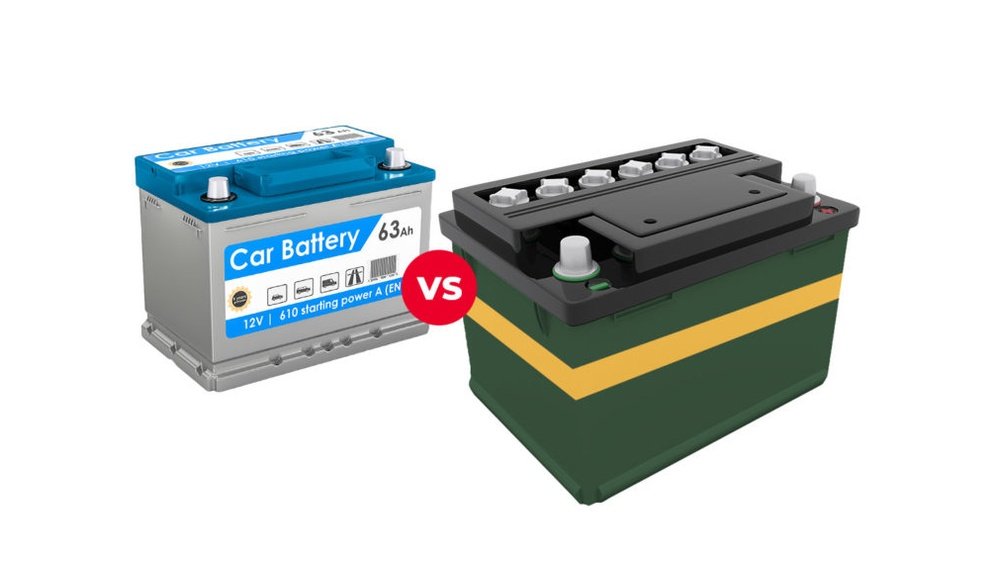
When it comes to choosing the right battery for your car, you might find yourself stuck between two common types: dry cell and wet cell batteries. Which one suits your needs better?
Should you prioritize convenience, cost, or maintenance? Understanding the key differences between these batteries can save you time, money, and hassle down the road. You’ll discover what sets dry cell and wet cell car batteries apart, and which option could be the perfect fit for your vehicle and lifestyle.
Keep reading to make an informed choice that keeps your car running smoothly.
Battery Types In Cars
The design and construction of car batteries affect their performance and maintenance. Dry cell and wet cell batteries differ significantly in how they are built. These differences impact safety, lifespan, and usability. Understanding these elements helps in choosing the right battery for your vehicle.
Sealed Vs. Flooded Cells
Dry cell batteries are sealed units with no openings. This design prevents leaks and reduces the need for maintenance. The sealed case holds all components tightly inside. It makes these batteries safer and cleaner to use.
Wet cell batteries, also known as flooded batteries, have removable caps. These allow adding water or checking the electrolyte level. The liquid electrolyte freely moves inside the battery. This design requires regular maintenance to keep the battery working well.
Electrolyte Differences
Dry cell batteries use a gel or absorbed glass mat (AGM) to hold the electrolyte. This material keeps the liquid in place, preventing spills. It also improves battery life by reducing evaporation and corrosion.
Wet cell batteries contain a liquid electrolyte made of sulfuric acid and water. This free-flowing acid reacts with the battery plates to produce electricity. Because the electrolyte is liquid, it can evaporate or spill if the battery is damaged or tipped over.
Design And Construction
Performance plays a key role in deciding between dry cell and wet cell car batteries. Understanding how these batteries work under different conditions helps choose the right one. Two important factors to consider are power output and discharge rates, along with energy density and voltage stability.
Power Output And Discharge Rates
Wet cell batteries usually deliver higher power output. They can handle heavy loads better during engine starts. Dry cell batteries provide steady power but may struggle with high bursts. Discharge rates in wet cells are generally faster, meaning they can supply energy quickly. Dry cells discharge slower, which suits lighter, continuous use. This difference affects how the battery performs in real driving conditions.
Energy Density And Voltage Stability
Energy density refers to how much energy a battery stores in a given size. Dry cell batteries tend to have higher energy density. They store more energy in a compact form. Wet cell batteries are bulkier but offer stable voltage for longer periods. Voltage stability ensures smooth power delivery to your car’s electrical system. Dry cells may experience voltage drops as they discharge. Wet cells maintain a more constant voltage, which supports consistent engine performance.
Performance Factors
Car batteries need care to work well and last longer. Maintenance differs between dry cell and wet cell batteries. Understanding these needs helps you choose the right battery and keep it running smoothly.
Some batteries require regular checks, while others need little to no attention. This section explains what each type needs for proper maintenance.
Water Level Checks In Wet Cells
Wet cell batteries contain liquid electrolyte that can evaporate. Checking the water level is essential to keep the battery healthy. You must open the caps and add distilled water if the level is low. This prevents damage to the battery plates and extends battery life. Regular water level checks help avoid battery failure during cold or hot weather.
Maintenance-free Dry Cells
Dry cell batteries are sealed and do not have liquid inside. They do not need water level checks or refilling. These batteries are designed to be maintenance-free. Just install and use without worrying about regular upkeep. Dry cells offer convenience and less hassle, perfect for busy drivers or those new to car care.

Credit: swiftbatteryspecialist.sg
Maintenance Needs
Cost plays a major role in choosing between dry cell and wet cell car batteries. Understanding both the initial and long-term expenses helps make a smart decision. Each type has unique price points and maintenance needs affecting overall cost.
Initial Purchase Price
Wet cell batteries usually cost less upfront than dry cell batteries. This makes them attractive for buyers on a tight budget. Dry cell batteries tend to be pricier because of their sealed design and advanced materials. The price difference can be noticeable at the time of purchase.
Long-term Expenses
Wet cell batteries require regular maintenance, like adding water and cleaning terminals. These tasks add to ongoing costs and time investment. Dry cell batteries are maintenance-free, reducing extra expenses over time. They also tend to last longer, which may lower replacement frequency and cost.
Cost Considerations
The lifespan and durability of car batteries are crucial for reliable vehicle performance. Choosing the right type of battery affects how long your car runs without issues. Dry cell and wet cell batteries differ significantly in these aspects. Understanding their expected life and how well they resist harsh conditions helps in making the best choice.
Expected Battery Life
Wet cell batteries usually last between three to five years. They require regular maintenance, like topping up with distilled water. Dry cell batteries often have a shorter lifespan, around two to four years. These batteries are sealed and need no maintenance. Their life depends on usage and temperature. Both types lose capacity over time but wet cells tend to last longer with proper care.
Resistance To Environmental Factors
Wet cell batteries are sensitive to extreme temperatures and vibrations. Cold weather can reduce their efficiency and lifespan. They also risk leaking acid if damaged. Dry cell batteries handle vibrations and shocks better due to their sealed design. They perform well in colder climates without the risk of spilling. However, high heat can still reduce their performance. Overall, dry cells offer better durability against environmental challenges.

Credit: www.youtube.com
Lifespan And Durability
Choosing the right car battery is important for your vehicle’s performance and longevity. The decision between dry cell and wet cell batteries depends on what suits your needs best. Both types have unique features that affect their use and maintenance. Understanding these differences helps you pick the ideal battery.
Convenience Vs. Affordability
Dry cell batteries are sealed and require little to no maintenance. This makes them very convenient for drivers who prefer hassle-free use. They are usually more expensive but save time and effort in the long run.
Wet cell batteries cost less upfront. They need regular checks and water refills to maintain performance. This makes them less convenient but more affordable for those on a budget.
Vehicle And Usage Compatibility
Wet cell batteries suit vehicles that handle heavy loads or need high power bursts. They are common in older cars and trucks. Their design allows for easy maintenance and longer service life under tough conditions.
Dry cell batteries fit modern cars and smaller vehicles well. They perform better in cold weather and have lower risk of leaks. Ideal for daily commuting and light use, they offer reliable power without much upkeep.
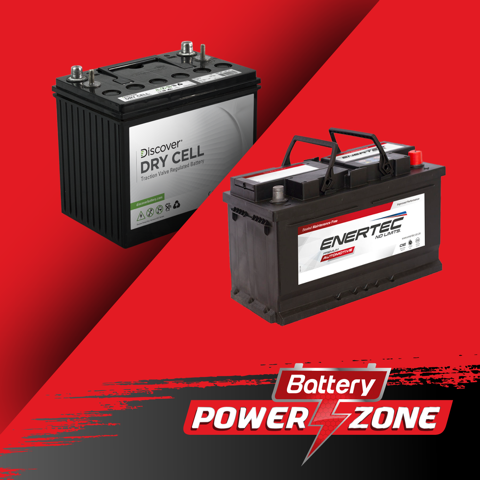
Credit: batterypowerzone.co.za
Frequently Asked Questions
Is It Better To Have A Wet Or Dry Battery In A Car?
A dry battery offers maintenance-free convenience and longer life, while a wet battery is cheaper but requires regular upkeep. Choose based on your budget and maintenance preference.
What Are The Disadvantages Of Dry Cell Batteries?
Dry cell batteries cannot be recharged and have lower energy density. Their voltage drops during use, reducing device performance. Improper disposal harms the environment.
What Is The Life Expectancy Of A Dry Cell Car Battery?
A dry cell car battery typically lasts between 3 to 5 years. Proper care can extend its lifespan.
Are Car Batteries Wet Or Dry Cell?
Car batteries are typically wet cell types with liquid electrolyte and removable caps for maintenance. Dry cell batteries are sealed and maintenance-free but less common in cars.
Conclusion
Choosing between dry cell and wet cell car batteries depends on your needs. Dry cell batteries need little care and work well for convenience. Wet cell batteries cost less and offer strong power but need regular checks. Both types have pros and cons to consider.
Think about your budget and how much maintenance you want. Understanding these differences helps you pick the best battery for your car. Remember, the right battery keeps your vehicle running smoothly every day.