If you’re thinking about tinting your car windows, you’ve probably come across dyed auto tint as an option. But what exactly is dyed auto tint, and is it the right choice for your vehicle?
You want your car to look sleek, protect your interior from the sun’s harsh rays, and keep you comfortable on hot days. Dyed auto tint offers an affordable way to achieve that classic dark look while reducing some glare and UV exposure.
However, it’s important to understand how it works, what benefits it brings, and what limitations it has compared to other tint types. Keep reading to discover everything you need to know about dyed auto tint so you can make the best decision for your ride.

Credit: flexfilmstore.com
What Is Dyed Auto Tint
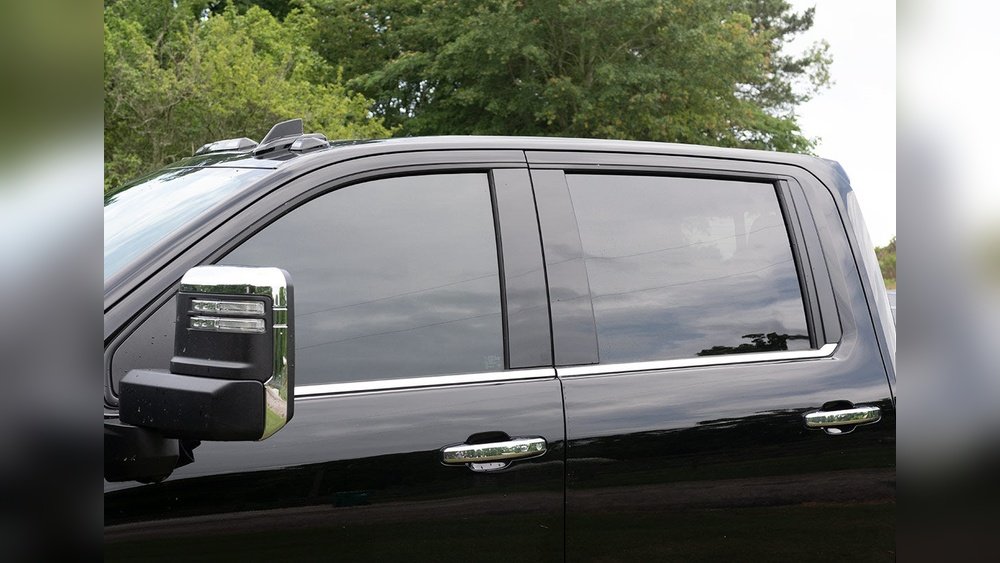
Dyed auto tint is a popular choice for vehicle window tinting. It offers a sleek, darkened look without high costs. Many car owners prefer it for style and basic sun protection. Understanding what dyed auto tint is helps in choosing the right film for your car.
Composition And Color
Dyed auto tint consists mainly of a layer of dye. This dye is sandwiched between an adhesive layer and a protective outer coating. The dye absorbs sunlight, reducing glare and some heat. It gives the windows a dark, tinted appearance. The color can vary from light to very dark shades. This variety allows customization to fit personal style and privacy needs.
How It Works
The dye in the tint absorbs visible light from the sun. This absorption reduces the brightness inside the car. It also blocks some ultraviolet (UV) rays, protecting the interior and passengers. However, dyed tint does not block heat as well as other films. It does not reflect sunlight; it mainly soaks it up. Over time, the dye may fade due to sun exposure. Despite this, it remains a popular choice for affordable window tinting.
Benefits Of Dyed Tint
Dyed auto tint offers several advantages for vehicle owners. It improves driving comfort and protects the car interior. The benefits go beyond just darkening windows. This type of tint is popular for its blend of style and function. Below are key benefits of dyed tint to consider.
Heat Reduction
Dyed tint absorbs sunlight and reduces heat inside the car. It helps keep the cabin cooler on sunny days. This tint lowers the temperature without using complex technology. It makes driving more comfortable in hot weather.
Uv Protection
Dyed tint blocks a good amount of harmful UV rays. This helps protect your skin from damage while driving. It also prevents car seats and dashboard from fading. UV protection extends the life of your car’s interior materials.
Aesthetic Appeal
Dyed tint adds a sleek, dark look to your car windows. It gives your vehicle a stylish and uniform appearance. The tint hides clutter inside the car for a cleaner look. Many choose dyed tint for its simple, elegant style.
Cost Effectiveness
Dyed tint is one of the most affordable window tint options. It provides decent benefits without a high price tag. Installation is usually quick and simple. This makes dyed tint a budget-friendly choice for many drivers.
Limitations Of Dyed Tint
Dyed auto tint offers an affordable and sleek look for many vehicles. It works by adding a dyed layer that absorbs sunlight. Despite its benefits, dyed tint has clear limitations. Understanding these drawbacks helps in choosing the right tint for your car. Below are key issues to consider.
Fading Over Time
Dyed tint fades faster than other tint types. Sun exposure causes the dye to break down. Colors may turn purple or reddish after some years. This fading harms the tint’s appearance. It also reduces privacy and protection.
Lower Heat Rejection
Dyed tint blocks less heat than ceramic or metalized films. It absorbs sunlight but does not reflect infrared rays well. Cars may still get hot inside during sunny days. This can increase air conditioning use and fuel consumption.
Signal Interference
Dyed tint does not cause signal problems. Unlike metalized tints, it does not block radio, GPS, or phone signals. This is a benefit if you use electronic devices in your car. Signal clarity remains strong with dyed film.

Credit: autotintingaustin.com
Comparing Dyed Tint To Other Types
Dyed auto tint is a popular choice for car owners. It darkens windows by adding a colored layer that absorbs sunlight. This section compares dyed tint with other common types. Each type has unique features and benefits. Knowing the differences helps you pick the best tint for your needs.
Metalized Tint
Metalized tint contains tiny metal particles. These particles reflect heat and sunlight. It cools the car better than dyed tint. Metalized tint also blocks UV rays effectively. One downside is it can interfere with phone and GPS signals. It has a shiny, reflective look on windows.
Carbon Tint
Carbon tint uses carbon particles to block heat. It reduces glare and UV rays well. Carbon tint does not fade or change color over time. It offers better heat rejection than dyed or metalized tint. This type has a matte finish, giving windows a sleek look. It does not affect electronic signals.
Ceramic Tint
Ceramic tint is the most advanced option. It contains ceramic particles that block heat and UV rays. Ceramic tint provides the best cooling effect. It keeps inside temperatures low even on hot days. It has great clarity and does not fade. Ceramic tint is also signal-friendly and very durable.
Choosing The Right Shade
Choosing the right shade for dyed auto tint matters more than just looks. It affects your car’s appearance, comfort, and safety. Picking a shade involves understanding laws, personal taste, and how much you can see through the windows. This guide helps you find the perfect tint shade.
Legal Tint Limits
Every state has rules about how dark tint can be on car windows. These laws protect drivers and pedestrians. In Austin, Texas, limits vary for front, side, and rear windows. Dark tints may lead to fines or require removal. Check local laws before choosing a shade. Staying legal avoids trouble with police.
Personal Style Preferences
Auto tint shades come in many colors and darkness levels. Some like a light tint for a subtle look. Others prefer dark shades for privacy and a sleek style. Dyed tints offer rich colors without a shiny look. Choose a shade that matches your car’s color and your personality. The right tint boosts your car’s appearance.
Visibility And Safety
Tint affects how well you see outside your car. Dark tints reduce glare and heat but can lower night visibility. Light tints keep views clear but block less sunlight. Balance is key for safe driving. Make sure you can see pedestrians and other cars clearly. Good visibility protects you on the road.

Credit: newvisionfilm.en.made-in-china.com
Installation Process
Installing dyed auto tint requires care and precision to achieve a smooth, bubble-free finish. The process involves cleaning, measuring, cutting, and applying the tint film correctly. A proper installation ensures the tint lasts longer and looks professional.
Understanding the steps helps avoid common issues and improves results. Below is a breakdown of key points to consider during installation.
Professional Vs Diy
Professional installation offers expertise and tools for flawless results. Experts have experience handling tint film and can apply it quickly without errors.
DIY installation saves money but risks mistakes like bubbles or peeling. It requires patience and a clean workspace. Beginners may find it challenging to get a perfect fit.
Choosing between professional and DIY depends on budget, skill, and time availability.
Preparation Steps
Start by thoroughly cleaning the car windows. Remove all dirt, dust, and grease using a suitable cleaner.
Measure and cut the tint film slightly larger than the window size. This allows trimming for an exact fit.
Wet the window with a spray solution to help slide the tint into place. Use a squeegee to remove air bubbles and excess water.
Allow the tint to dry fully, which can take several days depending on weather conditions.
Common Mistakes To Avoid
Do not install tint in dirty or dusty environments. Contaminants cause bubbles and poor adhesion.
Avoid cutting the film too small or unevenly. This leads to gaps and peeling edges.
Do not rush the drying process. Premature rolling down of windows can damage the film.
Using the wrong type of solution or tools can scratch or wrinkle the tint.
Maintenance Tips
Maintaining dyed auto tint helps keep your car windows looking good and working well. Proper care prevents damage and fading. Follow simple steps to protect your investment and enjoy lasting results.
Cleaning Methods
Use a soft cloth or sponge for cleaning tinted windows. Avoid abrasive materials that can scratch the film. Apply a gentle cleaner made for auto tint or a mix of water and mild soap. Spray the cleaner on the cloth, not directly on the tint. Wipe gently in a circular motion. Dry with a clean microfiber cloth to prevent streaks.
Protecting Against Scratches
Do not use sharp objects near tinted windows. Avoid scrubbing with hard brushes or scrapers. Be careful when loading items inside your car to prevent accidental damage. Park in shaded areas to reduce wear caused by sun exposure. Use window shades or curtains to add extra protection when parked for long periods.
Extending Lifespan
Keep your car clean to avoid dirt buildup on the tint. Avoid rolling down windows for at least a week after tint installation. Regularly inspect the tint for bubbles or peeling edges. Repair minor damages quickly to prevent worsening. Following these tips helps your dyed tint last longer and look fresh.
Cost Factors
Understanding the cost factors of dyed auto tint helps you plan your budget. Several elements affect the final price. These include the quality of the film, the size of your vehicle’s windows, and where you buy the tint. Knowing these details allows you to make a smart choice.
Price Range
The price of dyed auto tint varies widely. Basic films start as low as $50 for a full car. Higher quality tints can cost up to $200 or more. Labor costs also add to the total price. Simple sedans are cheaper to tint than large SUVs or trucks. Expect to pay more for custom colors or special finishes.
Quality Vs Price
Cheaper dyed tint usually fades faster and blocks less heat. More expensive films often last longer and resist UV rays better. The quality affects how dark and even the tint looks. Investing in a better film can save money over time. Poor quality tint may peel or bubble within a few years.
Where To Buy
Auto tint can be bought online, at local shops, or through professional installers. Online stores may offer lower prices but no installation service. Local shops provide both products and expert installation. Some dealers include a warranty on their work. Choose a trusted seller to avoid fake or poor-quality films.
Popular Dyed Tint Brands
Dyed auto tint offers an affordable and stylish way to darken car windows. Many brands provide high-quality dyed films that balance aesthetics and basic heat reduction. Choosing the right brand ensures better durability and color retention. Below are some popular dyed tint brands favored by drivers and professionals alike.
Llumar
LLumar is a well-known brand in the auto tint industry. Their dyed films offer rich, deep color without metal layers. This tint reduces glare and provides privacy. LLumar dyed tints resist fading for several years. Many customers trust LLumar for consistent quality and easy installation.
Omnique
Omnique produces dyed window films with vibrant colors and smooth finish. Their products include unique shades like Opal Pink and Blue. Omnique dyed tint gives cars a stylish look while blocking some sunlight. The films are designed to last and maintain their color over time. It suits drivers seeking a colorful tint option.
Tint Club
Tint Club offers affordable dyed tint films with solid performance. Their dyed tints absorb sunlight to reduce heat inside vehicles. Tint Club products are popular for DIY tinting projects. They deliver good color depth and privacy at a competitive price. Many users praise Tint Club for value and ease of use.
Styling Ideas With Dyed Tint
Dyed auto tint offers more than just sun protection. It adds a sleek, stylish look to your vehicle. With the right styling ideas, you can make your car stand out on the road. Simple changes can create a fresh, customized feel that matches your personality. Explore color choices and how to pair dyed tint with other accessories for a unique style.
Color Options
Dyed tint comes in various shades, mostly black and dark gray. These colors give a classic, elegant look to any car. Some brands offer subtle blues, greens, or purples for a modern twist. Choosing a color depends on your car’s paint and your style. Darker tints offer more privacy and a bold appearance. Lighter shades keep visibility high while still reducing glare. Consider matching the tint shade to your car’s trim or interior for a harmonious design.
Combining With Other Accessories
Pair dyed tint with accessories like rims, spoilers, or decals. Black or dark tints work well with chrome or matte black wheels. A rear spoiler combined with tinted windows adds a sporty vibe. Interior upgrades such as seat covers and dash trims can complement the outside look. Keep the color scheme consistent for a clean, coordinated style. Avoid mixing too many colors to maintain a sharp, polished appearance. Small touches make a big difference in your car’s overall look.
Frequently Asked Questions
Is Dyed Film Tint Good?
Dyed film tint offers basic heat and UV protection by absorbing sunlight. It is affordable but fades faster and blocks less heat than advanced tints.
How Long Will Dyed Tint Last?
Dyed tint typically lasts 3 to 5 years. It fades faster due to low UV resistance and sun exposure. Regular care can extend its lifespan.
How Much Is Dyed Tint?
Dyed tint typically costs between $100 and $350 for a sedan. It offers basic UV protection at an affordable price.
What’s The Difference Between Dye And Tint?
Dye adds color by absorbing light, offering basic UV protection. Tint includes various films that block heat and UV rays more effectively.
Conclusion
Dyed auto tint offers an affordable way to reduce glare and improve privacy. It blocks some sunlight and helps keep your car cooler. While it may fade faster than other tints, it still provides basic UV protection. Many drivers choose dyed tint for its cost-effectiveness and simple look.
Consider your needs and budget before deciding. This tint suits those wanting style without high expense. Overall, dyed auto tint remains a popular choice for everyday drivers.