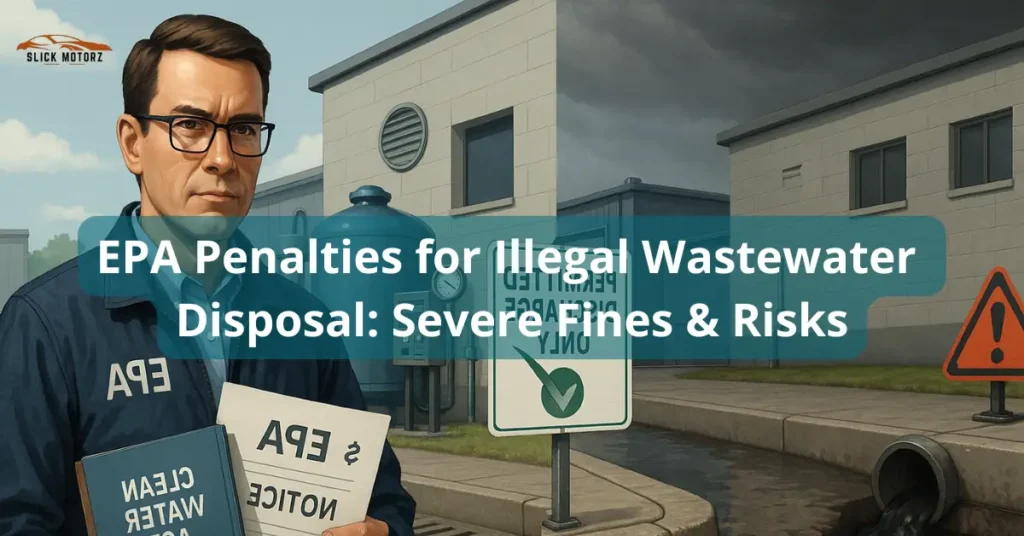
Are you aware of the serious consequences that come with illegal wastewater disposal? If you think it’s just a minor mistake, think again.
The EPA doesn’t take violations lightly, and the penalties can hit your business hard—fines, legal trouble, and even criminal charges. But what exactly can you face if you dispose of wastewater illegally? Understanding the EPA penalties is crucial to protect your operations, reputation, and wallet.
Keep reading to discover the risks involved and how you can avoid costly mistakes that could put you in hot water with regulators.
Credit: hazwoper-osha.com
Epa Rules On Wastewater Disposal
The Environmental Protection Agency (EPA) has strict rules on wastewater disposal. These rules protect water sources from pollution and ensure public health. Businesses and individuals must follow these rules to avoid harming the environment.
EPA regulations set clear standards for how wastewater should be handled. They cover what can be released, where, and how much. Ignoring these rules can lead to serious penalties, including fines and legal action.
Key Regulations And Standards
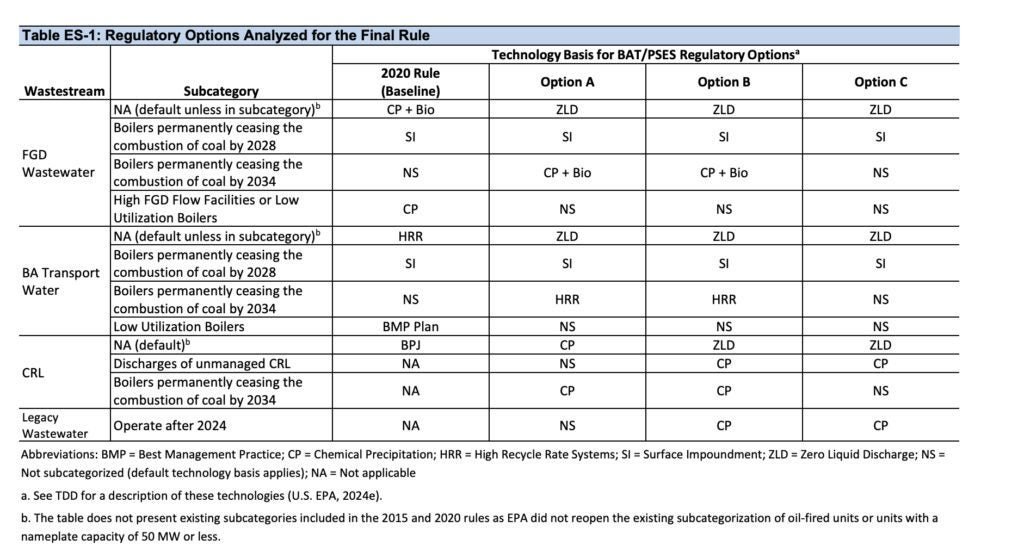
The Clean Water Act is the main law guiding wastewater disposal. It limits pollutants that can enter rivers, lakes, and oceans. The EPA sets limits on chemicals, toxins, and waste levels in discharged water.
Facilities must meet water quality standards to protect aquatic life and human health. The EPA updates these standards regularly to reflect new scientific knowledge. Violating these standards can result in heavy fines and enforcement actions.
Permits And Compliance Requirements
Most businesses need a permit to discharge wastewater. The National Pollutant Discharge Elimination System (NPDES) issues these permits. They specify what waste types and amounts are allowed to be released.
Permit holders must monitor their wastewater and report data to the EPA. Regular inspections ensure compliance with permit conditions. Failing to follow permit rules can trigger penalties, including fines and shutdown orders.
Types Of Illegal Wastewater Disposal
Illegal wastewater disposal harms the environment and public health. The EPA enforces strict rules to stop these harmful acts. Understanding the types of illegal wastewater disposal helps businesses avoid penalties and protect nature.
Unauthorized Discharges
Unauthorized discharges happen when wastewater is released without EPA approval. This includes dumping waste directly into rivers, lakes, or soil. Such acts bypass treatment and cause water pollution. The EPA monitors and penalizes these illegal releases harshly.
Improper Treatment Methods
Improper treatment means using wrong or incomplete processes on wastewater. Sometimes facilities skip steps or use outdated technology. This lets harmful chemicals and bacteria enter the environment. The EPA requires proper treatment to prevent pollution and protect ecosystems.
Unpermitted Facilities
Unpermitted facilities operate without the necessary EPA permits. They may treat or discharge wastewater without following legal limits. These facilities often avoid inspections and safety rules. The EPA fines and shuts down such operations to ensure compliance.
Consequences Of Violations
Violating EPA rules on illegal wastewater disposal leads to serious consequences. These consequences affect businesses and individuals alike. The EPA enforces strict penalties to protect the environment and public health. Understanding these consequences helps in avoiding costly mistakes and legal troubles.
Civil Penalties And Fines
The EPA imposes heavy fines for illegal wastewater disposal. Civil penalties can reach thousands of dollars per day for each violation. These fines aim to punish and deter future violations. Companies may also face orders to clean up contaminated sites. Ignoring these penalties can increase financial burdens significantly.
Criminal Charges And Prosecution
Severe violations may lead to criminal charges. The EPA can prosecute offenders who knowingly break the law. Criminal penalties include large fines and imprisonment. Jail time is possible for serious or repeated offenses. Prosecutors treat illegal wastewater disposal as a crime against public safety.
Environmental And Health Risks
Illegal wastewater disposal harms ecosystems and wildlife. Toxic substances can pollute drinking water and soil. This pollution causes health problems like cancer and respiratory issues. Communities near disposal sites suffer from long-term effects. Protecting the environment reduces risks to all living beings.
Factors Influencing Penalties
EPA penalties for illegal wastewater disposal depend on several key factors. These factors help determine the severity of the punishment. Understanding them can clarify why some violations result in heavier fines or stricter actions.
The EPA reviews each case carefully. They consider the damage caused and the violator’s behavior. Penalties aim to prevent future offenses and protect the environment.
Severity And Duration Of Violation
The level of harm caused by illegal disposal affects penalty size. More severe pollution leads to higher fines. The longer a violation continues, the greater the penalty. Ongoing damage shows neglect and increases EPA’s response.
Intent And Knowledge
Penalties rise if the violator knew about the rules but ignored them. Intentional violations show disregard for laws and public safety. Accidental or unknowing violations usually receive lighter penalties. The EPA checks if the violator acted in good faith or tried to hide the problem.
Compliance History
Past behavior matters. Repeat offenders face stricter penalties. A clean record may lead to leniency or reduced fines. The EPA uses compliance history to gauge if the violator takes environmental laws seriously.
Examples Of Major Epa Fines
Examples of major EPA fines highlight the serious consequences of illegal wastewater disposal. These fines serve as warnings to companies and individuals who violate environmental laws. The EPA enforces regulations strictly to protect water resources and public health.
Violations often result in hefty penalties, legal actions, and cleanup orders. Understanding past cases helps grasp the EPA’s enforcement scope and the financial risks involved.
Case Studies From Texas
Texas has seen several high-profile EPA enforcement actions. One case involved a chemical plant that illegally discharged wastewater into a local river. The EPA fined the company millions of dollars for violating the Clean Water Act.
Another Texas facility was penalized for failing to treat wastewater properly. This led to contamination of nearby groundwater sources. The EPA imposed strict fines and required corrective measures to prevent future harm.
These cases show how state and federal agencies work together to address illegal wastewater disposal. The penalties often include financial fines and mandatory cleanup efforts.
National Enforcement Actions
Across the United States, the EPA pursues major cases involving illegal wastewater dumping. Companies caught dumping toxic waste face multimillion-dollar fines. These actions protect communities and natural ecosystems from pollution.
One notable case involved a manufacturing company that discharged hazardous wastewater into a protected wetland. The EPA fined the company and demanded restoration of the damaged environment.
National enforcement cases highlight the EPA’s commitment to upholding environmental laws. They send a clear message that illegal wastewater disposal will not be tolerated.
Credit: www.powermag.com
Preventing Epa Penalties
Preventing EPA penalties for illegal wastewater disposal requires a clear plan. Companies must follow strict guidelines to avoid fines and legal issues. Staying proactive with wastewater management keeps operations safe and compliant. Focus on practical steps that reduce risks and promote environmental safety.
Best Practices For Wastewater Management
Use approved methods to treat and dispose of wastewater. Avoid dumping untreated water into drains or natural water bodies. Regularly inspect equipment and storage areas for leaks or spills. Keep accurate records of wastewater sources and disposal methods. Follow local and federal regulations strictly to ensure compliance.
Monitoring And Reporting
Set up a routine monitoring system for wastewater quality. Test water samples to detect harmful pollutants early. Report any irregularities or spills to the EPA promptly. Maintain detailed logs of monitoring results and corrective actions. Transparency with authorities helps prevent severe penalties and builds trust.
Employee Training And Awareness
Train employees on proper wastewater handling procedures. Teach the importance of following EPA rules and company policies. Encourage workers to report potential issues without fear. Provide clear instructions on emergency response for spills or leaks. Well-informed staff reduce the chance of violations and accidents.
Legal Defenses And Appeals
Facing EPA penalties for illegal wastewater disposal can feel overwhelming. Legal defenses and appeals offer a way to respond effectively. These processes help contest or reduce penalties. They also provide a chance to present your side clearly. Understanding your options is key to protecting your rights and interests.
Challenging Penalties
Challenging penalties begins with reviewing the EPA’s evidence. Check for errors in the investigation or reporting. Sometimes, the EPA may lack sufficient proof to support claims. Legal teams can argue procedural mistakes or misinterpretation of laws. Demonstrating compliance or correcting misunderstandings can reduce or dismiss fines. It is important to act quickly and prepare a strong defense.
Negotiating Settlements
Negotiating settlements offers a way to limit penalties without lengthy court battles. Parties can agree on reduced fines or alternative corrective actions. This option saves time and reduces legal costs. It also helps repair relationships with regulatory agencies. Skilled negotiators focus on fair terms that meet EPA requirements and protect client interests. Early communication and cooperation increase chances for a favorable settlement.
Impact On Businesses And Communities
Illegal wastewater disposal leads to serious effects on businesses and communities. The EPA imposes strict penalties to prevent such actions. These penalties aim to protect public health, the environment, and the economy. Both businesses and local residents face long-term consequences. Understanding these impacts helps highlight the importance of compliance with environmental laws.
Reputation And Financial Loss
Businesses caught violating EPA wastewater rules risk losing customer trust. Negative publicity can spread quickly, damaging the company’s image. Many customers avoid companies linked to pollution or illegal dumping. The financial penalties from the EPA can also be very high. Fines can reach thousands or even millions of dollars. Legal fees and cleanup costs add to the financial burden. Some businesses may face shutdowns or lose licenses. This creates lasting harm to their market position and growth.
Community Health And Environment
Illegal wastewater disposal harms local communities in many ways. Toxic substances can contaminate drinking water sources. This contamination causes illnesses and long-term health problems. Children, elderly, and sick people are especially vulnerable. Pollution also damages rivers, lakes, and soil quality. Wildlife and plants suffer from habitat destruction and poisoning. Clean water and a safe environment are critical for community well-being. EPA penalties help prevent these risks by enforcing proper waste management.
Credit: www.reddit.com
Frequently Asked Questions
How Much Is An Epa Violation?
EPA violation fines vary widely, ranging from thousands to millions of dollars, depending on severity and type of offense. Criminal violations may lead to higher fines and jail time. Penalties also include corrective actions and reputational damage for businesses.
What Happens If You Violate Epa Rules?
Violating EPA rules can lead to hefty fines, legal action, mandatory cleanup, and possible criminal charges. Businesses risk reputational damage and operational disruptions.
What Are The Two Types Of Violations That Can Be Reported To The Epa?
The two types of violations reported to the EPA are knowing violations, caused intentionally, and civil violations, caused by accidents or mistakes.
Can The Epa Make Arrests?
The EPA does not make arrests directly. Instead, it refers criminal violations to law enforcement agencies for prosecution.
Conclusion
Illegal wastewater disposal risks heavy EPA fines and legal trouble. The agency enforces strict rules to protect water and health. Businesses must follow guidelines to avoid costly penalties. Ignoring these laws can harm communities and the environment. Staying informed and compliant helps prevent violations.
Protect your company and natural resources by acting responsibly. The EPA penalty system aims to stop pollution and promote safe waste handling. Avoiding illegal disposal keeps water clean and public trust intact.