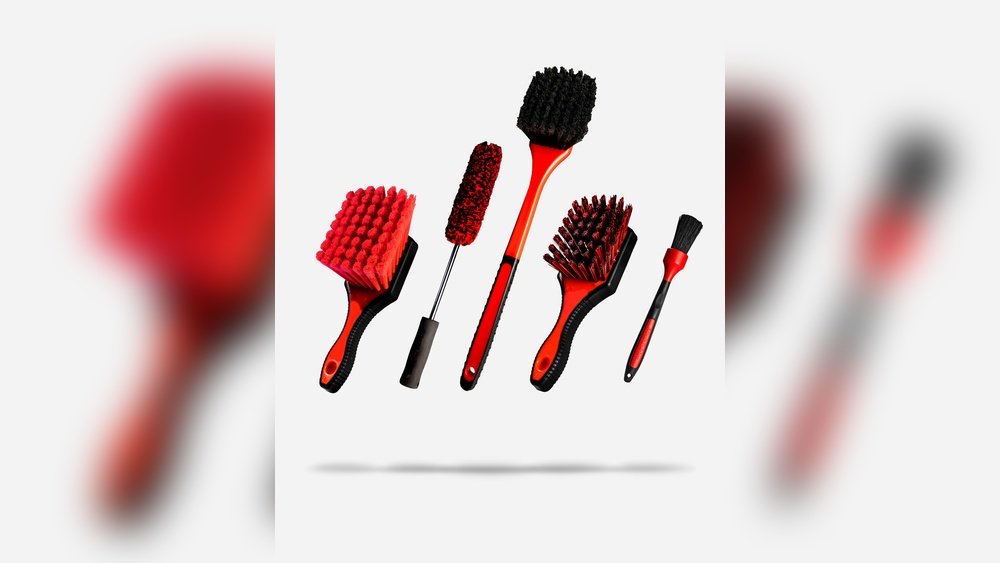
If you want your detailing work to truly shine in 2026, having the right brushes at your fingertips is non-negotiable. Whether you’re cleaning delicate interiors or tackling stubborn grime on wheels, the brushes you choose can make all the difference between a quick clean and a flawless finish.
Imagine reaching into your kit and grabbing exactly the brush designed for the job—saving you time, effort, and frustration. You’ll discover the essential brushes every detailer should own to elevate your craft and impress your clients every time. Ready to upgrade your toolkit and see results that speak for themselves?
Let’s dive in.

Credit: www.mrbur.com
Brush Types
Choosing the right brush type is key for effective car detailing in 2026. Different brushes serve different purposes. Each brush type targets specific surfaces and dirt levels. Using proper brushes protects delicate finishes and cleans hard-to-reach spots. Knowing brush types helps every detailer work faster and safer.
Brushes vary by bristle softness, material, and shape. Some brushes are ultra-soft for gentle cleaning. Others have stiff bristles for heavy grime. Specialty brushes handle unique tasks like wheel wells or engine bays. Below are the main brush categories every detailer should own.
Ultra-soft Synthetic And Boar Hair
These brushes have very fine, soft bristles. They work well on delicate surfaces like leather and dashboards. Boar hair brushes are natural and gentle on sensitive paint. Synthetic versions last longer and resist water damage. Use them to dust piano black trim and screens without scratching.
Soft To Medium Bristles
This group blends synthetic and natural fibers. The bristles are firmer but still flexible. They clean vents, buttons, and textured plastics effectively. Soft to medium brushes remove dirt without harming surfaces. Ideal for interior panels and light grime on wheels.
Stiff Bristles
Stiff brushes have thick, rigid bristles. They handle tough dirt and brake dust on wheels and tires. Use them on engine bays and hard-to-clean spots. Stiff bristles agitate grime but avoid metal parts to prevent scratches. These brushes are essential for heavy-duty cleaning.
Specialty Brushes
Specialty brushes target specific detailing challenges. Long-reach wheel wands clean deep inside rims. Pet hair brushes pick up hair from upholstery easily. Detailing brushes with angled heads reach narrow crevices. Each specialty brush adds precision and speed to cleaning tasks.

Credit: www.nanoskinusa.com
Uses For Each Brush
Each brush in a detailer’s kit serves a special purpose. Using the right brush makes cleaning easier and safer. It prevents damage and improves results. Knowing the uses of each brush helps you choose the best one for every task.
Delicate Interior Surfaces
Use ultra-soft brushes for delicate parts like screens and leather. These brushes remove dust without scratching. They clean vents, dashboards, and trim gently. Soft bristles protect sensitive materials and finishes.
General Interior Cleaning
Medium-soft brushes work well for seats and carpets. They loosen dirt and crumbs from fabric fibers. These brushes reach under seats and around buttons. They clean without harming the material.
Tough Dirt Areas
Stiff-bristled brushes remove stubborn grime on door sills and pedals. They scrub dirt from rubber mats and floor edges. These brushes handle grease and mud effectively. Use firm pressure for best results.
Wheel And Tire Cleaning
Use specialty brushes with long handles for wheels and tires. Stiff but flexible bristles remove brake dust and road grime. These brushes reach tight spots between spokes. They clean sidewalls and tread deeply.
Pet Hair Removal
Choose brushes with fine, dense bristles for pet hair. They lift hair from fabric and carpet fibers. These brushes prevent static cling. They make removing pet hair faster and easier.
Tight Spot Cleaning
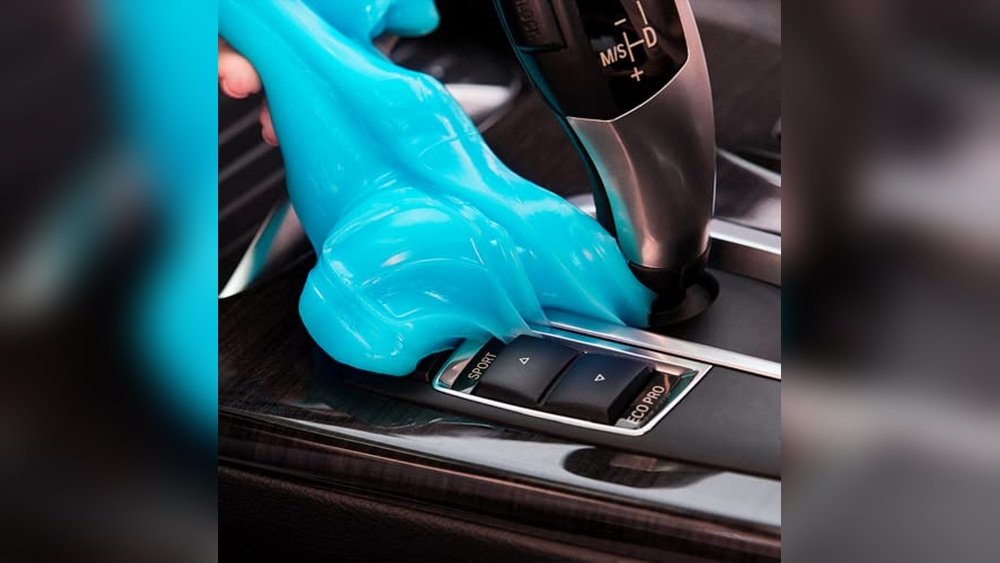
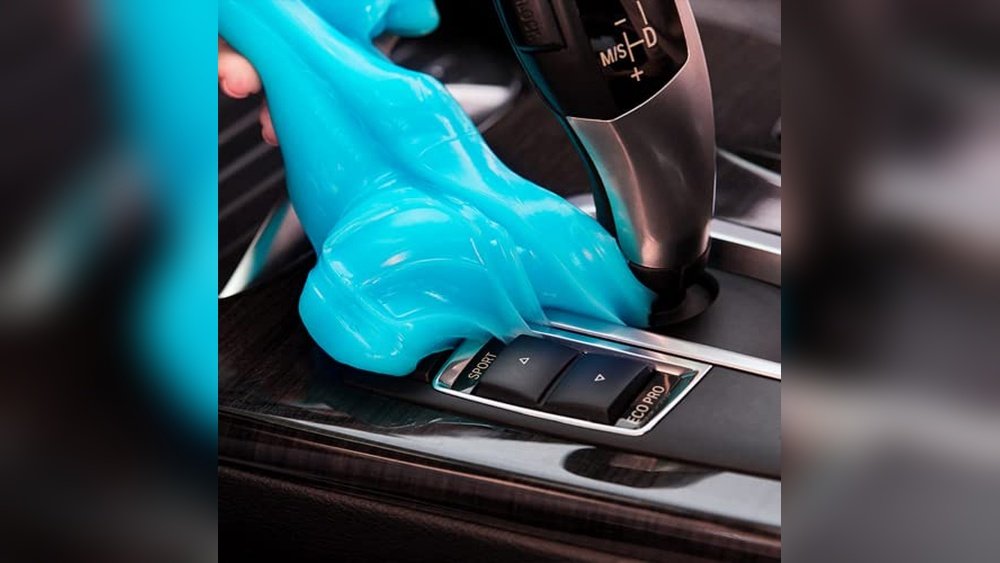
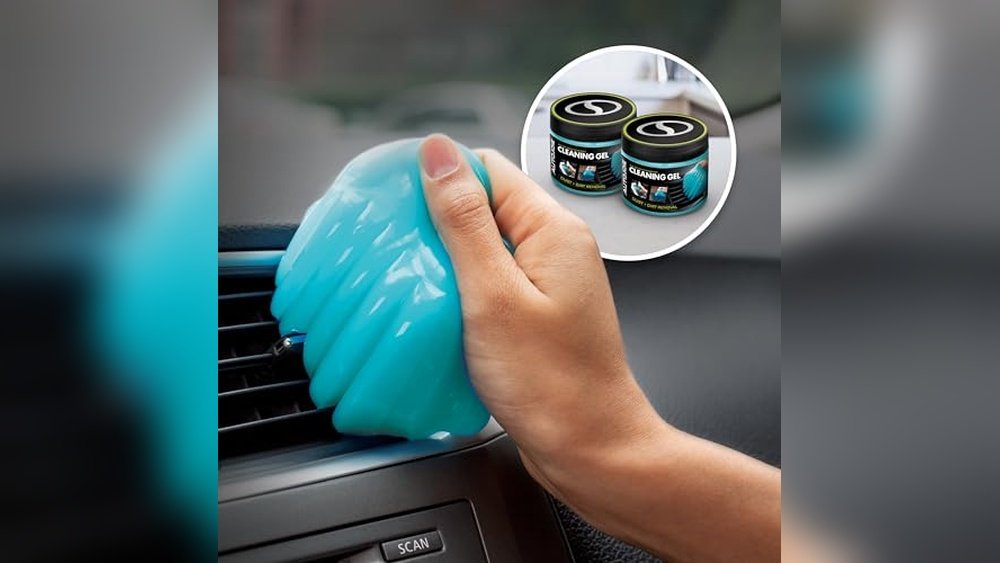
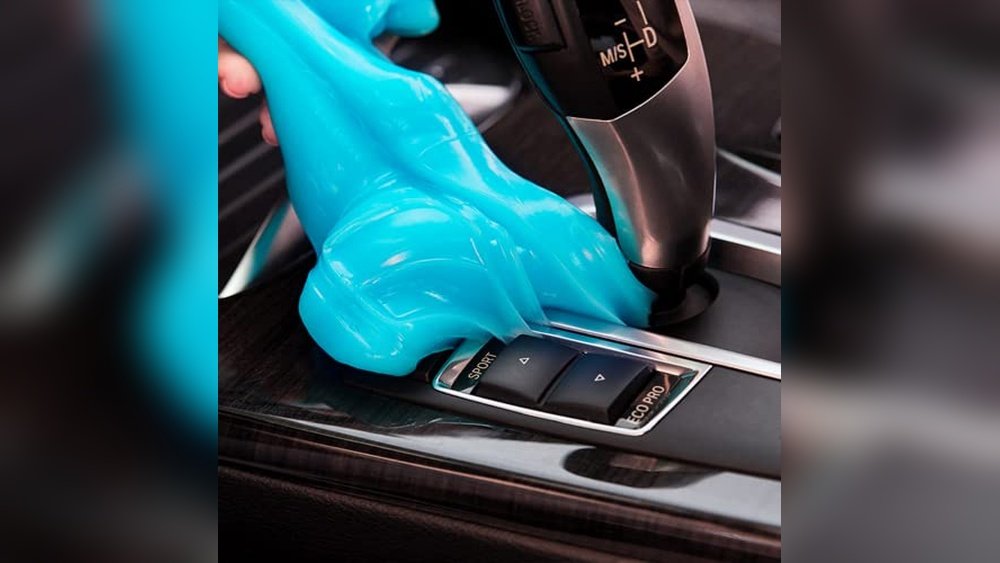
Small detail brushes clean narrow gaps and crevices. Use them for air vents, seams, and buttons. Their compact size reaches spots other tools miss. They remove dust and dirt build-up effectively.
Material And Design
The material and design of detailing brushes play a key role in their performance. Choosing the right brush ensures effective cleaning without damage. Quality materials improve durability and ease of use. Thoughtful design enhances comfort and precision during work.
Plastic Handles
Plastic handles are lightweight and resistant to water and chemicals. They do not rust, making them ideal for wet conditions. Plastic is easy to clean and maintain. Brushes with plastic handles reduce hand fatigue during long jobs. They also provide a good balance between strength and flexibility.
Ergonomic Grip
Ergonomic grips fit comfortably in the hand. They reduce strain and increase control over the brush. Soft rubber or textured surfaces prevent slipping. This design helps detailers work longer with less discomfort. Ergonomic brushes improve accuracy in tight spaces and delicate areas.
Flagged Bristles
Flagged bristles have split ends for better cleaning power. They trap dirt and dust more effectively than smooth bristles. These bristles are gentle on surfaces, reducing the risk of scratches. Flagged bristles work well on both hard and soft materials. They provide a thorough clean with minimal effort.
Brush Sizes And Shapes
Brush sizes and shapes play a crucial role in car detailing. The right brush can reach tight spaces and clean surfaces effectively. Different brushes serve different purposes. Choosing the right size and shape ensures thorough cleaning without damage.
Long-reach Brushes
Long-reach brushes help access deep and narrow areas. They are ideal for cleaning behind vents and under seats. These brushes have extended handles and slim heads. They reach places where short brushes cannot fit. Long-reach brushes remove dust and dirt with ease.
Compact Detail Brushes
Compact detail brushes have small heads and short handles. They work well on buttons, knobs, and small crevices. Their size allows precise cleaning on delicate surfaces. These brushes are perfect for interiors and tight spots. Compact brushes protect surfaces while removing grime.
Foam Swabs
Foam swabs are soft and flexible tools for delicate areas. They clean screens, vents, and seams gently. Foam swabs absorb liquid and dirt without scratching. Their shape helps reach corners and edges easily. Use foam swabs for detailed, careful cleaning tasks.
Maintenance Tips
Proper maintenance of your detailing brushes keeps them effective and extends their life. Clean brushes regularly to avoid dirt buildup. Store them correctly to protect the bristles. Replace worn brushes for the best results. Following these simple steps saves money and improves your detailing work.
Cleaning Brushes
Remove loose dirt by tapping brushes gently. Wash bristles with warm water and mild soap. Use your fingers to work soap into the bristles. Rinse thoroughly until water runs clear. Avoid soaking brushes for too long to protect the handle. Let brushes air dry with bristles facing down.
Storing Brushes
Keep brushes in a dry, cool place. Use a container or brush holder to keep them upright. Avoid storing brushes in direct sunlight or damp areas. Separate brushes by size or type to prevent bristle damage. Proper storage keeps brushes in shape and ready to use.
Replacing Worn Brushes
Check brushes often for bent or missing bristles. Replace brushes with frayed or hard bristles. Worn brushes can scratch surfaces or miss dirt spots. Choose brushes with quality bristles and sturdy handles. Regular replacement maintains cleaning quality and protects your vehicle.

Credit: www.amazon.com
Choosing Brushes For Your Needs
Choosing the right brushes for your detailing work is crucial. It affects the quality of cleaning and how safe your surfaces stay. Different brushes serve different purposes, so understanding your needs helps you pick the best tools. Consider your budget, how often you detail, and whether you are a professional or a DIY enthusiast. This guide breaks down these factors to help you select brushes that fit your specific requirements.
Budget Considerations
Brushes come in a wide price range. High-end brushes often last longer and clean better. But affordable brushes can work well for light or occasional use. Decide how much you want to spend before buying. Sometimes a mix of budget and premium brushes gives the best value. Remember, replacing a cheap brush frequently might cost more over time.
Professional Vs. Diy
Professionals need durable brushes that handle heavy use. These brushes have stronger bristles and ergonomic handles. DIY detailers can choose softer, easier-to-use brushes. These are gentle on surfaces and simpler to handle. Knowing your skill level and detailing goals helps you pick the right type. Professionals may want a variety of brushes for different tasks, while DIY users can start with basics.
Frequency Of Use
How often you detail impacts your brush choice. Daily or weekly users should invest in high-quality brushes. This reduces wear and tear and improves cleaning results. Occasional users might prefer budget brushes for light jobs. Keep in mind that frequent use calls for brushes that are easy to clean and maintain. Choose brushes that stay effective and last longer with your usage habits.
Frequently Asked Questions
What Are The Must Haves For Detailing?
Must-haves for detailing include polishers, cleaning shampoo, microfiber towels, buffing pads, high-pressure washer, interior/exterior brushes, vacuum, and steam cleaner. These tools ensure thorough cleaning and polishing for a spotless vehicle.
How Much Should I Tip For A $200 Car Detail?
A 15-20% tip on a $200 car detail is standard, so $30 to $40 shows appreciation for quality service.
What Brushes Do Car Detailers Use?
Car detailers use soft synthetic or boar hair brushes for interiors, stiffer brushes for grime, and specialty brushes for wheels and pet hair. Plastic handles prevent scratches. These brushes clean delicate surfaces and tight spaces effectively without damage.
What Is The Best Car Wash Brush For 2025?
The best car wash brush for 2025 features soft synthetic bristles, ergonomic plastic handles, and scratch-free cleaning. Choose brushes designed for delicate surfaces and tough grime. Specialty brushes like wheel wands or pet hair removers enhance cleaning efficiency and protect car finishes.
Conclusion
Every detailer benefits from owning the right brushes in 2026. Choose brushes that match each cleaning task carefully. Soft brushes protect delicate surfaces without causing damage. Medium and stiff brushes help remove tougher dirt and grime. Specialty brushes reach tight spots others cannot.
Investing in quality brushes saves time and improves results. Keep your tools clean and replace worn brushes regularly. A good brush collection makes every detailing job easier and more effective. Start building your essential brush set today for better car care tomorrow.