As the leaves change color and temperatures start to drop, your car needs a little extra attention to keep running smoothly through the fall season. You might not realize it, but fall brings unique challenges that can affect your vehicle’s performance and safety.
If you want to avoid unexpected breakdowns and costly repairs, now is the perfect time to prepare your car for the months ahead. You’ll discover simple and effective fall car care tips that will help you protect your investment and enjoy worry-free driving all season long.
Keep reading to find out how small steps can make a big difference for your car’s health and your peace of mind.
Battery And Fluid Checks
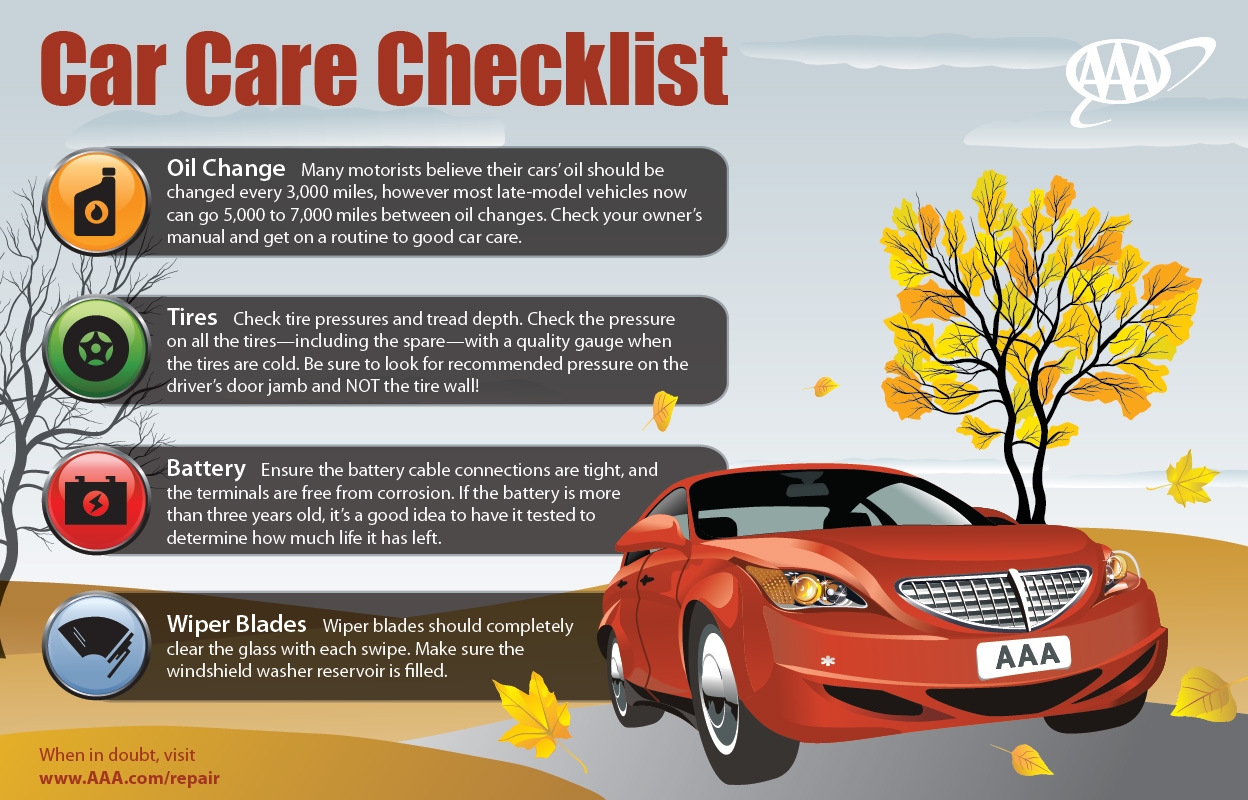
Checking your car’s battery and fluids is vital for fall car care. Cooler temperatures can weaken batteries and affect fluid levels. Proper maintenance here helps avoid breakdowns and keeps your vehicle running smoothly all season.
Battery health ensures your car starts quickly, even on chilly mornings. Fluids like antifreeze and washer fluid protect your engine and improve visibility. These simple checks prepare your car for cold weather ahead.
Test Battery Health
Test your battery to confirm it holds a full charge. Use a multimeter or visit a mechanic for a quick check. Replace weak batteries to prevent starting problems.
Top Up Antifreeze
Check your antifreeze level and top it up if needed. Antifreeze stops your engine from freezing in cold weather. Use the right mix of coolant and water for best protection.
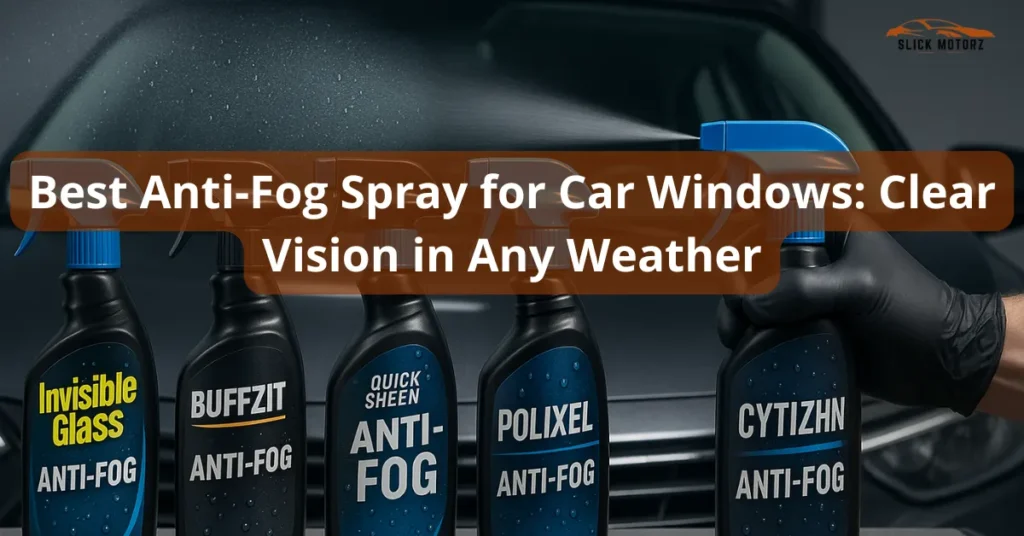
Use Winter Washer Fluid
Switch to winter washer fluid for better windshield cleaning. It won’t freeze like regular fluid in low temperatures. Clear visibility is crucial for safe driving during fall rains and frost.
Credit: exchange.aaa.com
Tire And Brake Care
Proper tire and brake care is vital as temperatures drop and roads become slippery. These parts keep your car safe and stable during fall drives. Checking tires and brakes now prevents problems later in winter. Simple checks can extend their life and improve performance. Pay close attention to tread depth, tire pressure, and brake function. These steps help you avoid accidents and costly repairs.
Inspect Tire Tread
Check tire tread depth to ensure good traction on wet leaves and cold roads. Use a tread depth gauge or the penny test. Insert a penny into the tread with Lincoln’s head down. If you see the top of Lincoln’s head, replace the tires. Worn tires increase the risk of slipping and reduce braking ability. Look for cracks or uneven wear that may signal alignment issues.
Maintain Proper Tire Pressure
Cold weather lowers tire pressure, affecting handling and fuel efficiency. Use a reliable tire gauge to check pressure monthly. Inflate tires to the recommended level found in the owner’s manual or door jamb. Underinflated tires wear faster and reduce traction on slick roads. Proper pressure improves safety and helps tires last longer. Don’t forget to check the spare tire too.
Check Brake Performance
Test brakes for responsiveness and unusual noises before fall drives. Listen for squeaks, grinding, or vibrations when braking. These signs show worn brake pads or rotors. Have a mechanic inspect brakes if you notice any issues. Properly working brakes reduce stopping distance and improve control on wet or icy roads. Regular brake checks prevent accidents and costly repairs.
Windshield And Wiper Maintenance
Maintaining your windshield and wipers is key for safe driving this fall. Falling leaves, rain, and early frost can reduce visibility quickly. Clear and effective wipers help keep your windshield clean and free from debris. Regular checks and upkeep prevent accidents caused by poor visibility. This section covers simple steps to keep your windshield and wipers in top shape for autumn weather.
Replace Worn Wiper Blades
Worn wiper blades leave streaks that block your view. Check blades for cracks, tears, or stiffness. Replace blades every six to twelve months or sooner if they don’t clear well. New blades wipe water, dirt, and leaves off smoothly. Choose blades that fit your car model for best results. Smooth wiping helps you see clearly during rain and fog.
Clear Snow And Ice Thoroughly
Remove all snow and ice from your windshield before driving. Ice can hide cracks and reduce visibility. Use a plastic scraper or soft brush to clear the glass gently. Avoid hot water; it can crack cold glass. Clearing wipers and windshield fully avoids damage and ensures good contact. Drive safely with a clean windshield that gives you a clear view of the road.
Emergency Kit Essentials
Having an emergency kit in your car is vital for fall driving safety. Weather can change fast and cause unexpected delays. Being prepared with the right supplies can make a big difference.
Your emergency kit should include items that keep you warm, fed, and safe. Tools to help your car and light your way are also important. Here are the key essentials to pack this fall.
Pack Blankets And Food
Cold weather can lead to long waits if your car breaks down. Pack warm blankets to keep yourself comfortable. Non-perishable snacks and water provide energy and hydration. These items help you stay safe until help arrives.
Include Jumper Cables And Flashlight
Car batteries often fail in colder temperatures. Jumper cables can help you restart your car quickly. A flashlight is essential for seeing in the dark. It also signals for help or helps you check under the hood.
Carry Traction Aids And Shovel
Fallen leaves and early frost can make roads slippery. Traction aids like sand or kitty litter improve tire grip. A small shovel helps clear dirt or snow around your tires. These tools can help you get moving again after getting stuck.
Trip Planning Tips
Planning a trip during the fall requires extra care. Cooler temperatures and changing weather can affect your drive. Proper planning ensures a safe and smooth journey. These tips help you prepare and avoid common travel issues.
Check Weather And Road Conditions
Check the weather forecast before you leave. Fall weather can change fast. Look for rain, fog, or early frost warnings. Check road conditions for closures or delays. Use local traffic apps or websites. This helps you avoid unsafe routes and stay prepared.
Inform Someone Of Your Route
Tell a family member or friend where you are going. Share your planned route and expected arrival time. This is important if you face car trouble or bad weather. Someone will know where to find you or send help if needed.
Allow Extra Travel Time
Fall roads may be slippery or busy due to holiday traffic. Plan extra time for your trip to avoid rushing. Slower speeds help you stay safe in wet or dark conditions. Arriving early reduces stress and keeps you alert behind the wheel.

Credit: www.parkmarinamotors.com
Safe Driving Techniques
Driving safely during fall is crucial as weather and road conditions change. Cooler temperatures, wet leaves, and early frosts create new challenges. Using safe driving techniques helps reduce risks and keeps you in control. Focus on adjusting your speed, distance, and handling skills for safer trips.
Slow Down For Conditions
Roads can be slippery with wet leaves and early frost. Lower your speed to match the road conditions. Slower driving gives you more time to react. Avoid sudden stops and sharp turns that cause loss of control.
Increase Following Distance
Keep extra space between your car and the vehicle ahead. Wet and slick surfaces increase stopping distances. A larger gap helps prevent collisions if traffic stops quickly. Maintain at least four seconds of following time in fall conditions.
Avoid Cruise Control On Ice
Using cruise control on icy roads is dangerous. It can delay your response to slippery patches. You may lose control if the car accelerates unexpectedly. Stay alert and control your speed manually to react safely.
Practice Skid Recovery
Skidding happens when tires lose traction on slick surfaces. Stay calm and steer gently in the skid direction to regain control. Avoid braking hard, which can make skids worse. Practice this in a safe area before winter arrives.
Winter Driving Preparedness
Winter driving calls for extra care and preparation. Roads become slick and visibility drops. These factors demand respect and readiness from every driver. Understanding how to handle your vehicle and the environment enhances safety. Prepare to face cold, ice, and snow with smart habits and gear.
Know Your Vehicle Limits
Every car behaves differently on icy roads. Some handle snow better, others struggle. Know if your vehicle has all-wheel drive or just two-wheel. Understand braking distances grow longer in winter. Avoid sudden moves or sharp turns. Check your tires for proper tread and pressure. Good tires improve traction and control. Remember, even the best vehicles need cautious driving.
Stay Alert And Avoid Distractions
Focus is vital on winter roads. Snow and ice increase risks of slipping or crashing. Keep your eyes on the road and hands on the wheel. Turn off your phone or set it to do not disturb. Avoid eating or adjusting the radio while driving. Look far ahead to spot hazards early. Drive slower than usual and keep safe distance from others. Alertness helps prevent accidents.
Keep Warm If Stranded
Winter storms can trap drivers far from help. Stay inside your vehicle to avoid frostbite or hypothermia. Run the engine for short periods to warm up. Keep a window slightly open for fresh air. Use blankets, extra clothing, or seat warmers. Avoid overexertion if you try to clear snow. Signal for help with bright cloth or hazard lights. Staying calm and warm saves lives.

Credit: www.vipauto.com
Frequently Asked Questions
What Is The $3000 Rule For Cars?
The $3000 rule suggests buying used cars priced under $3,000 to avoid costly repairs and depreciation. It helps budget-conscious buyers find affordable, reliable vehicles.
What Are The 3 P’s Of Winter Driving?
The 3 P’s of winter driving are Prepare, Protect, and Prevent. Prepare your vehicle and supplies. Protect yourself and passengers. Prevent accidents by driving cautiously.
What Is The 30-60-90 Rule For Cars?
The 30-60-90 rule for cars guides when to trade or keep a vehicle based on its age and mileage. Trade at 30,000, reassess at 60,000, and decide by 90,000 miles. It helps balance maintenance costs and vehicle value for smarter car ownership decisions.
What Is The 20/3/8 Rule For Buying A Car?
The 20/3/8 rule guides car buyers: spend 20% down payment, finance up to 3 years, and keep total monthly car costs under 8% of income.
Conclusion
Taking care of your car this fall helps avoid costly repairs later. Check tires, brakes, and fluids regularly. Keep an emergency kit in your vehicle at all times. Plan trips with weather and road conditions in mind. Drive carefully and stay alert on wet or icy roads.
Simple steps keep you safe and your car running well. Fall car care protects your investment through colder months. Stay prepared, drive smart, and enjoy a smooth ride all season.