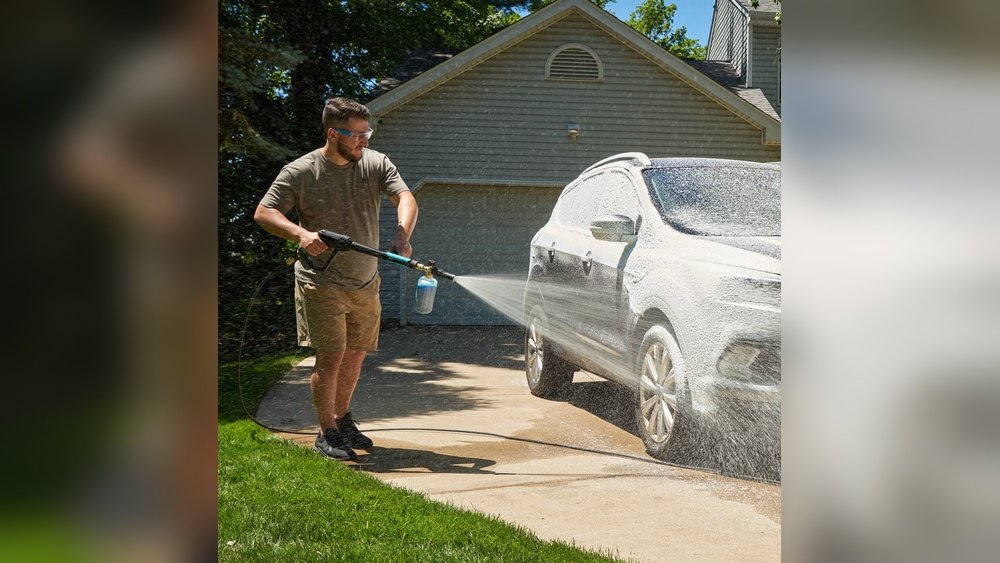
You want your foam cannon to deliver thick, rich foam every time you wash your vehicle. But without proper care, your foam cannon can clog, lose pressure, or stop working altogether.
Taking a few simple steps to maintain your foam cannon not only keeps it in top shape but also saves you time and frustration. You’ll discover easy and effective foam cannon maintenance tips that anyone can follow. Keep reading to learn how to protect your investment and enjoy perfect foaming washes every time.

Credit: www.amazon.com
Foam Cannon Components
The foam cannon has several key parts that need care. Each part plays a role in creating thick foam for cleaning. Proper maintenance keeps the foam cannon working well and lasting longer.
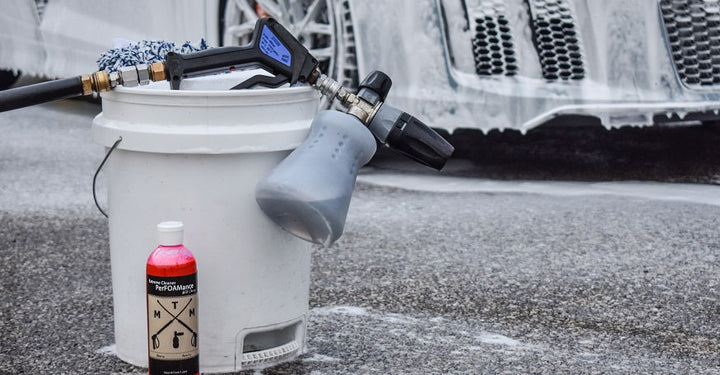
Knowing the parts helps you clean and check them regularly. This prevents clogs and damage. The main parts include the nozzle and tip, the canister, and the hose with connectors.
Nozzle And Tip Care
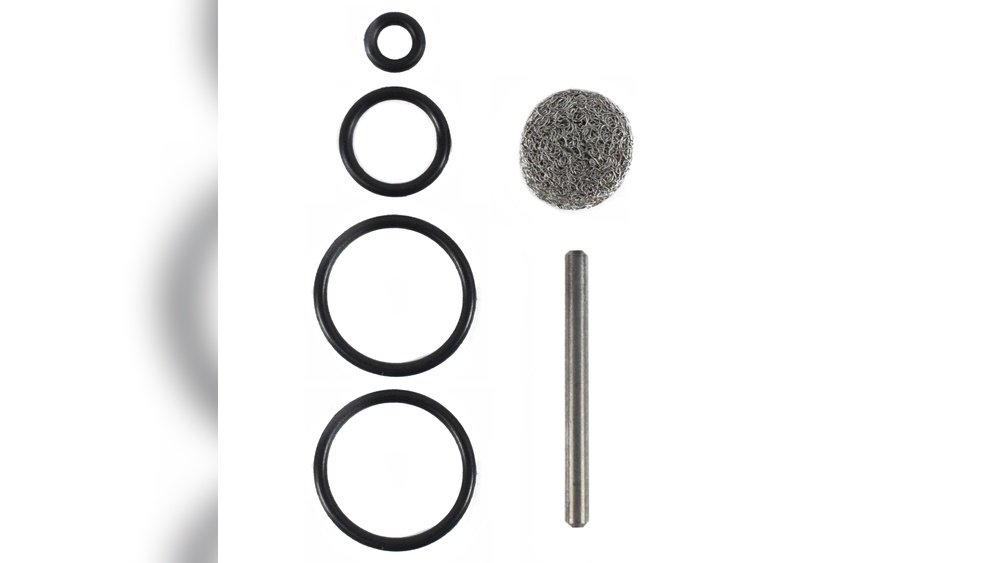
The nozzle controls the foam spray pattern. Dirt or soap buildup can block it. Clean the nozzle after every use with warm water. Soak it if needed to remove stubborn residue. Check the tip for damage or wear. Replace it if the spray is uneven or weak.
Canister Maintenance
The canister holds the soap mixture. Rinse it thoroughly after each use. Soap left inside can clog the system. Use warm water to flush out all soap. Dry the canister before storing. Inspect the seal and lid for cracks. Replace damaged parts to avoid leaks.
Hose And Connector Checks
The hose carries water to the foam cannon. Check for cracks or leaks often. Tighten loose connectors to prevent leaks. Clean the connectors to remove soap and dirt. Replace worn or damaged hoses quickly. This keeps water flow steady and pressure strong.

Credit: www.carpro-us.com
Cleaning After Use
Cleaning your foam cannon right after use keeps it in top shape. It stops soap buildup and avoids damage. Proper cleaning saves time and money on repairs. Follow simple steps to clean your foam cannon thoroughly and easily.
Rinsing Techniques
First, remove the soap canister from the foam cannon. Rinse the canister with clean water to clear leftover soap. Use a hose or tap water for rinsing. Fill the canister halfway with water, then shake it well. Spray clean water through the foam cannon until clear water flows out. This flushes the inside parts and removes soap.
Removing Soap Residue
Soap residue can clog the nozzle and tubes. Use warm water to dissolve stubborn soap. Avoid harsh chemicals that can harm foam cannon parts. Soak small parts in warm water if needed. Wipe the nozzle gently with a soft cloth. Make sure no soap remains before storing the foam cannon.
Avoiding Clogs
Clogs reduce foam output and can damage your foam cannon. Always rinse after each use to prevent soap drying inside. Use filtered water if possible to avoid dirt buildup. Check the nozzle and tubes for blockages regularly. Clean blocked areas with a thin brush or needle carefully. Store the foam cannon in a dry place to keep it clog-free.
Preventing Build-up
Preventing build-up in your foam cannon keeps it working well and lasting longer. Residue from soap and dirt can clog the nozzle and tubes. This reduces foam quality and spray power. Simple steps help avoid these problems and maintain smooth operation.
Regular Flushing
Flush your foam cannon with clean water after each use. Remove the soap container and spray water through the system. This clears out leftover soap and prevents hard buildup. Flushing regularly stops blockages and keeps parts moving freely.
Using Proper Cleaning Solutions
Use cleaning solutions made for foam cannons or gentle detergents. Harsh chemicals can damage seals and plastic parts. Choose solutions that dissolve soap residue without harming the equipment. Proper cleaners protect your foam cannon and improve its lifespan.
Disassembling For Deep Clean
Take apart your foam cannon occasionally to clean inside parts. Remove the nozzle, tubes, and container for a thorough wash. Soak parts in warm, soapy water to loosen stubborn grime. Rinse well and dry before reassembling. Deep cleaning stops hidden buildup and keeps performance steady.
Credit: www.mtmhydroparts.com
Troubleshooting Common Issues
Troubleshooting common issues in foam cannon maintenance helps keep your tool working well. Problems like low foam output or clogs reduce cleaning power. Understanding simple fixes saves time and money. Follow clear steps to spot and solve these problems fast. Proper care improves foam cannon life and performance.
Fixing Foam Output Problems
Low foam output often means air or soap flow issues. Check soap concentration and fill the bottle correctly. Use the right detergent for foam cannons. Tighten all connections to stop air leaks. Clean the nozzle and spray tip from dirt. Adjust the foam cannon dial to increase foam thickness. Replace worn or damaged parts to restore output.
Unclogging Tips
Clogs occur when soap dries inside the foam cannon. Remove the soap bottle and rinse it well with water. Spray clean water through the cannon to clear soap residue. Use a soft brush or toothpick to clean small openings. Avoid harsh chemicals that may damage parts. Flush the foam cannon regularly after each use to prevent clogs.
Pressure And Flow Adjustments
Correct pressure and flow settings improve foam quality. Check your pressure washer’s PSI and GPM match foam cannon needs. Adjust the pressure washer to recommended levels for better foam. Use the foam cannon’s adjustment knob to control soap flow. Higher pressure can create thicker foam but may waste soap. Lower flow settings save soap and create lighter foam.
Storage Tips
Proper storage of your foam cannon keeps it ready and working well. Storing it correctly stops damage and extends its life. Follow these simple tips to protect your foam cannon between uses.
Drying Before Storage
Always dry your foam cannon before storing it. Shake out all water and soap residue. Wipe the inside and outside with a clean cloth. Let it air dry in a warm place for a few hours. This prevents rust and mold from forming inside the parts.
Protecting Metal Parts
Apply a light coat of oil to metal parts. This stops rust and corrosion. Use a cloth to spread oil evenly on the nozzle and connectors. Avoid over-oiling as it can attract dirt. Check these parts regularly and clean them if needed.
Safe Storage Locations
Store the foam cannon in a dry, cool place. Avoid areas with extreme heat or cold. Keep it away from direct sunlight to protect plastic and rubber parts. Place it on a shelf or hang it to avoid damage. Make sure the storage spot is clean and dust-free.
Enhancing Performance
Enhancing the performance of your foam cannon ensures a thicker, richer foam and a more efficient cleaning process. Proper maintenance helps keep the foam cannon working smoothly. Small adjustments and the right care make a big difference in results.
Choosing The Right Soap
Select a soap designed for foam cannons. Car wash soaps with good foaming agents work best. Avoid harsh detergents that can damage your cannon or paint. Use soaps that rinse off easily and leave no residue. Always follow the soap manufacturer’s instructions for dilution.
Adjusting Foam Thickness
Control foam thickness by adjusting the soap mixture. More soap creates thicker foam but can waste product. Less soap produces thinner foam but cleans less effectively. Use the foam cannon’s soap dial to find the right balance. Experiment to match the foam to your cleaning needs.
Maintaining Optimal Pressure
Pressure affects how well the foam sprays and sticks to surfaces. Check your pressure washer’s settings before use. Too high pressure can damage the foam cannon or car paint. Too low pressure reduces foam coverage and cleaning power. Keep pressure within the recommended range for best results.
Frequently Asked Questions
How To Maintain A Foam Cannon?
Rinse the foam cannon thoroughly after each use to remove soap residue. Disassemble and clean all parts regularly. Store it dry to prevent clogging and damage. Check connections for leaks before use. Regular maintenance ensures optimal foam performance and extends tool life.
Do You Have To Clean A Foam Gun After Every Use?
Clean your foam gun after every use to prevent clogging and ensure smooth performance. Rinse the canister and flush all soap thoroughly. Regular cleaning extends tool life and improves foam quality. Neglecting this step risks buildup and poor results. Keep your foam gun in top condition by cleaning it each time.
Can I Leave Soap In My Foam Cannon?
Do not leave soap in your foam cannon after use. Rinse the canister thoroughly to prevent clogs and damage. Clean it after every wash for best performance and longer tool life.
How To Clean Foam Cannon Parts?
Disassemble the foam cannon parts. Rinse thoroughly with clean water. Use a soft brush to remove residue. Flush the canister multiple times. Dry all parts before reassembling to prevent clogs.
Conclusion
Regular cleaning keeps your foam cannon working smoothly. Always rinse soap residue after each use. Check for clogs and remove them quickly. Store your foam cannon in a dry place. This simple care extends its life and improves foam quality.
Small efforts prevent costly repairs later. Enjoy better car washes with a well-maintained foam cannon. Keep these tips in mind for easy maintenance. Your foam cannon will stay ready for every job.