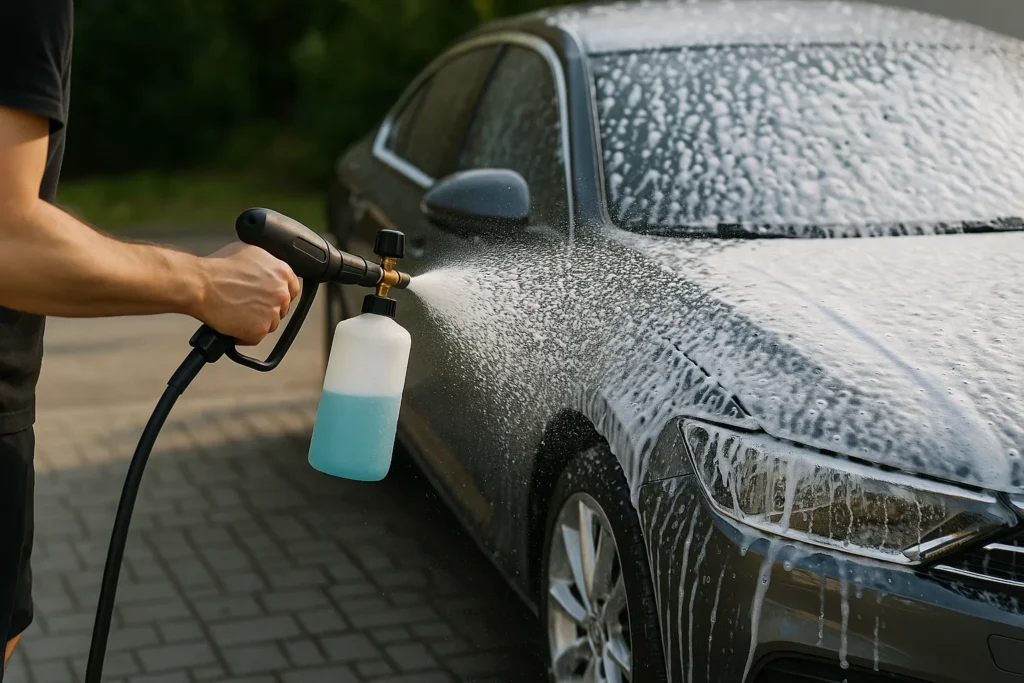
Is your foam cannon not delivering the thick, rich foam you expected? You’re not alone.
Many foam cannon users face common problems like weak foam, pulsing pressure, or clogs that keep the cannon from working properly. But don’t worry—fixing these issues is simpler than you think. In this guide, you’ll learn easy troubleshooting tips to get your foam cannon back to peak performance.
Whether your foam is too watery, the spray is uneven, or the pressure washer pulses, understanding the cause will save you time, money, and frustration. Keep reading to discover practical solutions that will have your foam cannon working like new again.
Common Foam Cannon Issues
Foam cannons are great tools for car washing, but they can face some common problems. These issues may reduce foam quality or stop the cannon from working. Knowing the usual problems helps fix them fast and keeps your foam cannon ready.
Clogging And Blockages
Soap residue can build up inside the foam cannon over time. This buildup causes clogs that block foam flow. Dirt or hard water deposits also lead to blockages. Clean the foam cannon after each use to avoid clogs. Use warm water to rinse and clear any trapped soap.
Inconsistent Foam Output
Uneven foam comes from wrong soap concentration or poor mix. Too much or too little soap affects foam thickness. Check the soap level and adjust the mixture. Also, inspect the nozzle for dirt that might disrupt spray pattern.
Pressure Washer Pulsing
Pulsing in foam output often links to the pressure washer’s water flow. Low or unstable water pressure causes foam surges. Make sure the pressure washer runs smoothly and delivers steady water flow. Clean or replace filters to keep water steady.
Foam Only Works Upside Down
If the foam cannon works only when upside down, the pickup tube may be clogged or wrongly placed. The tube might not reach the soap at the bottom properly. Check and clear the tube. Adjust its position to sit correctly inside the soap container.
Check Soap Dilution
Checking soap dilution is a key step in foam cannon troubleshooting. The right mix ensures thick, clingy foam that cleans well. Too much soap or too little water can cause poor foam or clogging. Too much water leads to thin, watery foam that slides off quickly. Simple adjustments to soap and water ratios often fix foam cannon issues quickly.
Recommended Ratios
The common soap-to-water ratio is about 1:10. That means one part soap to ten parts water. Some soaps need more dilution, others less. Always follow the soap maker’s instructions first. Start with the recommended ratio. Adjust slightly after testing your foam cannon’s output. This helps find the perfect balance for thick foam.
Effects Of Overconcentration
Using too much soap causes dense foam that may clog the cannon. It can block the nozzle or internal tubes. Overconcentrated soap also leaves sticky residue on your car. This residue can be hard to rinse off. It may damage paint if not cleaned properly. Thin the soap mix to avoid these problems and keep foam flowing smoothly.
Adjusting For Different Soaps
Not all soaps behave the same. Some are stronger and need more dilution. Others are milder and work well at lower ratios. Test each soap with your foam cannon before full use. Change the ratio based on foam thickness and cling. This simple step ensures the best cleaning power and foam quality with every wash.
Inspect Pressure Washer
Inspecting your pressure washer is a vital step in foam cannon troubleshooting. The pressure washer must meet certain standards for the foam cannon to work well. Problems with pressure or flow can cause weak or no foam. Checking these parts can save time and improve your cleaning results.
Water Pressure Requirements
Foam cannons need a specific water pressure to create thick foam. Most require at least 1,000 to 2,000 PSI. Lower pressure means less foam and poor coverage. Use a pressure washer that fits the foam cannon’s recommended PSI. Too low pressure makes the foam thin and watery.
Flow Rate Importance
The flow rate, measured in gallons per minute (GPM), affects foam quality. A good foam cannon needs enough water flow to mix soap and air properly. Low flow rates reduce foam production and make cleaning harder. Match the foam cannon’s flow rate with your pressure washer’s output for best results.
Unloader Valve Problems
The unloader valve controls water pressure in the washer. If it sticks or malfunctions, pressure can drop or surge. This causes inconsistent foam output or no foam at all. Check the valve for damage or blockages. Cleaning or replacing the valve often fixes foam cannon issues related to pressure.
Clean Foam Cannon Components
Keeping your foam cannon clean is key to smooth operation and long life. Dirt and soap residue can clog parts and reduce foam quality. Regular cleaning stops buildup and keeps every component working well. Focus on the nozzle, pickup tube, and filters for best results.
Nozzle Cleaning Tips
Remove the nozzle carefully before cleaning. Soak it in warm water to loosen dirt. Use a soft brush or toothpick to clear small holes. Avoid sharp tools that could damage the nozzle. Rinse thoroughly and let it dry completely before reattaching.
Pickup Tube Maintenance
Check the pickup tube for blockages regularly. Detach it from the foam cannon and flush with clean water. Use a flexible brush to remove any stubborn debris inside. Make sure the tube is clear and free of cracks. Replace it if you find any damage.
Filter And Screen Care
Filters and screens stop dirt from entering the foam cannon. Remove them and rinse under running water. Gently scrub with a brush to remove trapped particles. Avoid using harsh chemicals that could weaken the filter material. Dry them fully before putting back in place.
Fixing Air Intake Issues
Fixing air intake issues is key to restoring your foam cannon’s performance. Air leaks reduce pressure and weaken foam output. Identifying and fixing these problems improves foam quality and consistency.
Air enters the foam cannon through specific ports. If the intake is damaged or loose, air escapes. This reduces the foam thickness and coverage. Focus on the air intake area to keep your foam cannon working well.
Detecting Air Leaks
Listen for hissing sounds near the air intake. You may also notice a drop in foam pressure. Inspect all connections and hoses for cracks or gaps. Use soapy water on joints to spot bubbles that show leaks. Check the seals and fittings carefully.
Sealing And Replacement
Apply new seals or O-rings to fix minor leaks. Tighten loose fittings to stop air from escaping. Replace damaged hoses or cracked parts promptly. Use the correct size seals to ensure a tight fit. Avoid over-tightening, which can cause damage.
Impact On Foam Quality
Air leaks cause thin, watery foam that does not stick well. Consistent air pressure creates thick, rich foam for better cleaning. Fixing air intake issues helps produce dense foam that covers surfaces evenly. Proper foam improves cleaning efficiency and saves soap.

Credit: avaofnorway.eu
Troubleshoot Nozzle And Orifice
Troubleshooting the nozzle and orifice is vital when your foam cannon does not spray foam properly. These parts control the flow and mix of soap and water. Small issues here can stop foam or make it weak. Understanding how to check and fix these can save time and improve cleaning results.
Nozzle Size Compatibility
The nozzle size must match your foam cannon model. Different sizes change how much soap mixes with water. A wrong size nozzle can cause poor foam or no spray at all. Always use the nozzle size recommended by the manufacturer. This ensures the best foam thickness and coverage.
Clearing Debris
Debris can block the nozzle or orifice, stopping foam flow. Soap residue, dirt, or hard water deposits often cause clogs. Remove the nozzle and rinse it under warm water. Use a soft brush or a thin wire to clear any blockages gently. Cleaning these parts regularly keeps foam spraying smoothly.
Replacing Worn Parts
Worn nozzles and orifices reduce foam quality over time. Check for cracks, wear, or damage on these parts. Replace any parts showing wear to restore full function. Most foam cannon parts are easy to replace and affordable. Keeping parts new helps your foam cannon last longer and work better.
Test With Different Soaps
Testing your foam cannon with different soaps helps identify the cause of poor foam quality. Some soaps create thick foam, while others produce thin or watery foam. Trying various soaps reveals which works best with your equipment. This simple step often fixes foam problems quickly.
Soap Quality Effects
Soap quality directly affects foam thickness and cling. Low-quality soaps often create weak foam that fades fast. They may leave residue or not clean well. High-quality soaps produce dense, lasting foam that helps remove dirt efficiently. Using good soap improves overall car wash results.
Choosing Foam-specific Detergents
Foam-specific detergents are designed for foam cannons. These soaps create thick foam easily and rinse off without residue. They usually have balanced pH levels to protect paint. Using detergents made for foam cannons ensures better performance and protects your vehicle’s finish.
Avoiding Harsh Chemicals
Harsh chemicals can damage your foam cannon and car paint. Avoid soaps with strong acids, alkalis, or bleach. These ingredients may cause corrosion or fade paint. Mild soaps keep your equipment safe and maintain your car’s shine. Always check soap labels before use.
Regular Maintenance Tips
Regular maintenance keeps your foam cannon working well. Cleaning and care avoid common issues like clogging or weak foam. Follow simple steps after each use to extend its life. Proper storage and prevention help avoid future problems.
Cleaning After Use
Rinse the foam cannon with clean water right after use. Run water through the cannon until it flows clear. This removes leftover soap and stops buildup inside. Disassemble parts like the nozzle and tube for a thorough clean. Dry all parts before reassembling to prevent rust or mold.
Storage Recommendations
Store the foam cannon in a dry, cool place away from sunlight. Avoid leaving it outside or in damp areas. Keep it in a box or bag to protect from dust and dirt. Store with the nozzle off or loosened to relieve pressure. This keeps seals and valves from wearing out too fast.
Preventing Future Clogs
Use foam soap that is designed for foam cannons only. Avoid thick or homemade soaps that can clog the nozzle. Flush the cannon with water between uses during long jobs. Check the pickup tube and nozzle regularly for debris or damage. Replace worn parts early to keep foam flow strong and consistent.
Advanced Fixes
Advanced fixes for foam cannon issues involve hands-on adjustments and part replacements. These steps go beyond basic cleaning and require some tools and patience. They help restore full foam output and improve the cannon’s performance over time.
Such fixes are ideal for users familiar with the device’s mechanics or those willing to learn. The following sections cover key advanced repairs that can solve persistent foam cannon problems.
Replacing Seals And Valves
Seals and valves control the flow of soap and air inside the foam cannon. Over time, they wear out or get damaged. This causes leaks or weak foam production.
Start by disassembling the foam cannon carefully. Inspect each seal and valve for cracks or stiffness. Replace any faulty parts with exact matches from the manufacturer or trusted suppliers.
Reinstall the new seals and valves, making sure they fit snugly. Test the foam cannon on low pressure first to check for leaks. Proper seals restore pressure and improve foam quality.
Adjusting Pressure Settings
The pressure setting on your foam cannon or pressure washer directly affects foam thickness. Too low pressure leads to watery foam. Too high pressure may damage parts or waste soap.
Find the ideal pressure range recommended for your foam cannon model. Adjust the pressure washer nozzle or foam cannon dial accordingly. Small changes can make a big difference in foam density.
Try different soap dilution ratios combined with pressure tweaks. This helps achieve a rich and lasting foam layer. Monitor performance and readjust as needed for best results.
Upgrading Foam Cannon Parts
Upgrading certain components can boost foam cannon function. Consider swapping the nozzle for a wider or more precise spray tip. This improves foam coverage and consistency.
Upgrade the siphon tube to a rigid or anti-clog design. It prevents soap blockages and ensures steady fluid flow. Better-quality seals and valves also enhance durability.
Look for foam cannons with adjustable mixing chambers or stronger pumps. These upgrades provide finer control over foam output. Investing in quality parts extends the life of your foam cannon and improves every wash.
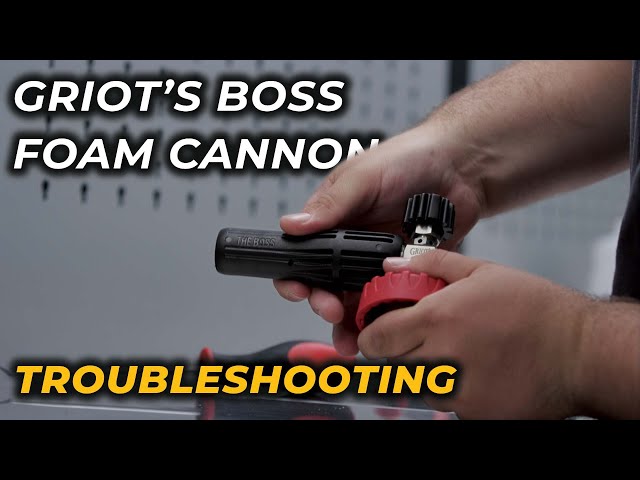
Credit: www.youtube.com
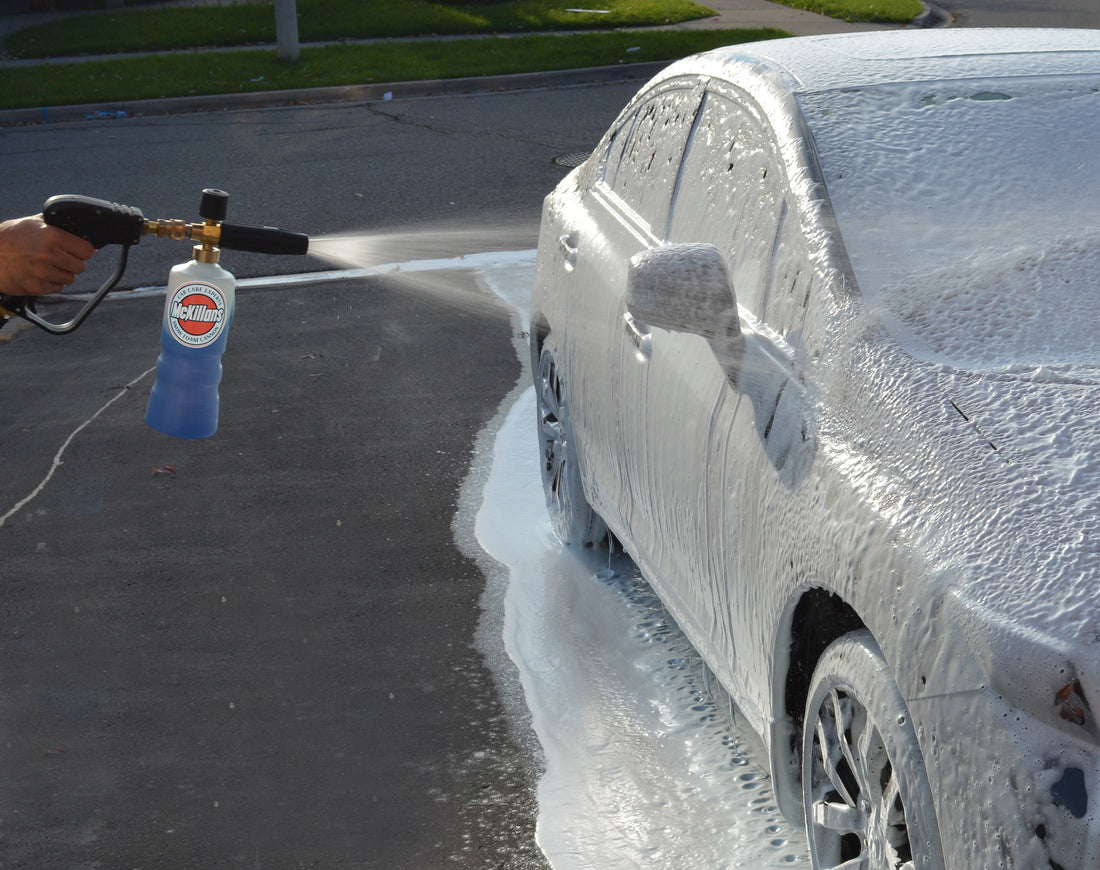
Credit: www.mckillans.com
Frequently Asked Questions
What Are Common Problems With Foam Guns?
Common foam gun problems include clogging from dried foam, misaligned or blocked pickup tubes, dirty nozzles, and inadequate water pressure. Regular cleaning and proper maintenance prevent blockages and ensure smooth foam flow.
Why Is My Foam Cannon Only Working Upside Down?
Your foam cannon works upside down because the fluid pickup tube is clogged, misaligned, or too short. Clean and reposition the tube to fix it.
Why Is My Pressure Washer Pulsing With Snow Foam?
Your pressure washer pulses with snow foam due to a clogged nozzle, faulty unloader valve, or blocked water filter. Clean or replace these parts to fix pulsing.
Why Is My Expanding Foam Not Coming Out?
Your expanding foam may not come out due to a clogged nozzle, low can temperature, or a blocked valve. Shake the can well and ensure the straw is properly attached. Check for any damage or obstructions in the applicator before use.
Conclusion
Troubleshooting your foam cannon is simpler than it seems. Check for clogs and clean parts regularly. Make sure the soap mixes well with water. Adjust pressure and nozzle settings for better foam. Small fixes often solve most common problems fast.
Keep your foam cannon in good shape for longer use. With these tips, enjoy a smooth, foamy wash every time.