When it comes to protecting your car’s paint, the way you wash it matters a lot. You might have heard about foam guns and bucket washes, but which one is truly safer for your paint?
Choosing the right method can mean the difference between a sparkling finish and costly scratches or swirl marks. You’ll discover the pros and cons of foam gun washing versus the traditional bucket wash. By understanding how each technique works, you’ll be able to keep your car looking flawless without risking damage to the paint.
Keep reading to find out which method suits your needs best and how to wash your car safely every time.

Credit: www.amazon.com
Foam Gun Basics
Foam guns are popular tools for car washing. They spray thick foam over the vehicle’s surface. This foam helps lift dirt and grime without scrubbing hard. Understanding foam guns helps you decide if they protect your car’s paint better than a bucket wash.
Foam guns work by mixing soap with water and air. This creates a rich foam that clings to the paint. The foam softens dirt, making it easier to remove. Using foam can reduce the risk of scratches during washing.
How Foam Guns Work
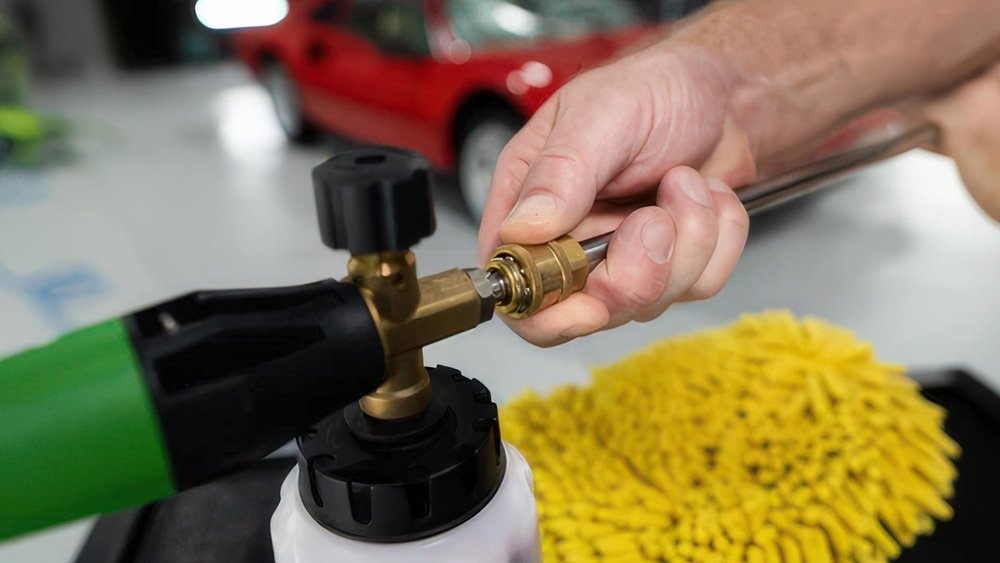
Foam guns connect to a water hose. Inside, soap mixes with water and air. This mixture turns into thick foam. The foam sprays evenly on the car’s surface. It stays on the paint longer than plain water, loosening dirt. After foaming, you rinse or wash the car gently.
Types Of Foam Guns
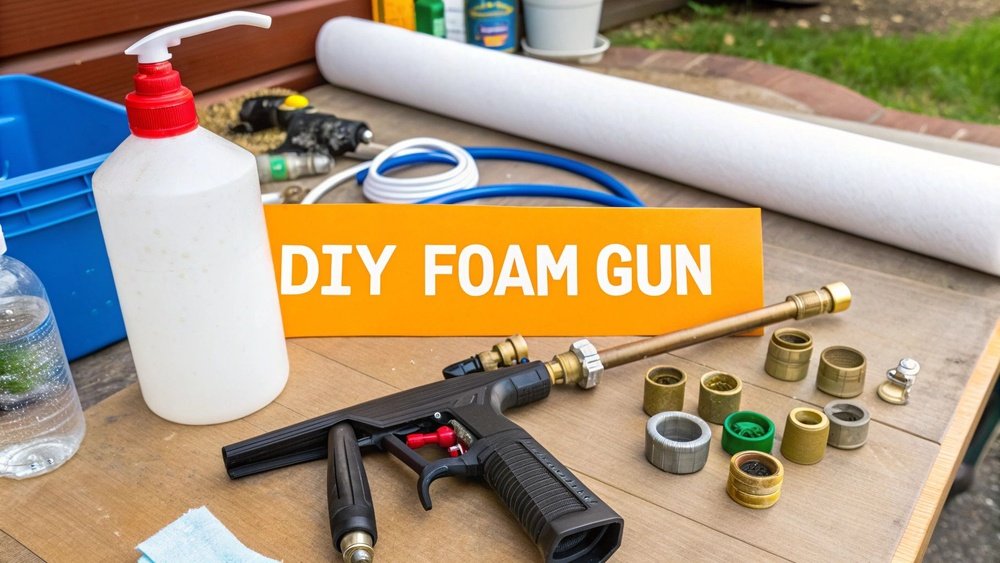
There are two main types of foam guns. First, the simple foam gun attaches directly to a garden hose. It is easy to use and affordable. Second, the foam cannon fits on a pressure washer. It creates denser foam and covers the car faster. Both types help reduce direct contact with paint during washing.
Benefits Of Foam Application
Foam covers dirt and grime gently. It reduces the chance of scratches by lifting particles off the paint. The thick foam also helps soap stick longer, improving cleaning power. Foam application saves time and water compared to traditional methods. It offers a safer, more effective way to prepare your car for washing.
Bucket Wash Essentials
Bucket washing remains a trusted method to protect car paint. It reduces scratches and swirl marks during cleaning. This approach uses water, soap, and careful rinsing to keep paint safe.
Understanding the bucket wash basics helps you wash your car without harm. The right tools and techniques make all the difference.
Two-bucket Method Explained
The two-bucket method uses one bucket for soapy water and another for rinsing. Dip your wash mitt in the soap bucket to clean the car’s surface. Then rinse the mitt in the second bucket to remove dirt. This keeps grime out of the soap, reducing paint scratches.
Tools Needed For Bucket Wash
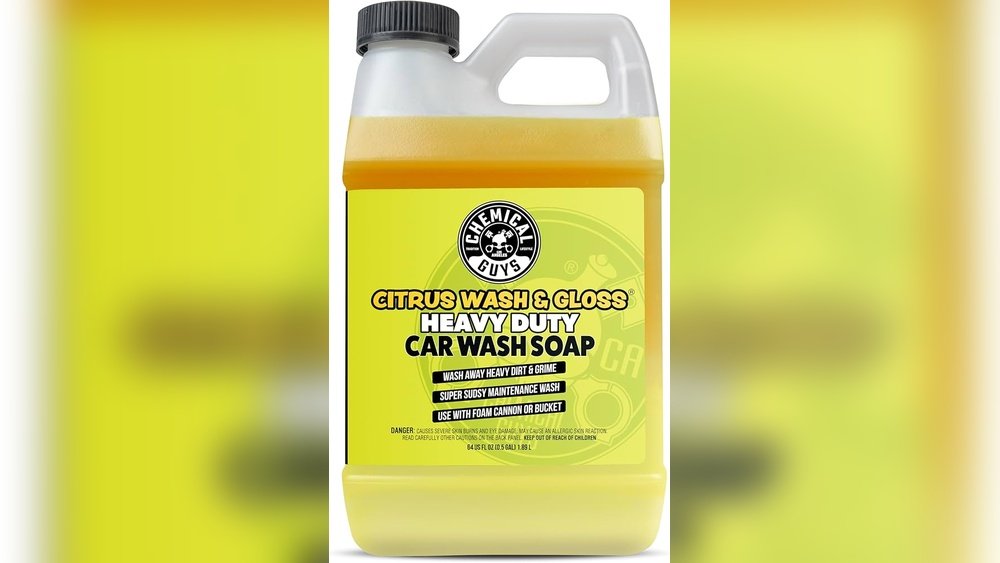
Start with two buckets, preferably with grit guards inside. Use a pH-neutral car wash soap to protect wax and paint. A microfiber wash mitt is gentle and traps dirt well. Finally, have clean microfiber towels ready to dry the car without scratching.
Common Mistakes To Avoid
Avoid using household soaps, which can damage your car’s finish. Do not skip the rinsing bucket; it prevents dirt from scratching paint. Avoid washing in direct sunlight to reduce water spots. Never use a dirty or rough cloth, as it may create swirls.
Paint Safety Factors
Protecting your car’s paint is key during any wash. Different methods affect paint safety in various ways. Understanding paint safety factors helps choose the best washing technique. Focus on avoiding damage like scratches and swirls. Also, proper lubrication and soap choice matter a lot. These factors keep your paint smooth and shining longer.
Risks Of Scratches And Swirls
Scratches and swirls appear when dirt rubs against paint. Bucket wash can trap dirt in the mitt, causing scratches. Foam gun covers dirt with foam, reducing direct contact. Yet, foam alone might not remove all grime. Careful washing technique is essential to avoid these paint marks.
Importance Of Lubrication
Lubrication lowers friction between dirt and paint. Soap creates a slippery layer to protect the surface. Foam gun produces thick foam, adding extra lubrication. Bucket wash relies on soapy water for lubrication. Insufficient lubrication can lead to paint damage from scrubbing.
Effect Of Soap Types
Soap quality directly impacts paint safety. Use pH-neutral car wash soaps to protect paint and wax. Harsh soaps strip wax and dry out paint. Foam gun soaps tend to be gentle and thick. Some bucket wash soaps may be stronger or less lubricating. Choose soaps designed for automotive paint care.

Credit: www.walmart.com
Comparing Cleaning Efficiency
Comparing the cleaning efficiency of a foam gun and bucket wash reveals key differences. Both methods aim to protect your car’s paint while removing dirt effectively. Understanding their strengths helps you choose the safer option for your vehicle’s finish.
Dirt Removal Capabilities
The foam gun sprays thick foam that loosens dirt on the surface. It covers the car evenly, making it easier to break down grime. However, foam alone may not remove stubborn dirt in all spots. The bucket wash uses a mitt to physically remove dirt, offering a deeper clean. This method reduces the chance of leftover particles that can scratch paint.
Reach In Hard Areas
The foam gun reaches broad, flat surfaces quickly with its spray. It struggles to clean tight corners and crevices fully. Bucket washing allows better control with a mitt, helping clean hard-to-reach spots carefully. This precise contact ensures dirt is lifted from edges, wheel wells, and other tricky areas.
Time And Effort Involved
The foam gun saves time by covering large areas fast. It requires less physical effort since the foam does much of the work. Bucket washing takes longer and needs more hands-on scrubbing. The extra effort pays off with a thorough clean that protects paint by removing abrasive dirt fully.
Surface Protection
Surface protection plays a key role in deciding between a foam gun and bucket wash. Proper care preserves the paint’s shine and prevents damage. Both methods offer cleaning, but their effect on the paint varies. Understanding these differences helps maintain the car’s look for years.
Impact On Paint Finish
Foam guns cover the car with thick foam that lifts dirt gently. The foam acts as a cushion, reducing scratches from dirt particles. Bucket washing involves hand contact, which can drag dirt across the surface. If not careful, this may cause swirl marks or scratches. Using clean mitts and rinsing often helps protect the finish during bucket washing.
Wax And Sealant Compatibility
Foam guns often use soaps that do not strip wax or sealants. This helps keep protective layers intact longer. Some bucket wash soaps can remove wax if they are harsh or used too often. Choosing pH-neutral soap is important for both methods. A gentle cleaner keeps wax and sealants working to shield the paint.
Long-term Paint Health
Regular foam gun use can help maintain paint by reducing friction during washing. It softens grime and avoids harsh scrubbing. Bucket washing offers a thorough clean but requires skill to avoid paint damage. Both methods need proper tools and technique for best results. Consistent, gentle care ensures the paint stays healthy over time.
Practical Tips For Safe Washing
Washing your car safely protects its paint and keeps it shiny longer. Both foam guns and bucket washes have unique steps to ensure a gentle clean. Following correct washing methods reduces the risk of scratches and swirl marks. Below are practical tips to keep your paint safe during washing.
Best Practices For Foam Gun Use
Spray foam evenly over the car’s surface to loosen dirt. Let the foam sit for a few minutes, but do not let it dry. Use a soft microfiber mitt to gently wipe the surface. Rinse the foam off with low-pressure water to avoid paint damage. Clean the foam gun after every use to keep it working well.
Optimal Bucket Wash Techniques
Use two buckets: one with soapy water and one with clean water for rinsing. Dip your wash mitt in the soapy water first, then rinse it in the clean water. This prevents dirt from returning to the car’s paint. Wash the car in straight lines, not circles, to avoid swirl marks. Change the water often to keep it clean.
Drying And Finishing Touches
Dry the car using a soft microfiber towel or drying cloth. Pat the surface gently instead of rubbing to stop scratches. Check for leftover water drops in corners and wipe them away. Apply a wax or sealant after drying for extra paint protection. Store your towels and mitts in a clean, dry place.
Choosing The Right Method
Choosing the right washing method affects your vehicle’s paint health. Both foam guns and bucket washing offer unique benefits. Understanding these helps protect your car’s finish and keeps it looking new longer.
Consider factors like dirt level, paint type, and how much time you want to spend cleaning. Each method suits different needs and situations.
Assessing Your Vehicle’s Needs
Check how dirty your car is before washing. Light dirt may only need a foam gun to loosen grime. Heavy dirt or mud requires a thorough bucket wash to avoid scratches. Older or delicate paint needs gentler care. Foam guns reduce direct contact with the paint, lowering scratch risk. Bucket washing allows careful control but needs proper technique to avoid damage.
Environmental And Cost Considerations
Foam guns use less water than bucket washing, saving resources. They also use soap efficiently, reducing chemical waste. Bucket washing uses more water but requires fewer tools. The initial cost of a foam gun is higher but may save money over time on water bills. Both methods need eco-friendly soap to protect the environment and your paint.
Combining Both Methods
Using a foam gun first can loosen dirt and reduce swirl marks. Follow with a gentle bucket wash for deep cleaning. This combo protects paint while removing tough grime. It balances water use and cleaning power. This method suits most vehicles, especially those with sensitive paint or heavy dirt. Always use clean microfiber mitts and separate buckets for washing and rinsing.
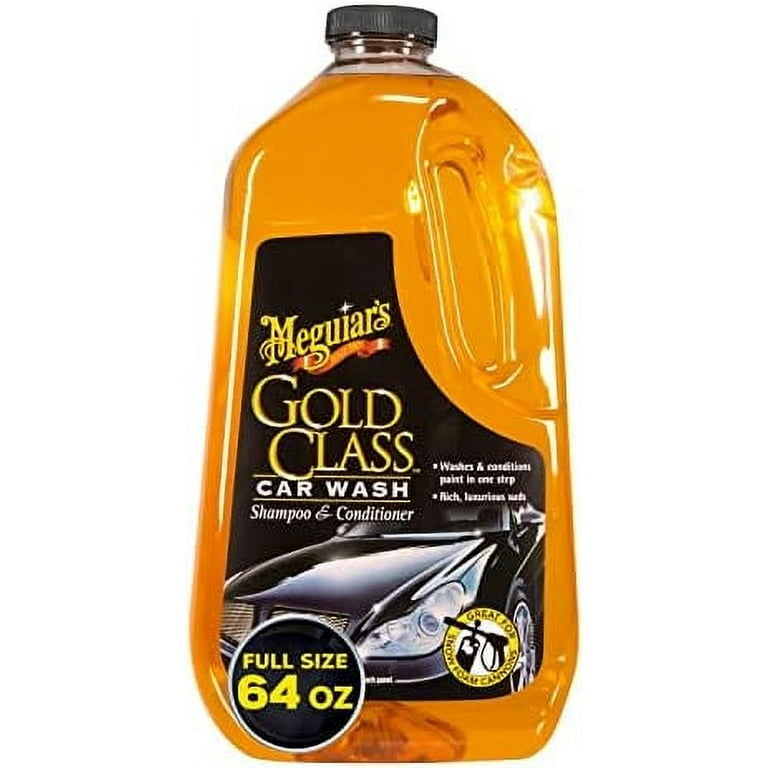
Credit: www.walmart.com
Frequently Asked Questions
What Is The Best Car Wash To Not Damage Paint?
The best car wash method to protect paint uses the two-bucket system with pH-neutral soap and microfiber mitts. Pre-rinse, apply foam, wash gently top to bottom, rinse mitt in clean water bucket, and dry with microfiber towels in shade.
Is A Foam Gun Better Than A Hand Wash?
A foam gun loosens dirt and adds lubrication, reducing scratches. Hand washing removes stubborn grime. Combining both ensures a safer, thorough clean.
How To Wash A Car Without Damaging Paint?
Use the two-bucket method with pH-neutral soap and microfiber mitts. Rinse first, wash top to bottom gently, then dry with a microfiber towel.
Does Foam Scratch Car Paint?
Foam itself does not scratch car paint if applied correctly. Use a foam cannon with gentle, pH-neutral soap and soft microfiber mitts to avoid scratches. Avoid rubbing dirt into the surface, as that causes scratches, not the foam. Proper technique ensures safe, scratch-free cleaning.
Conclusion
Choosing between a foam gun and a bucket wash depends on your car’s paint condition. Foam guns loosen dirt gently but may miss stubborn grime. Bucket washes allow careful cleaning but risk scratches if not done right. Using soft mitts and clean water reduces paint damage.
Always use pH-neutral soap to protect the finish. Washing in the shade helps avoid spots and streaks. Combining both methods often gives the safest and cleanest result. Keep your car’s paint safe with careful, gentle washing habits.