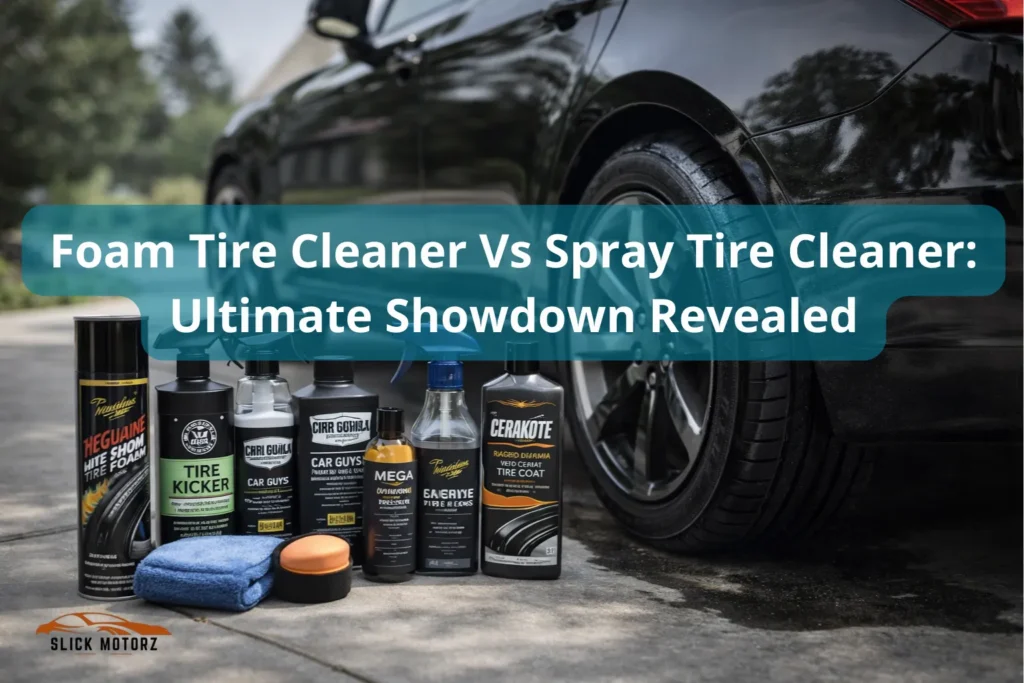
When it comes to keeping your tires looking fresh and clean, you might wonder which product works best for you: foam tire cleaner or spray tire cleaner? Both promise to make your tires shine, but they work in very different ways.
You want a cleaner that’s easy to use, effective, and won’t damage your tires or wheels. Choosing the right one can save you time, effort, and even money. You’ll discover the key differences between foam and spray tire cleaners, how each affects your tires, and which option suits your needs best.
Ready to find out which tire cleaner will give your ride that perfect finish? Keep reading!
Foam Tire Cleaner Basics
Foam tire cleaners offer a simple and effective way to clean tires. They create thick foam that clings to tire surfaces. This foam lifts dirt and grime easily. Many car owners prefer foam cleaners for their ease of use and deep cleaning power.
Foam tire cleaners also help protect the rubber and restore the tire’s natural look. Understanding how they work and their ingredients can help you choose the right product.
How Foam Cleaners Work
Foam tire cleaners spray out as thick foam. The foam sticks to tires longer than liquids. This gives the cleaner time to break down dirt and brake dust. The foam reaches into cracks and grooves well. After a few minutes, you rinse the foam off, taking dirt with it.
Key Ingredients And Benefits
Foam cleaners contain surfactants that lift dirt from tires. Some have mild solvents to dissolve grease and brake dust. Many formulas include conditioners to prevent rubber drying. The foam also helps protect tires from UV damage. These ingredients combine to clean and protect your tires gently.
Environmental Impact
Most foam tire cleaners use biodegradable ingredients. They break down quickly in the environment. Many products avoid harsh chemicals that harm plants or water. Using foam cleaners reduces water waste because foam clings better and requires less rinsing. Choosing eco-friendly foam cleaners helps protect nature while keeping tires clean.

Credit: formula1wax.com
Spray Tire Cleaner Essentials
Spray tire cleaners offer a quick and effective way to remove dirt and grime. They come in easy-to-use bottles with spray nozzles. This design helps reach every part of the tire without hassle.
Most spray cleaners work fast. They break down tough stains and brake dust with little effort. Many car owners prefer them for regular tire maintenance.
Mechanism Of Spray Cleaners
Spray cleaners use liquid formulas that dissolve dirt on contact. They often contain surfactants that lift grime from the tire surface. This makes rinsing off easier and faster.
The spray delivers an even coat, ensuring full coverage. It penetrates cracks and grooves to clean deeply. After spraying, a quick scrub or rinse completes the process.
Common Formulations
Most spray tire cleaners contain mild acids or detergents. These ingredients help remove brake dust and road grime safely. Some formulas add conditioners to protect rubber and prevent cracking.
Many products are water-based, reducing harsh chemical use. This keeps them safer for tires and the environment. Some sprays also include anti-fade agents to keep tires looking fresh.
Usage Scenarios
Spray tire cleaners suit quick clean-ups and light dirt. They work well before applying tire shine or protectants. These sprays are ideal for regular car washes or touch-ups.
They fit busy schedules since application is fast and mess-free. For heavier dirt, combining spray cleaners with brushes improves results. They also work well on wet or dry tires.
Cleaning Performance Comparison
Comparing the cleaning performance of foam tire cleaners and spray tire cleaners helps you pick the best option. Each type has unique traits that affect how well it cleans tires. Understanding these differences can improve your tire care routine.
Effectiveness On Dirt And Grime
Foam tire cleaners stick well to the tire surface, loosening tough dirt and grime. The thick foam allows more contact time, which helps break down stubborn stains. Spray cleaners work by quickly covering the tire but may not cling as long. They clean light to moderate dirt well, but can struggle with heavy grime.
Adhesion And Residue
Foam cleaners adhere better to vertical tire walls, reducing runoff and waste. This adhesion helps the cleaner work deeper into crevices. Spray cleaners can drip or run off faster, requiring more frequent application. Both types usually rinse off without leaving sticky residue, but foam often leaves a cleaner feel.
Cleaning Speed
Spray tire cleaners act fast and rinse off quickly, making them ideal for quick touch-ups. Foam cleaners take slightly longer due to their thick texture, needing a few extra minutes to work effectively. This slower action pays off with a deeper clean, especially for heavily soiled tires.
Application And Ease Of Use
The choice between foam tire cleaner and spray tire cleaner often depends on how easy each product is to apply. Application and ease of use play a big role in how effective and convenient the cleaning process will be. Both types have unique features that affect how you apply them, how well they cover the tire, and how safe they are to use.
Application Methods
Foam tire cleaners come out as thick foam. You apply the foam directly to the tire surface. It sticks well and stays longer, allowing better cleaning. Spray tire cleaners come in a liquid form. They spray evenly and quickly over the tire. Sprays are fast but can drip or run off more easily than foam.
Coverage And Reach
Foam cleaners cover the tire in a thick layer. This helps reach into grooves and tight spots. The foam clings to vertical surfaces without dripping. Spray cleaners spread more thinly. They cover large areas quickly but may miss some deep crevices. Sprays can reach hard spots but need careful application to avoid wastage.
Safety And Handling
Foam tire cleaners tend to be gentle on hands and surfaces. Their thicker texture reduces splashing, lowering the risk of eye or skin contact. Spray cleaners can cause overspray. This requires careful handling to avoid getting the cleaner on your skin or paint. Always use gloves and eye protection with sprays for safety.
Impact On Tire Appearance
The impact on tire appearance is a key factor in choosing between foam tire cleaner and spray tire cleaner. Both products clean tires but affect how tires look afterward. The right cleaner enhances the tire’s finish and keeps it looking fresh longer. Understanding the differences helps maintain your vehicle’s curb appeal effectively.
Finish And Shine Quality
Foam tire cleaners often create a deep, rich shine. They spread evenly and cover the tire surface well. Spray cleaners can give a quicker shine but may look less uniform. Foam tends to penetrate grime better, leaving a smoother finish. A good shine makes tires look newer and well cared for.
Durability Of Clean
Foam cleaners usually last longer on tires. The foam clings to the rubber, breaking down dirt slowly. Spray cleaners may wash off faster, especially in rain or car washes. A durable clean means tires stay bright and clean for days. This reduces the need for frequent cleaning.
Resistance To Smearing
Foam tire cleaners resist smearing better than sprays. Foam adheres to tire surfaces, reducing streaks and mess. Sprays can drip or run, causing uneven spots. Smear resistance keeps tires looking neat after application. This is important for a polished, professional appearance.

Credit: www.blackmagicshine.com
Environmental And Health Considerations
Choosing between foam tire cleaner and spray tire cleaner involves more than just cleaning power. Environmental and health effects matter greatly. Both products impact the environment and user safety differently. Understanding these factors helps make a better choice for yourself and the planet.
Toxicity Levels
Foam tire cleaners usually contain fewer harmful chemicals. They break down dirt with mild ingredients. Spray tire cleaners can have stronger solvents. These solvents might irritate the skin and eyes. Choosing a product with low toxicity reduces health risks. It also lowers pollution when rinsed off.
Biodegradability
Biodegradability is how fast a product breaks down naturally. Foam cleaners tend to be more biodegradable. They use eco-friendly formulas that degrade quickly in water. Some spray cleaners contain chemicals that linger longer. These can harm aquatic life if washed into drains. Picking biodegradable options protects water and soil quality.
User Safety
User safety depends on product ingredients and usage. Foam cleaners often produce less airborne spray, reducing inhalation risk. Spray cleaners can release fine mist that irritates the lungs. Foam products usually require less protective gear during use. Always follow label instructions and wear gloves for any cleaner. Safe handling prevents accidents and health problems.
Cost And Availability
Choosing between foam tire cleaner and spray tire cleaner often depends on cost and availability. These factors affect your buying decision and ease of use. Understanding the price, where to find the product, and its value helps pick the right cleaner for your tires.
Price Range
Foam tire cleaners usually cost more than spray cleaners. The foam products often contain special ingredients for longer tire protection. Spray cleaners come in a wider price range, from budget to premium options. Prices vary by brand and bottle size.
Product Accessibility
Spray tire cleaners are more widely available. You can find them in most auto shops and online stores. Foam tire cleaners are less common but growing in popularity. Some local stores may not stock foam cleaners yet, so an online purchase might be necessary.
Value For Money
Foam tire cleaners tend to last longer due to their thick texture. They stick better to tires, reducing the need for reapplication. Spray cleaners offer quick cleaning but may require more product to cover the same area. Choosing depends on how often you clean and your budget.

Credit: meguiarsdirect.com
Popular Brands And Products
Choosing the right tire cleaner depends on the product’s quality and effectiveness. Popular brands offer various foam and spray tire cleaners designed to meet different needs. These products help maintain tire appearance and protect rubber from damage. Understanding top options can guide you toward the best choice.
Top Foam Cleaners
Turtle Wax 53734 Hybrid Solutions Hyper Foam Wheel and Tire Cleaner is a popular choice for foam cleaners. It lifts dirt and grime without harsh scrubbing. Meguiar’s Non-Acid Wheel Cleaner uses foam to clean tires and wheels gently. Both are easy to apply and rinse off quickly. These foam cleaners cling well to vertical surfaces, enhancing cleaning power.
Leading Spray Cleaners
Armor All Tire Foam Spray offers quick cleaning and conditioning. It sprays evenly and helps restore tire blackness. Chemical Guys Tire Kicker Spray is another top spray cleaner, known for its fast-drying formula. Spray cleaners are convenient for quick touch-ups and provide good coverage.
User Reviews And Ratings
Users praise foam cleaners for their deep cleaning and longer surface contact. They say foam reduces the need for heavy scrubbing. Spray cleaners receive high marks for ease of use and speed. Some users note sprays may require reapplication for tough grime. Overall, foam cleaners get higher ratings for cleaning power, while sprays score better on convenience.
Tips For Best Results
Getting the best results from foam tire cleaner and spray tire cleaner needs some care. Both products work well, but need the right approach. Follow these simple tips to keep your tires clean and looking great longer.
Proper use of these products makes a big difference. Small steps help protect your tires and improve their shine. Avoid common errors to save time and effort.
Combining Foam And Shine Products
Use foam cleaner first to remove dirt and grime. Foam sticks well and lifts debris from tire surfaces. After cleaning, apply a tire shine product for a glossy finish. This two-step method gives tires a deep clean and bright look. It also helps the shine last longer without smudging or fading.
Foam cleaner is gentle and safe for rubber. Shine products add a protective layer that resists dust and water. Together, they keep tires fresh and new for weeks.
Proper Tire Maintenance
Clean tires regularly, but avoid overuse of cleaners. Too much product can cause buildup and damage the rubber. Wash tires every two weeks or as needed based on driving conditions. Use soft brushes to avoid scratches. Rinse tires well to remove all cleaner residue.
Store tire care products in a cool, dry place. Heat or sunlight can reduce their effectiveness. Check product labels for specific instructions and warnings.
Avoiding Common Mistakes
Do not apply tire cleaner to hot tires. Heat can cause products to dry too fast and leave marks. Avoid using household soaps or harsh chemicals that harm tire rubber. Spray cleaners too close can cause overspray on the car paint or rims.
Use the right amount of product and follow the recommended drying time. Wipe off excess to prevent streaks. Always test new products on a small area first to check for reactions.

Frequently Asked Questions
What Is The Best Thing To Clean Tires With?
The best way to clean tires is to use a soft-bristle brush and a mild tire cleaner designed specifically for tires. Avoid dish soap or harsh chemicals to prevent damage. Tire foam cleaners clean effectively and stay on surfaces longer, making them ideal for thorough tire cleaning.
Is Tire Foam Better Than Tire Shine?
Tire foam cleans tires effectively and resists smearing during driving. Tire shine adds gloss but can smear on wheels. Using both gives the best results: foam cleans, then shine enhances appearance.
What Is The 3% Tire Rule?
The 3% tire rule means tire diameter should not vary more than 3% from the original size. This ensures accurate speedometer readings and proper vehicle handling.
Are Foam Cleaners Better?
Foam cleaners cling longer, making them effective on vertical surfaces. They clean well, are eco-friendly, and leave no residue.
Conclusion
Choosing between foam tire cleaner and spray tire cleaner depends on your needs. Foam cleaners stick better and clean deeply. Sprays work fast and cover wide areas quickly. Both remove dirt and grime effectively. Foam is gentle and less likely to drip or run off.
Spray offers convenience for quick touch-ups. Consider your cleaning style and tire condition. Use the product that fits your routine best. Clean tires improve your car’s look and safety. Regular care keeps tires in good shape longer.