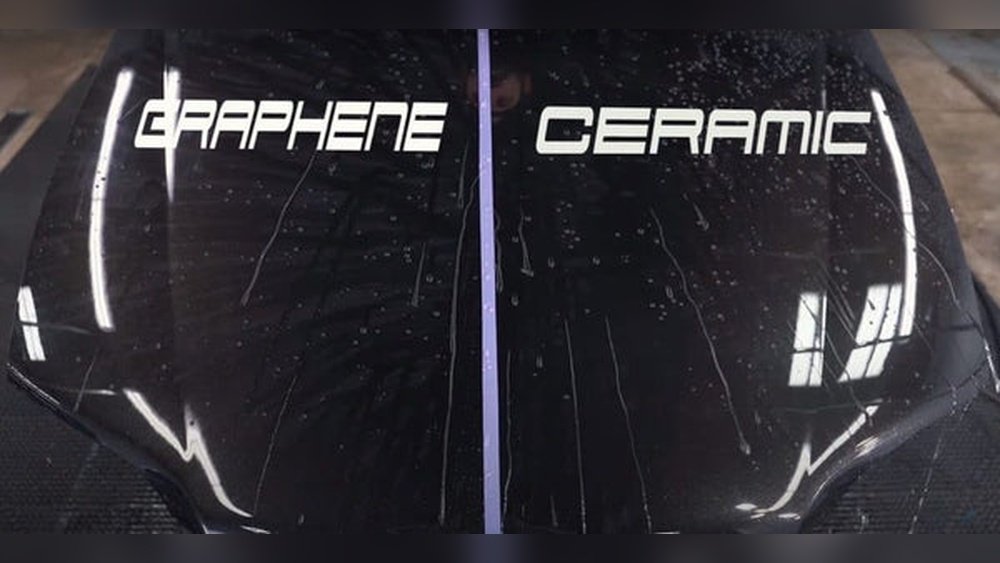
When it comes to protecting your vehicle’s paint, you want the best shield out there. You’ve probably heard about ceramic coatings and graphene coatings, but which one is truly right for your car?
Both promise long-lasting protection and a stunning finish, yet they work in very different ways. Choosing between graphene and ceramic coating can feel confusing—but understanding their key differences will help you make a smart decision that keeps your car looking flawless for years.
You’ll discover how each coating performs, their unique benefits, and what you should consider before committing. Ready to find out which coating suits your needs perfectly? Let’s dive in.
Credit: www.carzspa.com
Graphene Coating Basics
Graphene coating is a new option for protecting car surfaces. It uses a thin layer of graphene material. This layer creates a strong shield against dirt and damage. Understanding the basics of graphene coating helps to see how it compares to ceramic coatings.
The coating offers good durability and water resistance. It also helps keep the car cleaner for longer. Below are some key points about graphene coating.
Material Properties
Graphene is a form of carbon, just one atom thick. It is very strong and flexible at the same time. This material conducts heat well, helping prevent water spots. Graphene resists chemical damage and UV rays. It forms a smooth, hard surface on the car paint.
Application Process
Applying graphene coating requires a clean and dry surface. Professionals usually use special tools to spread it evenly. The coating cures in hours to form a tough layer. It often needs fewer layers than ceramic coatings. Proper application ensures better protection and longer life.
Common Uses
Graphene coatings are popular for cars and motorcycles. People use them to protect paint and clear coats. The coating also works on glass and metal parts. It helps reduce dirt buildup and water stains. Some use graphene to improve surface shine and durability.
Ceramic Coating Basics
Ceramic coatings provide a strong layer of protection for vehicle surfaces. They form a hard shield that guards against dirt, water, and minor scratches. These coatings last longer than traditional waxes and improve the car’s shine. Understanding how ceramic coatings work helps to see their benefits clearly.
Material Properties
Ceramic coatings are made from silicon dioxide (SiO2). This creates a smooth, glass-like surface on the paint. The coating is resistant to heat and chemicals. It repels water and prevents stains from sticking. This makes cleaning easier and keeps the car looking new.
Application Process
The surface must be clean and dry before applying ceramic coating. It is usually applied by hand using a small applicator pad. The coating spreads evenly in thin layers. After application, it needs time to cure and harden. This process can take several hours to days depending on the product.
Common Uses
Ceramic coatings are popular for protecting car paint. They are also used on motorcycles, boats, and even aircraft. Some people apply them to glass surfaces for better water resistance. Industrial uses include protecting metal and plastic parts from corrosion and wear.
Durability Comparison
Durability plays a key role when choosing between graphene and ceramic coatings. Both offer strong protection but differ in certain durability aspects. Understanding these differences helps you pick the best option for your vehicle’s needs.
Scratch Resistance
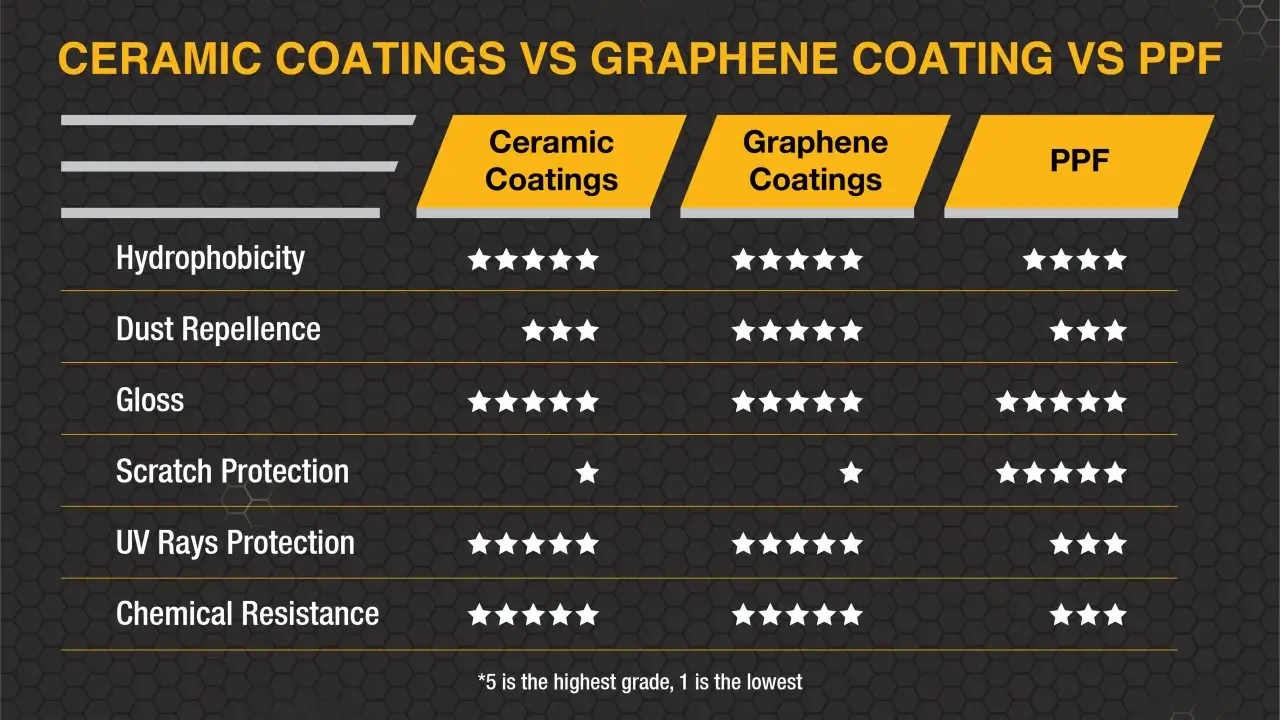
Graphene coatings provide excellent scratch resistance. Their unique structure helps reduce swirl marks and fine scratches. Ceramic coatings also protect well against scratches but are slightly less effective than graphene. This makes graphene a better choice for high-impact areas.
Heat Resistance
Graphene coatings handle heat very well. They can withstand high temperatures without breaking down. Ceramic coatings also resist heat but may degrade faster under extreme conditions. Graphene’s ability to dissipate heat helps protect paint during hot weather.
Longevity
Ceramic coatings generally last from two to five years. Graphene coatings often last longer, sometimes up to seven years. The added durability of graphene helps maintain protection for a longer time. Regular maintenance also extends the life of both coatings.

Credit: www.feynlab.com
Protection Against Elements
Protecting your vehicle from natural and man-made elements is crucial. Coatings like graphene and ceramic offer strong defense layers. They shield paint from water, sun, and chemicals. Understanding their protection differences helps in choosing the right one.
Water Repellency
Graphene coatings provide excellent water repellency. Water beads up and slides off easily, keeping surfaces dry. Ceramic coatings also repel water but may not perform as long under heavy rain. Graphene’s structure allows faster drying and less water spotting.
Uv Protection
Both coatings block harmful UV rays effectively. UV rays can fade and damage paint over time. Ceramic coatings create a strong barrier against sun damage. Graphene coatings add extra durability and reduce heat buildup on the surface.
Chemical Resistance
Graphene coatings resist chemicals like acids and road salts well. This protects paint from stains and corrosion. Ceramic coatings also offer good chemical resistance but may wear faster under harsh conditions. Graphene’s toughness helps maintain a cleaner surface longer.
Cost And Value
Understanding the cost and value of graphene and ceramic coatings helps you choose the best option. Both protect your vehicle but differ in price and benefits. Knowing these differences saves money and keeps your car looking great longer.
Initial Investment
Ceramic coating usually costs less to apply than graphene coating. Graphene coatings have higher prices due to advanced materials. The application process for graphene also takes more time. This raises the initial cost compared to ceramic coatings.
Maintenance Costs
Ceramic coatings need regular upkeep to keep protection strong. This includes washing and occasional reapplication. Graphene coatings require less frequent maintenance. They resist water spots and stains better, lowering upkeep expenses over time.
Long-term Benefits
Graphene coatings last longer than ceramic coatings in many cases. They offer better heat resistance and durability. This can reduce the need for costly repairs or reapplications. Ceramic coatings still provide solid protection but may wear out sooner. Investing in graphene may save money over years.
Environmental And Health Factors
Choosing between graphene and ceramic coatings requires understanding their environmental and health impacts. Both coatings offer vehicle protection, but their production, safety, and disposal affect the planet and people. Here is a clear look at these factors.
Production Impact
Graphene production involves complex chemical processes. It requires high energy and rare raw materials. This can increase pollution and resource use.
Ceramic coatings use silica-based compounds. Their production is more common and less energy-intensive. However, mining silica can affect land and water quality.
Both coatings have environmental footprints, but graphene’s process is often more resource-heavy.
Safety Concerns
Graphene particles may pose risks if inhaled during application. They can cause respiratory irritation and cellular damage. Proper protective gear is essential.
Ceramic coatings generally have fewer toxic fumes. Still, some formulas contain solvents that can irritate skin and eyes.
Users must follow safety guidelines to reduce exposure risks for both coatings.
Disposal Considerations
Graphene waste can be hard to break down naturally. It may persist in soil and water, affecting wildlife.
Ceramic coatings are more stable chemically but can produce harmful residues if not disposed of properly.
Safe disposal methods are important to avoid environmental harm from both types of coatings.
Performance In Real-world Conditions
Performance in real-world conditions is the true test for any car coating. Both graphene and ceramic coatings offer protection, but their durability and effectiveness differ outside the lab. Understanding how each performs under daily use helps you choose the right option for your vehicle.
Weather Exposure
Graphene coatings resist heat better than ceramic coatings. This helps prevent water spots and staining from hard water. Ceramic coatings handle UV rays well but can degrade faster in extreme heat. Both protect against rain, snow, and dirt. Graphene’s thin layer repels water more smoothly, reducing buildup.
Wear And Tear
Ceramic coatings are hard and durable, resisting scratches and minor abrasions. Graphene coatings add flexibility, making them less prone to cracking. This flexibility helps graphene endure small impacts better. Over time, ceramic coatings can become brittle, especially in harsh environments. Graphene maintains its strength longer, providing lasting protection.
User Experiences
Many users report easier cleaning with graphene coatings due to better water sheeting. Ceramic coatings often require multiple layers for full protection, which can add time and cost. Some drivers notice fewer water spots and less dirt sticking with graphene. Both coatings improve shine and protect paint well. User satisfaction depends on climate and driving habits.
Common Misconceptions
Many people confuse graphene and ceramic coatings. These two protect car surfaces differently. Misunderstandings often come from unclear information. Clearing up these myths helps car owners choose the best option.
Marketing Claims
Some ads say graphene coatings last forever. Others claim ceramic coatings are weak. These statements often lack proof. Both coatings have strong points and limits. Trust facts, not just flashy ads.
Technical Limitations
Graphene is praised for heat resistance but needs expert application. Ceramic coatings resist scratches but can wear over time. Neither coating stops all damage. Knowing these limits helps set the right expectations.
Industry Myths
One myth says graphene repels water better than ceramic. Tests show both offer excellent water resistance. Another myth states ceramic coatings cure instantly. Actually, they need days to harden fully. Understanding these truths prevents confusion.
Choosing The Right Coating
Choosing the right coating for your vehicle is key to long-lasting protection. Both graphene and ceramic coatings offer strong benefits. Understanding your needs helps pick the best option. This section covers important points to guide your choice.
Vehicle Type Considerations
Different vehicles have different needs. Larger vehicles may benefit from coatings that offer extra durability. Sports cars often need coatings that highlight shine and color depth. Older cars might require coatings that protect against wear and tear. Consider the vehicle’s use and condition before choosing a coating.
Budget Factors
Cost plays a big role in selecting a coating. Ceramic coatings tend to be more affordable. Graphene coatings usually cost more but can offer better heat resistance and longevity. Think about how much you want to spend now and over time. A higher initial cost may save money by reducing future maintenance.
Desired Outcomes
What do you expect from the coating? If you want deep gloss and water repellency, both coatings work well. Graphene coatings resist water spots better than ceramic. Ceramic coatings provide strong scratch resistance and chemical protection. Decide which qualities matter most for your car’s look and care.
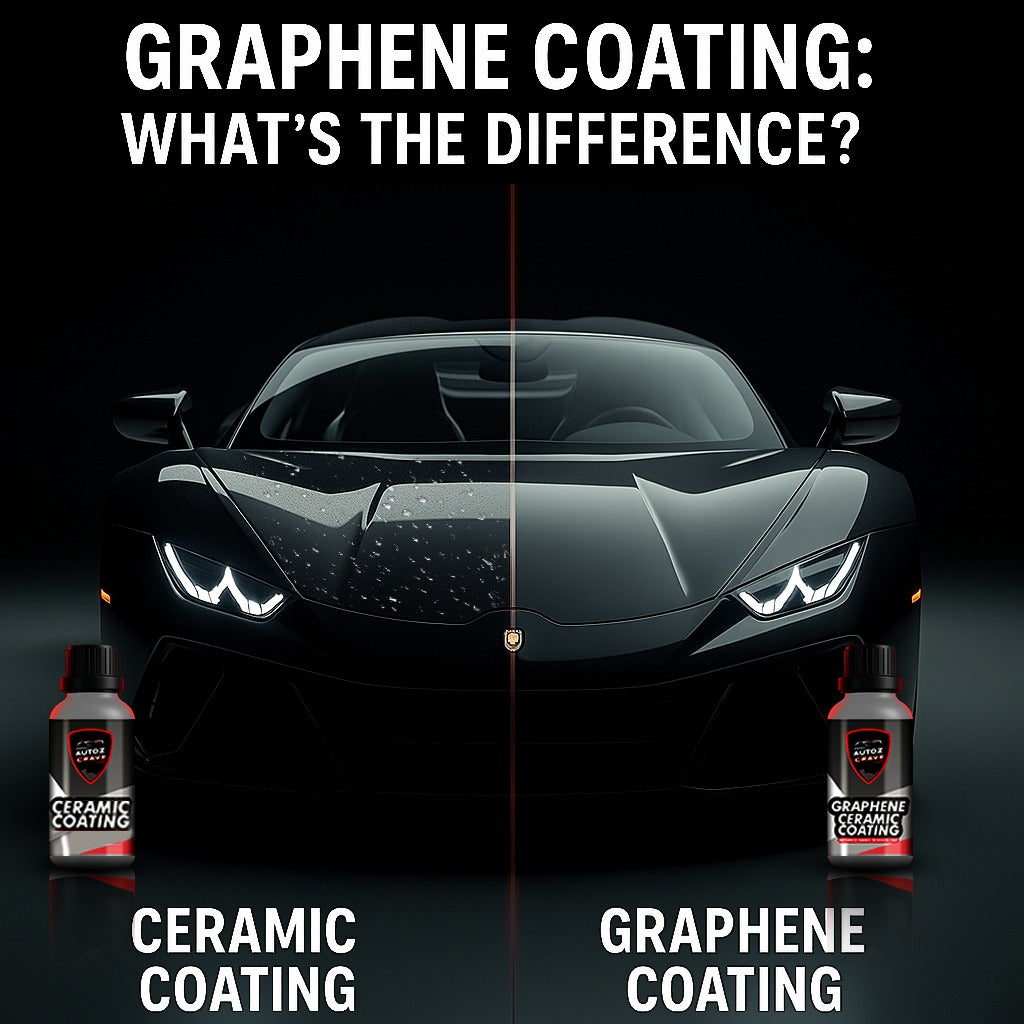
Credit: 32autostore.com
Frequently Asked Questions
What Are The Disadvantages Of Graphene Car Coating?
Graphene car coating costs more than traditional options. It faces production challenges and quality inconsistencies. Some health and environmental concerns exist due to potential toxicity and oxidative effects.
What Are The Downsides To Using Graphene?
Graphene’s downsides include high production costs, difficulty scaling defect-free material, lack of a band gap, and potential health risks from sharp edges and oxidative stress.
How Long Does Graphene Coating Last?
Graphene coating typically lasts 2 to 5 years, depending on application quality and maintenance. Proper care extends its durability and protection.
How Often Should You Wash Your Car With Graphene?
Wash your car with graphene coating every 2 to 4 weeks to maintain its protective properties and shine. Avoid harsh detergents to preserve the coating’s durability. Regular gentle washing helps extend graphene’s effectiveness and keeps your car looking clean and glossy longer.
Conclusion
Choosing between graphene and ceramic coatings depends on your needs. Graphene offers excellent heat resistance and durability. Ceramic coatings provide strong protection and a glossy finish. Both protect your vehicle’s paint from damage and dirt. Consider your budget and how long you want the protection to last.
Maintenance needs vary for each type of coating. Weigh the pros and cons carefully before deciding. This helps keep your car looking great for years.