Have you ever been stuck with a car that just won’t start? Your car battery might be the culprit.
But how long do car batteries actually last before they leave you stranded? Knowing the lifespan of your battery can save you from unexpected breakdowns and costly repairs. You’ll discover the typical battery lifespan, key signs that your battery is failing, and simple tips to keep it healthy.
Keep reading to make sure your car starts smoothly every time you turn the key.
Car Battery Lifespan
Understanding the lifespan of a car battery is important for every vehicle owner. A car battery powers your vehicle’s electrical system and helps start the engine. Knowing how long a battery lasts helps you avoid unexpected breakdowns. It also guides you on when to replace the battery for smooth car operation.
Average Battery Life
Most car batteries last between three to five years. The exact time varies by usage and climate. Batteries in hot areas often wear out faster. Cold weather can also reduce battery performance. Regular driving and maintenance can extend battery life closer to five years.
Factors Affecting Battery Life
Heat is the main factor that shortens battery life. High temperatures cause faster chemical reactions inside the battery. Frequent short trips prevent the battery from fully charging. Leaving lights or electronics on drains the battery quickly. Corrosion on battery terminals can block power flow. Proper care and regular checks help avoid these problems.
Battery Types And Durability
Lead-acid batteries are common and cost-effective but need more care. Absorbed Glass Mat (AGM) batteries last longer and handle vibration well. Gel cell batteries resist extreme temperatures better than others. Choosing the right battery type improves durability. Always check your car’s manual for the recommended battery type.
Credit: www.mychoice.ca
Signs Of A Failing Battery
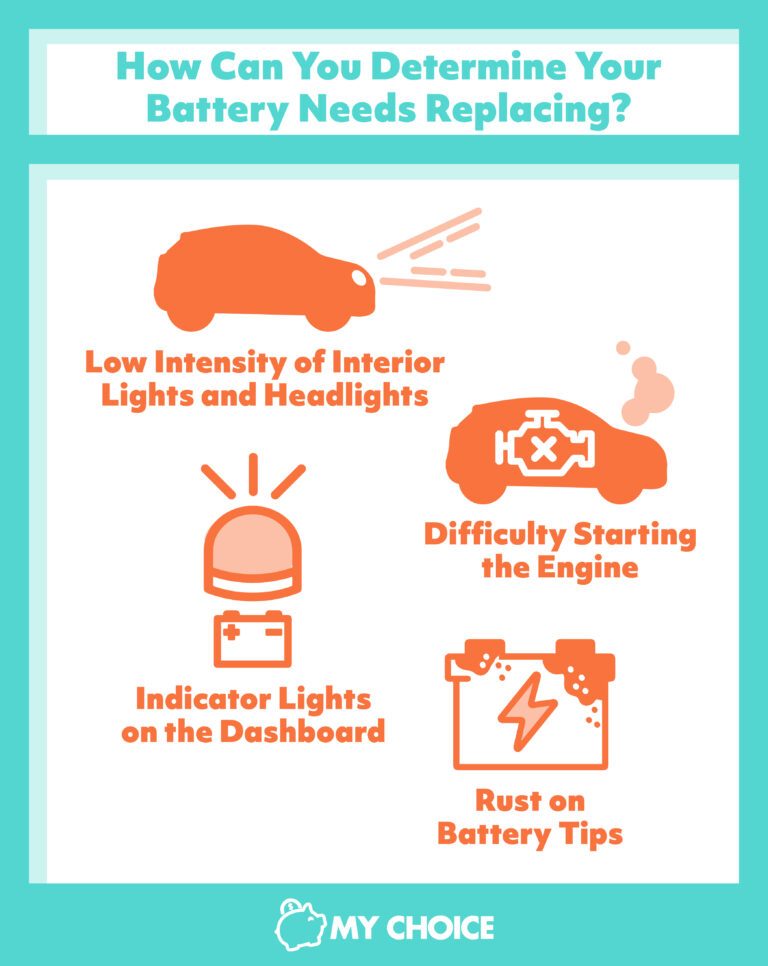
Recognizing the signs of a failing car battery helps prevent unexpected breakdowns. Batteries wear out over time, losing their ability to hold a charge. Early detection lets you replace the battery before it leaves you stranded. Watch for these common symptoms indicating your battery is weakening.
Slow Engine Crank
Your engine may take longer to start or sound weak. This slow crank means the battery can’t supply enough power. It often worsens in cold weather. Struggling to start the car is a clear warning sign.
Dim Or Flickering Lights
Headlights and dashboard lights may appear dimmer than usual. Flickering lights also indicate low battery voltage. This happens because the battery can no longer support electrical loads properly.
Frequent Jump-starts
Needing to jump-start your car often means the battery fails to hold a charge. Each jump-start weakens the battery further. Frequent jump-starts show the battery is near the end of its life.
Dashboard Warning Lights
The battery warning light on your dashboard signals a charging issue. It may glow or flash while driving. Ignoring this alert risks complete battery failure and car breakdown.
Electrical System Issues
Electrical features like power windows, radio, or infotainment may act strangely. Slower operation or sudden malfunctions can stem from a weak battery. These issues often occur alongside other battery problems.
Unusual Battery Smells
A rotten egg or sulfur smell near the battery indicates leakage or damage. This odor comes from leaking acid inside the battery. It is a sign to check the battery immediately for safety.
Corrosion And Swelling
Corroded battery terminals appear as white or blue powder. Swollen or bloated battery cases show internal damage. Both conditions reduce battery efficiency and suggest replacement is needed.
Testing Battery Health
Testing your car battery’s health is key to avoiding unexpected breakdowns. Simple checks can reveal if the battery still holds a good charge. Knowing how to test your battery saves time and money. Here are some common ways to test battery health effectively.
Using A Multimeter
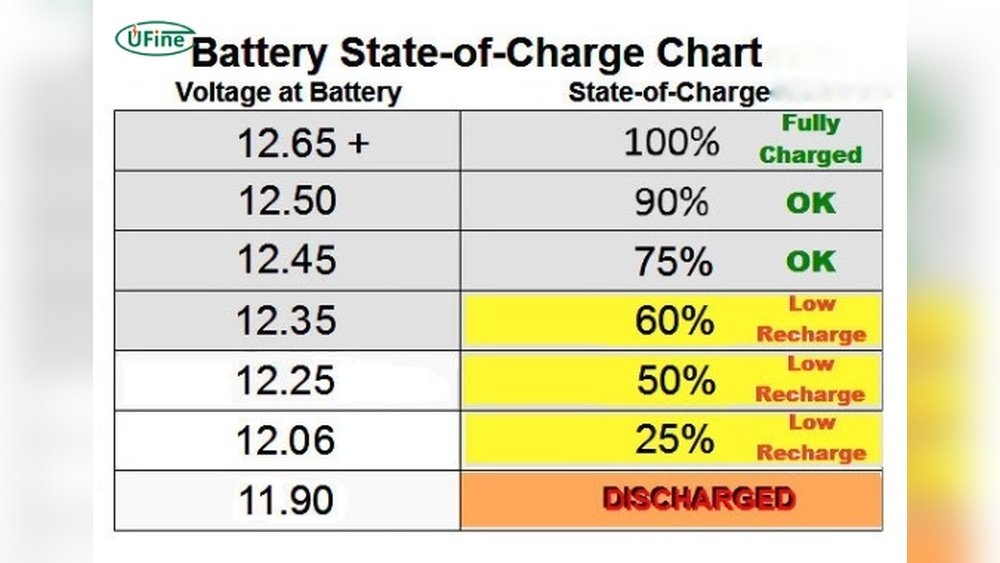
A multimeter measures the battery’s voltage quickly and easily. Set the multimeter to DC voltage mode. Connect the red probe to the positive terminal and black to the negative terminal. A healthy battery shows about 12.6 volts or higher when the car is off. Anything below 12.4 volts means the battery might be weak or discharged.
Check voltage after the car has been off for a few hours. This gives a true resting voltage. Multimeter testing is simple and can detect basic battery issues early.
Load Testing
Load testing checks the battery’s ability to hold voltage under pressure. It simulates the demand the battery faces when starting the engine. You can use a load tester or take the battery to a shop for this test. The tester applies a load for about 10 to 15 seconds. Voltage should stay above 9.6 volts during the test.
If voltage drops below that, the battery may fail soon. Load testing is more accurate than just measuring voltage. It reveals hidden weaknesses that cause starting problems.
Professional Battery Checks
Auto shops offer professional battery testing using advanced tools. These tests measure charge capacity, cold cranking amps, and overall condition. They also inspect battery terminals and cables for corrosion or damage. Professionals can spot issues that simple tests miss.
Getting a professional battery check before extreme weather helps avoid surprises. It also provides peace of mind knowing your battery is reliable. Regular professional checks extend battery life and improve car performance.

Credit: www.toyotaoforlando.com
Extending Battery Life
Extending the life of your car battery saves money and avoids unexpected breakdowns. Simple habits and care can keep the battery healthy longer. Most batteries last three to five years, but careful attention can stretch that time. Below are key tips to help your battery stay strong and reliable.
Proper Maintenance Tips
Check your battery regularly for signs of wear or damage. Tighten loose connections to ensure good contact. Test the battery voltage often, especially before extreme weather seasons. Replace old batteries before they fail completely. Avoid letting the battery drain fully as it shortens battery life.
Avoiding Extreme Temperatures
Heat and cold both harm car batteries. Park your car in shaded or covered areas during hot days. In winter, try to keep the vehicle in a garage or sheltered spot. Extreme heat speeds up battery fluid evaporation, reducing battery power. Cold weather makes the battery work harder to start the engine.
Regular Driving Habits
Drive your car regularly to keep the battery charged. Short trips do not allow full charging, which wears the battery faster. Longer drives help recharge and maintain battery strength. Avoid leaving lights or electronics on when the engine is off. Frequent jump-starts damage the battery and should be avoided.
Keeping Terminals Clean
Clean battery terminals remove corrosion and improve connection. Use a mixture of baking soda and water to scrub terminals gently. Rinse with water and dry thoroughly before reconnecting. Apply a thin layer of petroleum jelly to prevent future corrosion. Regular terminal cleaning helps maintain strong battery performance.
Replacing Your Car Battery
Replacing your car battery is essential to keep your vehicle running smoothly. Knowing when and how to replace it can save time and money. This process is straightforward if you follow the right steps. Proper replacement ensures your car starts reliably every day.
When To Replace
Replace your battery if the engine cranks slowly or struggles to start. Frequent jump-starts also signal a weak battery. Look for dim headlights or flickering dashboard lights. A battery warning light on the dash means it needs attention. Physical signs like corrosion or swelling show it’s time to change the battery. Most car batteries last between 3 to 5 years. Old batteries lose power and affect your car’s performance.
Choosing The Right Battery
Select a battery that fits your car’s make and model. Check the size, terminal type, and power rating before buying. Opt for batteries with good cold cranking amps (CCA) for better starting power. Consider brands with solid warranties for peace of mind. Choosing the right battery improves your car’s reliability and lifespan.
Installation Tips
Turn off the engine before starting the replacement. Disconnect the negative terminal first to avoid short circuits. Remove the old battery carefully and clean the terminals. Place the new battery securely and reconnect the terminals, positive first. Tighten the clamps to avoid loose connections. Dispose of the old battery properly at a recycling center. After installation, start the engine to check if everything works well.
Battery Options For Different Vehicles
Choosing the right car battery is important for your vehicle’s performance and longevity. Different vehicles need different types of batteries. Batteries vary by size, power, and technology. Understanding the options helps you pick the best fit for your car.
Standard Batteries
Standard batteries are the most common type. They work well for many everyday cars. These batteries use lead-acid technology. They offer reliable power for regular driving needs. Standard batteries are affordable and easy to replace. They usually last about three to five years.
Premium And Specialty Batteries
Premium batteries provide longer life and better performance. They often use advanced materials and designs. Specialty batteries fit vehicles with higher electrical demands. These include cars with start-stop systems or heavy accessories. Premium options resist corrosion and extreme temperatures better. They cost more but can save money over time.
Batteries For Luxury Cars
Luxury cars require high-quality batteries with precise specs. These vehicles have complex electrical systems. Batteries must support advanced electronics and safety features. Many luxury car batteries use Absorbent Glass Mat (AGM) technology. AGM batteries last longer and recharge faster than standard ones. Choosing the right battery helps maintain luxury car performance.

Credit: www.clutch.ca
Frequently Asked Questions
How Do I Tell If My Car Needs A New Battery?
A car needs a new battery if the engine cranks slowly, headlights dim, jump-starts increase, or dashboard battery light appears. Corroded terminals, a swollen case, or a rotten egg smell also indicate replacement. Batteries usually last three to five years.
What Is The Life Expectancy Of A Car Battery?
Car batteries typically last between three to five years. Regular checks help ensure reliable performance and timely replacement.
Is $300 Too Much For A Car Battery?
A $300 car battery can be expensive but is reasonable for high-quality or specialty batteries. Standard batteries usually cost less. Price depends on brand, type, and vehicle requirements. Always compare warranties and features before buying to ensure value for money.
What Kills Car Batteries Quickly?
Leaving lights or electronics on, extreme temperatures, frequent short trips, old age, and corroded terminals drain car batteries quickly.
Conclusion
Car batteries usually last between three and five years. Regular checks help spot problems early. Watch for slow starts, dim lights, or warning signs. Keep terminals clean and dry to extend battery life. Extreme weather can shorten how long batteries work.
Replace your battery promptly to avoid being stranded. Proper care saves money and keeps your car reliable. Stay alert to your battery’s condition for safe driving.