Wondering how long an alignment takes and what’s involved? Whether you just want to get back on the road quickly or you’re curious about why your car’s handling feels off, knowing the time it takes can help you plan better.
Alignments aren’t always straightforward—they can be quick fixes or more detailed jobs depending on your vehicle and its condition. You’ll discover what affects the length of an alignment, what to expect when you bring your car in, and how to spot if an alignment is taking longer than it should.
Keep reading to make sure your next visit is smooth and stress-free.
Alignment Timeframes
Understanding the time needed for a wheel alignment helps plan your visit. Alignment time varies by the type of service and vehicle condition. Simple adjustments take less time than full, detailed alignments. Some vehicles need extra care, which extends the process. Below are common alignment timeframes to expect.
Quick Adjustments
Quick adjustments usually take about 15 to 30 minutes. They fix small issues like minor toe or camber misalignment. This service suits cars with slight drifting or uneven tire wear. Technicians adjust only one or two parts, such as tie rods. Shops with advanced laser systems speed up this process.
Standard Alignments
Standard alignments typically last between 30 and 60 minutes. This service covers all four wheels and checks the full suspension. The technician measures angles and makes precise adjustments for better handling. Standard alignments improve tire life and driving safety. Most passenger cars fall into this category.
Extended Procedures
Extended procedures can take 60 minutes or more. These happen when parts are worn or damaged and need repair or replacement. Complex vehicles with advanced suspensions also require extra time. Waiting for lifts, technician skill, and paperwork can add to the duration. Extended alignments ensure complete correction and vehicle safety.

Credit: goodcar.com
Factors Affecting Duration
Several factors influence how long a wheel alignment takes. These factors affect the time needed to adjust your vehicle’s suspension and steering angles accurately. Understanding these helps set realistic expectations before you visit the shop.
Vehicle Complexity
Simple cars with basic suspension systems take less time for alignment. Complex vehicles, such as luxury or performance cars, require more detailed adjustments. These vehicles have multiple adjustable points and advanced systems. Aligning them demands precision and additional time.
Condition Of Suspension Parts
Worn or damaged suspension parts extend alignment time. Rusted ball joints, control arms, or bushings may need replacement first. The technician must inspect and fix these issues before aligning wheels. This extra work adds to the total service duration.
Shop Equipment And Experience
Shops with modern alignment machines perform the job faster. Laser or digital systems speed up measurements and adjustments. Experienced technicians work more efficiently and accurately. In contrast, older equipment or less skilled staff may increase the time needed.
Types Of Alignments
Vehicle alignment ensures your tires wear evenly and your car drives straight. Different types of alignments exist. Each type targets specific parts of the suspension and wheels. Knowing these helps understand how long the process takes. Here are the main types of alignments.
Two-wheel Alignment
This alignment adjusts only the front wheels. It is common for front-wheel-drive cars. The technician sets the camber and toe angles of the front tires. Two-wheel alignment is quicker and usually takes about 30 minutes. It is less expensive but only works if the rear wheels are properly aligned.
Four-wheel Alignment
This alignment adjusts all four wheels, front and rear. It suits vehicles with independent rear suspensions or all-wheel drive. The process is more detailed because it corrects rear wheel angles too. Four-wheel alignment takes longer, often 45 to 60 minutes. It improves handling and tire life better than two-wheel alignment.
Performance Vehicle Alignment
High-performance cars need special alignment settings. Technicians focus on precise angles for better grip and handling. This alignment may include camber, caster, and toe adjustments. It requires more time and skill, usually 60 minutes or more. The goal is to enhance driving performance on roads or tracks.
Common Delays
Delays during a wheel alignment are common and can extend the total time needed. These delays often result from mechanical issues or procedural hold-ups. Understanding these common delays helps set realistic expectations for your service appointment.
Rust And Seized Components
Rust can make bolts and parts hard to move or remove. Seized components slow down the alignment process. Technicians may need extra time to loosen these parts safely. Rusty parts can also hide deeper damage that requires attention.
Parts Replacement Needs
Sometimes, worn or damaged parts must be replaced before alignment. This includes ball joints, tie rods, or control arms. Replacing parts takes more time than a standard alignment. Waiting for new parts can also add to the delay.
Administrative And Waiting Time
Scheduling, check-in, and paperwork add to the total time spent at the shop. Waiting for a technician or available lift can cause extra hold-ups. Some shops handle many customers, which may increase waiting periods. These factors affect how long the entire process takes.
Technology’s Role
Technology plays a key role in reducing the time needed for vehicle alignments. Modern tools and systems make the process faster and more accurate. These advances help technicians spot issues quickly and make precise adjustments. The result is a smoother, safer ride without long waits.
Laser Alignment Systems
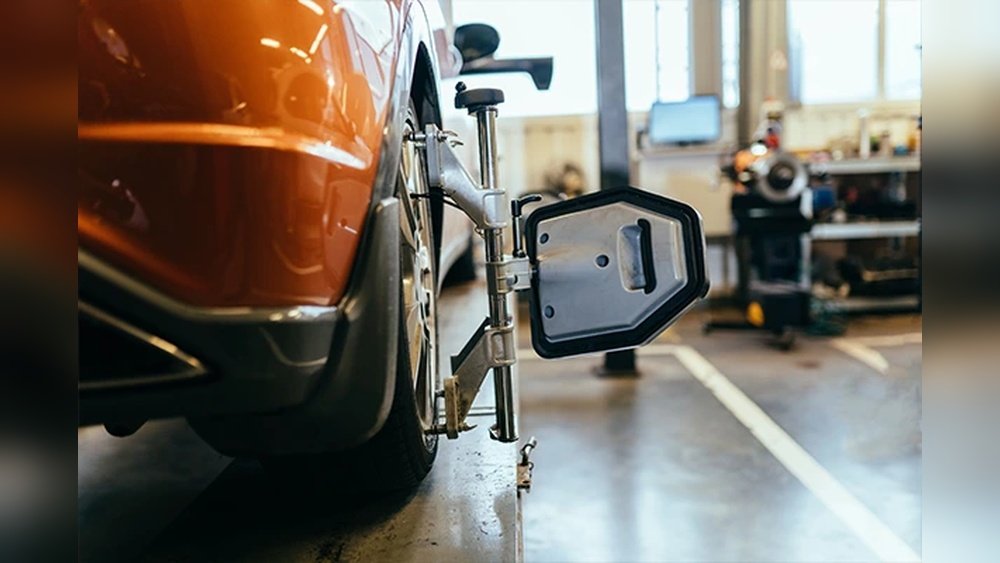
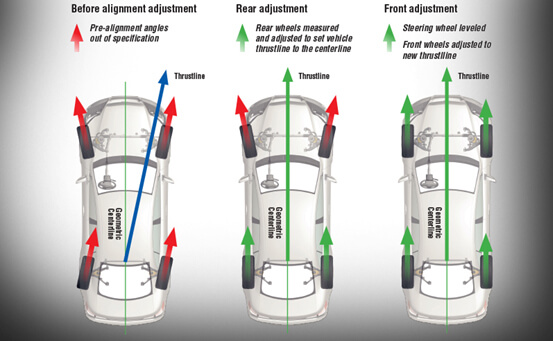
Laser alignment systems use beams to measure wheel angles precisely. They replace older, manual methods that took much longer. The laser targets attach quickly to each wheel. Sensors then scan the angles in real time. This technology speeds up the process and improves accuracy. It helps ensure all wheels align perfectly in less time.
Express Alignment Services
Some shops offer express alignment services for quick fixes. These services focus on simple adjustments that take less than an hour. They use advanced tools to speed up measurements and corrections. Express alignments work well for minor issues like slight toe or camber changes. Customers save time without compromising safety or quality.
Credit: www.dunloptyres.co.za
When To Schedule
Knowing the right time to schedule a wheel alignment helps keep your vehicle safe and efficient. Alignments adjust your tires to the manufacturer’s specifications. This prevents uneven tire wear and improves handling. Proper timing avoids bigger repair costs and extends tire life.
Regular checks are important because driving conditions affect alignment. Potholes, curbs, and rough roads can knock your wheels out of place. Scheduling alignments at the right time keeps your ride smooth and your tires lasting longer.
Frequency Recommendations
Most experts suggest an alignment every 12,000 to 15,000 miles. Some drivers may need it more often if they drive on rough roads. New tires usually require an alignment for best performance. Getting an alignment during major services, like oil changes, can be convenient.
Always check your vehicle’s manual for the manufacturer’s recommendation. Some cars need alignments more often due to their design or suspension type. Regular maintenance helps catch alignment issues early before they cause damage.
Signs Your Car Needs Alignment
Your car shows clear signs when it needs an alignment. One common sign is the steering wheel pulling to one side. Uneven or rapid tire wear also signals alignment problems. You may notice the steering wheel is off-center when driving straight.
Other signs include vibrations in the steering or a loose steering feel. If you hit a pothole or curb hard, it’s smart to check alignment soon. Prompt action keeps your car safe and prevents costly repairs later.
What To Expect During Service
Understanding what happens during an alignment helps you know how long it takes. The process has clear steps that the technician follows to ensure your car drives smoothly. Each step is important for safety and tire health.
Initial Inspection
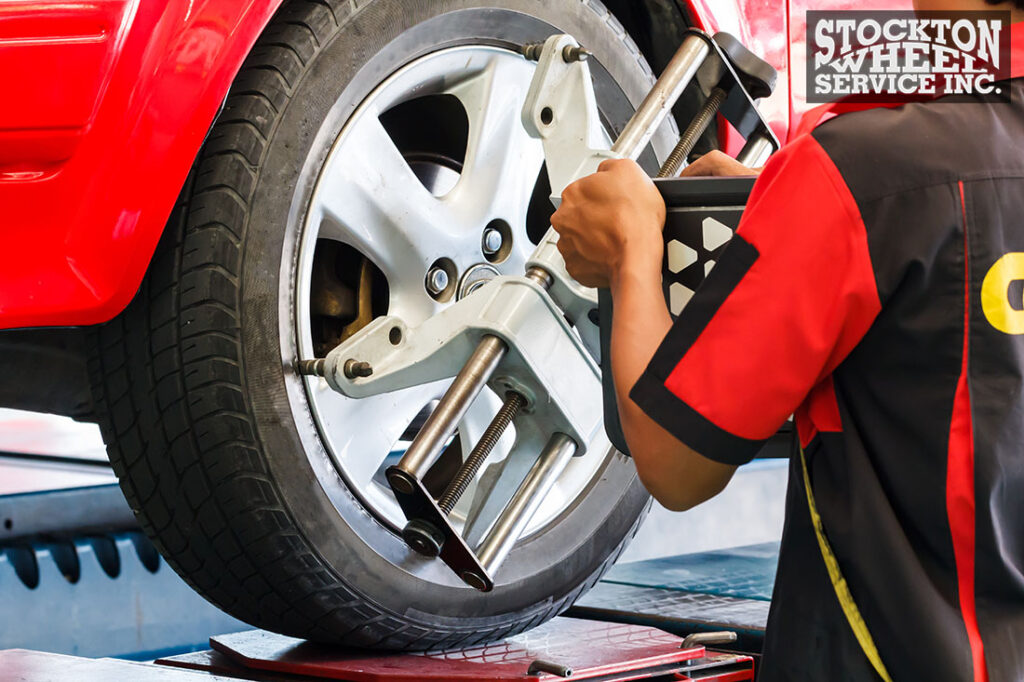
The technician checks your tires and suspension first. They look for uneven wear or damaged parts. This step identifies any issues that could affect the alignment. The mechanic also measures the current wheel angles. This gives a starting point for adjustments.
Adjustment Process
Next, the technician adjusts the wheels to the correct angles. They use special tools or computerized systems. These tools help align the camber, caster, and toe settings. The process may take longer if parts need repair or replacement. Usually, small adjustments take less time.
Post-alignment Testing
After adjustments, the car is tested on a lift or road. This confirms the wheels are aligned properly. The technician may recheck the measurements. A final test drive ensures the car handles well and drives straight. This step ensures the alignment was successful.
Credit: www.dangerfieldsofshakopee.com
Avoiding Too Quick Alignments
Getting a wheel alignment done too quickly can cause problems. Proper alignment takes time and care. Rushing through it might save minutes but risks long-term issues. Avoiding too quick alignments protects your vehicle and driving safety.
Risks Of Rushed Jobs
Fast alignments often miss small but important details. Misaligned wheels can cause uneven tire wear. This shortens tire life and wastes money. Poor alignment affects vehicle handling and braking. It may lead to unsafe driving conditions. Rushed jobs might overlook worn parts that need fixing. This causes recurring problems and more visits to the shop. Quality checks get skipped to save time. This increases the chance of errors and damage.
Ensuring Quality
Good alignment takes careful measurements and adjustments. Technicians need time to inspect suspension and steering parts. They use precise tools to align wheels correctly. Some shops use advanced laser systems for accuracy. Skilled mechanics adjust each wheel to factory settings. Proper alignment improves fuel efficiency and tire life. It also ensures smooth and safe driving. Taking time during alignment means fewer problems later. Always choose quality over speed for better results.
Conclusion
An alignment usually takes about 30 to 90 minutes. Simple adjustments are quicker to complete. Complex vehicles or worn parts need more time. Waiting for a technician or equipment can add delays. Getting an alignment helps your car drive better and saves tire wear.
Plan ahead to avoid long waits at the shop. Regular checks keep your vehicle safe and smooth on the road. Don’t rush the process; accuracy matters for proper wheel alignment.