You’ve just given your car that fresh, glossy shine with a layer of wax. It looks amazing, but now you’re probably wondering: how long will this shine actually last?
You want to protect your car’s paint and keep it looking new for as long as possible, but it can be tricky to know when to reapply wax. The answer isn’t the same for every car or every driver—it depends on the type of wax you used, the weather where you live, and how often you hit the road.
Keep reading, and you’ll discover exactly how long car wax lasts, what affects its durability, and simple tips to make your car shine longer. You’ll never have to guess when to wax again!
Credit: www.chemicalguys.com
Wax Durability
Wax durability is a key factor in deciding how often to apply car wax. It determines how long your car’s paint stays protected and shiny. Understanding what affects wax durability helps you keep your vehicle looking its best for longer.
Different waxes last for different times. The quality of the wax and the environment your car faces play big roles. Let’s explore these factors in detail.
Typical Lifespan
Most car waxes last between one to three months. Some synthetic waxes may last up to six months. Natural waxes usually wear off faster, around four to eight weeks. Regular waxing keeps your car’s surface shielded from dirt and damage. The lifespan depends on how often you wash and drive your car too.
Impact Of Wax Quality
Higher quality waxes contain better ingredients. These protect paint more effectively and for longer periods. Cheaper waxes often lack durability and fade quickly. Premium waxes form a stronger barrier against water, dust, and UV rays. Investing in good wax means less frequent applications and better shine.
Environmental Effects
Sunlight, rain, and pollution break down wax faster. Heat from the sun softens wax, causing it to wear off. Acid rain and bird droppings can damage the wax layer. Dust and road salt also reduce wax life. Cars parked in shade or indoors keep wax longer. Washing your car gently helps maintain the wax finish.
Credit: avalonking.com
Wax Frequency
Wax frequency is essential to keep your car’s paint shiny and protected. Regular waxing creates a barrier against dirt, sun, and moisture. Knowing how often to wax helps maintain your car’s look and value. The right schedule depends on several factors. Understanding these can save you time and money.
Recommended Intervals
Most experts suggest waxing your car every three to six months. This range fits most weather conditions and wax types. Some premium waxes last up to three months. Synthetic waxes or sealants may protect longer, sometimes up to six months. For best results, check the product instructions. Adjust based on your car’s exposure and use.
Factors Influencing Frequency
Climate plays a big role in how often you wax. Hot sun and heavy rain wear down wax faster. Cars driven on rough or salty roads need more frequent waxing. Garage-kept vehicles may require waxing less often. The type of wax also matters. Natural carnauba wax usually needs more frequent application. Synthetic waxes or paint sealants last longer and need less frequent care.
Signs To Reapply
Look for dullness or water spots on your car’s surface. When water stops beading and forms flat patches, wax is wearing off. Feel the paint; if it feels rough or dry, it’s time to wax again. Dirt that sticks easily also means the wax layer is thin. Regular checks help catch these signs early. Waxing at the right time keeps your car looking fresh and protected.
Types Of Car Wax
Car wax comes in various forms and formulas. Each type offers different benefits and protection levels. Choosing the right wax depends on your needs and how often you want to wax your car.
Understanding the types helps you pick the best option for your vehicle’s shine and shield.
Natural Vs Synthetic
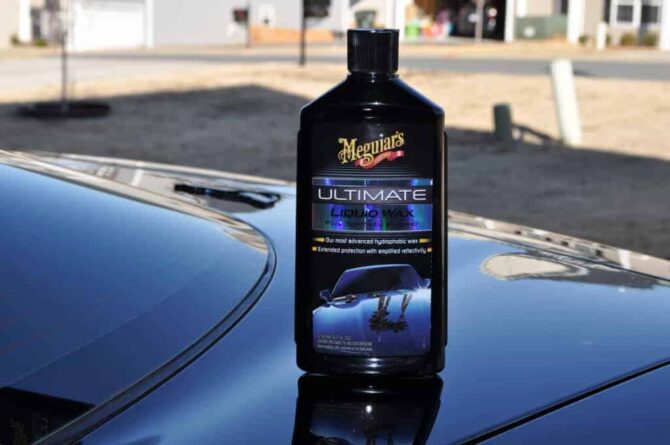
Natural wax usually contains carnauba, a plant-based ingredient. It gives a deep, warm shine and good protection. Synthetic waxes use chemical compounds. They often last longer and resist weather better.
Natural wax looks great but may need more frequent application. Synthetic wax is easier to apply and stays longer but may not give the same rich glow.
Paste, Liquid, And Spray Variants
Paste wax is thick and solid. It takes more time to apply but offers durable protection. Liquid wax is easier to spread and dries faster. It suits quick jobs and regular use.
Spray wax is the fastest to use. It provides a light layer of shine and protection. Spray wax works well for touch-ups between full wax sessions.
Pros And Cons
Paste wax lasts the longest and creates a strong barrier. It needs effort and time for application. Liquid wax balances ease and durability. It may not last as long as paste.
Spray wax is fast and simple but wears off quickly. Natural wax shines beautifully but requires more upkeep. Synthetic wax is low maintenance and weather resistant but may lack depth in shine.
Environmental Factors
Environmental factors play a big role in how long car wax lasts. The wax faces many challenges from nature. These conditions can wear down the wax faster than usual. Understanding these factors helps in keeping your car shiny longer.
Sunlight And Uv Exposure
Sunlight contains UV rays that break down car wax. These rays cause the wax to fade and lose its shine. Constant exposure to strong sunlight makes the wax dry out. This reduces its ability to protect the paint beneath.
Cars parked under shade or indoors keep their wax longer. Using wax with UV protection can slow down damage from sunlight.
Rain And Snow Effects
Rain can wash away some of the wax layer on your car. Acidic rain damages the wax and the paint too. Snow brings moisture that seeps into tiny cracks in the wax. When snow melts, it can leave dirty water behind, affecting wax durability.
Regular waxing after wet seasons helps maintain protection. Drying the car thoroughly after rain or snow also helps.
Road Salt And Debris
Road salt used in winter speeds up wax wear. Salt is corrosive and breaks down the protective layer. Small debris and dirt on roads scratch the wax surface. These scratches reduce wax effectiveness and make it easier to wear off.
Washing the car often removes salt and dirt. This action protects the wax and keeps it lasting longer.
Car Usage & Storage
How long car wax lasts depends a lot on how you use and store your vehicle. The environment your car faces daily changes the wax’s durability. Proper storage and mindful driving can extend the wax’s protective layer. Understanding these factors helps keep your car shiny longer.
Daily Driving Vs Garage Storage
Cars kept in garages enjoy longer wax protection. They avoid harsh sunlight and rain, which break down wax faster. Daily drivers face more dirt, dust, and weather changes. These reduce wax life to just a few weeks. Garage storage slows wax wear and tear.
Effect Of Driving Conditions
Rough roads and heavy traffic cause faster wax wear. Dirt, salt, and debris chip away at the wax layer. High-speed driving increases wind and dust contact. Stop-and-go traffic traps grime on the paint. Calm, clean roads help wax last longer.
Impact Of Washing Methods
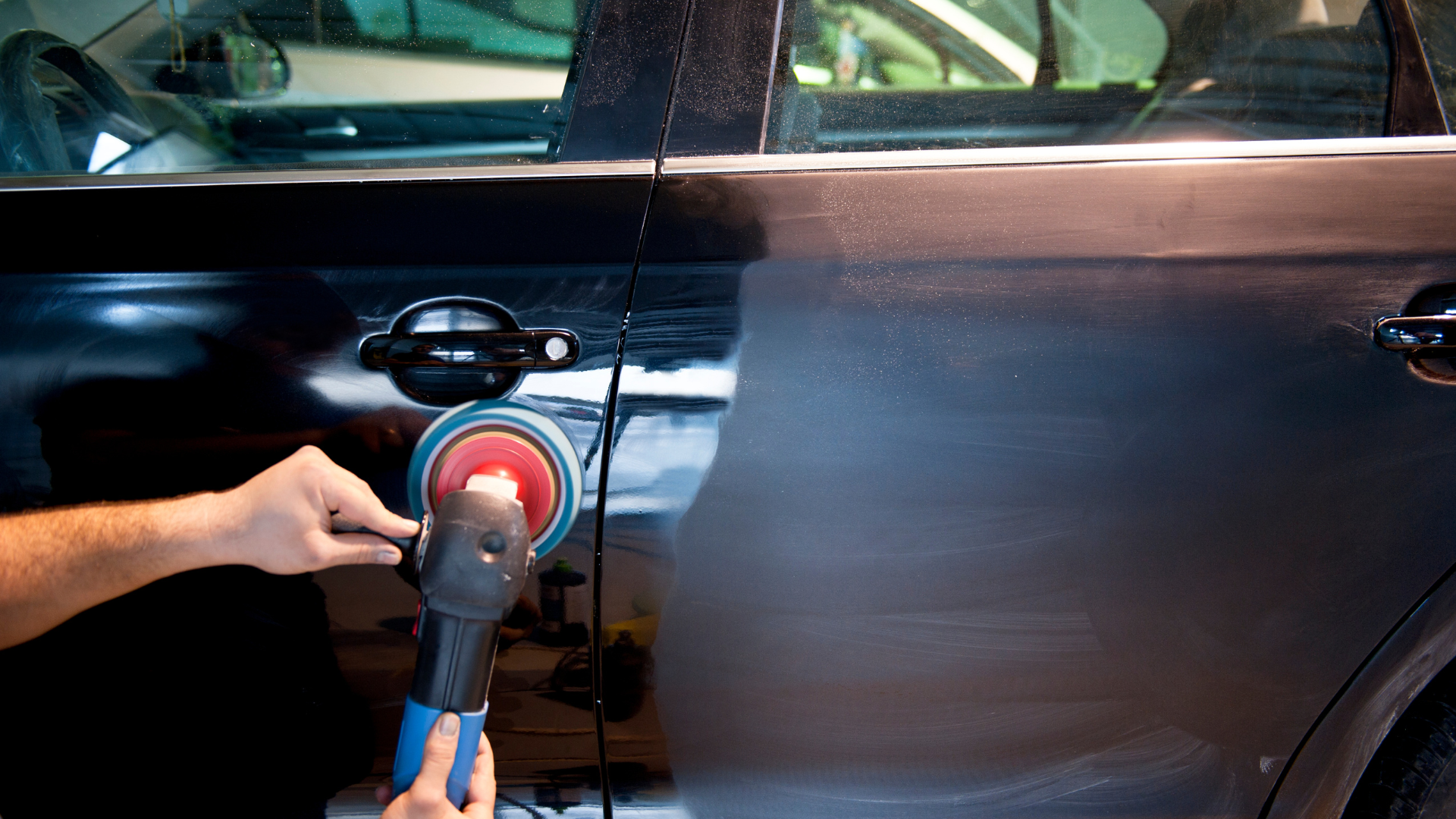
Washing your car correctly saves wax protection. Harsh brushes and strong chemicals strip wax quickly. Use soft cloths or sponges and gentle soap. Avoid automatic car washes with rough brushes. Hand washing with care keeps wax intact longer.
Credit: rocketcarwash.com
Wax Application Tips
Applying car wax correctly helps extend its protection and shine. Follow simple steps for best results. Proper wax application boosts durability and enhances your car’s look. Attention to detail matters from start to finish. Here are key tips to apply wax effectively.
Surface Preparation
Clean your car thoroughly before waxing. Use soap and water to remove dirt and grime. Dry the surface completely with a soft towel. Avoid waxing over dust or debris to prevent scratches. Check for any paint damage and fix if needed. A smooth, clean surface helps wax stick better.
Proper Application Techniques
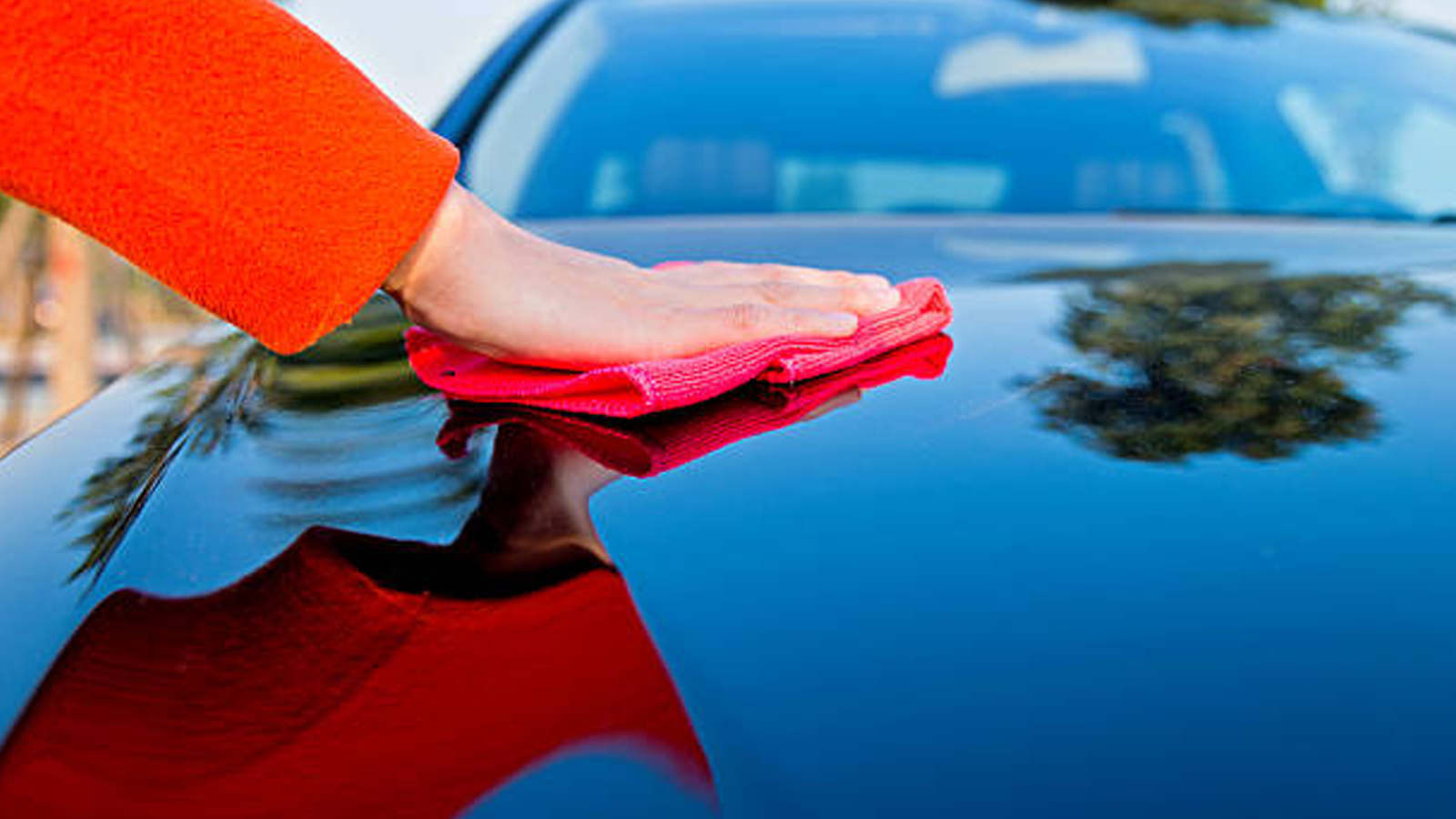
Apply wax in small sections for even coverage. Use a soft foam applicator or microfiber cloth. Spread wax in circular motions or straight lines, following product instructions. Avoid applying too much wax at once. Thin layers dry faster and buff easier. Work in shade to stop wax from drying too fast.
Curing And Buffing
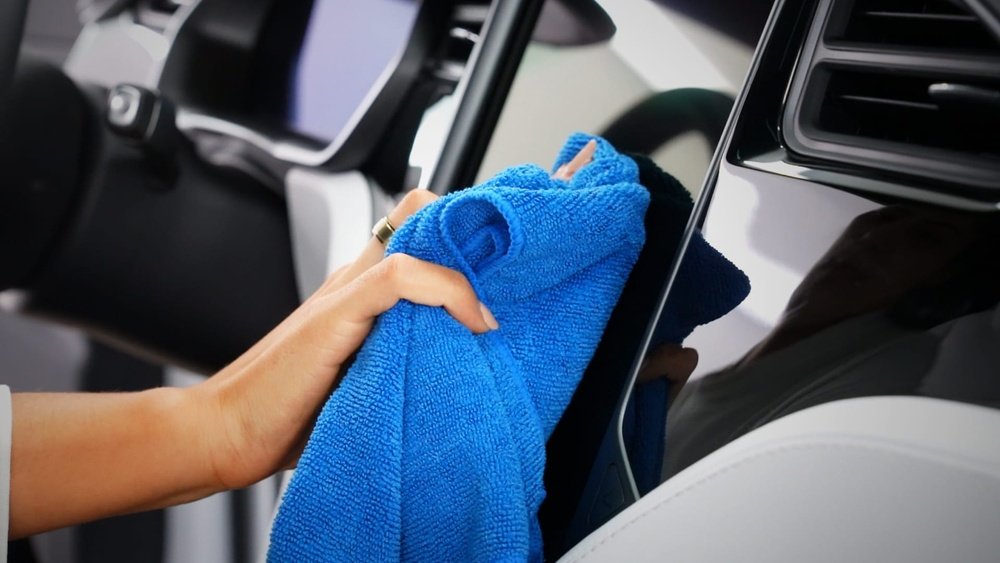
Let the wax dry until it looks hazy or matte. This usually takes 5 to 15 minutes depending on the wax. Do not let wax fully harden or stay wet too long. Use a clean microfiber cloth to buff off wax gently. Buffing reveals a shiny, smooth finish and removes residue. Regular gentle buffing helps maintain protection and gloss.
Maintaining Wax Protection
Maintaining wax protection on your car is key to preserving its shine and paint. Proper care extends the life of the wax and keeps your vehicle looking fresh. Simple habits can help keep the wax layer strong against weather and dirt.
Gentle Cleaning Practices
Use soft cloths or sponges to wash your car. Avoid brushes with hard bristles that can scratch the wax. Clean your car regularly to remove dirt and dust. Rinse thoroughly to prevent residue buildup. Gentle washing protects the wax and paint underneath.
Avoiding Harsh Chemicals
Steer clear of strong detergents or solvents. These chemicals can strip away the wax layer quickly. Use pH-balanced car shampoos made for waxed surfaces. Avoid products with ammonia or bleach. Keeping chemicals mild ensures wax lasts longer on your car.
Touch-up Strategies
Apply a thin layer of wax every few weeks to refresh protection. Spot wax areas that show wear or water spots. Use quick detailers designed for wax maintenance. Touch-ups help maintain the smooth, glossy finish. Regular attention keeps your car’s surface well protected.
Alternatives For Protection
Car wax offers good shine and some protection, but it wears off quickly. Many car owners want longer-lasting solutions to keep their vehicles looking new. Several alternatives provide stronger and longer protection than traditional wax. These options use advanced materials to shield your car’s paint from damage and dirt. Understanding these alternatives helps you choose the right protection for your car.
Ceramic Coatings
Ceramic coatings create a hard, transparent layer on your car’s surface. This layer bonds with the paint, offering strong protection against scratches and chemicals. It lasts much longer than wax, often several years. Ceramic coatings repel water and dirt, making cleaning easier. They maintain a glossy finish for an extended time. Applying ceramic coatings requires skill and proper preparation.
Graphene Films
Graphene films are a newer technology for car protection. They use a thin sheet of graphene, a very strong and light material. This film protects against scratches, UV rays, and chemical stains. Graphene films also help keep the car cooler by reducing heat absorption. They last longer than most waxes and sealants. Installation is usually done by professionals for best results.
Sealants And Paint Protection
Sealants are synthetic products designed to protect your car’s paint. They form a protective layer that lasts longer than wax, typically up to six months. Sealants provide good shine and resist water and dirt. Paint protection films are clear, thick layers that cover the car’s surface. These films protect from rock chips and scratches. Both sealants and paint protection films offer solid defense for your car’s finish.
Common Waxing Mistakes
Car waxing helps protect your vehicle’s paint and keep it shiny. Many people do not get the full benefits because of common waxing mistakes. These errors reduce wax life and damage your car’s finish. Knowing what to avoid helps you keep your car looking great longer.
Over-waxing
Applying wax too often can harm your car’s paint. Wax layers build up and become dull. Over-waxing wastes product and time. Stick to waxing every three to six months for best results.
Ignoring Environmental Factors
Sunlight, rain, and dirt wear down wax quickly. Parking under trees can cause sap and bird droppings to damage wax. Washing your car regularly helps remove harmful debris. Protect your car by considering these outside elements.
Poor Application Methods
Using the wrong tools or technique reduces wax effectiveness. Applying wax on a hot surface causes streaks. Not removing wax completely leaves residue that dulls shine. Use a soft cloth and follow instructions carefully for even coverage.
Frequently Asked Questions
How Often Do You Need To Wax A Car?
Wax your car every three to six months to maintain protection and shine. Frequent exposure to sun and weather may require waxing more often. Use quality wax for longer-lasting results. Regular waxing preserves paint and prevents damage from environmental elements.
How Long Does Car Wax Last On Your Car?
Car wax typically lasts one to three months, depending on wax quality and environmental exposure. Wax every six to eight weeks for best protection.
What Are The Disadvantages Of Car Wax?
Car wax offers limited protection against deep scratches, stone chips, and harsh chemicals. It requires frequent reapplication, usually every few months. Waxing can be time-consuming and may not protect well in extreme weather. Some waxes may dull over time or attract dirt, reducing shine and effectiveness.
What Is The 48 Hour Rule For Waxing?
The 48-hour rule for waxing means avoiding heat, sweat, friction, sun, and harsh products for two days. This prevents irritation, infections, and ingrown hairs while allowing skin to heal properly.
Conclusion
Car wax usually lasts between one and three months. Its durability depends on wax type, weather, and driving habits. Waxing every two to three months keeps your car shiny and protected. Avoid harsh chemicals and extreme weather to extend wax life.
Regular waxing helps prevent paint damage and maintains your car’s look. Remember, no wax lasts forever, so plan routine care. Consistent waxing protects your car and keeps it looking fresh longer.