

Have you ever wondered how many volts your car battery actually has? Knowing this simple fact can save you from unexpected car troubles and help you understand when it’s time to replace or recharge your battery.
Whether your engine struggles to start or you’re just curious about your vehicle’s power source, understanding car battery voltage gives you a clear edge. You’ll discover the exact voltage of a standard car battery, how to test it easily, and what those numbers mean for your car’s health.
Ready to take control of your car’s power and avoid getting stranded? Let’s dive in.
Car Battery Voltage Basics
Understanding car battery voltage is key to knowing how your vehicle starts and runs. A car battery powers the electrical system and provides the energy to start the engine. This section explains basic voltage levels and their meanings. It helps you spot common battery types and their functions.
Standard Voltage Levels
Most car batteries have a voltage rating. The common voltage is 12 volts. This voltage fits most cars and light trucks. Some older or special vehicles use different voltages. Knowing the standard voltage helps in choosing the right battery.
12-volt Battery Explained
The 12-volt battery is made of six cells. Each cell produces about 2.1 volts. Together, they add up to 12.6 volts when fully charged. This battery type powers car lights, radio, and starter motor. It also supports the car’s computer systems. The 12-volt system is reliable and easy to replace.
Higher Voltage Systems
Some modern cars use higher voltage systems. Hybrid and electric vehicles often have 48 volts or more. Higher voltage improves efficiency and power delivery. It allows thinner wires and reduces energy loss. These systems handle heavier electrical loads and advanced features. They require special batteries and charging systems.
Battery Voltage And Performance
Battery voltage plays a key role in how well your car starts and runs. It shows the battery’s health and ability to deliver power. A steady voltage means the battery can support the vehicle’s electrical systems properly.
Voltage drops or irregular readings often signal problems. Knowing what voltage levels mean helps you spot issues early. This avoids unexpected breakdowns and costly repairs.
Healthy Battery Voltage Range
A healthy car battery usually has a voltage between 12.6 and 12.8 volts when the engine is off. This range means the battery is fully charged and ready to supply power.
While the engine runs, the voltage should rise to about 13.7 to 14.7 volts. This shows the alternator is charging the battery properly. Staying in these ranges keeps your car’s electrical system stable.
Signs Of Weak Battery Voltage
If the battery voltage drops below 12.4 volts, it may be weak or partially discharged. You might notice slow engine cranking or dim headlights.
Other signs include electrical accessories not working well or warning lights on the dashboard. These symptoms mean the battery cannot deliver enough power for normal use.
Dead Battery Voltage Indicators
A dead battery typically shows a voltage below 12 volts, often around 11.8 volts or less. At this level, the battery cannot start the engine or power electrical components.
When voltage falls this low, the battery needs immediate attention. Jump-starting or replacing the battery may be necessary to get your car running again.
Testing Car Battery Voltage
Testing the voltage of a car battery helps determine its condition. Regular checks prevent unexpected breakdowns. Knowing how to test battery voltage guides you in maintaining your vehicle. Below are key methods to test car battery voltage effectively.
Using A Multimeter
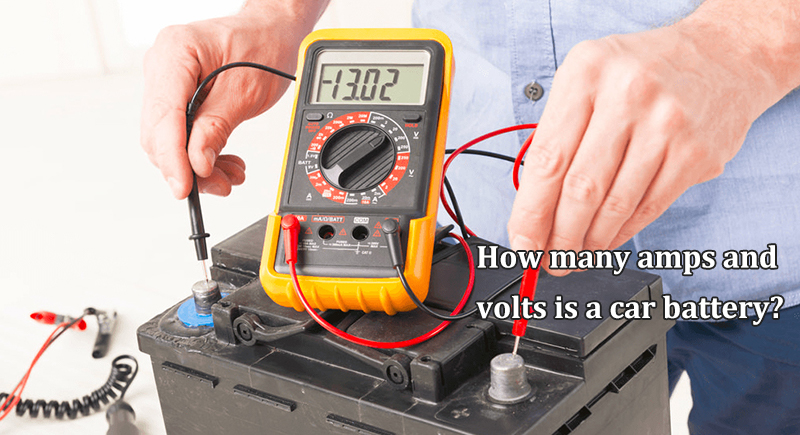
A multimeter measures the voltage of a car battery accurately. Set the multimeter to DC voltage mode. Connect the red lead to the positive battery terminal. Connect the black lead to the negative terminal. A healthy battery should read about 12.6 volts when the car is off. Readings below 12.4 volts suggest the battery is partially discharged. Values under 12 volts mean the battery is weak or failing.
Load Testing Explained
Load testing checks how the battery performs under pressure. It simulates the battery working while starting the car. A load tester applies a controlled load to the battery. This shows if the battery can maintain voltage during use. Batteries that drop voltage quickly under load may need replacement. This test is more reliable than just checking resting voltage.
Checking Voltage Under Load
Measure voltage while the engine is cranking or under load. Use a multimeter during engine start to see voltage drop. Voltage should not fall below 9.6 volts during cranking. A drop below this suggests a weak or failing battery. This test reveals issues that a resting voltage test cannot. It helps diagnose starting problems linked to battery health.

Credit: carfromjapan.com
Battery Voltage And Vehicle Starting
The voltage of a car battery plays a key role in starting a vehicle. Without enough voltage, the engine won’t turn over. The battery provides the electrical power needed to run the starter motor. This motor then cranks the engine until it starts running on its own. Understanding how battery voltage affects starting helps diagnose starting problems. It also shows why a strong battery is crucial for reliable engine starts.
Minimum Voltage To Start A Car
A typical car battery is 12 volts. To start the engine, the battery must have at least 9.6 volts. Below this level, the battery is too weak to power the starter motor. A fully charged battery usually measures about 12.6 volts. If the voltage drops too low, the car may fail to start or crank slowly.
Voltage Drop During Startup
When you turn the key, the starter motor draws a large current. This causes the battery voltage to drop temporarily. The voltage may fall from 12.6 volts to around 9 or 10 volts during cranking. This drop is normal as the battery delivers high power. However, if the voltage falls below 9 volts, the starter may struggle to turn the engine.
Effects Of Low Voltage On Starters
Low battery voltage can harm the starter motor. It causes the starter to spin slower or fail to engage. This leads to hard starting or no start at all. Repeated low voltage starts can damage the starter and battery. Maintaining good battery voltage protects the starter and ensures smooth engine starts.
Maintaining Optimal Battery Voltage
Maintaining the right voltage in your car battery is crucial. It keeps your vehicle running smoothly and avoids sudden breakdowns. A battery with optimal voltage ensures reliable starts and powers all electrical parts effectively. Neglecting battery voltage can lead to poor performance and a shorter battery life.
Regular checks and proper care keep your battery healthy. Understanding how to maintain the voltage helps you avoid costly repairs. Below are important tips and facts about maintaining your car battery voltage.
Charging Best Practices
Use a charger designed for car batteries. Avoid overcharging; it damages the battery cells. Charge the battery slowly for better results. Fast charging can cause overheating and reduce battery life. Always follow the charger’s instructions carefully. Disconnect the battery from the car before charging. This prevents electrical damage to the vehicle’s systems.
Alternator’s Role In Voltage
The alternator keeps the battery charged while driving. It converts engine power into electrical energy. A healthy alternator should provide about 13.8 to 14.4 volts. If the voltage is too low, the battery will drain. Too high voltage can overcharge and harm the battery. Regular alternator checks help maintain the right voltage balance.
Tips For Longer Battery Life
- Keep battery terminals clean and free from corrosion.
- Turn off lights and accessories when the engine is off.
- Drive your car regularly to keep the battery charged.
- Park in shade to avoid battery overheating.
- Check battery voltage monthly using a voltmeter.
- Replace the battery if voltage consistently drops below 12.4 volts.
Credit: www.tycorun.com
When To Replace A Car Battery
Knowing when to replace a car battery is important for your vehicle’s reliability. A failing battery can cause starting problems and leave you stranded. Regular checks help catch issues early. Understanding voltage levels and battery age guides timely replacement.
Voltage Thresholds For Replacement
A fully charged car battery shows about 12.6 volts. If voltage drops below 12.4 volts, the battery is weak. At 12.0 volts or less, the battery needs replacement. Low voltage indicates poor charge and reduced battery power. Watch for voltages under 12.2 volts during cold weather.
Age And Condition Factors
Car batteries usually last 3 to 5 years. Heat and use shorten battery life. Corrosion on terminals or cracks in the battery case signal problems. Swollen or leaking batteries must be replaced immediately. Even if voltage seems okay, old batteries lose capacity and fail faster.
Testing Before Replacement
Use a multimeter to check battery voltage. Testing under load shows true battery health. Many auto shops offer free battery testing. A load test reveals if the battery can start the engine properly. Replace the battery if tests show weak performance or low voltage.
Battery Types And Voltage Differences
Car batteries come in different types and voltages. These differences affect how your car starts and runs. Knowing the battery type helps in choosing the right voltage for your vehicle. Voltage differences impact wiring and power delivery. Each battery type has pros and cons to consider.
Lead-acid Batteries
Lead-acid batteries are the most common type in cars. They usually provide 12 volts. These batteries have lead plates and acid inside to store energy. They are affordable and easy to replace. Most standard cars use them because they work well with regular electrical systems. Lead-acid batteries need regular maintenance to last longer.
Agm And Lithium Options
AGM (Absorbent Glass Mat) batteries are a modern lead-acid type. They hold acid in mats, making them spill-proof and more durable. They also give a steady 12 volts but handle power surges better. Lithium batteries are lighter and last longer. They provide the same voltage but charge faster. These options cost more but improve performance and reliability.
Voltage Impact On Wiring And Power
Car batteries usually have 12 volts, but some trucks use 24 volts. Higher voltage means thinner wires can carry power efficiently. Lower voltage needs thicker wires, which cost more and weigh more. Voltage affects how much power your car’s starter and lights get. Proper wiring ensures your battery voltage matches your car’s needs for smooth operation.

Credit: batteryspecialists.com.au
Battery Voltage And Safety
Car batteries usually have a voltage of about 12 volts. This voltage is enough to start the engine and power the electrical parts. Handling this voltage safely is important. Car batteries can be dangerous if not treated with care. Understanding the risks and safety measures helps avoid accidents and damage.
Handling Voltage Safely
Always wear protective gloves and goggles when working with car batteries. Avoid touching both battery terminals at the same time. This prevents electric shocks. Use insulated tools to reduce the risk of short circuits. Keep batteries away from flames and sparks. Car batteries contain acid that can cause burns.
Avoiding Voltage-related Damage
Do not overcharge the battery. Overcharging increases voltage and heats the battery. This can damage the battery and car electronics. Check battery voltage regularly with a multimeter. Replace the battery if voltage drops below 12 volts. Avoid connecting the battery the wrong way. Reverse polarity can cause serious damage to the vehicle’s electrical system.
Proper Disposal And Recycling
Car batteries contain harmful chemicals and metals. Never throw old batteries in the trash. Take used batteries to recycling centers. Recycling recovers valuable materials and protects the environment. Many auto shops accept old batteries for proper disposal. Follow local laws and guidelines for battery disposal.
Frequently Asked Questions
How Many Volts Is A Dead Car Battery?
A dead car battery usually measures below 12 volts, often around 10. 5 volts or less. This indicates insufficient charge to start the vehicle.
Is A Car Battery 12 Or 24 Volts?
A standard car battery typically has 12 volts. Heavy-duty vehicles may use 24-volt batteries for greater power.
Is 11.8 Volts A Dead Battery?
A battery reading 11. 8 volts is weak and near dead. It likely needs charging or replacement soon.
What Is The Scrap Value Of A Battery?
The scrap value of a battery depends on its type, weight, and metal content. Typically, lead-acid batteries fetch $1–$3 per pound. Prices vary by location and market demand for recyclable materials. Check local scrap yards for current rates.
Conclusion
A typical car battery has about 12 volts when fully charged. This voltage powers your vehicle’s electrical systems and starts the engine. Low voltage may signal a weak or dead battery. Regular testing helps keep your battery healthy. Simple tools like a multimeter make checking easy.
Remember, proper care extends battery life and improves performance. Knowing your battery’s voltage can save time and money. Stay aware of voltage levels to avoid unexpected car troubles.