Your car’s glass is more than just a window to the road—it’s your clear line of sight and a key safety feature. But how often should you clean automotive glass to keep it spotless and streak-free?
If you’re like most drivers, you might only think about it when dirt or smudges become a distraction. The truth is, regular cleaning not only improves visibility but also extends the life of your glass and enhances your driving experience.
You’ll discover the ideal cleaning schedule, professional tips, and simple techniques that you can use to keep your car windows crystal clear every day. Ready to see the road like never before? Let’s dive in.

Credit: idealimageautosalonmd.com
Cleaning Frequency
Keeping your automotive glass clean improves visibility and safety. Dirt, dust, and grime build up quickly. Regular cleaning prevents scratches and damage. Knowing how often to clean helps maintain clear glass.
Cleaning frequency depends on several factors. Some drivers need to clean more often than others. Understanding these factors helps set a proper schedule.
Monthly Interior Cleaning
Cleaning the inside of your car glass once a month works well for most. Interior glass collects fingerprints, smudges, and haze. These reduce clarity and cause glare. A monthly wipe keeps the glass clear and safe.
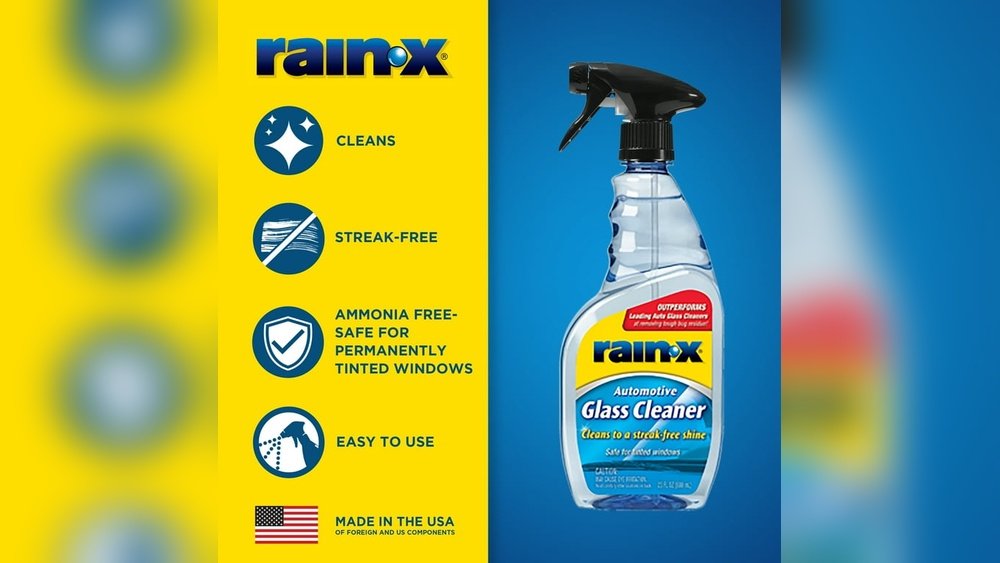
Use an ammonia-free cleaner and a soft microfiber towel. Avoid sprays that can harm tinted windows. Wipe gently to prevent streaks and spots.
Factors Affecting Cleaning Schedule
Driving environment affects how often glass needs cleaning. Dusty roads, heavy traffic, and bad weather increase dirt buildup. Drivers in cities or rural areas may clean more often.
Smoking inside the car or eating can dirty glass faster. Pets inside the vehicle also add to grime. Frequent use of air conditioning may cause fog, requiring more cleaning.
Signs Your Glass Needs Cleaning
Look for visible dirt, streaks, or smudges on the glass. Hazy or foggy windows reduce visibility, especially at night. Water spots and salt stains signal cleaning time.
Glare from sunlight or headlights means the glass is dirty. If wiping with your hand leaves marks, clean the glass. Clear glass means safer driving and better appearance.
Essential Cleaning Tools
Keeping automotive glass clean requires the right tools. Proper tools make cleaning easier and more effective. Using the best products helps avoid streaks and damage. These essential tools suit all car glass types and conditions.
Choose products carefully to protect tint and maintain clarity. Each tool plays a unique role in glass care. Combine them for a complete cleaning routine.
Ammonia-free Glass Cleaners
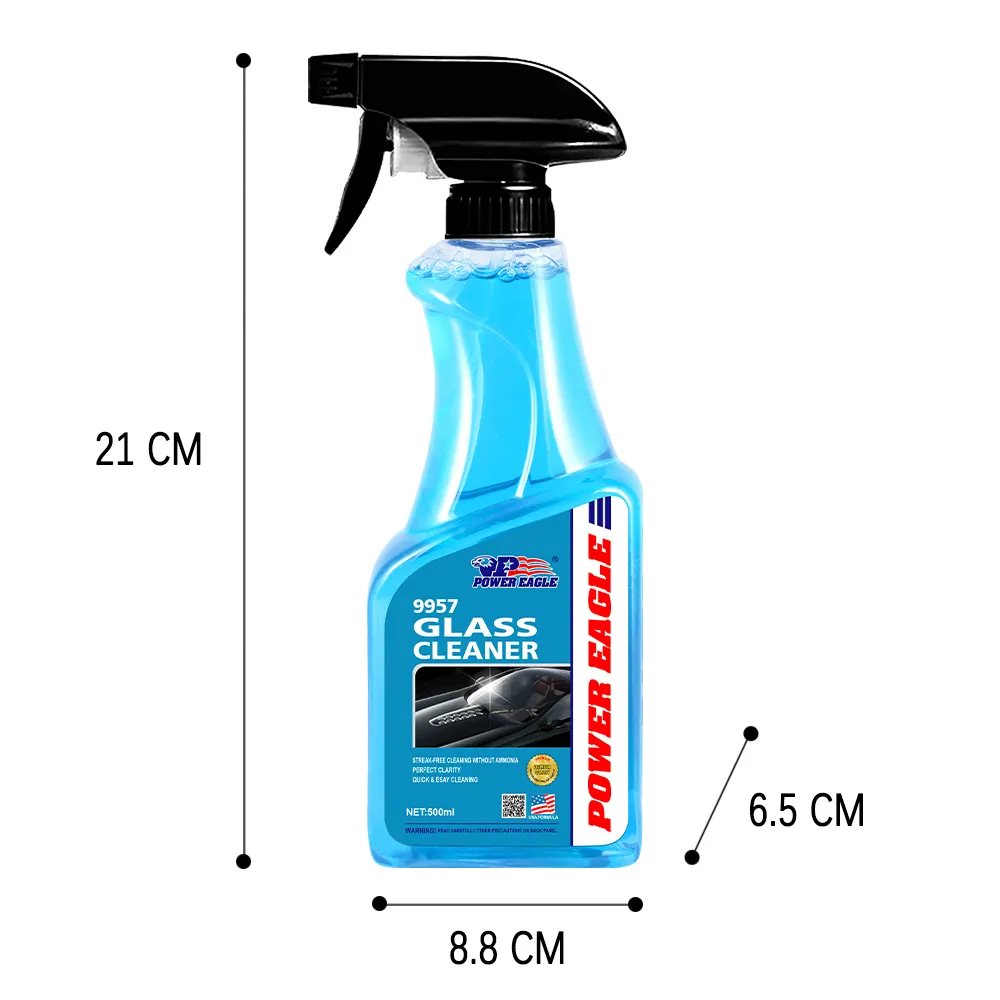
Ammonia-free glass cleaners are gentle on car glass and tint. They remove dirt and grime without harsh chemicals. These cleaners prevent fogging and streaks for clear vision. Always pick formulas made for automotive use.
Waffle Weave Microfiber Towels
Waffle weave microfiber towels trap dust and dirt effectively. Their texture reduces streaks and lint on glass surfaces. These towels are soft, preventing scratches on delicate glass. Use separate towels for cleaning and drying.
Clay Bars For Deep Cleaning
Clay bars remove embedded contaminants like rail dust and water spots. They smooth the glass surface for better clarity. Use clay bars with a lubricant to avoid scratches. Ideal for deep cleaning before polishing or waxing.
Isopropyl Alcohol For Stubborn Buildup
Isopropyl alcohol dissolves tough residues like grease and adhesive. It prepares the glass for a flawless finish. Apply it sparingly to avoid damaging tint films. Use with a clean microfiber towel for best results.
Spray Wax For Protection
Spray wax adds a protective layer to automotive glass. It repels water and reduces dirt buildup. This makes future cleaning easier and faster. Use spray wax after cleaning for long-lasting shine and protection.
Pro Cleaning Techniques
Cleaning automotive glass requires more than just spraying and wiping. Pro cleaning techniques help achieve clear, streak-free windows that improve visibility and safety. These methods use simple tools and steps to remove dirt, grime, and haze effectively. Follow these expert tips for better results every time you clean your car glass.
Two-towel Method
Start with a damp microfiber towel to lift dirt and grime from the glass surface. Use a high-quality, ammonia-free glass cleaner for best results. After cleaning, immediately dry and buff the glass with a second dry microfiber towel. This prevents streaks and removes any leftover residue. Using two towels keeps the glass cleaner and clearer.
Box Method For Streak-free Glass
The box method involves wiping the glass in a square pattern. Outline the window’s edges first, then fill in the center with horizontal or vertical strokes. This technique helps track missed spots and ensures even cleaning. It also reduces streaks by controlling the cleaning direction and pressure.
Directional Wiping Tips
Wipe the inside of the glass in one direction, such as up and down. Clean the outside in the opposite direction, like side to side. This contrast helps identify any streaks or spots left behind. Directional wiping makes it easier to spot imperfections and achieve a spotless finish.
Avoiding Common Mistakes
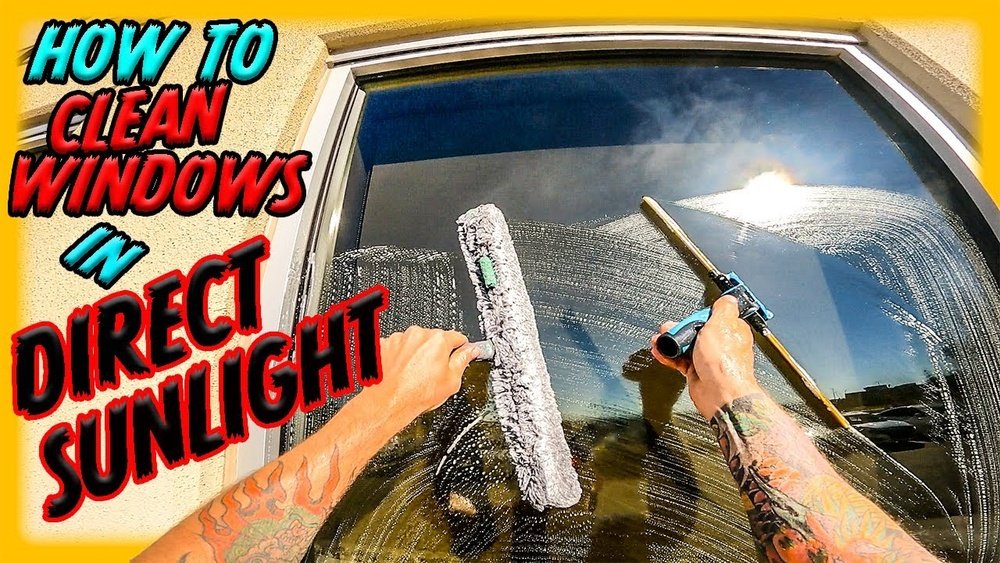
Do not spray cleaner directly on glass in sunlight; it can cause streaks. Avoid using old or dirty towels that leave lint or scratches. Never use household cleaners with ammonia, as they can damage tint films. Use gentle pressure to prevent glass damage. Proper tools and careful techniques protect your glass and keep it clear longer.

Credit: www.livingsocial.com
Special Tips For Interior Glass
Cleaning the interior automotive glass requires special care. Dust, smoke, and oils build up quickly on the inside. This buildup causes haze and smudges that block your view. Proper cleaning keeps your glass clear and safe. Use the right tools and techniques to avoid damage. Follow these tips to maintain spotless interior glass.
Dealing With Windshield Haze
Windshield haze forms from tiny oils and dust on the glass. It blurs your vision, especially in bright light. Use an ammonia-free glass cleaner to remove haze safely. Spray the cleaner on a microfiber cloth, not directly on glass. Wipe the glass gently in a circular motion. Repeat if needed until the haze disappears.
Preventing Smudges And Streaks
Smudges and streaks reduce glass clarity and look messy. Use two microfiber towels: one damp for cleaning and one dry for buffing. Clean in one direction to avoid streaks. Avoid paper towels or rough cloths that leave lint. Clean your glass regularly to stop buildup from forming.
Proper Product Application
Apply glass cleaner carefully to avoid dripping inside the dashboard. Always spray cleaner on the cloth, never directly on the glass. Use soft microfiber towels for wiping and drying. Avoid household cleaners with ammonia, which can damage tints. Finish by buffing with a dry towel for a clear shine.
Exterior Glass Care
Keeping your car’s exterior glass clean improves visibility and safety. Dirt, dust, and water spots can build up quickly. Regular care prevents damage and keeps glass clear. Use the right tools and methods to avoid scratches or streaks. Proper cleaning also extends the life of your glass surfaces.
Start with gentle but effective cleaning. Avoid harsh chemicals that can harm the glass or surrounding paint. Follow simple steps to remove tough contaminants and protect the surface afterward.
Removing Rail Dust And Water Spots
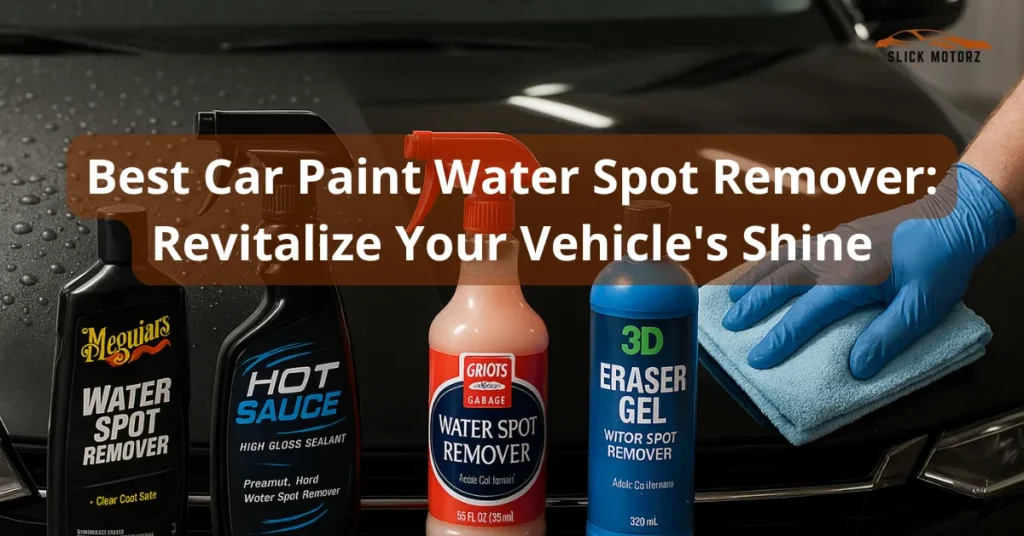
Rail dust is tiny metal particles that stick to glass and paint. It can cause small scratches if not removed carefully. Use a clay bar with lubricant to lift these particles safely. Water spots form from minerals left behind by drying water. They may require special cleaners or mild acid solutions to remove. Avoid scrubbing hard to prevent marks on the glass.
Using Clay Bars Safely
Clay bars remove embedded dirt and contaminants on the glass surface. Always use a clay lubricant to avoid scratching. Work in small sections and glide the clay gently over the glass. Fold the clay often to expose a clean surface. After claying, wipe the glass with a microfiber towel to remove residue. Clay bars restore smoothness and prepare the glass for protection.
Protective Coatings And Waxes
Applying protective coatings helps repel water and dirt. These coatings improve visibility during rain and reduce cleaning frequency. Use automotive glass sealants or spray waxes designed for glass. Apply in thin, even layers and buff with a soft towel. Reapply every few months to maintain protection. This step extends the cleanliness and clarity of your glass.
Credit: www.powereaglecn.com
Maintaining Visibility And Safety
Clear automotive glass is vital for safe driving. Dirt, smudges, and streaks reduce visibility. Clean glass helps drivers see the road and hazards clearly. This lowers the chance of accidents. Regular cleaning keeps glass in good shape. It also improves night driving by reducing glare from lights.
Maintaining clean glass supports quick reactions to changing road conditions. It enhances the driving experience by offering a clear view. Keeping automotive glass clean is a key safety habit for every driver.
Impact Of Clean Glass On Driving
Clean glass improves vision and reduces eye strain. Dirt on windows can blur the view or create reflections. These distractions can delay response times. Clean windows allow sunlight and streetlights to shine through without distortion. This helps drivers judge distances better. Clear glass also improves the effectiveness of windshield wipers during rain. Drivers feel more confident and safe with clear visibility.
Routine Checks For Glass Condition
Check your vehicle’s glass regularly for dirt and damage. Look for chips, cracks, or scratches that can worsen over time. Clean both inside and outside surfaces often. Use an ammonia-free cleaner and a soft microfiber cloth. Keep an eye on the windshield for any haze or buildup. Address small problems early to avoid costly repairs. Routine cleaning and inspection help maintain perfect visibility and safety.
Frequently Asked Questions
What Do Professional Car Detailers Use To Clean Glass?
Professional car detailers use ammonia-free glass cleaners with waffle weave microfiber towels for streak-free shine. They apply cleaner to the towel, use the box method, and may use clay bars or isopropyl alcohol for deep cleaning and spray wax for protection.
How Often Should You Clean The Inside Of Your Windshield?
Clean the inside of your windshield at least once a month. Increase frequency with heavy use or visible dirt buildup. Regular cleaning prevents haze and improves visibility.
Why Do My Car Windows Always Streaky When I Clean Them?
Streaky car windows result from using the wrong cleaner or dirty towels. Use ammonia-free glass cleaner and microfiber towels. Clean with the two-towel or box method, wiping inside and outside in different directions. Avoid cleaning in direct sunlight for best streak-free results.
What Is The Best Way To Clean Automotive Glass?
Use an ammonia-free glass cleaner with a waffle weave microfiber towel. Apply cleaner to the towel, not directly on glass. Clean using the box method and wipe inside and outside in different directions for streak-free results. Use clay bars for deep grime.
Conclusion
Regular cleaning of automotive glass keeps your view clear and safe. Aim to clean both inside and outside every two weeks or after heavy dirt exposure. Use proper tools like microfiber towels and ammonia-free cleaners for best results. Avoid harsh chemicals that can damage glass or tints.
Clean glass reduces glare and improves driving safety, especially at night or in bad weather. Small efforts in cleaning bring big benefits to your driving experience. Stay consistent and enjoy a clearer, safer ride every time you hit the road.