
You love your car, and keeping it clean feels great. But have you ever wondered how often you should deep clean your car to keep it looking fresh and protect its value?
It’s more than just about appearances—deep cleaning helps maintain your car’s finish, prevents damage, and creates a healthier environment inside. If you wait too long, dirt and grime build up, causing stains and wear that simple washes can’t fix. On the other hand, cleaning too often with the wrong methods can harm your paint and finish.
So, how do you find the perfect balance? Keep reading to discover the ideal deep cleaning schedule for your car and smart tips to keep it shining without causing damage. Your car deserves the best care—and you’ll be surprised how easy it is to get it right.

Credit: automaniacs.us
Frequency For Deep Cleaning
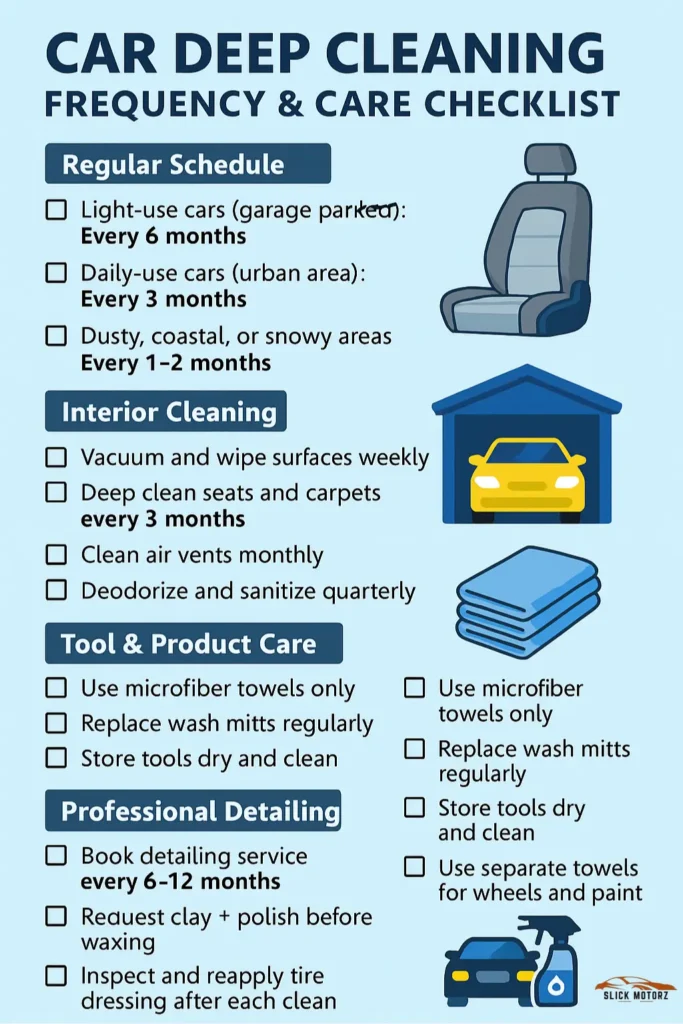
Knowing how often to deep clean your car keeps it looking new and protects its value. Deep cleaning removes dirt and grime that regular washes miss. The right frequency depends on your driving habits and environment. A clean car feels fresh and lasts longer.
Factors Affecting Cleaning Schedule
Where you drive impacts how often to deep clean. Dusty or muddy roads cause more buildup. If you live near the ocean, salt can corrode metal parts faster. Pets or kids in the car add extra mess and stains. Smoking inside the car creates odors that need more cleaning. Weather changes like rain or snow bring dirt and salt inside. How often you use the car also matters. Daily drivers need more frequent cleaning than weekend cars.
Typical Deep Clean Intervals
Most experts suggest deep cleaning every three to six months. This schedule works well for regular use in normal conditions. Cars exposed to harsh environments may need cleaning every one to two months. If you rarely drive or park in a garage, deep clean twice a year. A quick interior vacuum and wipe can extend the time between deep cleans. Pay attention to stains, smells, or visible dirt as signs to clean sooner.
Credit: www.pandahub.com
Risks Of Overwashing
Overwashing your car can harm its appearance and value. Cleaning too often or using wrong methods leads to damage. Knowing the risks helps protect your car’s finish and paint.
Some cleaning tools and chemicals can be too harsh. Using them too much wears down your car’s protective layers. The goal is to keep your car clean without causing harm.
Damage From Abrasive Tools
Using rough brushes or dirty sponges can scratch the paint. These scratches cause swirl marks and dull the shine. Soft microfiber towels and gentle tools prevent this damage.
Effects Of Harsh Chemicals
Strong soaps and cleaners strip away wax and protective coatings. This leaves paint exposed to the sun and dirt. Choose mild, car-safe products to keep the finish intact.
Consequences Of Improper Techniques
Washing with too much force or little water can harm the clear coat. Pressure washers used incorrectly cause paint to peel or chip. Always wash with care and enough water.
Automatic Car Wash Concerns
Brushes in some automatic washes hold dirt and small rocks. These particles scratch your car’s surface during cleaning. Touchless car washes reduce this risk and protect your paint.
Protecting Your Car’s Finish
Protecting your car’s finish is essential for maintaining its appearance and value. Dirt, grime, and environmental factors can wear down the paint over time. Deep cleaning helps remove stubborn contaminants that regular washes might miss. Proper care preserves the shine and prevents damage like scratches or fading. Follow these tips to keep your car’s finish in top shape.
Choosing The Right Products
Select car cleaning products designed for automotive finishes. Avoid household detergents that strip wax and damage paint. Use pH-balanced soaps to protect the clear coat. Choose soft microfiber cloths and sponges to prevent scratches. Quality products clean gently while preserving your car’s surface.
Gentle Washing Techniques
Wash your car by hand using the two-bucket method. One bucket holds soapy water, the other rinses dirt off the sponge. This reduces grit that causes scratches. Avoid scrubbing hard or using abrasive brushes. Rinse thoroughly to remove all soap residue. Gentle washing keeps the paint smooth and glossy.
Proper Drying Methods
Dry your car with a clean, soft microfiber towel. Pat dry instead of rubbing to avoid swirl marks. Use a drying cloth that absorbs water quickly. Avoid air drying, which can leave water spots. Proper drying protects the clear coat and maintains shine.
Selecting Safe Car Wash Options
Choose touchless automatic car washes to minimize contact with brushes. Avoid car washes using stiff brushes that can cause scratches. If washing yourself, pick shaded areas to prevent soap from drying too fast. Regularly wash your car in a safe environment to protect its finish.
Environmental Factors
Environmental factors play a big role in deciding how often you should deep-clean your car. Different weather and parking habits affect your car’s cleanliness and condition. Understanding these factors helps keep your car looking new longer. Below, learn how weather and parking choices impact your car’s cleaning needs.
Impact Of Weather Conditions
The weather greatly affects how dirty your car gets. Rain can leave water spots and dirt on your paint. Snow and ice bring salt, which can cause rust quickly. Dusty winds cover your car in grime and can scratch the surface. Hot sun can fade paint and damage interiors. Cars in harsh weather need deep cleaning more often. Regular cleaning removes harmful dirt and protects your car.
Benefits Of Garage Parking
Parking in a garage shields your car from many environmental harms. It blocks rain, snow, and dust, keeping your car cleaner. Shade from the garage protects paint from sun damage. Less exposure means fewer dirt buildups and stains. Garage parking reduces deep cleaning frequency. Your car stays in better shape with less effort. This simple habit helps maintain your car’s finish and value longer.
Signs Your Car Needs Deep Cleaning
Recognizing when your car needs a deep cleaning helps maintain its value and appearance. Dirt and grime build up over time, affecting the car’s look and feel. Early signs show that your car could use more than just a quick wash.
Pay attention to these signs to keep your vehicle fresh and protected. Deep cleaning removes stubborn dirt and restores your car’s shine.
Visible Dirt And Grime Buildup
Look closely at your car’s surface. Dust, mud, and road salt can stick tightly over time. This buildup dulls the paint and hides scratches. Dirt also gathers in hard-to-reach spots like wheel wells and door jams. A deep clean removes this tough grime that regular washes miss.
Fading Paint And Swirl Marks
Sun exposure and dirt cause paint to fade and lose its shine. Swirl marks appear from improper cleaning or automatic car washes. These tiny scratches make the paint look dull and worn out. Deep cleaning with the right products can help reduce these marks and restore the paint’s brightness.
Unpleasant Odors Inside
Smells inside the car show that dirt and spills have soaked into the seats and carpets. Mold or mildew can grow if moisture remains trapped. A deep clean targets these hidden areas and removes odor-causing bacteria. Fresh air inside makes driving much more enjoyable and healthy.
Diy Deep Cleaning Tips
Deep cleaning your car at home saves money and keeps it looking fresh. This task requires focus and the right steps to avoid damage. Follow simple DIY tips to get a professional result without a service. Proper care improves your car’s value and extends its life.
Step-by-step Washing Process
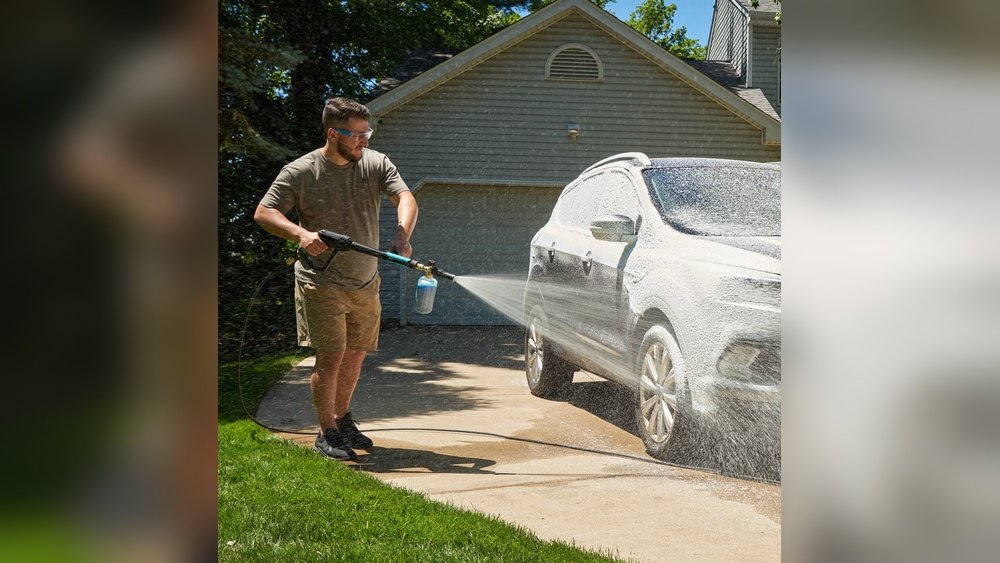
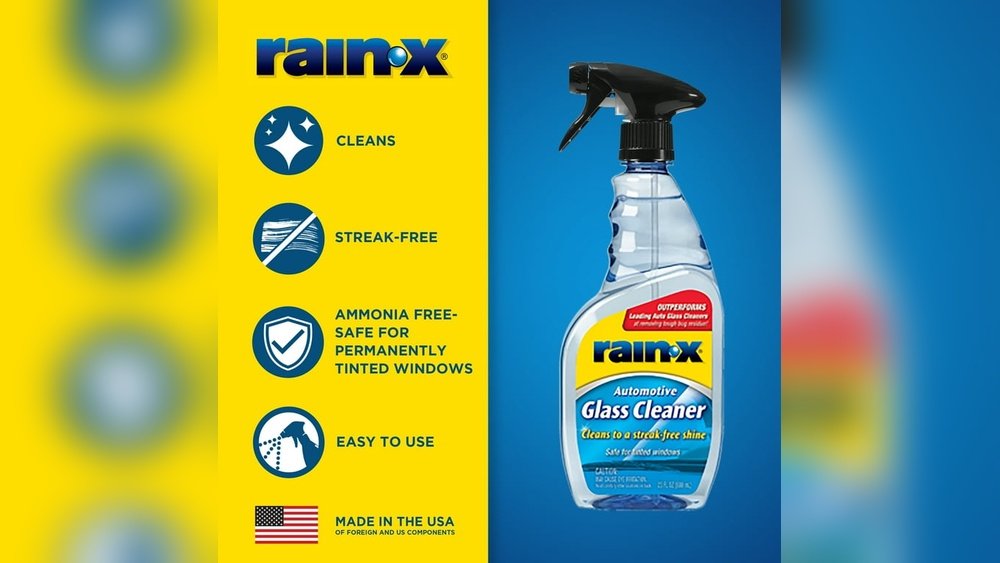
Start by rinsing the car with water to remove loose dirt. Use a gentle car shampoo mixed with water in a bucket. Wash the car using a soft sponge or microfiber cloth, starting from the top and moving down. Rinse thoroughly to remove all soap. Dry the car with a clean microfiber towel to prevent water spots. Clean windows and mirrors last using a glass cleaner and a separate cloth.
Tools And Products Checklist
- Two buckets method (one for soapy water, one for rinsing)
- Car-specific shampoo
- Soft sponge or microfiber wash mitt
- Microfiber drying towels
- Glass cleaner
- Soft brush for wheels
- Tire cleaner and protectant
- Vacuum for interior cleaning
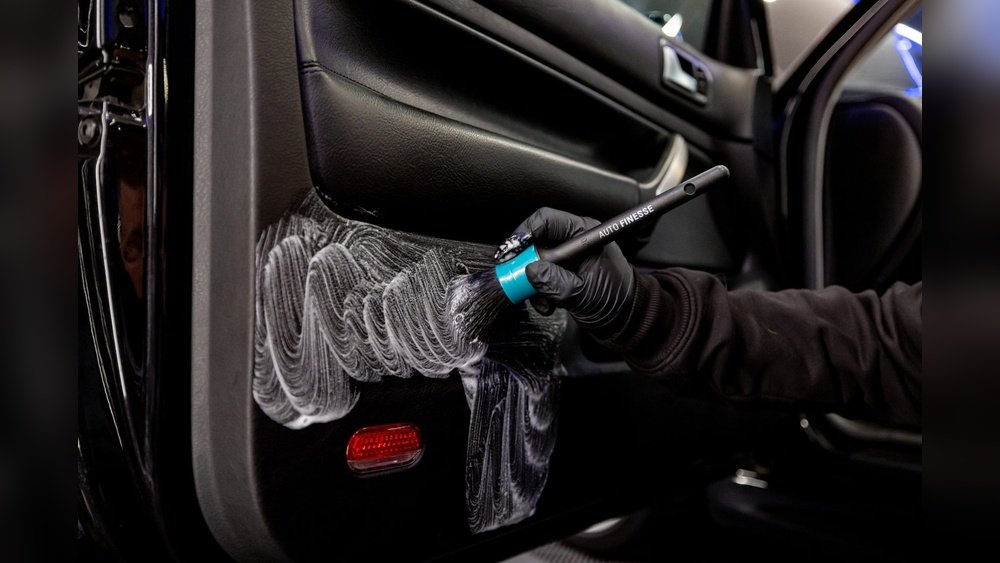
- Interior cleaner for dashboard and seats
Common Mistakes To Avoid
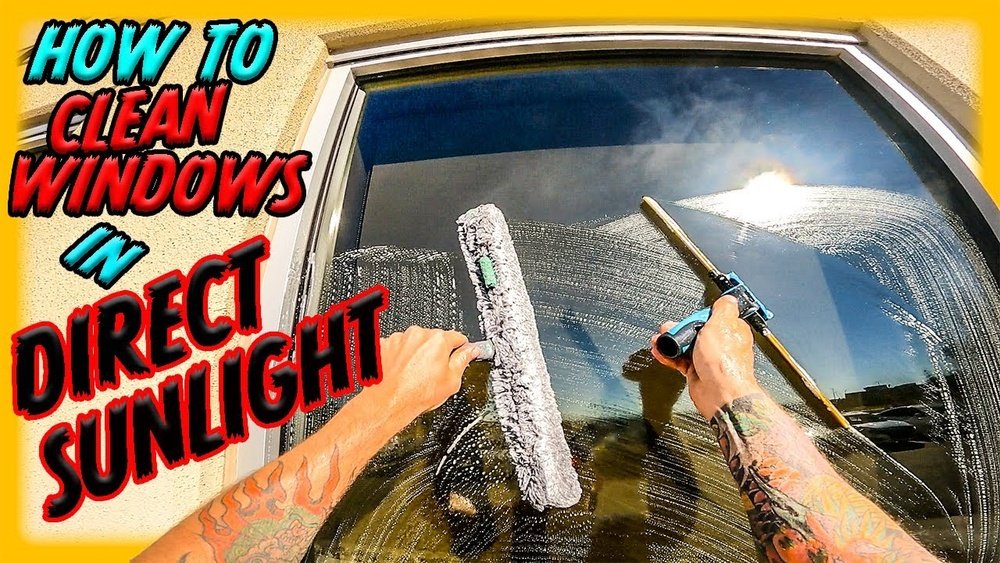
Do not use household detergents; they strip wax and harm paint. Avoid washing in direct sunlight to prevent water spots. Don’t use dirty or rough sponges that cause scratches. Avoid circular scrubbing motions; use straight lines instead. Skip automatic car washes with brushes, as they can damage your finish. Never dry your car with a regular towel; use microfiber only. Clean wheels separately to avoid spreading brake dust on the paint.
Professional Detailing Benefits
Professional detailing offers many benefits beyond regular cleaning. It restores your car’s look and protects its surfaces. Experts use specialized tools and products to clean deeply. This process removes dirt, stains, and grime from hard-to-reach areas. A well-detailed car feels fresh inside and shines brightly outside. Professional detailing helps maintain your car’s value over time. It also saves you time and effort compared to DIY cleaning.
When To Choose Professional Services
Choose professional detailing if your car has heavy dirt or stains. It suits cars not been cleaned for months or years. Professionals handle delicate surfaces without causing damage. Opt for their service before selling your car to boost its value. Also, consider detailing after long trips or harsh weather exposure. Regular professional cleaning every 6 to 12 months is ideal for most cars.
What To Expect From Detailers
Detailers start with a thorough exterior wash and paint claying. They remove embedded dirt and surface contaminants. Next, they polish the paint to restore shine and remove minor scratches. Interior cleaning includes vacuuming, shampooing carpets, and wiping surfaces. They clean vents, door jambs, and windows carefully. Some detailers apply protective wax or sealants for a long-lasting finish. You receive a car that looks and feels almost new.
Frequently Asked Questions
How Often Should I Get My Car Deep Cleaned?
Get your car deep cleaned every 3 to 6 months, depending on driving conditions and usage. Regular cleaning protects the paint and interior.
Can You Overwash Your Car?
You cannot overwash your car if you use gentle techniques and proper products. Harsh tools or chemicals cause damage, not frequent washing.
Do Cars Drive Better When They’re Cleaned?
Clean cars do not drive better mechanically, but washing improves visibility and safety by removing dirt from windows and mirrors.
How Much Does It Cost To Deep Clean The Inside Of Your Car?
Deep cleaning your car’s interior typically costs between $100 and $250, depending on size and service depth.
Conclusion
Deep cleaning your car keeps it looking fresh and protects its value. Aim for a deep clean every three to six months. Factors like weather, driving conditions, and personal habits affect frequency. Use gentle products and proper techniques to avoid damage.
Regular care prevents buildup and preserves your car’s finish. A clean car feels better to drive and lasts longer. Small efforts now save costly repairs later. Keep your vehicle in top shape with consistent deep cleaning. Your car deserves attention to stay shiny and healthy.