If you want your foam to be just right—thick enough to cling but not so dense it wastes product—understanding how to adjust foam thickness and dilution ratio is key. Whether you’re washing your car, cleaning surfaces, or working with any foam-based solution, getting the perfect balance can save you time, money, and frustration.
You’ll discover simple steps to fine-tune your foam mix, avoid common mistakes, and achieve consistent results every time. Ready to transform your foam game? Let’s dive in and make sure your foam works exactly how you want it to.
Foam Thickness Basics
Understanding foam thickness is important for many cleaning tasks. Foam thickness affects how well the foam clings to surfaces. Thick foam holds dirt and grime better. Thin foam may run off too quickly, reducing cleaning power.
Adjusting foam thickness helps to get the best cleaning results. It depends on the foam solution, water quality, and equipment used. Knowing the basics allows you to control the foam for any job.
What Affects Foam Thickness
Foam thickness depends on several key factors. The soap concentration in the mix changes foam density. More soap usually means thicker foam. Water hardness also affects foam quality. Hard water can make foam thinner and weaker.
Pressure from the foam cannon or sprayer impacts foam texture. Higher pressure produces finer, denser foam. Temperature plays a role too; warmer water creates better foam. Finally, the nozzle type controls foam flow and thickness.
Types Of Foam For Different Uses
Different cleaning tasks need different foam types. Thick foam works well for cars, walls, and windows. It sticks longer and cleans gently. Thin foam suits quick rinses or delicate surfaces. It rinses off without leaving residue.
Some foams are designed for heavy-duty cleaning with strong chemicals. Others use mild formulas for sensitive materials. Choosing the right foam type ensures effective and safe cleaning every time.
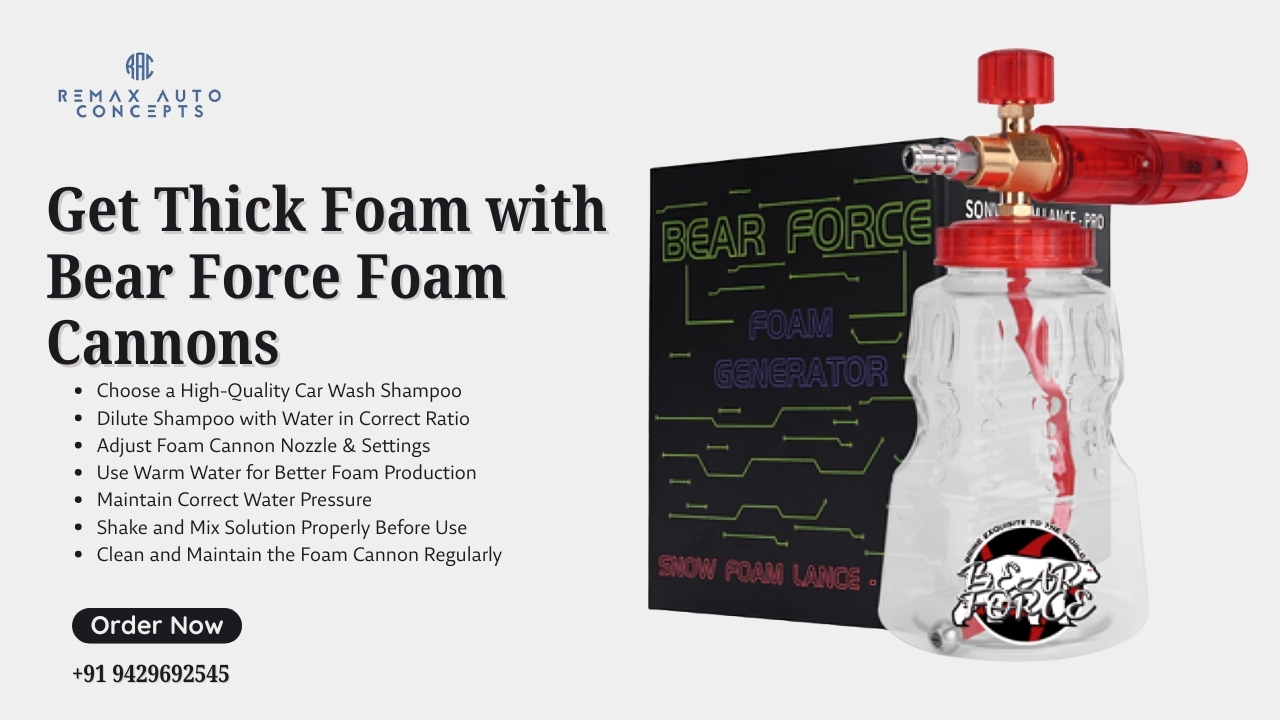
Credit: www.remaxautoconcepts.com
Dilution Ratio Essentials
Understanding the dilution ratio is crucial for adjusting foam thickness effectively. This ratio controls how much soap mixes with water. Getting it right impacts foam quality and cleaning power. Too much water makes foam thin and weak. Too little water can waste soap and reduce foam coverage.
Finding the right balance improves foam density and cleaning efficiency. The following sections explain common dilution ratios and guide you to pick the right one for your soap.
Common Dilution Ratios Explained
Dilution ratios show soap amount versus water volume. For example, a 1:10 ratio means 1 part soap and 10 parts water. Common ratios range from 1:5 to 1:30. Lower ratios create thicker foam but use more soap. Higher ratios produce lighter foam with less soap.
Thick foam works well on heavy dirt and grime. Light foam is good for regular washing or delicate surfaces. Ratios vary by product type and water hardness. Always check soap instructions for recommended dilution ranges.
Choosing The Right Ratio For Your Soap
Start with the manufacturer’s recommended ratio. Test foam thickness and adjust slightly if needed. If foam looks watery, reduce water and increase soap. If foam is too thick or sticky, add more water.
Consider your water type. Hard water may require less dilution for better foam. Soft water can allow higher dilution without losing foam quality. Experiment in small amounts before full use. Keep notes of what works best for future washes.
Adjusting Foam Thickness
Adjusting foam thickness is essential for achieving the perfect cleaning effect. Foam thickness affects how well the soap clings to surfaces. Thicker foam stays longer, helping to loosen dirt and grime. Thinner foam rinses off quickly but may not clean as effectively. Understanding how to control foam density improves your washing results and saves product.
Increasing Foam Density
To make foam denser, start by using less water in your mixture. Use a higher concentration of soap or foam solution. Adjust your foam cannon or sprayer to a finer nozzle setting. This creates smaller bubbles, resulting in thicker foam. Adding a foam booster can also improve foam density. Test small changes to find the right balance for your setup.
Reducing Foam Thickness
Reduce foam thickness by increasing water in the mix. Lower the soap concentration to create lighter foam. Open the nozzle wider to produce larger bubbles. Thinner foam rinses off faster and uses less product. This method suits quick washes or delicate surfaces. Avoid over-thinning to prevent poor cleaning performance.
Impact Of Water Hardness
Hard water contains minerals that affect foam quality. It makes foam thinner and less stable. Use soft or filtered water to improve foam thickness. If hard water is unavoidable, increase soap concentration slightly. Some soaps perform better in hard water conditions. Always test foam thickness after any change to water type.
Fine-tuning Dilution Ratios
Fine-tuning dilution ratios is key to achieving the perfect foam thickness. Adjusting the mixture affects cleaning power and foam quality. Small changes can improve results significantly. Understanding how to modify ratios helps you get the best performance from your foam products.
Starting With Manufacturer Recommendations
Always begin with the dilution ratio suggested by the manufacturer. This ratio is tested to balance foam thickness and cleaning ability. Using the recommended mix ensures safety and product effectiveness. It acts as a reliable baseline for your adjustments.
Modifying Ratios Based On Conditions
Adjust the dilution depending on water hardness and temperature. Hard water can reduce foam quality, so reduce water in the mix. Warmer water may require a thinner solution to avoid quick drying. Adapt the ratio to suit your local environment and cleaning needs.
Measuring And Mixing Tips
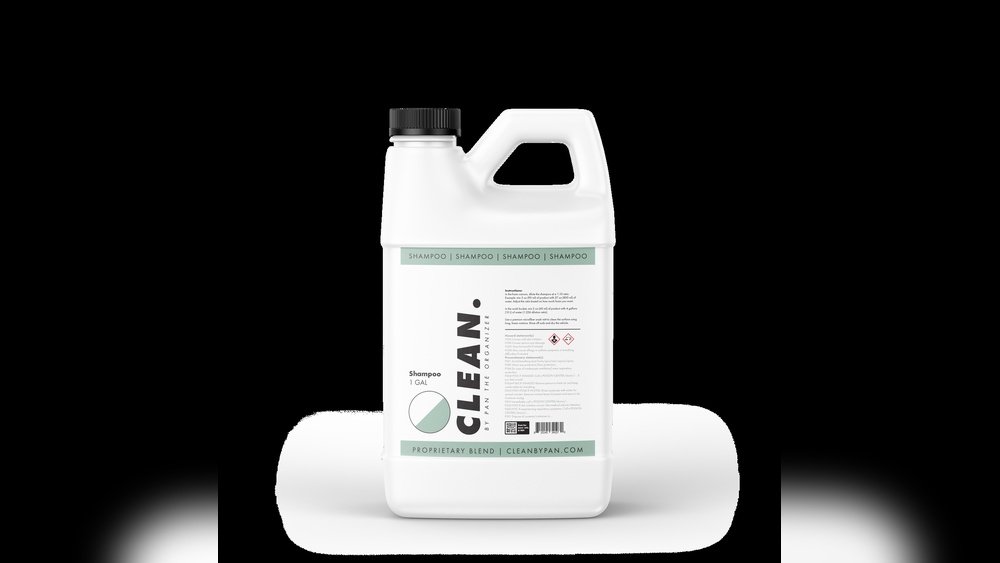
Use precise measuring tools to ensure accurate dilution ratios. Mix the soap and water thoroughly for consistent foam. Avoid guessing the amounts; small errors can change the foam’s thickness. Proper mixing guarantees better foam and cleaner surfaces.
Tools For Foam Application
Choosing the right tools for foam application is key to controlling foam thickness and dilution ratios. These tools help apply foam evenly and efficiently. Understanding their functions helps achieve the best cleaning results.
Foam Cannons And Their Settings
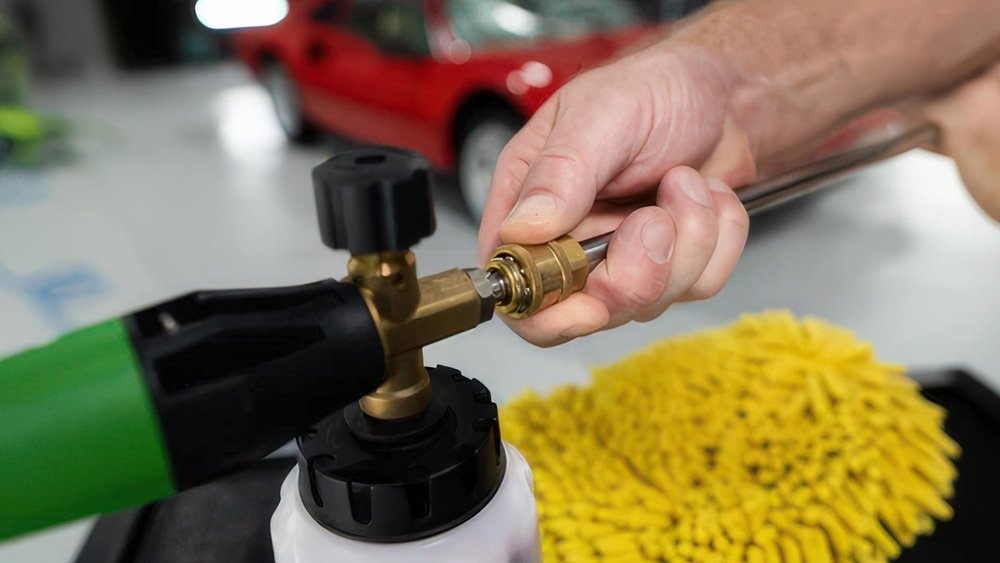
Foam cannons attach to pressure washers. They mix soap and water to create thick foam. Settings on foam cannons control foam thickness. Adjust the soap nozzle to change the mix ratio. A narrower nozzle creates thicker foam. Adjust water flow to control dilution. Proper settings ensure even foam coverage.
Pump Sprayers And Foam Guns
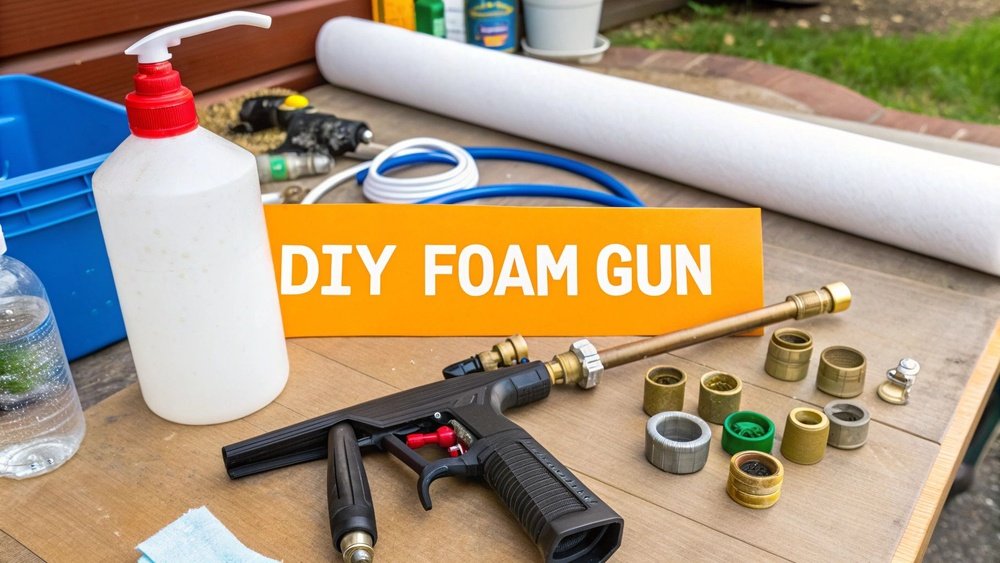
Pump sprayers are handheld and easy to use. They work well for small jobs or spot cleaning. Foam guns attach to garden hoses. They mix soap and water as you spray. Both tools allow manual control of foam output. Adjust the soap concentration in the tank to change foam thickness.
Using Dilution Dials Effectively
Dilution dials control soap concentration precisely. Turn the dial to increase or decrease soap flow. A higher soap flow creates thicker foam. Lower soap flow creates thinner foam. Use the dial to match foam thickness with cleaning needs. Proper use saves soap and improves results.

Credit: clean-garage.com
Common Mistakes To Avoid
Adjusting foam thickness and dilution ratio requires attention to detail. Many users make simple mistakes that affect foam quality and cleaning power. Avoiding these errors ensures better results and saves product and time.
Over-dilution Issues
Adding too much water weakens the foam and reduces cleaning strength. Thin foam does not cling well to surfaces. It rinses off quickly and fails to lift dirt. Over-dilution wastes soap and forces you to reapply.
Under-dilution Consequences
Using too little water creates overly thick foam that can clog equipment. Thick foam may not spray evenly from the foam cannon. It can leave sticky residue on the surface, requiring extra rinsing. Under-dilution also wastes soap and may cause streaks.
Ignoring Water Quality
Hard water affects foam formation and quality. Minerals in hard water reduce foam thickness and cleaning power. Soft or filtered water improves foam and helps soap work better. Ignoring water quality leads to poor results and wasted product.
Expert Tips For Optimal Foam
Creating the perfect foam for cleaning takes practice and careful adjustment. Foam thickness and dilution ratio affect cleaning power and foam stability. Expert tips help you find the right balance quickly. Small changes in soap and water can make a big difference. Understanding how weather and equipment impact foam improves results every time.
Balancing Soap And Water
Start with the manufacturer’s recommended soap-to-water ratio. Use too much soap, and foam may become too thick and runny. Too little soap makes foam weak and short-lived. Adjust slowly by adding small amounts of soap or water. Test foam thickness after each change. Aim for rich, creamy foam that clings to surfaces well.
Adjusting For Weather And Temperature
Cold weather can make foam thicker and last longer. Warm weather may cause foam to break down faster. In hot conditions, add more soap to maintain foam. In cold, reduce soap slightly to avoid overly thick foam. Also, hard water affects foam quality. Use softened or filtered water for best results.
Maintaining Equipment For Best Results
Clean foam cannon or foam gun regularly to prevent clogs. Check nozzles for damage or blockages. Replace worn parts to keep spray patterns even. Calibrate equipment often to ensure correct dilution. Store equipment in a dry place to avoid rust and damage. Well-maintained gear produces consistent, thick foam every time.

Credit: thehouseofrags.com
Frequently Asked Questions
What Is The Ratio Of Foam To Water?
The ideal foam to water ratio ranges from 1:10 to 1:20. Adjust based on soap type and desired foam thickness.
Is 1.1 Or 1.25 Better For Foam Cannon?
A 1. 25 ratio usually produces thicker foam than 1. 1. Adjust based on soap type and water hardness for best results.
What Is The Dilution Ratio For Active Foam?
The typical dilution ratio for active foam is 1:10 to 1:20, mixing one part foam concentrate with 10 to 20 parts water. Adjust ratios based on foam thickness and cleaning needs for best results.
Why Is My Snow Foam Not Thick Enough?
Snow foam may be thin due to incorrect dilution, low-quality soap, or hard water. Adjust the soap-to-water ratio for thicker foam.
Conclusion
Adjusting foam thickness and dilution ratio needs simple steps. Start with the product’s recommended ratio. Test small changes to see how foam behaves. Thicker foam often means less water or more soap. Keep notes on what works best for your setup.
Clean equipment regularly to avoid clogging or poor foam. Remember, patience helps achieve the perfect foam every time. This ensures better cleaning results and saves product. Practice makes it easier to find your ideal mix. Stay consistent and enjoy a smoother washing experience.