You want your car to look stunning and stay protected for years, right? Applying ceramic coating is one of the best ways to give your vehicle a glossy, durable finish that repels dirt, water, and minor scratches.
But if you’ve never done it before, the process might seem tricky or intimidating. Don’t worry — this guide will walk you through every step, using simple tips that anyone can follow. By the end, you’ll know exactly how to apply ceramic coating to your car yourself, saving money and achieving that professional shine.
Ready to transform your ride? Let’s dive in!

Credit: gyeonusa.com
Preparing Your Car
Proper preparation is essential before applying ceramic coating to your car. The coating bonds best to a clean, smooth surface. Dirt, oils, and imperfections can affect the final result. Taking time to prepare ensures the coating lasts longer and looks great.
Washing And Decontaminating
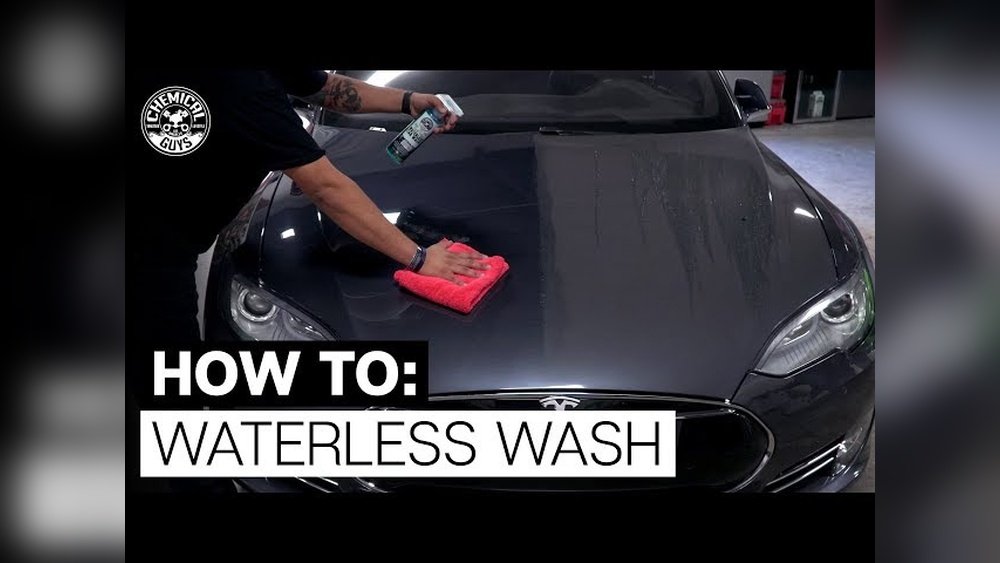
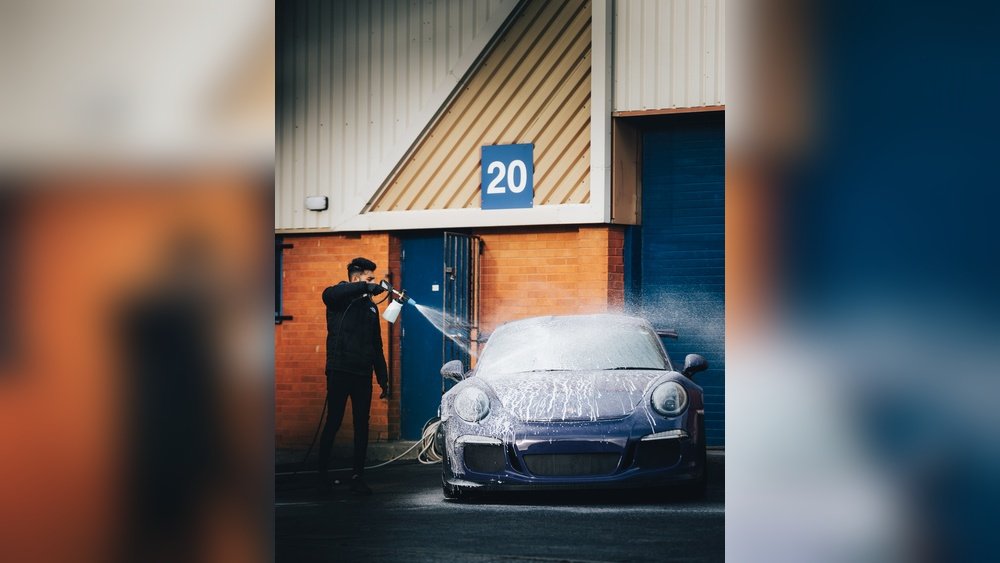
Start with a thorough wash using car shampoo. Remove all dirt, grime, and road debris. Use a microfiber mitt to avoid scratches. Next, use a clay bar or clay mitt to remove embedded contaminants. This step clears particles that washing misses.
Paint Correction And Polishing
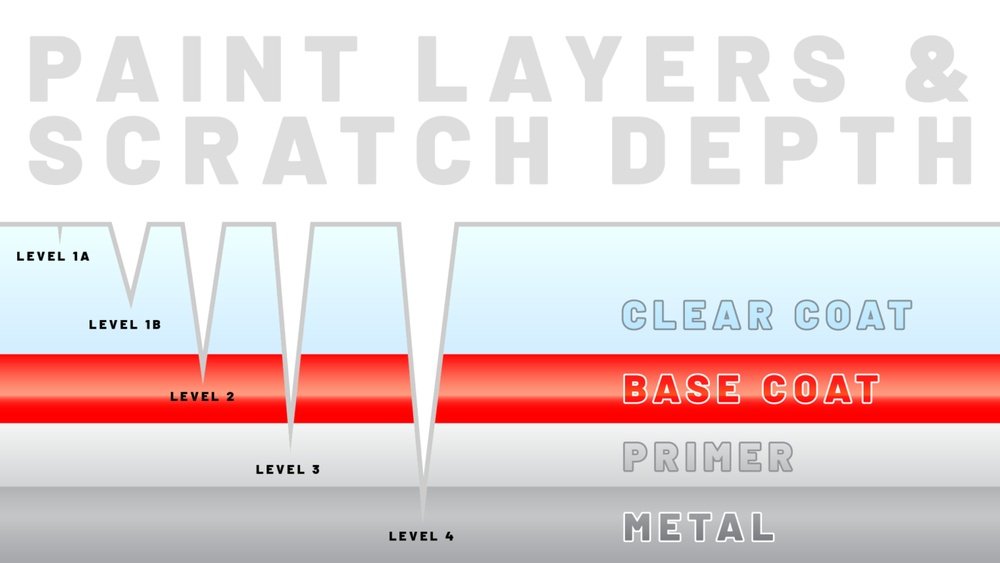
Examine the paint for swirls, scratches, or oxidation. Use a polish to correct these imperfections. Polishing smooths the surface and enhances shine. This step helps the ceramic coating bond better and look clearer.
Removing Existing Waxes And Sealants
Waxes and sealants block the ceramic coating from adhering properly. Use an isopropyl alcohol (IPA) solution or a dedicated panel wipe. Clean the entire surface to remove any residues. This step ensures the coating forms a strong bond with the paint.
Final Surface Cleaning
After removing waxes, do a final wipe-down. Use a clean microfiber towel and IPA solution. This removes remaining oils and dust particles. The surface should feel smooth and dry to the touch. Now, the car is ready for ceramic coating application.
Gathering Materials
Preparing to apply ceramic coating requires gathering the right materials. Having everything ready makes the process smooth. It also helps achieve the best results on your car’s surface. This section covers the key items you need before starting.
Choosing The Right Ceramic Coating
Pick a ceramic coating that fits your car and budget. Some coatings suit daily drivers, while others target show cars. Look for products with clear instructions and good reviews. Consider the coating’s durability and ease of application. Quality matters for lasting protection and shine.
Essential Application Tools
Gather tools that help spread the coating evenly. You will need applicator pads, microfiber towels, and a spray bottle. Use high-quality microfiber towels to avoid scratches. Applicator pads should be soft and absorbent. A spray bottle can help with cleaning the surface before applying.
Protective Gear And Workspace Setup
Wear gloves and safety glasses to protect your skin and eyes. Choose a well-ventilated area to work in. Avoid direct sunlight to prevent the coating from drying too fast. Keep the workspace clean and free of dust. Proper setup ensures safe and effective application.
Application Process
Applying ceramic coating to your car requires care and patience. The process involves several steps to ensure the coating bonds well and protects the paint. Proper application improves durability and shine. This section covers the main steps to apply ceramic coating correctly.
Applying To Small Sections
Work on small sections of the car at a time. This helps control the application and prevents the coating from drying too fast. About two feet by two feet is ideal for each section. Apply the coating evenly and move quickly but carefully before it cures.
Using Proper Application Techniques
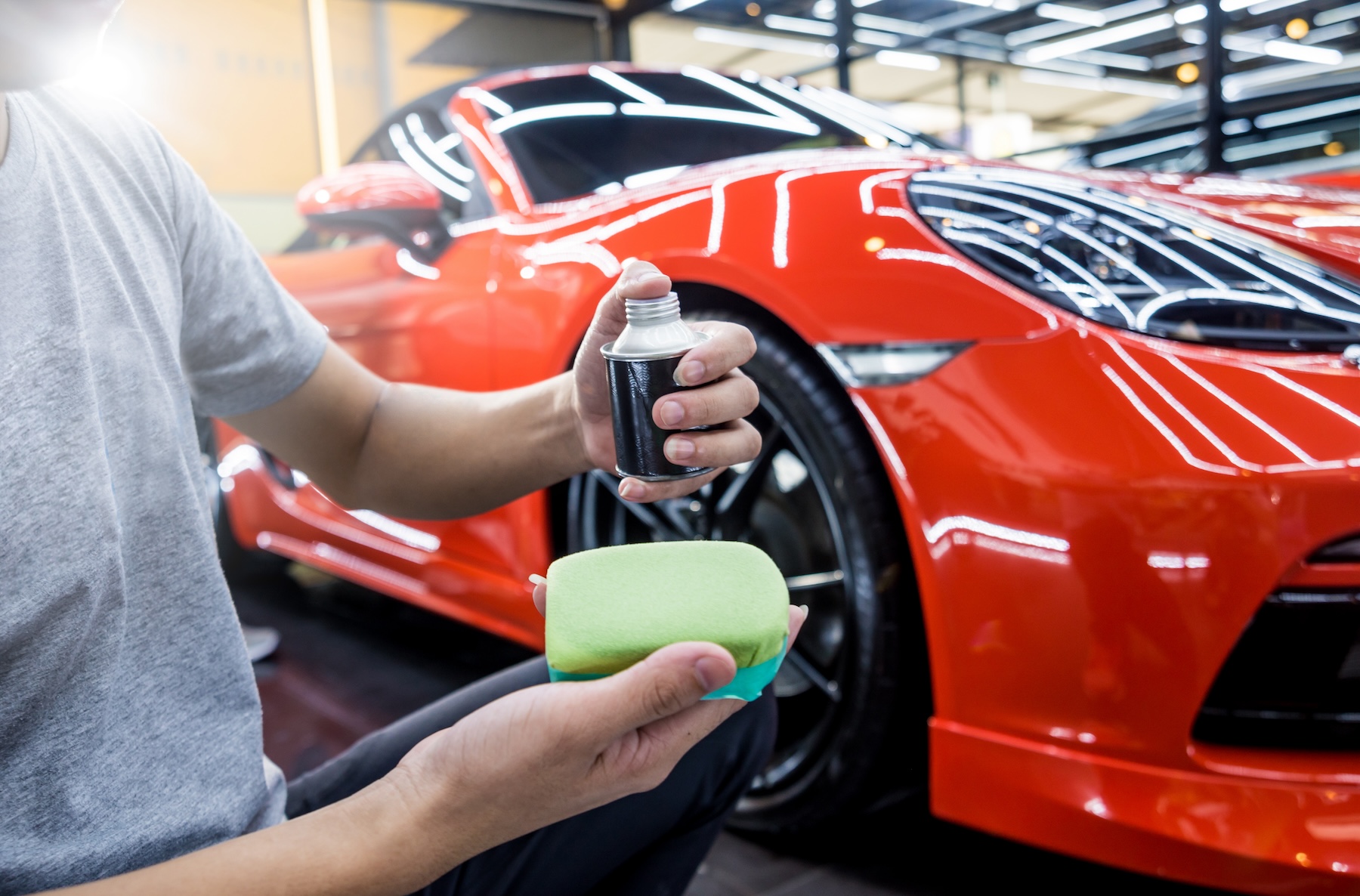
Use a foam applicator or microfiber cloth to apply the ceramic coating. Dab a few drops of the product onto the applicator. Spread the coating in a crosshatch pattern to cover the surface thoroughly. Avoid pressing too hard to prevent streaks or uneven layers.
Ensuring Even Coverage
Check each section after applying the coating. Look for spots that are too thick or too thin. Use a clean microfiber towel to gently buff the area, removing excess product. Even coverage ensures the coating bonds properly and provides consistent protection.
Managing Environmental Conditions
Apply ceramic coating in a cool, shaded area. Avoid direct sunlight and strong winds to prevent the coating from drying too fast. Ideal temperatures range between 50°F and 80°F (10°C to 27°C). Make sure the surface is dry and dust-free before starting.
Credit: ethoscarcare.com
Curing And Buffing
Curing and buffing are crucial steps after applying ceramic coating to your car. They help the coating bond well and bring out a shiny finish. Proper curing time allows the coating to harden and protect your paint effectively. Buffing removes any leftover residue, leaving a smooth and glossy surface.
Allowing Time For Bonding
After applying the ceramic coating, let it sit undisturbed. This waiting period lets the coating bond to the paint surface. Usually, this takes about one hour but check your product’s instructions. Avoid touching or washing the car during this time. Good bonding means better protection and durability.
Removing Excess Coating
Once the coating starts to cure, you may notice some haze or streaks. Use a clean microfiber cloth to gently wipe away the excess. Use light pressure and smooth motions to avoid damaging the coating. Removing extra coating prevents uneven patches and ensures a clean finish.
Buffing To A Glossy Finish
Buffing is the last step to enhance the shine. Use a soft microfiber towel or a buffing pad. Work in small sections with circular motions. This step smooths the surface and boosts gloss. Proper buffing makes your car look sleek and well protected.
Post-application Care
Proper care after applying ceramic coating is crucial for lasting protection. The coating needs time to harden fully. During this stage, your actions influence its durability and shine. Follow simple steps to keep your car’s surface smooth and glossy for months.
Initial Curing Period Tips
Allow the ceramic coating to cure for at least 24 to 48 hours. Avoid any contact with water during this time. Park your car in a dry, shaded area. Keep it away from dust, dirt, and direct sunlight. Do not apply any wax or sealants on top of the coating now. This period is when the coating bonds strongest to the paint.
Washing And Maintenance
Use a gentle car wash soap and soft microfiber cloths. Avoid harsh chemicals or abrasive brushes. Wash your car every two weeks to remove dirt and contaminants. Dry the surface thoroughly with a clean towel. Use a pH-neutral shampoo designed for coated vehicles. Regular washing helps maintain the coating’s hydrophobic properties. It also prevents water spots and streaks from forming.
Avoiding Common Mistakes
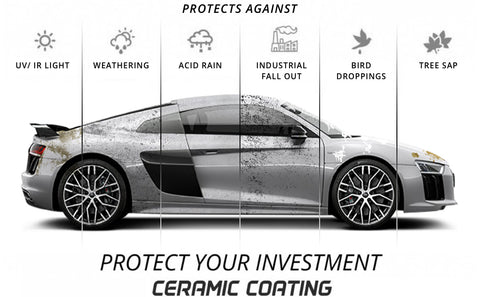
Do not wash your car with automatic car washes that use brushes. Avoid parking under trees where sap or bird droppings can fall. Remove any contaminants quickly to prevent damage. Do not use wax or polish over the ceramic coating. These products can reduce its effectiveness. Avoid high-pressure water jets too close to the surface. They might weaken the coating layer. Taking these precautions ensures long-lasting protection and shine.
Common Challenges
Applying ceramic coating to your car offers excellent protection and shine. Still, several common challenges may arise during the process. Understanding these issues helps you achieve a smooth, flawless finish. Careful attention and the right techniques reduce mistakes and improve results.
Dealing With Streaks And High Spots
Streaks and high spots occur if the coating is unevenly applied. Applying too much product in one area causes patches to appear. Use a soft applicator and work in small sections. Buff gently with a microfiber cloth to spread the coating evenly. Avoid rushing the process to prevent visible streaks.
Preventing Water Spots
Water spots form if water dries on the coated surface. They can damage the finish and reduce shine. Always dry your car immediately after washing or rain. Use a clean, soft towel or blower for drying. Avoid parking under trees or near sprinklers during the curing time.
Handling Environmental Contaminants
Dust, pollen, and dirt can stick to the coating before it cures. These contaminants cause imperfections and dull the surface. Apply the coating in a clean, dust-free area. Keep windows and doors closed to limit airborne particles. Check the surface often and wipe off any contaminants gently.
Ceramic Coating Limitations
Ceramic coatings offer strong protection for your car’s paint. Still, they have limits you should know. Understanding these limits helps you use the coating well. It also sets clear expectations about what the coating can and cannot do. Here are some key points about ceramic coating limitations.
Protection Against Scratches And Chips
Ceramic coatings shield your car from light scratches and swirl marks. They create a hard layer on the paint surface. This layer resists minor abrasions and fading caused by UV rays. The coating does not stop rock chips or deep scratches. Heavy impacts can still damage your paint below the coating.
Longevity And Reapplication Needs
The coating lasts longer than wax or sealants, usually two to five years. Over time, exposure to sun, rain, and dirt wears it down. Regular washing helps maintain the coating’s strength. Eventually, you will need to reapply the coating to keep protection. Skipping reapplication reduces its effectiveness.
Realistic Expectations
Ceramic coatings are not a paint miracle. They improve gloss and make cleaning easier. They do not make your car scratch-proof or chip-proof. Proper paint preparation is crucial before application. The coating can lock in existing paint flaws if not applied correctly. Knowing these facts helps you avoid disappointment.
Credit: www.augustprecision.com
Diy Vs Professional Application
Choosing between DIY and professional application of ceramic coating affects your car’s finish and protection. Both methods have pros and cons. Understanding them helps you decide what suits your needs best. Consider cost, skill, and the quality of the final result carefully.
Cost Considerations
DIY ceramic coating kits usually cost less upfront. You buy the product and apply it yourself. Professional services charge more due to labor and expertise. Their price covers prep, application, and quality control. Long-term, a professional job might save money by lasting longer. DIY might need reapplication sooner, adding to costs.
Skill And Time Requirements
DIY application demands careful prep and steady hands. You must clean, polish, and apply coating evenly. It takes several hours and patience. Mistakes can cause uneven coating or streaks. Professionals have training and tools to apply quickly and correctly. They handle all steps, ensuring a smooth process. Time spent is much less for you.
Achieving Best Results
Professionals provide a flawless, durable finish. They prepare the paint thoroughly and control the environment. This ensures the coating bonds well and lasts longer. DIY results vary with skill and conditions. Dust, humidity, or errors reduce effectiveness. A professional finish offers better shine, protection, and value over time.
Frequently Asked Questions
Can I Apply Ceramic Coating To My Vehicle Myself?
Yes, you can apply ceramic coating yourself with proper prep and care. Clean, decontaminate, and correct paint before applying evenly. Follow instructions to avoid streaks or uneven coverage for best results.
What Is The Best Way To Apply Ceramic Coating?
Clean and decontaminate your car’s surface thoroughly. Apply ceramic coating in small sections using a microfiber applicator. Work in a shaded, dust-free area. Allow the coating to bond, then buff off residue with a clean microfiber towel. Follow product instructions for curing time and maintenance.
What Is The Downside To Ceramic Coating?
Ceramic coating costs are high and require professional, time-consuming prep. It isn’t scratch-proof, needs maintenance, and must be reapplied every few years. It can trap existing flaws and cause water spots if not dried properly.
Can I Go Through A Regular Car Wash With Ceramic Coating?
Yes, you can use a regular car wash with ceramic coating. Choose touchless or gentle washes to protect the coating’s durability. Avoid harsh brushes to prevent scratches and maintain the coating’s shine and hydrophobic properties longer. Regular washing helps keep the coating effective.
Conclusion
Applying ceramic coating to your car takes patience and care. Clean your car thoroughly before starting. Work on small sections for even coverage. Use a soft cloth to spread the coating gently. Let the coating cure without rushing the process.
Regular maintenance helps keep the shine and protection strong. Following these simple steps gives your car a lasting, glossy finish. Protect your vehicle well with ceramic coating’s durable layer. Enjoy the improved look and easier cleaning every day.