Changing your motor oil might seem like a job for the pros, but what if you could do it yourself quickly and confidently? Knowing how to change your motor oil not only saves you money but also gives you control over your car’s health.
Imagine the satisfaction of rolling up your sleeves, taking charge of your vehicle’s maintenance, and ensuring it runs smoothly for miles to come. In this guide, you’ll discover easy, step-by-step instructions that anyone can follow—no special skills needed. Ready to learn how to keep your engine happy and your wallet happy too?
Let’s get started!

Credit: www.caranddriver.com
Tools And Materials
Changing your motor oil requires some basic tools and materials. Having the right items ready makes the process smoother and safer. This section covers the essential tools, the correct oil type, and the best oil filter for your vehicle.
Essential Tools
Start with a wrench or socket set to remove the drain plug. An oil filter wrench helps take off the old filter easily. Use a drain pan to catch the used oil. Gloves protect your hands from hot oil and dirt. Have some rags or paper towels for cleaning up spills. A funnel makes pouring new oil neat and simple.
Choosing The Right Oil
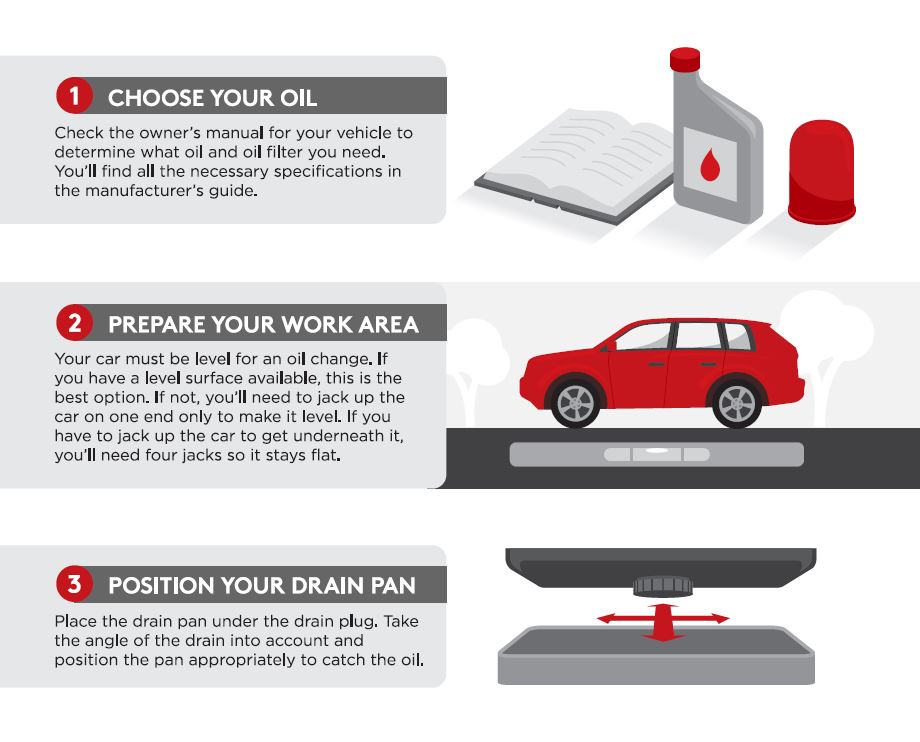
Check your owner’s manual for the recommended oil type. Look for the right viscosity, such as 5W-30 or 10W-40. Synthetic oils last longer and perform better in extreme temperatures. Conventional oils cost less but need more frequent changes. Pick oil that meets your car’s specifications for best results.
Selecting An Oil Filter
Find an oil filter that fits your car model. Quality filters trap dirt and protect the engine. Some filters offer better flow and longer life. Choose a brand trusted by mechanics and car owners. Always replace the old filter with a new one during an oil change.
Preparing Your Vehicle
Preparing your vehicle properly makes changing motor oil easier and safer. Follow these steps carefully to get ready before you start the oil change. Proper preparation also protects your car and yourself during the process.
Warming Up The Engine
Start the engine and let it run for five to ten minutes. Warm oil drains faster and carries away more dirt. Avoid overheating. The oil should be warm but not hot enough to burn.
Securing The Vehicle
Park on a flat surface and turn off the engine. Apply the parking brake to prevent movement. Use wheel chocks or blocks behind the tires for extra safety. This keeps the car steady while you work underneath.
Locating The Drain Plug And Filter
Look under the car to find the oil drain plug. It is usually a large bolt at the bottom of the oil pan. The oil filter is nearby but may be harder to see. Check your owner’s manual for exact locations to avoid mistakes.
Draining Old Oil
Draining old oil is a key step in changing motor oil. It removes dirty oil that can harm the engine. Proper draining ensures no old oil mixes with new oil. This keeps the engine clean and working well. Follow these simple steps to drain the oil safely and fully.
Positioning The Drain Pan
Place a drain pan under the oil drain plug. Make sure it fits well to catch all the oil. The pan should be large enough to hold the used oil volume. Position it close but not touching the plug. This avoids spills and keeps your workspace clean.
Removing The Drain Plug
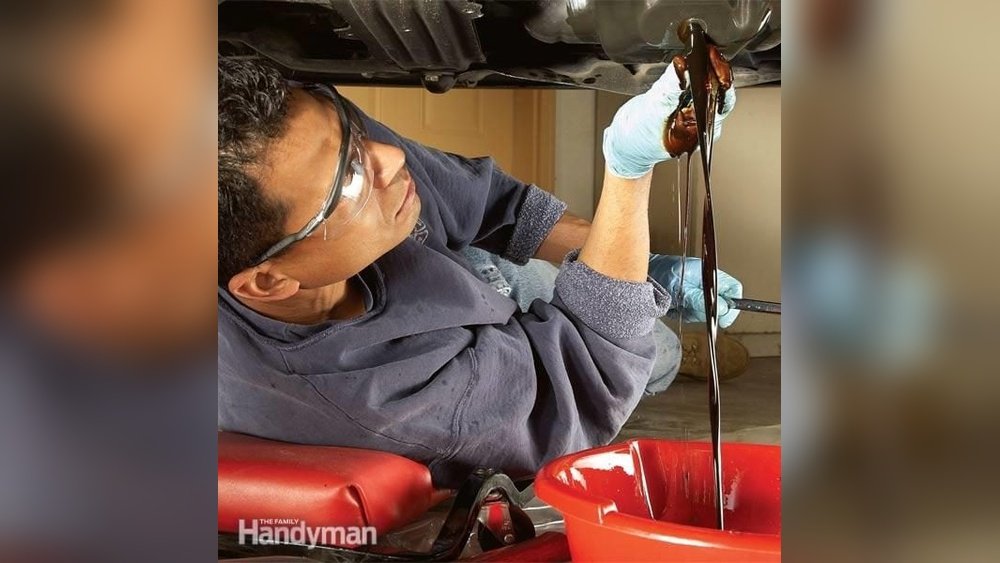
Use a wrench to loosen the drain plug carefully. Turn it counterclockwise until it comes free. Keep your hand ready to catch the plug when it loosens. Do this slowly to avoid sudden oil spills. Removing the plug lets the old oil flow out.
Allowing Complete Drainage
Let the oil drain fully into the pan. This may take several minutes. Wait until the oil stream slows to a drip. Tilting the car slightly can help drain more oil. Never rush this step; leftover oil reduces engine performance.
Replacing The Oil Filter
Replacing the oil filter is a key part of changing motor oil. The filter traps dirt and debris, protecting the engine. A clean filter keeps oil flowing smoothly and extends engine life.
Follow these simple steps to replace the oil filter safely and correctly.
Removing The Old Filter
Locate the oil filter under your car. Use an oil filter wrench to loosen it. Turn counterclockwise until the filter comes off. Be careful; some oil may spill. Place the old filter on a rag to catch drips.
Preparing The New Filter
Check the new filter for damage. Dab some fresh oil on the rubber seal. This helps the filter seal tightly. Avoid using too much oil on the seal. A light coat is enough.
Installing The New Filter
Screw the new filter onto the filter base by hand. Turn clockwise until it’s snug. Do not over-tighten; hand-tight is enough. Wipe any spilled oil off the area. Double-check for leaks after installing.
Adding New Oil
Adding new oil is a crucial step after draining the old oil from your engine. It ensures your engine runs smoothly and stays protected. This part needs care to avoid spills and to maintain the correct oil level. Follow each step carefully to keep your car healthy and efficient.
Reinstalling The Drain Plug
First, screw the drain plug back into its place. Tighten it firmly by hand. Use a wrench to secure it but avoid over-tightening. A loose plug can cause leaks, and too tight can damage the threads.
Pouring Fresh Oil
Open the oil filler cap on top of your engine. Use a clean funnel to pour fresh oil slowly. Check your car manual for the right oil type and amount. Pour the oil in small amounts to prevent spills.
Checking Oil Levels
Wait a few minutes for the oil to settle inside the engine. Pull out the dipstick and wipe it clean. Insert it fully again, then pull it out to check the oil level. The oil should be between the minimum and maximum marks. Add more oil if needed, but do not overfill.
Credit: www.tomobrienindy.com
Post-change Checks
After changing your motor oil, several important steps ensure your car runs smoothly. These post-change checks confirm the oil change is successful and prevent future problems. Follow these simple actions to keep your engine safe and clean.
Starting The Engine
Start your engine and let it run for a few minutes. This allows the new oil to circulate through the engine parts. Listen carefully for any unusual noises that might indicate an issue. Watch the oil pressure light; it should turn off quickly. If it stays on, turn off the engine and check the oil level again.
Inspecting For Leaks
Turn off the engine and look under your car. Check the oil drain plug and filter for any signs of leaking oil. Inspect around the oil filter gasket and drain plug seal. If you see any fresh oil spots, tighten the parts gently. Avoid overtightening to prevent damage. Ensure the area is dry before driving.
Disposing Of Used Oil Properly
Used motor oil is hazardous to the environment. Collect the old oil in a sealed container. Do not mix it with other fluids. Take the container to a recycling center or an auto shop that accepts used oil. Proper disposal helps protect water and soil from pollution. Never pour oil down drains or on the ground.
Tips For A Smooth Oil Change
Changing your motor oil can be simple with the right tips. A smooth oil change saves time and keeps your car running well. Follow key advice to avoid problems and protect your engine. This guide shares important tips for a smooth oil change.
Safety Precautions
Always wear gloves to protect your hands from hot oil. Use safety glasses to keep oil from splashing in your eyes. Make sure the car is parked on a flat surface to avoid accidents. Use jack stands if you lift the car for better access. Never work under a car supported only by a jack. Let the engine cool slightly before draining oil to avoid burns. Keep a fire extinguisher nearby in case of emergencies.
Maintaining Regular Schedule
Change your oil based on your car’s manual recommendations. Most cars need oil changes every 3,000 to 7,500 miles. Regular changes keep the engine clean and prevent damage. Check oil levels monthly to catch leaks early. Use the right oil type for your vehicle. Keeping a schedule helps your engine last longer and run smoothly.
Common Mistakes To Avoid
Do not overfill the oil; too much can harm the engine. Avoid using the wrong oil filter size. Make sure to tighten the drain plug, but do not overtighten it. Always replace the oil filter with each oil change. Do not forget to reset the oil change light if your car has one. Clean the area around the oil cap before opening it. Avoid pouring old oil into drains or the environment; recycle it properly.

Credit: www.wyotech.edu
Conclusion
Changing your motor oil keeps your engine running smoothly. It helps avoid costly repairs and improves fuel efficiency. Follow the steps carefully and use the right tools. Always dispose of old oil safely at a recycling center. Regular oil changes protect your car and save money in the long run.
Try this simple task yourself and gain confidence in car care. Your engine will thank you for the extra attention and care.