Have you ever faced the frustration of a dead car battery right when you needed your car the most? Knowing how to charge your car battery can save you time, money, and a lot of stress.
Whether your battery died because you left the lights on or it just won’t start after sitting unused, this guide will walk you through simple, safe steps to bring your battery back to life. By the end, you’ll be confident handling your battery like a pro, avoiding costly trips to the mechanic and getting back on the road faster.
Ready to learn how to charge your car battery the right way? Let’s get started!
Types Of Car Battery Chargers
Car battery chargers come in different types, each serving a unique purpose. Choosing the right charger depends on your battery’s condition and your charging needs. Understanding these types helps keep your car battery healthy and ready to use.
Jump Starters
Jump starters provide a quick power boost to start a dead battery. They are portable and easy to use without another vehicle. Just connect the clamps to the battery terminals and start your car. Jump starters are ideal for emergencies and short-term power needs.
Trickle Chargers
Trickle chargers supply a low, steady charge to the battery over a long time. They prevent battery discharge during periods of inactivity. This slow charging method helps maintain battery health without the risk of overcharging. Trickle chargers are perfect for cars stored for weeks or months.
Smart Chargers
Smart chargers use advanced technology to monitor battery status. They adjust charging speed to avoid overcharging or damaging the battery. These chargers often have multiple modes for different battery types. Smart chargers offer safe, efficient charging and can extend battery life.

Credit: www.interstatebatteries.com
Preparing To Charge
Preparing to charge your car battery sets the stage for a smooth and safe process. Taking time to get ready helps avoid damage and injury. Follow these simple steps before connecting the charger to your battery.
Safety Gear And Precautions
Wear safety glasses to protect your eyes from sparks or acid. Use gloves to keep your hands safe from harmful chemicals. Work in a well-ventilated area to avoid inhaling fumes. Keep flames and sparks away from the battery. Avoid wearing metal jewelry, which can cause short circuits.
Cleaning Battery Terminals
Dirty terminals reduce charging efficiency. Use a wire brush or battery terminal cleaner to remove corrosion. Mix baking soda and water to neutralize acid buildup. Apply the mixture gently and rinse with clean water. Dry the terminals thoroughly before charging.
Checking Battery Condition
Inspect the battery for cracks or leaks. Look for swelling or bulging on the case. Check the battery fluid level if accessible. A damaged battery may need replacement, not charging. Confirm the battery voltage with a multimeter to ensure it needs charging.
Charging Steps With A Battery Charger
Charging a car battery with a battery charger is a simple process. It requires careful steps to ensure safety and effectiveness. Follow these steps to charge your battery correctly and avoid damage.
Connecting Charger Cables
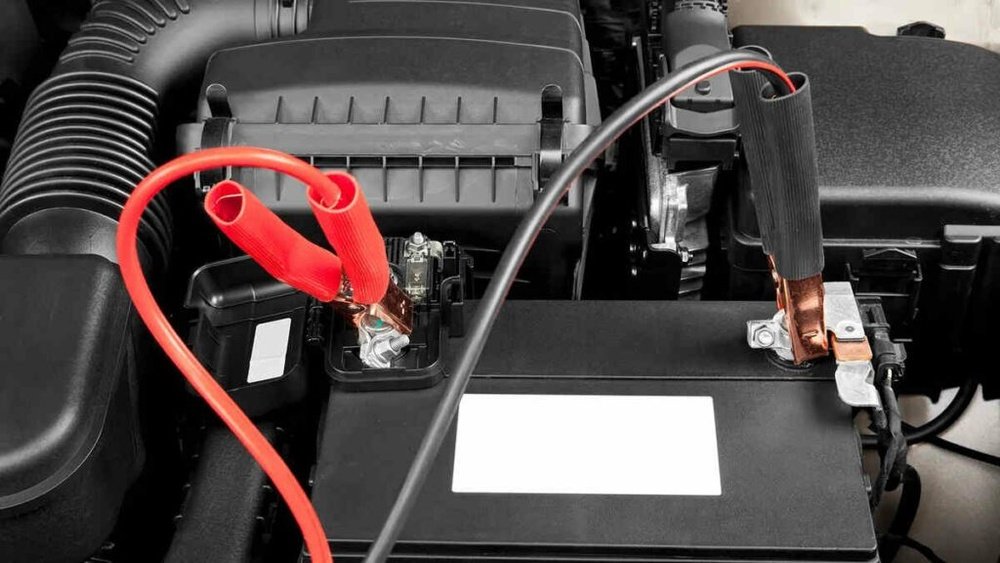
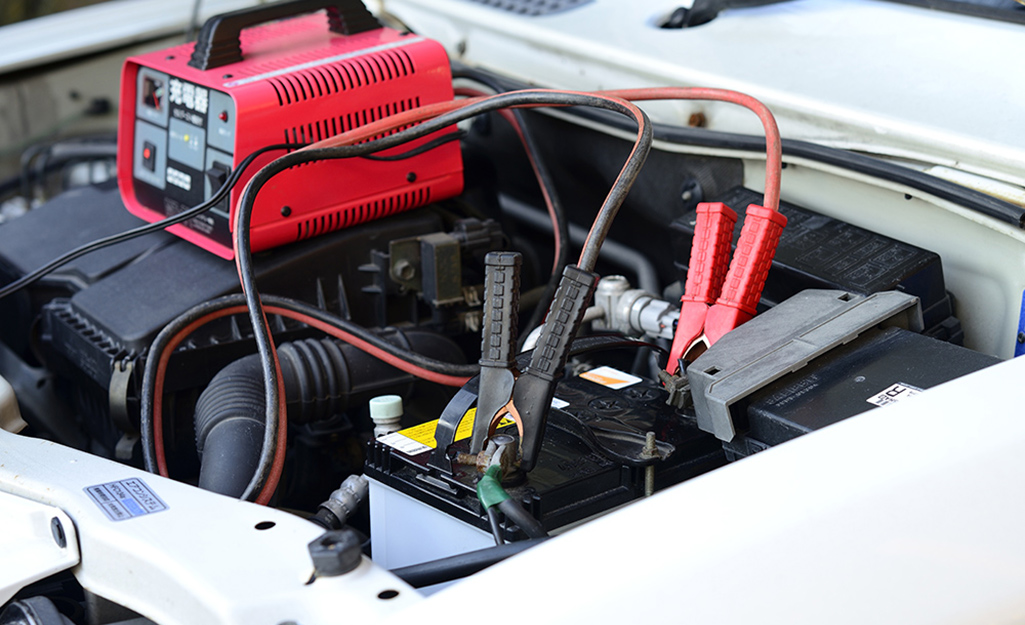
First, make sure the charger is unplugged. Connect the red clamp to the battery’s positive terminal. Then, connect the black clamp to the negative terminal. Double-check the clamps are secure and not touching each other.
Setting Charger Modes
Turn on the charger and select the correct charging mode. Use a slow or trickle charge for better battery health. Fast charging is possible but may reduce battery life. Choose the mode based on your battery type and condition.
Monitoring Charging Progress
Watch the charger’s indicator lights or display. They show the battery’s charging status. Stop charging once the battery is full. Overcharging can damage the battery. Unplug the charger before removing the clamps.
Jump-starting A Dead Battery
Jump-starting a dead battery is a quick way to get your car running again. It uses power from another vehicle’s battery to start your engine. This method works best when your battery is not completely damaged. Follow each step carefully to avoid any risks. Safety is important when handling car batteries and cables.
Using Jumper Cables Safely
Choose good quality jumper cables with thick insulation. Make sure both cars are off before connecting cables. Attach the red cable clamp to the positive (+) terminal of the dead battery. Connect the other red clamp to the positive (+) terminal of the donor battery. Next, attach the black clamp to the negative (-) terminal of the donor battery. Finally, connect the last black clamp to a clean, unpainted metal surface on the dead car’s engine. Avoid attaching it to the dead battery’s negative terminal to reduce sparks. Keep cables clear of moving engine parts.
Starting The Donor Vehicle
Start the donor vehicle and let it run for a few minutes. This allows the battery to send power to the dead one. Try to start the car with the dead battery. If it does not start after several attempts, wait a bit longer. Do not crank the engine for more than five seconds at a time to avoid damage. Once the car starts, keep the engine running.
Running The Engine To Recharge
Keep the jumped car’s engine running for at least 15 to 30 minutes. This lets the alternator recharge the battery. Drive the car around if possible, rather than just idling. Avoid turning off the engine during this time. If the car does not start again after shutting down, the battery may need replacement. Regular checks and maintenance help avoid dead batteries in the future.
Using A Portable Jump Starter
Using a portable jump starter offers a fast and simple way to charge a car battery. This device stores power and delivers a strong burst of energy to the battery. It works without needing another vehicle. Portable jump starters are compact and easy to carry. They help start your car in emergencies quickly. Follow the steps below to use one safely and effectively.
Preparing The Jump Starter
First, check the jump starter’s charge level. Make sure it has enough power to start the car. Turn off the vehicle and all accessories. Put on safety gloves and glasses to protect yourself. Read the jump starter’s manual for specific instructions. Place the jump starter close to the car battery but avoid touching moving parts.
Connecting To The Battery
Identify the car battery terminals: positive (+) and negative (-). Attach the red clamp to the positive terminal. Attach the black clamp to the negative terminal or a metal ground on the car. Ensure clamps fit tightly and do not touch each other. Double-check the connections before proceeding. This step is crucial for safety and proper charging.
Starting The Vehicle
Turn on the jump starter device. Start the car’s engine. The jump starter will send power to the battery. If the car does not start within a few seconds, wait a minute and try again. Once the engine runs, remove the clamps in reverse order: negative first, then positive. Turn off the jump starter and store it safely. Drive the car for at least 15 minutes to recharge the battery fully.
Post-charging Care
After charging a car battery, proper care is essential. It ensures safety and extends battery life. Taking careful steps right after charging helps prevent damage. Follow these simple actions to keep your battery in good condition.
Disconnecting Equipment
Turn off the battery charger before removing cables. Always remove the negative (black) clamp first. Next, remove the positive (red) clamp carefully. Avoid touching the clamps together or to metal parts. Store the charger and cables in a dry place.
Testing Battery Health
Check the battery voltage with a multimeter after charging. A healthy battery shows about 12.6 volts or more. If voltage is low, the battery may need more charging or replacement. Also, start your car to see if it runs smoothly. Watch for dim lights or slow engine cranking.
Maintaining Battery Longevity
Keep battery terminals clean and free of corrosion. Use a wire brush or baking soda solution to clean them. Ensure battery fluid levels are adequate if your battery allows it. Park the car in a cool, dry place to avoid heat damage. Regularly drive the car to keep the battery charged.
When To Replace A Battery
Knowing when to replace a car battery is important for vehicle reliability. A battery that no longer holds a charge or shows signs of damage can cause starting problems. Replacing the battery at the right time saves you from unexpected breakdowns and costly repairs. Below are key points to help decide when a battery needs replacement.
Signs Of Permanent Damage
Look for corrosion on battery terminals or cracks on the case. Swollen or leaking batteries indicate serious internal damage. If the battery cannot hold a charge after several attempts to recharge, it likely has permanent damage. Dim headlights or slow engine crank are warning signs of battery failure.
Battery Age Considerations
Most car batteries last about three to five years. Age reduces battery capacity and performance. Even if the battery seems fine, old batteries are prone to sudden failure. Check the manufacture date on the battery label to track its age. Replace batteries older than five years as a preventive measure.
Professional Testing Options
Auto shops offer battery load testing to measure battery health. This test checks voltage and cold cranking amps under stress. Professionals can identify if the battery still performs well or needs replacement. Testing is quick and provides accurate results to avoid guesswork.
Credit: www.homedepot.com

Credit: www.caranddriver.com
Frequently Asked Questions
What Is The Correct Way To Charge A Car Battery?
Connect the charger’s positive clamp to the battery’s positive terminal. Attach the negative clamp to the negative terminal or vehicle frame. Use a smart charger to avoid overcharging. Charge slowly at recommended amperage until full. Always wear safety gear and follow the charger’s instructions carefully.
Can My Dead Car Battery Be Recharged?
Yes, a dead car battery can often be recharged using a jump starter or dedicated battery charger. Success depends on battery age and condition. Always follow safety guidelines and check the battery’s health before charging. Replace the battery if it cannot hold a full charge.
Will Autozone Charge Your Battery For Free?
AutoZone offers free battery testing but does not charge car batteries for free. They sell battery chargers and services.
How Long Do You Need To Run Your Car To Charge The Battery?
Drive your car at least 30 minutes to recharge the battery using the alternator. Longer drives charge it better.
Conclusion
Charging a car battery safely takes patience and care. Use the right charger for your battery type. Keep an eye on the charging process to avoid overcharging. Always wear protective gear like gloves and glasses. If the battery stays weak after charging, it may need replacement.
Regularly checking your battery helps prevent sudden failures. Following these steps keeps your car ready to go. Simple actions make a big difference in battery life. Stay safe and keep your battery healthy for better performance.