Are you sure your tires are properly inflated? Checking your tire pressure is one of the simplest ways to keep your car safe, improve fuel efficiency, and extend tire life.
Yet, many drivers skip this quick step or don’t know exactly how to do it right. In this guide, you’ll learn exactly how to check your tire pressure with easy, clear steps you can follow anywhere—even at a gas station.
By the time you finish reading, you’ll feel confident handling your tires like a pro, saving money and avoiding unexpected problems on the road. Let’s get started and make sure your ride is smooth and safe every time you hit the street.
Credit: www.telletire.com
Why Tire Pressure Matters
Maintaining the correct tire pressure is crucial for every driver. Proper tire pressure affects how your vehicle performs on the road. It impacts safety, fuel consumption, and how long your tires last. Checking tire pressure regularly helps you avoid many common problems. It ensures a smooth, safe, and cost-effective driving experience.
Impact On Safety
Correct tire pressure helps keep your car stable on the road. Underinflated tires can cause poor handling and longer stopping distances. Overinflated tires reduce the contact area with the road, lowering traction. Both conditions increase the risk of accidents. Properly inflated tires improve grip and control, especially in wet or slippery conditions.
Fuel Efficiency Benefits
Proper tire pressure reduces rolling resistance. Tires with low pressure require more energy to move. This leads to higher fuel consumption and more trips to the pump. Maintaining the right pressure saves money on fuel. It also reduces your vehicle’s carbon footprint by lowering emissions.
Tire Longevity
Tires wear out faster if pressure is incorrect. Low pressure causes uneven wear on the edges. High pressure wears out the center tread quickly. Balanced tire pressure helps the tires wear evenly. This extends the life of your tires and delays costly replacements.
Tools You Need
Checking tire pressure requires the right tools. These tools help you get accurate readings and keep your tires safe. Having the proper equipment saves time and improves your car’s performance.
Two main tools are essential: tire pressure gauges and air compressors. Each tool has a specific role in measuring and adjusting tire pressure. Knowing how to use them ensures your tires stay at the correct pressure.
Types Of Tire Pressure Gauges
Tire pressure gauges measure the air pressure inside your tires. There are three common types: digital, dial, and stick gauges.
Digital gauges show the pressure on a screen. They are easy to read and very accurate.
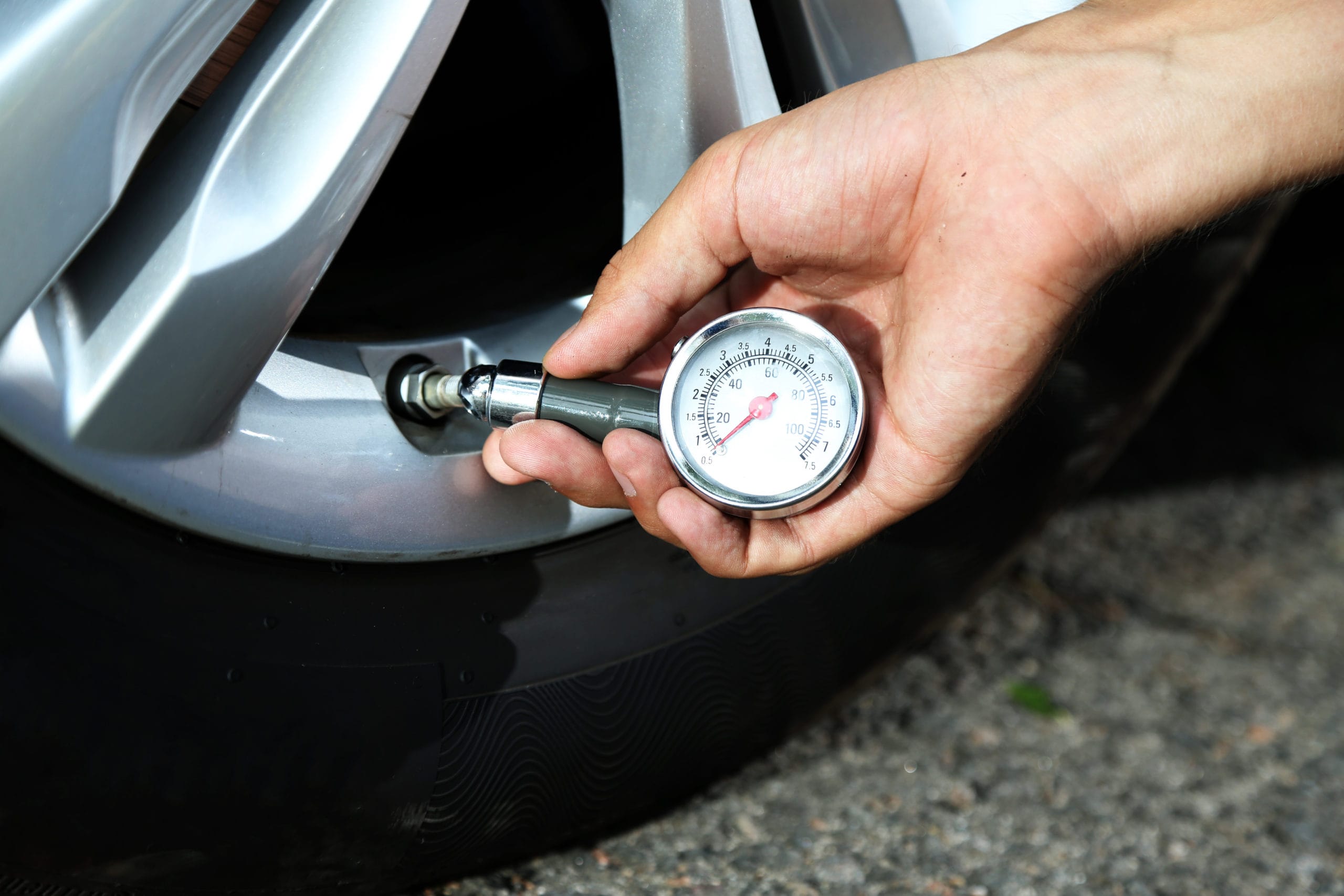
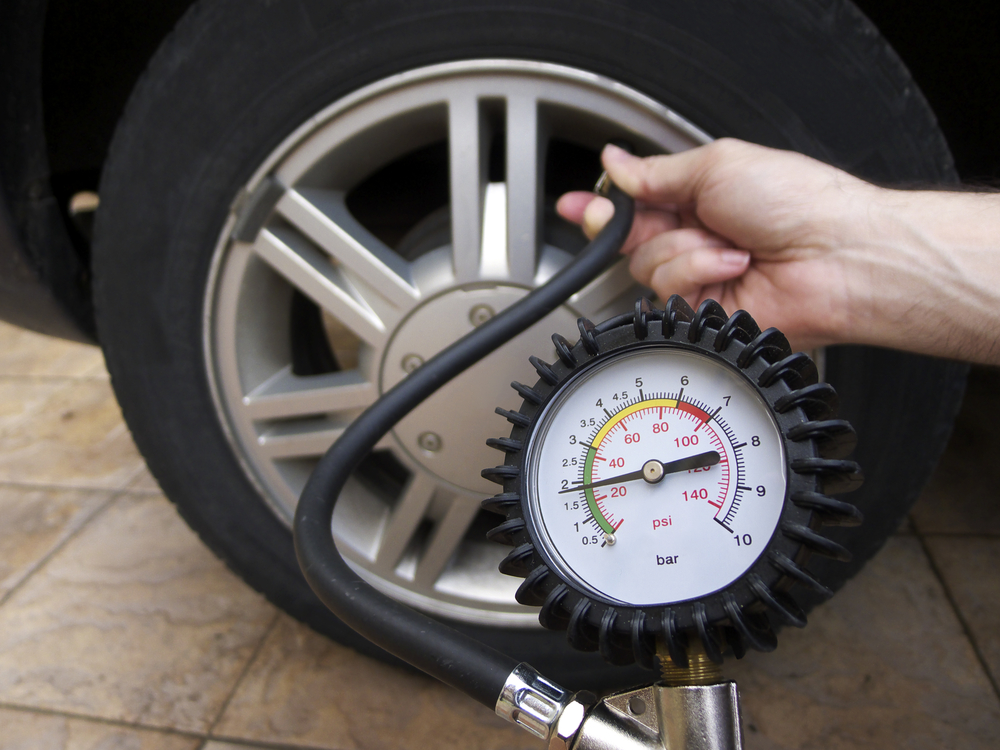
Dial gauges have a round face with a needle. They are simple and reliable.
Stick gauges use a small rod that slides out to show the pressure. They are lightweight and affordable.
Using Air Compressors
Air compressors add air to your tires. They help reach the right pressure quickly.
Many gas stations have air compressors you can use. Some come with built-in pressure gauges.
To use an air compressor, first remove the valve cap on your tire. Then press the air hose nozzle firmly onto the valve stem. You will hear a brief hiss of air.
Check the pressure on the gauge. Add air with the compressor if needed. Release the trigger and recheck until the pressure is correct.
Remember to screw the valve caps back on after filling your tires.
Finding The Right Psi
Finding the right PSI (pounds per square inch) for your tires is key to safe driving and good fuel economy. Tire pressure affects how your car handles and how long your tires last. Overinflated or underinflated tires can cause uneven wear and reduce grip on the road. Knowing where to find the correct PSI helps you keep your tires in top condition.
Checking Manufacturer Recommendations
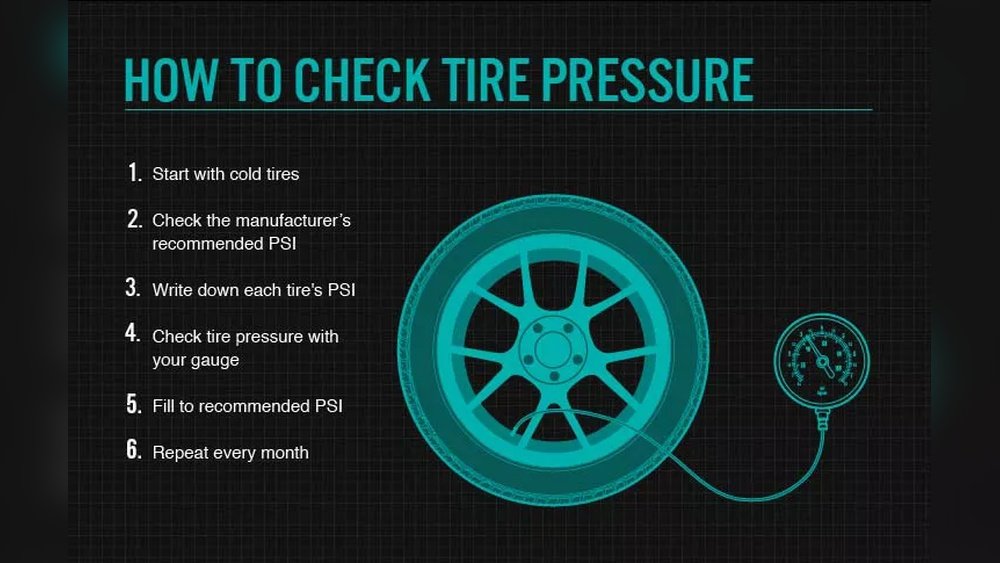
Start by checking the tire pressure recommended by your vehicle’s manufacturer. This information is usually on a sticker inside the driver’s door or in the owner’s manual. The recommended PSI is based on your car’s weight and design. Follow these numbers for the best balance of comfort and performance. Do not rely on the number printed on the tire itself.
Understanding Tire Sidewall Numbers
The numbers on the tire sidewall show the tire size and maximum pressure, not the recommended PSI. For example, a number like “Max PSI 44” means the tire can hold up to 44 pounds per square inch safely. This is not the pressure to use for daily driving. Always use the manufacturer’s recommended PSI, not the maximum listed on the tire.
Preparing Your Vehicle
Preparing your vehicle is the first step to checking tire pressure accurately. It ensures safety and gives you a clear reading. Taking a few simple precautions helps avoid mistakes and saves time.
Start by making sure your car is stationary and secure. This prevents any accidents or movements while you check the tires. Also, knowing the best time to check tire pressure can improve accuracy. Tire pressure changes with temperature, so timing matters.
Park And Secure Your Car
Find a flat surface to park your vehicle. Avoid slopes or uneven ground. Turn off the engine and apply the parking brake. This keeps the car from rolling or moving. Place wheel chocks behind the tires for extra safety. Always check tire pressure with the car fully stopped.
When To Check Tire Pressure
Check your tire pressure when the tires are cold. Cold tires mean the car has not been driven for at least three hours. Heat from driving increases tire pressure and gives a false reading. Morning is the best time to check tire pressure. Avoid checking right after driving long distances or in hot weather.
Step-by-step Checking
Checking your tire pressure is simple and important for safe driving. Follow these clear steps to get an accurate reading and keep your tires in good shape. This guide helps you check pressure easily at home or gas stations.
Removing Valve Caps
Locate the valve stem on the tire. Twist the valve cap counterclockwise to remove it. Keep the cap in a safe place. This step lets you access the valve to check pressure.
Reading The Gauge
Press a tire pressure gauge firmly onto the valve stem. Hold it steady until the gauge shows a number. Read the pressure in PSI (pounds per square inch). Use a digital or analog gauge for this.
Adding Or Releasing Air
Compare the reading with your vehicle’s recommended pressure. Add air if the pressure is too low. Release air if the pressure is too high. Repeat checking after each adjustment until the correct pressure is reached.
Checking Pressure At Gas Stations
Checking tire pressure at gas stations is a quick and easy way to keep tires safe and efficient. Most gas stations have air machines with built-in pressure gauges. These allow you to measure and adjust your tire pressure on the spot. This method saves time and helps maintain proper tire health during trips.
Using Built-in Gauges
Start by parking your car close to the air machine. Remove the valve cap from one tire. Press the air hose nozzle firmly onto the valve stem. A short hiss means air is escaping, which is normal. Look at the built-in gauge on the machine to see the pressure reading. If the pressure is low, press the trigger to add air. Stop and check pressure again. Repeat until the tire reaches the recommended PSI. Screw the valve cap back on. Do this for all tires.
Accuracy Tips
Gas station gauges may not always be precise. For best results, check tire pressure when tires are cold. Early morning or after the car has been parked for a few hours works well. Carry a personal tire pressure gauge for a second opinion. Compare readings to ensure accuracy. Avoid overinflating tires, as it can cause uneven wear and reduce safety. Proper tire pressure improves fuel efficiency and ride comfort.
Seasonal Adjustments
Seasonal changes affect tire pressure significantly. Air contracts in cold weather and expands in heat. This causes tire pressure to drop or rise without adding or releasing air. Adjusting tire pressure with the seasons keeps your driving safe and your tires in good shape.
Cold Weather Considerations
Cold air causes tire pressure to fall. Tires lose about 1 PSI for every 10°F drop. Low pressure can lead to poor traction and faster tire wear. Check tire pressure more often in winter. Inflate tires to the recommended PSI shown on your vehicle’s door frame. Always measure pressure when tires are cold, before driving.
Hot Weather Effects
Heat makes air expand inside tires. This increases tire pressure and can cause overinflation. Overinflated tires wear unevenly and reduce grip. Check tire pressure during hot days or after long drives. If pressure is too high, release some air. Keep it close to the vehicle manufacturer’s recommended PSI for best results.
Common Mistakes To Avoid
Checking tire pressure seems simple but many drivers make common mistakes. These errors can reduce tire life and affect safety. Avoid these mistakes to keep tires in good shape and ensure a smooth ride.
Overinflation Risks
Putting too much air in tires can cause problems. Overinflated tires wear unevenly and have less grip on the road. This leads to a rough ride and increases the chance of a blowout. Always follow the car manufacturer’s recommended pressure. Use a reliable gauge to avoid guessing.
Ignoring Spare Tire Pressure
Many forget the spare tire pressure. A flat spare is useless in emergencies. Check the spare tire pressure regularly, just like the others. Keep it at the recommended level so it is ready when needed. This small step can save time and stress.
Maintaining Proper Pressure Regularly
Maintaining proper tire pressure regularly keeps your vehicle safe and efficient. Tires with correct pressure last longer and improve fuel economy. Checking pressure often prevents unexpected flat tires and uneven wear. A simple routine helps catch pressure drops early. This practice saves money and enhances driving comfort.
How Often To Check
Check tire pressure at least once a month. Also, check before long trips or heavy loads. Temperature changes affect tire pressure, so check more in cold or hot seasons. Regular checks keep pressure close to the recommended level. Don’t wait for the tire warning light to turn on.
Keeping A Tire Pressure Log
Write down your tire pressure readings each time you check. Use a notebook or a phone app for easy tracking. Record the date, pressure values, and any adjustments made. A log helps spot slow leaks or pressure trends. It makes tire care more organized and effective.

Credit: www.goodyear.com
Credit: www.floodmazda.com
Frequently Asked Questions
What Is The Correct Way To Check Tire Pressure?
Park your car on a flat surface and turn off the engine. Locate the recommended PSI on the door jamb sticker. Remove the valve cap, press a tire gauge firmly on the valve stem, and read the pressure. Add air if needed, then replace the valve cap.
Check all tires cold.
How Do You Check Tire Pressure At A Gas Station?
Park your car by the air machine and turn off the engine. Remove a tire’s valve cap. Press the air hose nozzle firmly onto the valve stem. Read the pressure on the built-in gauge. Add air if needed, then recheck pressure.
Replace valve caps and repeat for all tires.
How Do I Know If I Need Air In My Tires?
Check your tire pressure regularly with a gauge. Tires need air if pressure reads below the recommended PSI on your door jamb sticker. Also, notice if tires look visibly flat or your car handles poorly. Maintaining proper air improves safety, fuel efficiency, and tire life.
What Is The Normal Psi For A Tire?
The normal tire PSI usually ranges between 30 and 35 PSI. Check your vehicle’s door jamb sticker for exact recommendations. Maintain recommended PSI for safety, fuel efficiency, and tire longevity. Always measure tire pressure when tires are cold for accurate readings.
Conclusion
Regularly checking your tire pressure keeps your ride safe and smooth. Use a reliable gauge and check when tires are cold. Keep tires at the recommended PSI for better fuel efficiency and tire life. Don’t forget to replace valve caps after checking.
Small steps like these save money and prevent accidents. Make tire pressure checks part of your routine. Safe driving starts with well-maintained tires.