
Choosing the right car battery is more important than you might think. Your car’s battery powers everything from starting the engine to running the lights and electronics.
But with so many options out there, how do you know which one fits your vehicle and your driving needs? If you pick the wrong battery, you could face unexpected breakdowns or poor performance. This guide will help you understand what to look for, how to match the battery to your car, and what features matter most.
Read on, and you’ll make a confident choice that keeps your car running smoothly no matter the conditions.

Credit: www.batteriesplus.com
Battery Types
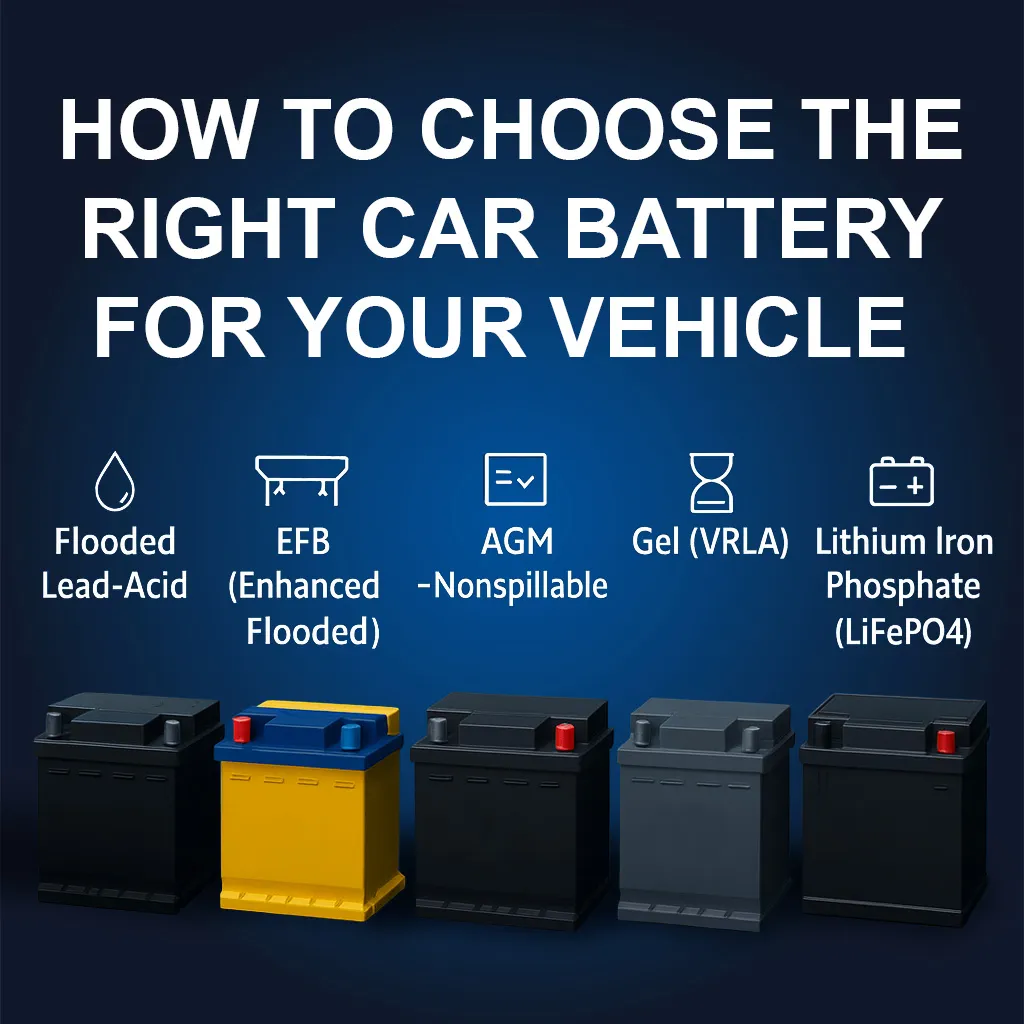
Choosing the right car battery starts with understanding battery types. Each type works differently and fits different car needs. Knowing the differences helps you pick the best one for your vehicle. Below are common car battery types and their key features.
Standard Flooded Batteries
These are the most common and cheapest car batteries. They contain liquid acid and lead plates inside. They need regular maintenance, like topping up water. They work well for many cars but can spill acid if tipped.
Agm Batteries
AGM stands for Absorbent Glass Mat. These batteries hold acid in a glass mat, so no free liquid moves inside. They last longer and handle vibrations better. They charge faster and are safer than flooded batteries. Many modern cars use AGM batteries.
Efb Batteries
EFB means Enhanced Flooded Battery. They are an improved version of standard flooded types. EFB batteries perform better in stop-start cars. They offer more charge cycles and stronger power. They cost more but give better reliability.
Lithium Batteries
Lithium batteries are lighter and smaller than others. They provide high power and last a long time. These batteries charge very fast and hold charge well. They are more expensive but great for high-performance cars.
Battery Size And Fit
Choosing the right battery size and fit is critical for your car’s performance. A battery that fits perfectly ensures secure installation and reliable power delivery. Size and fit affect how the battery connects and functions in your vehicle. Understanding these factors helps you avoid issues like loose connections or battery damage.
Group Size Importance
Group size refers to the battery’s physical dimensions and terminal placement. Each car model requires a specific group size for proper fit. A battery that is too large or too small will not fit correctly in the battery tray. Using the correct group size prevents vibration and movement that can damage the battery. Always choose the group size recommended for your vehicle.
Terminal Location And Type
Battery terminals come in different locations and types, such as top or side terminals. The terminal position must match your vehicle’s cable arrangement. Incorrect terminal locations can cause cable strain or poor connections. Terminal type also matters for compatibility with clamps and connectors. Check the terminal layout to ensure easy installation and safe operation.
Consulting Owner’s Manual
Your vehicle’s owner’s manual is the best source for battery specifications. It provides the exact group size and terminal details needed. The manual also lists the minimum cold cranking amps (CCA) required. Following the manual’s guidelines avoids guesswork and ensures you buy the right battery. Keep the manual handy when shopping for a new battery.
Cold Cranking Amps (cca)
Cold Cranking Amps (CCA) is a key factor when choosing a car battery. It measures the battery’s ability to start your engine in cold weather. Higher CCA means the battery can deliver more power in low temperatures. This helps your car start quickly and reliably during winter.
What Cca Means
CCA stands for Cold Cranking Amps. It is the amount of current a battery can provide for 30 seconds at 0°F (-18°C). The battery must keep at least 7.2 volts during this time. This rating shows the battery’s strength to start an engine in cold conditions.
Matching Cca To Vehicle Needs
Every vehicle needs a specific CCA to start properly. Check your owner’s manual for the recommended CCA rating. Choose a battery with a CCA equal to or higher than this number. Using a battery with too low CCA can cause starting problems.
Benefits Of Higher Cca
Batteries with higher CCA provide more starting power. They perform better in very cold weather. Higher CCA also helps if your engine is larger or if you use many electrical accessories. It gives your car a reliable start every time.
When To Choose More Cca
- Living in areas with cold winters
- Driving a large or diesel engine
- Using extra electrical devices in your car
- Replacing an old battery that often struggles to start
Battery Capacity And Reserve
Battery capacity and reserve play vital roles in your car’s performance. Capacity shows how much energy the battery can store. Reserve capacity tells how long the battery can run if the alternator fails. Both affect how reliable your vehicle will be, especially in tough conditions.
Reserve Capacity Explained
Reserve capacity (RC) measures minutes a battery can run without engine power. It shows how long electrical systems work during emergencies. A higher RC means more time to start the car or use accessories. This is important if you use many devices or face power outages. Check the RC rating on the battery label. Choose one that fits your needs for peace of mind.
Choosing Capacity For Driving Habits
Driving style affects the battery capacity you need. Short trips use less battery power but require quick starts. Long trips drain less from the battery because the alternator charges it more. For city driving, pick a battery with higher capacity to avoid failures. For highway driving, a moderate capacity often works well. Think about your daily routes before selecting capacity. This helps keep your car running smoothly every day.
Battery Lifespan And Warranty
Understanding the battery lifespan and warranty is important when choosing a car battery. These factors affect how long the battery will last and the protection you get after purchase. Knowing what to expect helps you make a smart decision. It also saves money and avoids frequent replacements.
Average Lifespan Expectations
Most car batteries last between three to five years. The actual lifespan depends on usage, climate, and maintenance. Hot weather can shorten battery life. Cold weather demands more power from the battery but may not reduce its life span as much. Regular checks and cleaning can extend battery life. Look for batteries rated for longer life if you want fewer replacements.
Warranty Terms To Look For
A good warranty covers defects and early failure. Standard warranties last from one to three years. Some brands offer free replacement within the first year. Others provide prorated coverage after that. Check if the warranty includes full or partial refunds. Also, see if it requires professional installation or regular maintenance. Choose a battery with clear, fair warranty terms to avoid surprises.
Cost Factors
Understanding the cost factors can help you pick the right car battery without overspending. Various elements affect the price. Knowing these can simplify your choice and ensure good value for your money.
Battery Type And Technology
The type of battery influences cost significantly. Traditional lead-acid batteries are usually cheaper. Absorbent Glass Mat (AGM) batteries cost more but last longer. Lithium-ion batteries are the most expensive but offer high performance. Choose a type that fits your budget and vehicle needs.
Vehicle Type Influence
Different vehicles require different battery sizes and power. Larger vehicles or trucks need bigger batteries, which cost more. Compact cars use smaller batteries that are less expensive. Check your vehicle specifications to avoid paying for an unsuitable battery.
Brand Reputation
Well-known brands often charge higher prices. They provide reliable performance and longer warranties. Lesser-known brands may be cheaper but might lack durability. Investing in a reputable brand can save money on replacements later.
Installation Costs
Some batteries require professional installation, which adds to the total cost. Basic batteries may be easy to install yourself. Complex or high-tech batteries often need expert help. Factor in installation fees when budgeting for your new battery.
Purchasing Location
Prices vary by where you buy your battery. Auto shops might charge more than online retailers. Local stores offer convenience and immediate service. Online options can be cheaper but may have shipping fees. Compare prices in different places before buying.
Special Considerations
Choosing the right car battery requires special attention beyond size and power. Certain factors affect battery performance and lifespan. Recognizing these can help you pick the best battery for your vehicle.
These special considerations ensure the battery meets your car’s unique needs. They also improve reliability and avoid frequent replacements.
Start-stop Systems
Cars with start-stop systems turn off the engine at stops to save fuel. These systems need batteries that handle frequent starts and stops. Standard batteries may wear out faster in such cars.
Look for batteries labeled AGM or EFB. They provide better charge acceptance and longer life. This type of battery supports many engine restarts daily without losing power.
Extreme Weather Conditions
Cold winters and hot summers strain car batteries. Low temperatures reduce battery capacity and make starting harder. High heat accelerates battery fluid loss and damages internal parts.
Choose a battery with high Cold Cranking Amps (CCA) for cold climates. For hot areas, pick one designed to resist heat and corrosion. Proper weather protection keeps the battery reliable year-round.
Advanced Electronics Compatibility
Modern cars have many electronic devices and systems. Infotainment, navigation, sensors, and safety features all draw power. A battery must support these demands without draining quickly.
Select batteries that handle high electrical loads. Some come with enhanced reserve capacity to power electronics when the engine is off. This prevents unexpected power loss during use.
Maintenance Tips
Proper maintenance keeps your car battery strong and lasts longer. Small efforts can prevent sudden failures and save money. Simple steps help avoid corrosion and power issues. Regular care keeps your battery ready for every drive.
Regular Inspection
Check your battery every month. Look for cracks or leaks on the case. Make sure the battery is secure and does not move. Inspect the battery fluid level if it is not sealed. Low fluid means you should add distilled water.
Cleaning Terminals
Dirty terminals cause poor connections and starting problems. Clean terminals with a brush and a mix of baking soda and water. Remove corrosion gently to avoid damage. After cleaning, dry the terminals and apply a thin layer of petroleum jelly to stop rust.
Proper Charging
Use the right charger for your battery type. Avoid overcharging, which can reduce battery life. Charge slowly to keep the battery healthy. If you do not drive often, use a trickle charger to maintain full power.
Disposal And Recycling
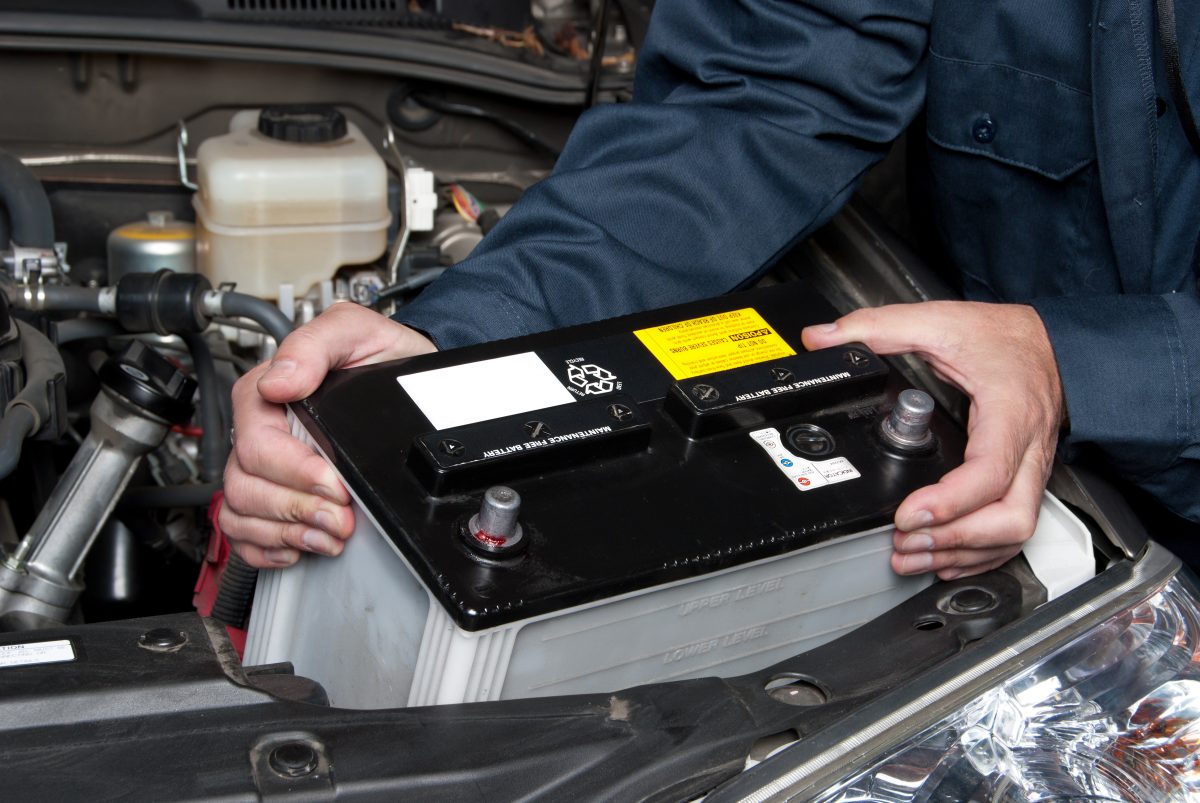
Proper disposal and recycling of car batteries protect the environment and conserve resources. Car batteries contain harmful materials that can pollute soil and water. Recycling helps recover valuable metals and reduces waste. Understanding disposal and recycling options is important when choosing a car battery.
Environmental Impact
Car batteries hold lead, acid, and plastic parts. These materials can harm nature if thrown in landfills. Lead and acid can leak, causing soil and water pollution. Toxic substances affect plants, animals, and humans. Recycling reduces pollution and lowers the need for new raw materials. It helps preserve natural habitats and reduces energy use.
Recycling Options
Many stores and service centers accept old car batteries for recycling. Some local recycling centers also handle battery disposal safely. Manufacturers often provide take-back programs. Returning your battery to these places ensures proper handling. Never throw batteries in regular trash bins. Always ask about recycling policies when buying a new battery.
Credit: blog.amsoil.com
Credit: suzukibattery.sg
Frequently Asked Questions
How Do I Know Which Car Battery To Buy?
Choose a car battery that matches your vehicle’s size, terminal type, and cold cranking amps (CCA). Check your owner’s manual for specifications and pick a battery with equal or higher CCA to ensure reliable performance.
Is 500 Cold Cranking Amps Good?
A 500 cold cranking amps (CCA) battery is good if it meets or exceeds your vehicle’s recommended CCA. It ensures reliable starts, especially in cold weather. Always check your owner’s manual for the minimum CCA rating your car requires before buying.
Is It Okay To Put A Higher Amp Battery In A Car?
Using a higher amp battery is generally safe and can improve performance. Ensure it fits your car’s size and terminal type. Avoid overspending on excessive capacity beyond your vehicle’s needs. Always check your owner’s manual for the recommended cold cranking amps (CCA) before upgrading.
Is $300 Too Much For A Car Battery?
A $300 car battery may be expensive but suits premium, AGM, or start-stop system vehicles. Standard batteries usually cost less.
Conclusion
Choosing the right car battery keeps your vehicle running smoothly. Always check your car’s manual for the correct size and CCA rating. Pick a battery that fits well and meets or exceeds these specs. A good battery lasts longer and performs better in all weather.
Don’t ignore signs of a weak battery to avoid getting stranded. Take time to compare options before buying. This helps ensure you get the best value and reliability. A careful choice saves money and worry on the road.