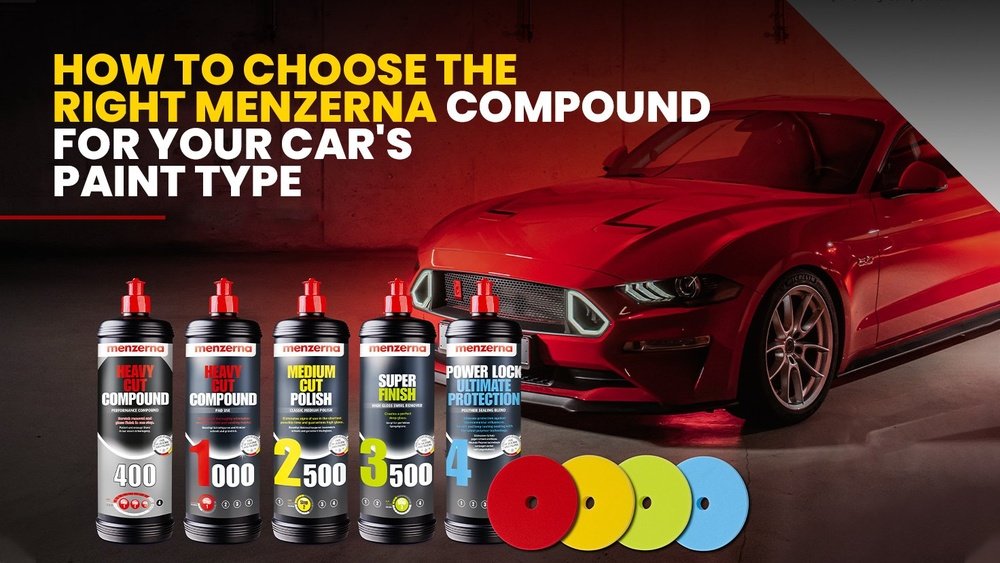
Choosing the right compound or polish can feel confusing, especially when you want your car’s paint to look its absolute best. You might wonder: Should you start with a heavy-duty compound to remove those deep scratches?
Or is a gentle polish enough to bring back the shine? The truth is, using the right product at the right time can save you hours of work and prevent damage to your paint. In this guide, you’ll learn exactly how to pick the perfect compound or polish for your car’s needs.
By the end, you’ll feel confident tackling any paint imperfection and restoring your vehicle’s showroom finish. Keep reading to unlock the secrets to flawless paint correction!
Compound Vs Polish
Choosing between a compound and a polish is key to restoring your car’s paint. Both serve to improve the surface but differ in strength and purpose. Knowing their differences helps protect your paint and achieve the best shine.
Abrasive Levels
A compound has strong abrasives. It removes deep scratches and heavy oxidation fast. Polish contains finer abrasives. It smooths out minor imperfections and enhances gloss. Polish is gentler and safer for regular use.
Typical Uses
Use a compound for serious paint damage. It corrects rough surfaces and heavy swirl marks. Polish works well on lightly scratched or dull paint. It is often applied after compounding to refine the finish.
Effects On Paint
Compounds can remove more paint if used carelessly. They level out damaged areas but need caution. Polishes remove less paint and improve clarity. They restore shine and prepare the surface for waxing.
Types Of Compounds
Choosing the right compound depends on the type of paint correction needed. Compounds vary by their abrasiveness level and purpose. Understanding the types helps select the best product for your car’s paint condition. Each compound type targets specific defects and prepares the surface for polishing.
Heavy Cut Compounds
Heavy cut compounds remove deep scratches and severe oxidation. They have large abrasive particles that quickly smooth rough surfaces. Use them on old or damaged paint to level out imperfections. These compounds may leave minor haze that needs further polishing. They are ideal for restoring very dull or neglected paint.
Medium Cut Compounds
Medium cut compounds handle moderate paint defects like swirl marks and light scratches. They balance cutting power and finish quality well. These compounds refine the surface after heavy cut compounds or work alone on less damaged paint. Medium cut products prepare the paint for fine polishing steps. They are versatile for regular paint correction jobs.
Fine Cut Compounds
Fine cut compounds have small abrasives for gentle correction. They remove minor defects and improve gloss without damaging the paint. Use fine cut compounds after medium ones to refine the finish. These compounds enhance clarity and depth of the paint’s shine. They help achieve a smooth, polished look before applying wax or sealant.
Types Of Polishes
Choosing the right polish depends on understanding the types available. Each polish type has a specific role in paint correction. Knowing these helps you select the best product for your car’s needs.
Light Polishes
Light polishes are gentle on paint surfaces. They remove minor imperfections like small swirls and light haze. These polishes improve shine without cutting too deep into the paint. Use light polishes on newer cars or after heavier polishing steps.
Finishing Polishes
Finishing polishes refine the paint’s surface for a smooth, glossy look. They remove very fine scratches and haze left by previous steps. These polishes enhance clarity and depth of the paint color. Finishing polishes prepare the surface for waxing or sealing.
Super Fine Polishes
Super fine polishes contain the smallest abrasives. They are almost abrasive-free to the touch. These polishes create a mirror-like finish on the paint. Use super fine polishes as the last step before applying a protective coating. They boost gloss without damaging the surface.
Credit: ecocarcafe.com
When To Use Compound
Knowing when to use a compound is key to fixing your car’s paint correctly. Compounds contain stronger abrasives than polishes. They remove serious paint problems. Using a compound helps restore the surface before polishing. Applying it at the right time avoids wasting effort and protects your paint.
Removing Deep Scratches
Compounds are best for deep scratches. These scratches cut into the clear coat and paint. A polish cannot remove them fully. The compound’s abrasives grind down the damaged layer. This makes the scratch less visible or removes it. Use a compound gently to avoid damaging the paint further.
Correcting Severe Swirls
Severe swirl marks need a compound. Swirls appear from washing or drying with rough cloths. Polishes may not fix deep swirls well. Compounds smooth out the paint surface by removing the rough edges. This improves the look and feel of the paint. After compounding, polish to restore shine and gloss.
Preparing Paint For Polishing
Use a compound before polishing on old or rough paint. It cleans and levels the surface. This step removes heavy oxidation and stubborn stains. Preparing the paint with a compound allows polish to work better. It results in a clearer, more reflective finish. Skipping compounding may leave defects under the polish.
When To Use Polish
Knowing when to use polish is key to a smooth and shiny car finish. Polish works best after heavier correction steps or on paint with only minor flaws. It prepares the surface for a glossy, flawless look. Using polish at the right time improves the overall appearance and protects your paint.
Enhancing Shine
Polish refines the paint surface by smoothing small imperfections. It adds depth and clarity to your car’s color. Using polish enhances the gloss without removing too much paint. This step helps your car look newer and more vibrant.
Removing Light Imperfections
Polish is perfect for fixing light scratches and swirl marks. These are small flaws that do not need heavy correction. Polishing gently removes these blemishes and evens out the paint surface. It leaves the finish smooth and clean.
Final Paint Correction Step
After compounding, polish is the final step for a perfect finish. It removes any haze or micro-scratches left behind. This step prepares the paint for waxing or sealing. Polishing ensures a mirror-like shine and a smooth feel.
Choosing The Right Abrasiveness
Choosing the right abrasiveness is key to effective paint correction. It controls how much of the paint surface you remove. Selecting the wrong level can harm your paint or leave defects behind. Knowing how abrasive your compound or polish should be helps achieve the best finish. Focus on your paint’s condition and the results you want.
Assessing Paint Condition
Check your paint for scratches, swirl marks, and oxidation. Deep scratches need more aggressive compounds. Light defects call for gentler polishes. Look closely under good light to see the true state. Older, damaged paint may require stronger abrasives. Newer, well-maintained paint usually needs less cutting power.
Balancing Cut And Finish
Compounds cut deeper but can leave haze or micro-scratches. Polishes remove less but give a clearer, shinier finish. Pick a product that balances removing defects and preserving paint clarity. Sometimes, start with a medium abrasive compound then finish with a finer polish. This method improves paint without over-sanding.
Testing On Small Areas
Always test your chosen product on a small hidden spot first. This shows how abrasive the compound or polish really is. Watch for how much defect it removes and how the finish looks. Adjust abrasiveness if the test leaves scratches or doesn’t remove enough damage. Testing saves your paint from unnecessary harm.
Tools And Accessories
Choosing the right tools and accessories is key for effective compounding or polishing. These items directly impact the results and ease of the process. Proper tools help protect your car’s paint and bring out a smooth finish. Understand the different machines, pads, and how to pair them with products for best results.
Machine Types
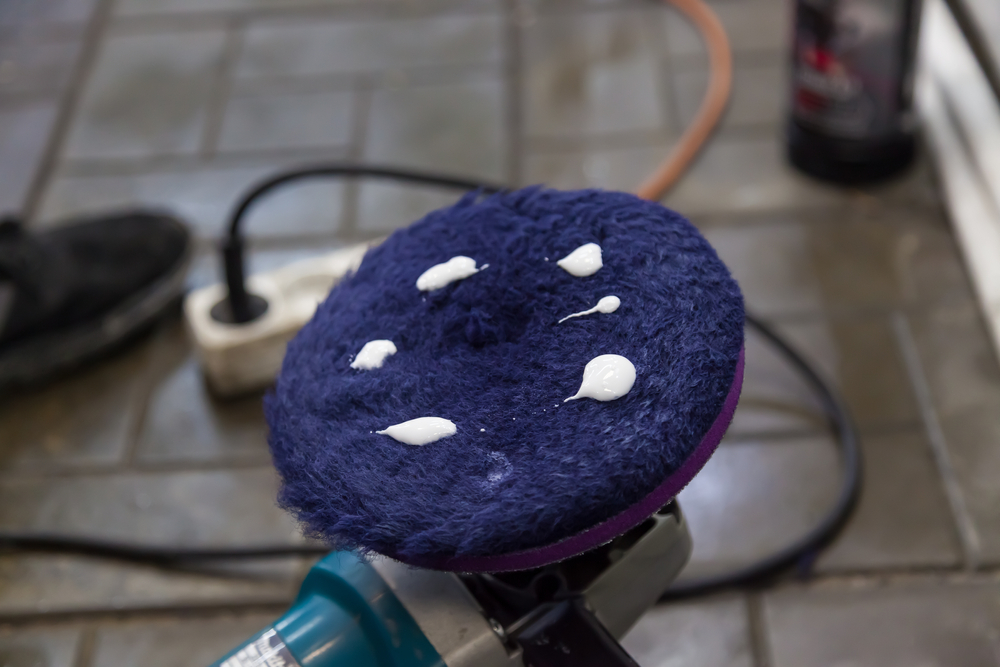
Machines vary by speed and motion. Dual action polishers are user-friendly and safe for beginners. They move in a random orbit, reducing the risk of paint damage. Rotary machines spin in one direction and offer more power. Professionals often use rotary polishers for deep correction. Choose a machine that fits your skill level and the job’s needs.
Pad Selection
Pads come in different materials and densities. Foam pads are common and available in soft, medium, and firm options. Soft pads work well with light polishes and finishing. Medium pads handle moderate compounding and polishing tasks. Firm pads are for heavy compounding to remove deep scratches. Microfiber pads offer aggressive cutting power. Pick the pad that matches the compound or polish abrasiveness.
Combining Tools With Products
Match your machine, pad, and product carefully. Use a heavy compound with a firm or microfiber pad on a rotary machine for tough defects. Pair light polishes with soft foam pads on a dual action polisher for gloss and clarity. Avoid using aggressive pads with fine polishes; this causes swirl marks. Testing combinations on a small area helps find the right balance. Correct pairing ensures efficient paint correction and a flawless finish.

Credit: www.youtube.com
Step-by-step Correction Process
The step-by-step correction process helps you fix paint defects with ease. It guides you through using the right product at the right time. Following these steps ensures smooth, shiny, and flawless paintwork. Start with the most abrasive product and end with the finest finish.
Using Compound First
Compounds contain strong abrasives that remove deep scratches and heavy swirls. Begin by applying compound to problem areas. Use a foam pad and work in small sections. Move the polisher slowly to allow the compound to cut the paint surface. After compounding, wipe the area clean to check results. This step removes major imperfections and levels the paint.
Following Up With Polish
Polish has finer abrasives to refine the paint after compounding. Apply polish to smooth out haze and light scratches left behind. Use a softer pad and lower speed on your polisher. Work in overlapping passes for even coverage. Polish enhances gloss and clarity, making the paint look fresh and bright.
Final Finishing Touches
After polishing, clean the surface with a microfiber cloth. Inspect the paint under good light to find any missed spots. Use a finishing polish or glaze for extra shine if needed. Seal the paint with a wax or sealant to protect your work. This final step locks in the shine and keeps paint safe from damage.
Common Mistakes To Avoid
Choosing the right compound or polish for your car paint can be tricky. Many people make common mistakes that harm the paint or reduce the shine. Avoiding these errors saves time and protects your car’s finish. Here are some common mistakes to watch out for.
Overuse Of Compound
Using too much compound can damage the paint. Compounds are abrasive and remove layers of clear coat. Excessive use can cause uneven surfaces and dullness. Apply only the needed amount and do test spots first. Less is more to keep paint safe and smooth.
Skipping Steps
Some skip the polishing step after compounding. Polishing removes fine scratches left by compounds. It restores the shine and smoothness of the paint. Skipping polishing leaves the surface rough and dull. Always follow compounding with polishing for best results.
Ignoring Paint Type
Different paints need different compounds and polishes. Soft paints require gentler products to avoid damage. Hard paints allow stronger compounds for deeper correction. Know your paint type before choosing a product. Using the wrong one can cause swirl marks or fading.
Product Recommendations
Choosing the right compound or polish is essential for restoring your vehicle’s paint. The right product removes imperfections without damaging the surface. This section highlights some top compounds, best polishes, and trusted brands. These recommendations help you pick the right option for your needs.
Top Compounds
Meguiar’s Ultimate Compound works well on heavy scratches and oxidation. It quickly removes defects and prepares the surface for polishing. 3M Perfect-It Rubbing Compound is another strong choice for deep scratches. It smooths rough areas and improves paint clarity. Turtle Wax Premium Rubbing Compound is good for beginners. It balances effectiveness with ease of use.
Best Polishes
Meguiar’s Mirror Glaze Polish refines surfaces after compounding. It enhances gloss and removes light swirls. Chemical Guys VSS Scratch and Swirl Remover is gentle yet effective. It works well on moderate paint imperfections. Griot’s Garage Complete Polish offers a smooth finish and great shine. It suits many paint types.
Trusted Brands
Meguiar’s has a long history of quality car care products. Their compounds and polishes are widely trusted. 3M is known for professional-grade detailing supplies. Their products deliver consistent results. Chemical Guys combines innovation with user-friendly formulas. Turtle Wax offers affordable products with reliable performance. Griot’s Garage focuses on high-quality detailing essentials.

Credit: osren.com
Frequently Asked Questions
How To Know When To Use Compound Or Polish?
Use compound to remove heavy swirls and deep scratches quickly. Use polish to refine paint and enhance shine after compounding or on light imperfections. Choose compound for serious correction, polish for finishing and clarity.
How Do I Choose The Right Polishing Compound?
Choose a polishing compound based on paint damage severity. Start with a medium abrasive for moderate defects. Use coarse for deep scratches, fine for light swirls. Test on a small area to ensure desired results. Adjust abrasiveness to balance correction and paint safety.
Is Rubbing Compound Better Than Polish?
Rubbing compound removes deep scratches and heavy defects quickly. Polish refines paint, enhances shine, and smooths minor imperfections. Use compound first for correction, then polish for a perfect finish. Neither is better alone; both serve different purposes in paint restoration.
Do I Need To Compound Before Polishing?
Use a compound first to remove heavy scratches or swirls, then polish to refine and enhance shine. Polishing alone suits light imperfections.
Conclusion
Choosing the right compound or polish makes a big difference. Start by assessing your car’s paint condition carefully. Use compounds for heavy scratches and polishing for light imperfections. Test products on a small area to see results. Always follow instructions to avoid damage.
Remember, patience leads to a better finish. A well-chosen product restores shine and protects paint. Keep your car looking fresh and smooth with the right care. Simple steps bring great results every time.