Your car’s headliner may not be the first thing you think about when cleaning your vehicle, but keeping it fresh and spotless makes a huge difference in your driving experience. If you’ve noticed stains, dirt, or unpleasant odors up top, it’s time to give your headliner the attention it deserves.
But how do you clean it without damaging the delicate fabric or causing it to sag? In this guide, you’ll discover simple, effective steps to clean your car’s headliner safely and thoroughly. By the end, you’ll have the confidence to restore that clean, fresh look above your head—making every ride more enjoyable.
Ready to transform your car’s interior? Let’s get started!
Materials Needed
Cleaning the headliner in your car requires the right materials. The proper tools make the job easier and protect the fabric. Gather everything before you start to avoid interruptions.
Choose gentle, effective products to keep the headliner safe. Avoid harsh chemicals that might damage the fabric or glue. Use soft materials to prevent any scratches or marks.
Cleaning Solution
Select a mild upholstery cleaner or a gentle soap mixed with water. Avoid strong detergents or bleach. These can weaken the headliner fabric and cause discoloration.
Microfiber Cloths
Use soft microfiber cloths for cleaning and drying. They absorb dirt well and reduce the risk of abrasion. Avoid rough towels or sponges that can harm the surface.
Soft-bristle Brush
A soft-bristle brush helps loosen dirt and stains gently. Choose one with fine bristles to avoid damaging the fabric. Work with light pressure and small circular motions.
Spray Bottle
A spray bottle allows even application of the cleaning solution. It helps control the amount of liquid on the headliner. Avoid soaking the fabric to prevent glue failure.
Vacuum Cleaner
Use a vacuum with a brush attachment to remove loose dirt before cleaning. It keeps dust from spreading and prepares the surface for washing. This step improves cleaning results.
Pre-cleaning Preparation
Before you start cleaning your car’s headliner, proper preparation is essential. This step helps avoid damage and makes the cleaning process easier. Preparing the surface ensures better results and protects your car’s interior from accidental stains or moisture.
Vacuuming Loose Dirt
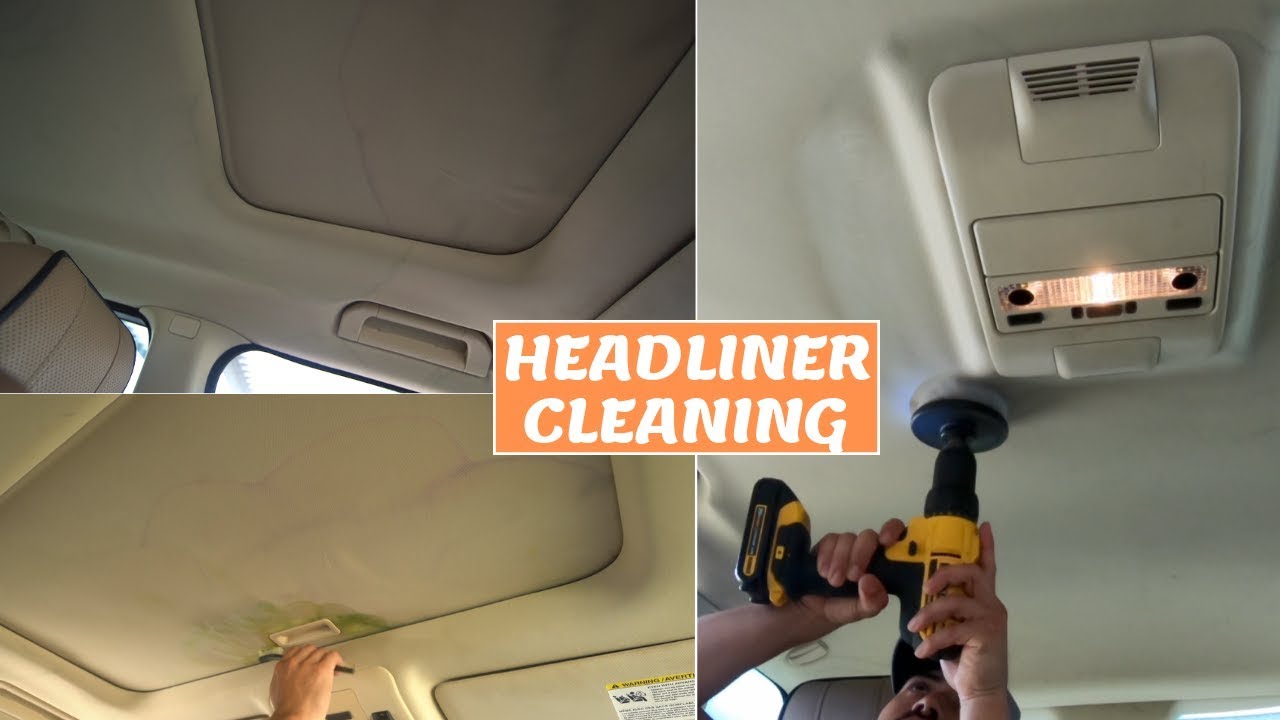
Begin by gently vacuuming the headliner to remove dust and loose dirt. Use a soft brush attachment to avoid damaging the fabric. Move the vacuum slowly and carefully to lift dirt without pressing too hard. This step clears the surface and prevents dirt from spreading during cleaning.
Protecting Car Interior
Cover seats and dashboard with clean towels or plastic sheets. Protecting these areas stops cleaning solutions from causing stains or damage. Also, roll up the windows slightly to allow fresh air and prevent moisture buildup. Taking these precautions keeps your car interior safe and clean throughout the process.
Choosing The Right Cleaner
Choosing the right cleaner is key to protect your car’s headliner. The headliner fabric is delicate and can easily get damaged. Using a harsh cleaner may cause stains, discoloration, or fabric damage. A gentle but effective cleaner will remove dirt and stains without harming the material.
Many cleaners are safe for car upholstery. Others you can make at home with simple ingredients. Both options work well if chosen carefully. Understanding the differences helps you pick the best cleaner for your car’s headliner.
Fabric-safe Upholstery Cleaners
Fabric-safe upholstery cleaners are designed for car interiors. They clean without bleaching or damaging the fabric. These cleaners remove dirt, oils, and stains gently. Most come in spray bottles for easy use. Always check the label to confirm it is safe for headliners. Test on a small hidden area first. Use a soft brush or microfiber cloth to apply. Avoid soaking the fabric to prevent damage to the adhesive.
Diy Cleaning Solutions
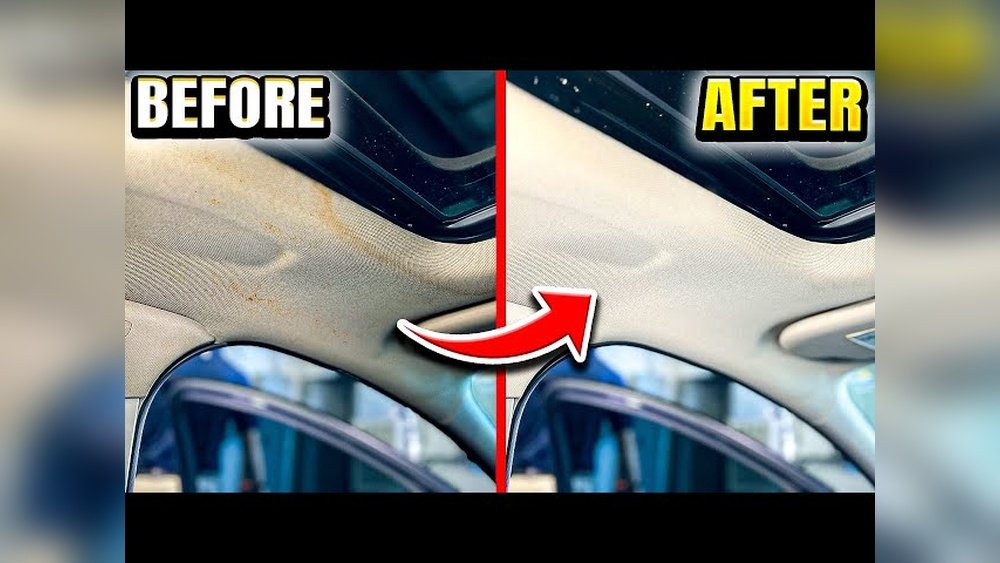
DIY cleaning solutions offer a budget-friendly alternative. Mix mild dish soap with warm water for a basic cleaner. Vinegar and water solution can also help remove odors and light stains. Use about one part vinegar to three parts water. Apply the solution with a soft cloth or sponge. Dab gently instead of scrubbing hard. Rinse by wiping with a clean damp cloth. Let the headliner air dry completely before using the car.
Credit: www.youtube.com
Cleaning Techniques
Cleaning the headliner in your car requires care and the right methods. Using proper cleaning techniques ensures the fabric stays intact and looks fresh. Avoid harsh scrubbing or soaking the material. Follow these simple steps to keep your headliner clean without damage.
Spot Cleaning Stains
Focus on stains only, not the entire headliner. Use a small amount of upholstery cleaner or mild soap. Dab gently with a microfiber cloth. Avoid rubbing, which can spread the stain or damage fabric. Work from the outside of the stain inward. Repeat if needed, but do not overdo it.
Gentle Brushing Methods
Choose a soft brush with fine bristles. Lightly brush the headliner in small circular motions. This loosens dirt without damaging the fabric fibers. Brush evenly across the surface to avoid uneven spots. Be gentle to maintain the headliner’s texture and appearance.
Avoiding Over-saturation
Do not soak the headliner with water or cleaner. Too much moisture can weaken the glue holding the fabric. Use sprays sparingly and apply cleaner to cloth first. Blot excess moisture with a dry towel. Allow the headliner to air dry completely before using the car again.
Dealing With Odors
Odors trapped in your car’s headliner can make every ride unpleasant. These smells often cling to the fabric and require specific methods to remove them. Proper odor removal improves your car’s comfort and freshness.
Smoke And Musty Smell Removal
Smoke and musty odors stick deep in the headliner fabric. Start by lightly spraying a fabric-safe deodorizer. Use a soft brush to gently work the deodorizer into the fibers. Avoid soaking the material to prevent damage.
After applying, let the car air out with windows open. For strong smoke smells, repeat the process and use an odor neutralizer. This helps break down smoke particles and reduces the lingering scent.
Using Extractors And Airflow
Extractors remove dirt and odors by suctioning moisture and contaminants. Use a wet-dry vacuum or upholstery extractor on the headliner. Move slowly and avoid pressing too hard to protect the fabric.
Enhance drying by creating good airflow inside the car. Open doors and windows or use fans to speed up drying. Proper airflow stops mold and mildew growth, which cause musty smells.
:max_bytes(150000):strip_icc()/hand-wash-of-car-headlamp--hands-in-disposable-gloves-scrub-the-headliner-922051288-5c89bb7346e0fb0001cbf61d.jpg)
Credit: www.liveabout.com
Drying And Finishing Touches
After cleaning your car’s headliner, proper drying and finishing are crucial. Wet fabric can cause odors and damage if not dried right. This step ensures the headliner stays firm and looks fresh.
Taking time to dry the headliner carefully prevents mold and keeps the fabric tight. Let’s explore simple tips to air dry and avoid sagging.
Air Drying Tips
Open all car doors and windows to allow fresh air inside. Good airflow speeds up drying naturally. Use a fan inside the car for faster air movement. Avoid using heat sources like hair dryers; they can damage the fabric.
Drying can take several hours depending on humidity. Check the headliner often. If it feels damp, keep air flowing until fully dry.
Preventing Sagging
Sagging happens when the glue behind the headliner weakens. Avoid wetting the headliner too much during cleaning. Use light sprays or damp cloths instead of soaking the fabric.
Keep the car in a dry, cool place while drying. High heat or humidity may cause glue to loosen. Press gently on any sagging spots after drying to help them firm up.
Troubleshooting Stubborn Stains
Stubborn stains on your car’s headliner can be tough to remove. These spots often resist regular cleaning methods. Patience and the right approach work best. Using targeted cleaning solutions can help lift these marks without damaging the fabric. The following tips focus on specialized cleaners and natural mixtures to tackle tough stains effectively.
Specialized Cleaners
Specialized cleaners are designed for automotive fabrics. They break down oils, grease, and dirt that cause stubborn stains. Use a cleaner made for headliners or upholstery. Spray lightly on the stained area and let it sit for a few minutes. Gently scrub with a soft brush or microfiber cloth. Avoid soaking the fabric to prevent damage. Always test the cleaner on a small hidden spot first. This ensures it won’t discolor or weaken the headliner.
Vinegar And Water Mixtures
A vinegar and water mixture is a natural, cost-effective solution. Mix equal parts of white vinegar and water in a spray bottle. Lightly spray the stain and let it sit for a short time. Vinegar helps break down grime and neutralizes odors. Use a soft cloth to blot the area, avoiding harsh rubbing. Repeat if needed until the stain fades. This method is safe for most headliner fabrics and leaves no strong chemical smell.
Credit: www.torquedetail.com
Maintenance Tips
Keeping your car’s headliner clean extends its life and keeps your vehicle fresh. Proper maintenance stops dirt and stains from settling deeply. Follow simple tips to maintain the headliner’s condition.
Regular Cleaning Schedule
Set a cleaning routine for your car’s headliner. Clean it every few months to prevent dust buildup. Use a soft brush or microfiber cloth to gently remove dust. Avoid harsh scrubbing to protect the fabric. Light cleaning keeps stains from forming and makes deep cleaning easier.
Avoiding Future Stains
Prevent stains by avoiding eating or drinking inside the car. Keep windows closed during dusty or rainy weather. Use sunshades to reduce sun damage and fading. Handle the headliner with clean hands to avoid oils and dirt. Regularly vacuum the interior to reduce dust and grime buildup.
Frequently Asked Questions
What’s The Best Thing To Clean A Headliner In A Car?
Use a microfiber cloth with a fabric-safe upholstery cleaner or diluted interior soap. Gently blot stains without soaking. Avoid harsh scrubbing to protect the headliner’s glue and texture. Vacuum first to remove dust, then clean carefully for best results.
How To Clean A Fabric Ceiling In A Car?
Vacuum the fabric ceiling with a soft brush attachment to remove dust. Lightly spray cleaner on a microfiber cloth. Gently blot or scrub stains in circular motions. Avoid soaking to prevent glue damage. Use fabric-safe upholstery cleaner or baby wipes for spot cleaning.
Dry thoroughly.
How Do I Clean The Roof Lining Of My Car?
Vacuum the roof lining using a soft brush attachment. Lightly spray upholstery cleaner onto a microfiber cloth. Gently blot stains without soaking the fabric. Avoid scrubbing to prevent damage. Let it air dry fully to prevent sagging or odors.
How To Get Rid Of Stains On The Inside Top Of The Car?
Vacuum the headliner with a soft brush attachment. Lightly mist fabric-safe upholstery cleaner on a microfiber cloth. Gently blot stains without over-wetting. Avoid scrubbing to prevent fabric damage. Use baby wipes or foaming cleaners for spot treatment. Let dry completely to prevent sagging.
Conclusion
Cleaning your car’s headliner keeps the interior fresh and pleasant. Use gentle cleaners and soft brushes to avoid damage. Work slowly and spot test before full cleaning. Avoid soaking the fabric to prevent sagging or stains. Regular care prevents dirt buildup and maintains your car’s value.
A clean headliner makes every drive more enjoyable. Try these simple steps to keep your car looking great inside.