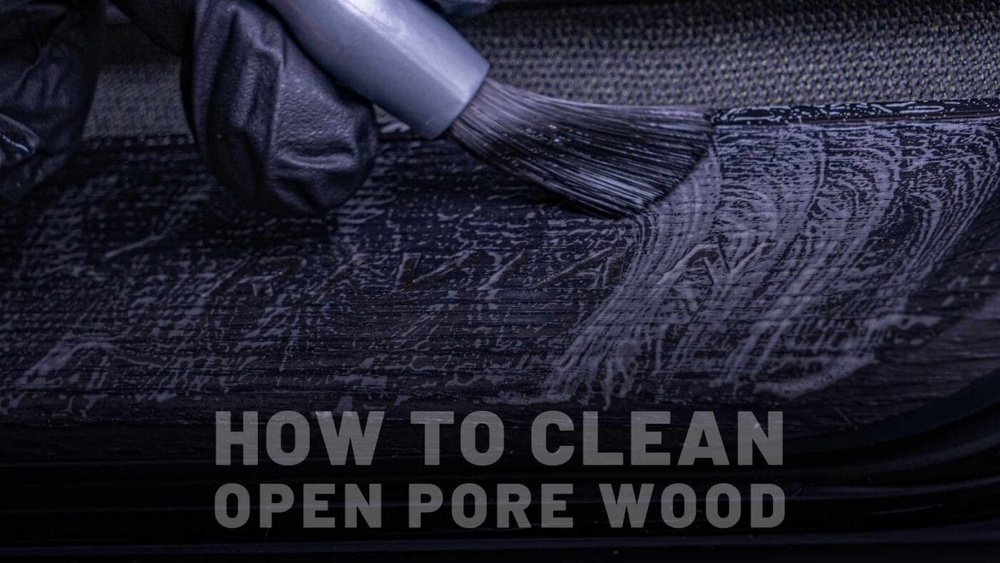
Your car’s open-pore wood veneer trim adds a touch of elegance and warmth to the interior, but cleaning it can feel tricky. Unlike smooth, sealed surfaces, open-pore wood soaks up liquids and dirt more easily, which means you have to be extra careful.
If you want to keep your wood trim looking fresh and beautiful without risking damage, you need the right approach. In this guide, you’ll learn simple, effective ways to clean your open-pore wood veneer trim safely using everyday materials. Stick with me, and you’ll discover how to protect your investment and enjoy that rich, natural look every time you get behind the wheel.
Daily Cleaning Tools
Daily cleaning of open-pore wood veneer trim in cars keeps the surface fresh and prevents dirt buildup. Using the right tools protects the delicate wood and extends its life. Two essential tools for daily care are microfiber cloths and vacuum cleaners with brush attachments. These tools clean gently without damaging the wood’s natural texture.
Microfiber Cloth Use
Microfiber cloths trap dust and dirt without scratching the wood. Their soft fibers reach into the open pores of the veneer. Use a dry or slightly damp cloth for best results. Avoid soaking the cloth, as excess moisture can harm the wood. Wipe gently along the wood grain to remove surface dust and light dirt. Clean the cloth regularly to avoid spreading dirt back onto the trim.
Vacuuming Crevices
Vacuuming with a brush attachment removes dust and debris from small crevices. Open-pore wood veneer often has grooves that collect dirt. Use low suction to avoid damage. Move the brush gently over the trim edges and corners. This method is especially good for reaching areas a cloth cannot. Vacuuming reduces the chance of buildup that can dull the wood’s appearance.
Gentle Cleaning Methods
Cleaning open-pore wood veneer trim in cars requires care and gentleness. These wood surfaces have tiny pores that can trap dirt and moisture. Using harsh cleaners or too much water may damage the wood or cause swelling. Gentle cleaning methods keep the wood safe and looking fresh. They remove dirt without harming the delicate texture.
Mild Dish Soap Solution
Mix a few drops of mild dish soap with warm water. Use a soft cloth dampened with this solution. Wring the cloth well to avoid excess water. Wipe the wood trim gently, following the grain direction. This method lifts dirt without soaking the wood. After cleaning, use a dry cloth to remove any moisture.
Vinegar And Water Mix
Combine equal parts of white vinegar and water in a spray bottle. Lightly spray the mixture onto a microfiber cloth. Avoid spraying directly on the wood to prevent over-wetting. Wipe the trim gently along the grain. Vinegar helps to remove grime and disinfects the surface. Dry the wood thoroughly with a soft cloth after cleaning.
Removing Stubborn Stains
Stubborn stains on open-pore wood veneer trim in cars need careful attention. These stains can be tough to remove because the wood surface is porous. Using harsh chemicals or too much water can damage the wood. Gentle and effective methods work best. Here are two simple techniques to try at home.
Baking Soda Paste
Baking soda is a mild abrasive that helps lift stains without harming the wood. Make a paste by mixing baking soda with a small amount of water. Apply the paste directly to the stain with a soft cloth or cotton swab. Let it sit for a few minutes to break down the dirt. Gently rub in the direction of the wood grain to avoid scratches. Wipe the area clean with a damp cloth and dry it thoroughly. This method works well on oil, dirt, and light stains.
Gum Eraser Technique
A solid gum eraser can remove stubborn marks from open-pore wood veneer. Use a clean, white art gum eraser for the best results. Rub the eraser gently over the stain in small circular motions. Avoid pressing too hard to prevent damaging the wood surface. After rubbing, use a soft brush or vacuum to remove eraser crumbs from the pores. This technique is excellent for ink, pencil, and scuff marks. It refreshes the wood without adding moisture.

Credit: www.capitalone.com
Handling Moisture Carefully
Handling moisture carefully is crucial when cleaning open-pore wood veneer trim in cars. Open-pore wood absorbs water quickly, which can cause damage like swelling or warping. Excess moisture also makes the wood vulnerable to stains and mold growth. Proper moisture control helps maintain the trim’s natural beauty and longevity.
Minimal Liquid Application
Use only a small amount of liquid for cleaning. Dampen a microfiber cloth lightly instead of soaking it. Wring out the cloth thoroughly to remove excess water. Apply the cloth gently on the wood surface following the grain. Avoid pouring water or cleaning solutions directly on the trim. This method reduces the risk of water seeping into the wood pores. Less liquid means less chance of damage.
Thorough Drying Tips
After cleaning, dry the wood veneer trim immediately. Use a dry microfiber cloth to absorb any leftover moisture. Open car windows or doors for better air circulation. Avoid leaving the trim wet or damp for long periods. Never use heat sources like hairdryers, as they can cause cracking. Proper drying preserves the wood’s texture and prevents moisture-related problems.
Protecting Wood After Cleaning
After cleaning open-pore wood veneer trim in your car, protecting the wood is essential. Proper protection keeps the wood looking fresh and prevents damage. Wood without a finish soaks up moisture and dirt quickly. Applying the right protective layer helps maintain the natural beauty and extends the life of the trim.
Use gentle products that nourish the wood without clogging its pores. Avoid heavy or harsh chemicals that can harm the delicate surface. Two common methods to protect wood after cleaning are natural oil application and waxing. Both add a layer of defense while enhancing the wood’s appearance.
Natural Oil Application
Natural oils like tung oil or linseed oil soak into the wood. They nourish and hydrate the fibers deeply. Use a clean, soft cloth to apply a small amount of oil. Rub it in gently following the wood grain. Let the oil absorb for several hours or overnight.
Oiling helps prevent cracking and drying out. It also restores the wood’s warm tone. Avoid over-oiling, as excess oil can leave a sticky surface. Wipe away any extra oil after application. Repeat this process every few months to keep the wood healthy.
Waxing For Finish
Wax forms a protective layer on the wood surface. It seals pores and adds shine. Use a soft cloth or applicator to spread a thin layer of carnauba or beeswax wax. Work in small sections, moving with the grain of the wood.
Allow the wax to dry, then buff gently with a clean cloth. Waxing repels dust and water, making future cleaning easier. It also enhances the wood’s natural luster. Reapply wax every three to six months for best results.
Credit: www.drbeasleys.com
Common Mistakes To Avoid
Cleaning open-pore wood veneer trim in cars requires careful attention. Mistakes can damage the delicate surface or leave it looking dull. Avoiding common errors helps keep the wood looking fresh and natural. The following are key mistakes to watch out for during cleaning.
Harsh Chemicals
Using strong cleaners can strip the wood’s natural oils. This leads to drying and cracking over time. Avoid bleach, ammonia, or abrasive detergents. Instead, choose mild soap or specialized wood cleaners. Harsh chemicals also harm the finish and can cause discoloration.
Ignoring Wood Grain
Cleaning against the wood grain can cause scratches and rough spots. Always wipe or scrub in the direction of the grain. This preserves the wood’s texture and appearance. Ignoring the grain risks breaking fibers and dulling the surface. Gentle, grain-following strokes are best for open-pore veneer.
Tools And Products To Have
Cleaning open-pore wood veneer trim in cars requires the right tools and products. These help protect the wood and keep it looking fresh without damage. Choosing gentle and effective items ensures the wood stays smooth and clean. Avoid harsh materials that can scratch or soak the wood.
Using proper tools makes cleaning easier and safer. Soft brushes and lint-free cloths are essential. They reach into the pores and remove dust without leaving residues. These tools work well with mild cleaners to keep the veneer in top condition.
Soft Brushes
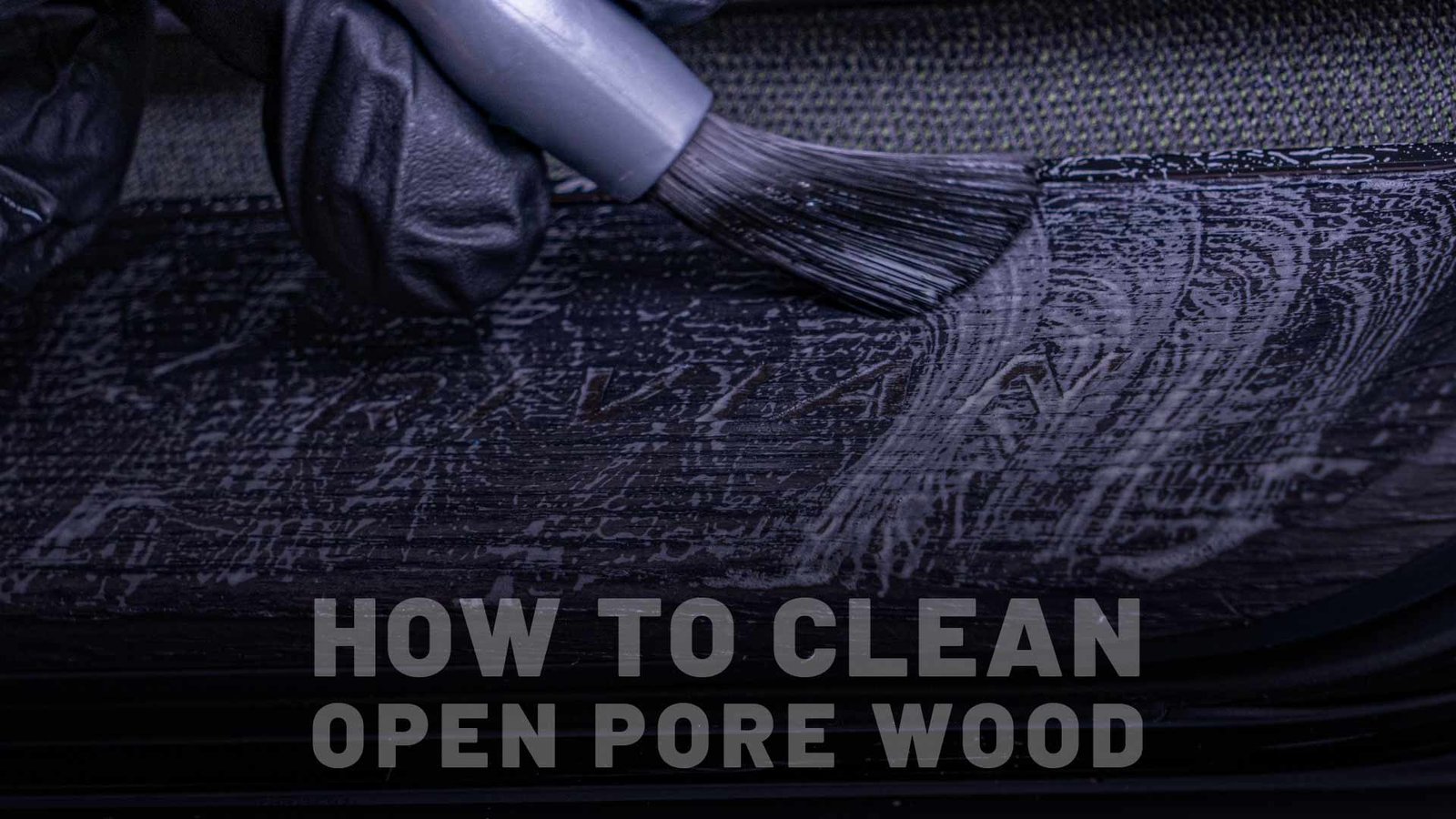
Soft brushes remove dust and dirt from wood grain gently. Use brushes with natural or soft synthetic bristles. They reach into small crevices without scratching the surface. A small paintbrush or a soft toothbrush works great. Avoid stiff bristles that can damage the delicate wood pores.
Brush lightly to lift loose dirt before wiping. This prevents pushing dirt deeper into the pores. Soft brushes also help clean around edges and corners where cloths cannot reach. Regular brushing keeps the trim looking fresh and dust-free.
Lint-free Cloths
Lint-free cloths are ideal for wiping open-pore wood veneer. Microfiber cloths work best because they trap dust and dirt without leaving fibers behind. Avoid cotton or paper towels that shed lint and particles.
Use a slightly dampened cloth with water or mild cleaner to wipe the trim. Always wring out excess liquid to avoid soaking the wood. Wipe in the direction of the wood grain to prevent damage. Dry the area thoroughly with a dry lint-free cloth after cleaning.
When To Seek Professional Help
Knowing when to seek professional help is key to protecting your car’s open-pore wood veneer trim. Some cleaning challenges require expert care. Attempting complex repairs or deep cleaning without experience can cause damage. Professionals have the tools and knowledge to handle delicate wood surfaces safely.
Recognizing these signs helps you avoid costly mistakes. Acting early can save your trim and maintain its natural beauty. Below are some situations where professional help is the best option.
Visible Deep Stains And Water Damage
Deep stains that do not lift with gentle cleaning need expert attention. Water damage can cause warping or discoloration. Professionals can assess the extent of damage and apply proper treatments.
Cracks, Splits, Or Peeling Veneer
Cracks or peeling veneer require repair to prevent worsening. DIY fixes may lead to further damage. Trained technicians use specialized adhesives and fillers for lasting results.
Faded Or Worn Finish
When the finish looks dull or uneven, refinishing may be necessary. Professionals can carefully sand and refinish the wood without harming the grain. This restores the trim’s natural shine and protects it.
Strong Odors Or Mold Growth
Mold or mildew can grow in wood pores if moisture stays too long. Strong odors indicate deep contamination. Professionals have tools to clean and treat mold safely, preventing health risks.
Extensive Dirt Build-up In Hard-to-reach Areas
Heavy dirt lodged in crevices is hard to remove fully at home. Experts use special tools and cleaning agents that reach these spots. This ensures thorough cleaning without damaging the veneer.

Credit: www.amazon.com
Frequently Asked Questions
How To Clean Open Pore Wood?
Clean open-pore wood using a damp microfiber cloth, wiping with the grain. For stains, apply a baking soda paste or gently rub with a gum eraser. Avoid excess moisture and harsh chemicals. Dry thoroughly and consider applying natural oil or wax for protection.
How To Clean Car Interior Wood Trim?
Use a damp microfiber cloth to gently wipe wood trim, following the grain. Avoid excess water and harsh chemicals. For stains, try a baking soda paste or gum eraser. Dry thoroughly and apply natural oil or wax to protect the surface.
How To Clean Wood That Is Not Sealed?
Use a damp microfiber cloth with mild dish soap to gently clean unsealed wood. Wipe along the grain and dry thoroughly. For stains, apply a baking soda paste or gently rub with a gum eraser. Avoid excess moisture and harsh chemicals to protect the wood.
How To Get Rid Of Oxidation On Car Trim?
Use a microfiber cloth with mild soap and water to gently clean the trim. Rub baking soda paste or a gum eraser on tough spots. Always work with the grain, avoid harsh chemicals, and dry thoroughly. Apply natural oil or wax to protect the trim afterward.
Conclusion
Cleaning open-pore wood veneer trim in cars needs care and patience. Use a soft microfiber cloth to avoid scratches. Always wipe gently, following the wood grain direction. Keep liquids minimal to prevent damage from moisture. Treat stains with mild soap or baking soda paste carefully.
Let the wood dry fully after cleaning to avoid warping. Regular light cleaning helps keep your trim looking fresh. Protect the wood by applying natural oil or wax if needed. With simple steps, your car’s wood trim stays beautiful and well-maintained.